


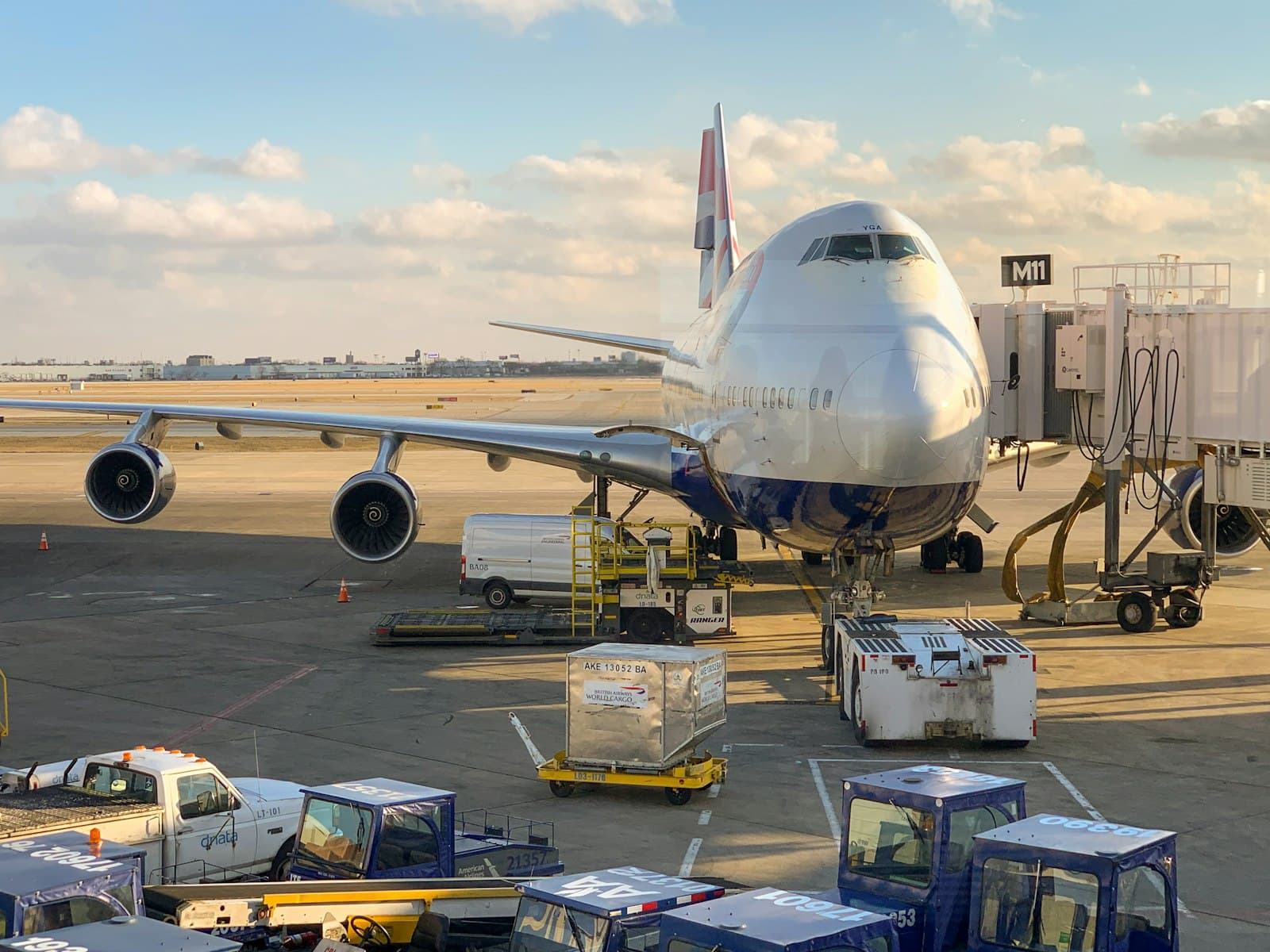
2026 yılında hava kargo ile ilgili en sık karşılaştığımız soru, ücretlerin neden sabitlenmeyeceğidir. Sektör verilerine göre yanıt yapısaldır: de minimis kalkmış durumda, ICS2 uyumu zorunlu, kargo uçağı kapasitesi 2030'ların başına kadar yetersiz ve yakıt ek ücretleri %47'nin üzerine çıkmış durumda. Bizim görüşümüze göre, temel ücret değil, öngörülebilirlik artık gerçek maliyettir ve aşağıda planlama kılavuzu yer almaktadır.
The global supply chain has shifted from a period of chaotic volatility to one of structured, regulatory-driven complexity. As we navigate 2026, the era of relying on low-cost, duty-free small parcels to bypass traditional customs hurdles is effectively over. The removal of the de-minimis exemption in key markets, particularly the United States and increasingly across the European Union, has fundamentally altered the economics of air freight. This is not merely a tariff adjustment; it is a structural realignment that demands a new approach to logistics planning. Companies that continue to treat air freight as a simple point-to-point service rather than a regulated trade compliance exercise are facing unexpected costs, border delays, and inventory stockouts.
The landscape of 2026 is defined by the collision of sustained capacity constraints and aggressive border security measures. Major carriers like Lufthansa Cargo and DHL Express are prioritizing high-density, high-value cargo while deprioritizing fragmented, low-value shipments that now require full customs documentation. For importers and exporters, the margin for error has vanished. A single misdeclared HS code can result in a shipment being held at a hub like Memphis or Frankfurt for weeks, incurring demurrage charges that quickly exceed the value of the goods themselves. This article provides a grounded, data-driven playbook for navigating these headwinds, focusing on rate transparency, capacity management, and the critical compliance shifts that define the current market.
De-Minimis'in Ölümü ve Uyum Darboğazı
The most significant variable in the 2026 air freight equation is the erosion of the de-minimis threshold. For years, businesses relied on the US $800 de-minimis exemption to ship small packages from overseas suppliers without paying duties or undergoing rigorous customs inspections. This loophole allowed for a surge in cross-border e-commerce, particularly from Asian manufacturing hubs. However, the political and economic pressure to close this gap has resulted in new legislation that treats these small parcels with the same scrutiny as bulk containerized freight.
In the United States, the implementation of stricter entry requirements means that even a single package valued under $800 now requires a full entry summary in many cases, or at least a significantly more detailed automated commercial environment (ACE) filing. This administrative burden has created a bottleneck at major air cargo hubs. Carriers are no longer willing to accept these shipments without pre-cleared documentation because the risk of rejection at the destination airport is too high. The result is a surge in "pre-clearance" services, where freight forwarders must process data days before the aircraft even lands.
This shift has disproportionately affected small and medium-sized enterprises (SMEs) that lacked the infrastructure to handle complex customs filings. Large multinationals, equipped with sophisticated trade compliance software like Descartes Systems or SAP GTS, have adapted more quickly. They have integrated customs data into their procurement cycles, ensuring that every SKU has a verified HS code and origin certificate before it leaves the factory floor. For smaller players, the cost of compliance has become a critical barrier. The administrative cost per shipment has risen from a negligible fraction of a cent to several dollars, negating the cost advantage of air freight for low-margin goods.
The European Union has followed a similar trajectory. Its Import Control System 2 (ICS2) has been fully operational across all transport modes since 1 January 2026, requiring carriers to submit entry summary declarations (ENS) well in advance of arrival, with inaccurate data resulting in immediate rejection. The EU is also removing its own €150 customs de-minimis exemption from 1 July 2026 — and the transition has already been disruptive enough that several European postal carriers, including Germany's DHL Parcel and France's La Poste, temporarily suspended some low-value shipments to the US because they could not yet comply with the new documentation rules. The synergy between US and EU regulations has created a global standard where "speed" is no longer just about flight time; it is about data accuracy. A shipment that is physically on the fastest plane but has incorrect paperwork will arrive last. This reality has forced a reevaluation of sourcing strategies. Many businesses are moving away from fragmented, direct-to-consumer models toward consolidated regional fulfillment centers, where goods are cleared in bulk and then distributed locally via ground transport.
Kapasite Kısıtlamaları ve Tahmin Edilebilirliğin Prim Değeri
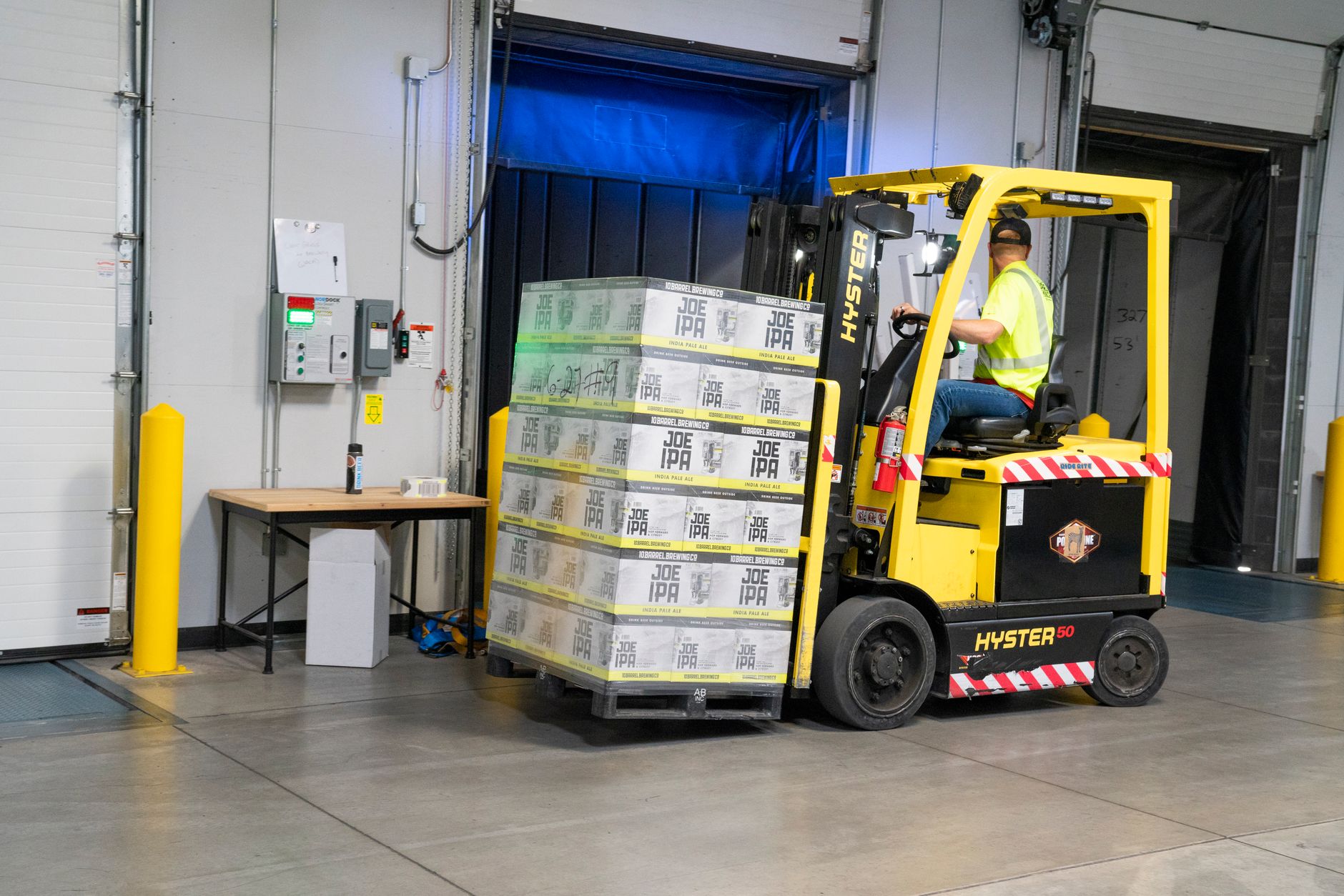
While regulations have tightened, physical capacity has not expanded at a commensurate rate. The aviation industry is still grappling with the aftermath of the pandemic-era fleet retirements and the slow rollout of new wide-body freighters. In 2026, the demand for belly cargo space on passenger flights remains robust, but airlines are increasingly prioritizing revenue density. A structural freighter shortage — the product of pandemic-era retirements and slow new-build delivery — is not expected to normalize until the early 2030s, so the squeeze is durable rather than seasonal. High-value electronics, pharmaceuticals, and fashion goods are getting first dibs on space; demand from AI hardware and semiconductors in particular is filling hubs like Taipei to capacity, while lower-margin commodities are bumped to less desirable flight times or routed through multiple hubs.
The concept of "predictability" has become the new premium. In previous years, shippers might have accepted a risk of delay in exchange for a lower rate. Today, the cost of a delay—whether it is a missed retail season, a production line stoppage, or a contractual penalty—far outweighs the savings of a cheaper rate. As a result, spot rates for air freight have remained elevated, but the spread between spot and contract rates has narrowed. Airlines are offering more stable contract pricing to loyal customers who can guarantee volume, while spot buyers face extreme volatility.
This capacity crunch is exacerbated by geopolitical tensions and route restrictions. Certain corridors, particularly those involving regions with ongoing conflicts or sanctions, have seen significant reductions in available space. Airlines are avoiding these routes to mitigate risk, leading to longer transit times and higher costs for alternative routing. For example, shipments that once moved directly from East Asia to Europe may now be routed through the Middle East or Africa, adding 24 to 48 hours to the transit time.
To navigate this, forwarders are leveraging digital platforms to secure space in advance. Tools like Freightos allow shippers to book capacity weeks ahead, locking in rates and space. However, this requires a shift in planning behavior. Shippers must forecast their needs with greater accuracy and commit to volumes earlier in the supply chain. The "just-in-time" model is being replaced by "just-in-case" buffers, where companies hold more inventory in transit or in regional warehouses to mitigate the risk of capacity shortages. This shift has increased working capital requirements but has also improved service levels and reduced the risk of stockouts.
Hız Volatilitesi ve Hava Kargo'nun Gizli Maliyetleri
Understanding the true cost of air freight in 2026 requires looking beyond the base rate per kilogram. The base rate is only one component of a complex pricing structure that includes fuel surcharges, security fees, terminal handling charges, and currency adjustment factors. In the current market, these ancillary charges can account for a large share of the total landed cost — and the fuel surcharge alone can exceed 40%. FedEx's international fuel surcharge, for example, reached 47.75% in June 2026, up from around 29% in February, tracking a near-doubling of jet fuel prices. Spot air rates have moved with it, reaching about US$3.38 per kilo, up 26% year on year, with additional war-risk surcharges layered onto some lanes. When fuel spikes, the all-in rate can climb sharply within weeks.
Currency fluctuations also play a significant role. Most air freight contracts are denominated in US dollars, but local costs are incurred in euros, yen, or yuan. When the dollar strengthens, foreign carriers may raise their prices to maintain their margins, passing the cost on to shippers. Conversely, a weak dollar can provide temporary relief, but this is often short-lived. Shippers must monitor currency trends and hedge their exposure where possible.
Another hidden cost is the "peak season surcharge." Historically, these surcharges applied only during the holiday season, but in 2026, they are being applied more broadly to any period of high demand. This includes new product launches, promotional events, and even seasonal shifts in weather. Forwarders are increasingly using dynamic pricing models that adjust rates in real-time based on demand and capacity. This means that the rate quoted today may not be valid tomorrow.
To manage these costs, shippers are adopting a total landed cost approach. This involves calculating the full cost of the shipment, including duties, taxes, insurance, and inland transport, before making a decision. By comparing the total landed cost of air freight versus ocean or rail, shippers can make more informed choices. For high-value, time-sensitive goods, air freight remains the only viable option. For lower-value, less urgent goods, ocean or rail may be more cost-effective, even if the transit time is longer. The key is to align the mode of transport with the value and urgency of the goods.
2026 Lojistik Planlaması için Stratejik Bir Oyun Kitabı
Navigating the 2026 air freight landscape requires a proactive, data-driven strategy. Reactive measures are no longer sufficient. Shippers must integrate logistics planning into their broader business strategy, considering regulatory changes, capacity constraints, and cost volatility. The following playbook outlines key actions to optimize air freight operations.
- Tedarik zincirinizde gümrük beyanlarını otomatikleştirmek ve hata riskini azaltmak için sağlam bir ticaret uyumluluk yazılımı çözümü uygulayın. Descartes veya SAP GTS gibi araçlar, ERP sisteminizle entegre olarak her sevkiyatın fabrika çıkışından önce doğru HS kodlarına ve belgelerine sahip olmasını sağlayabilir.
- Taşıyıcı ve lojistik sağlayıcılarınızı çeşitlendirerek kapasite risklerini azaltın. Tek bir sağlayıcıya bağımlı kalmayın. Farklı taşıyıcı ağlarına ve hub'lara erişimi olan birden fazla lojistik sağlayıcısıyla çalışın. Bu, bir sağlayıcının kapasite sorunları veya düzenleyici problemlerle karşılaşması durumunda hızlıca sağlayıcı değiştirmenizi sağlar.
- Tüm navlun kararları için toplam varış maliyeti modelini benimseyin. Gönderinin tüm maliyetini, INLINE0Xtüm ek ücretler, gümrük vergileri ve vergiler dahil olmak üzereINLINE0X hesaplayın. Her gönderi için en maliyet-etkin seçeneği seçtiğinizden emin olmak amacıyla bunu alternatif taşıma yöntemleriyle karşılaştırın.
- Tedarik zincirinize tampon stok ekleyerek kapasite yetersizlikleri ve gecikmelere karşı koruma sağlayın. Bölgesel depolarda daha fazla stok bulundurarak hızlandırılmış hava kargo ihtiyacını azaltın. Bu, işletme sermayesini artırır ancak stok tükenmeleri ve son dakika hava sevkiyatlarının yüksek maliyetleri riskini azaltır.
- Taşıyıcılar ve forwarder'lar ile uzun vadeli sözleşmeler müzakere ederek fiyatları ve kapasiteyi sabitleyin. Spot fiyatlar cazip görünebilir, ancak son derece değişkendir. Uzun vadeli sözleşmeler, mevcut piyasada kritik öneme sahip olan istikrar ve öngörülebilirlik sağlar.
These strategies require investment in technology and process changes, but the return on investment is significant. By reducing compliance errors, optimizing mode selection, and securing capacity in advance, shippers can lower their total logistics costs and improve their service levels. The key is to start now. The window for adaptation is closing, and those who wait will face higher costs and greater risks.
Sıkça Sorulan Sorular
Küçük işletmelerin hava kargo maliyetleri üzerinde de minimis'in kaldırılmasının etkisi nasıl olmuştur?
De-minimis muafiyetlerinin kaldırılması, küçük işletmeler için gönderi başına idari maliyetleri %300'e kadar artırmıştır. Daha önce gümrüksüz olan paketler artık tam gümrük belgeleri gerektirmekte, bu da komisyonculuk ve veri giriş ücretlerinin yükselmesine yol açmaktadır. Bu durum, düşük değerli mallar için hava kargo maliyet avantajını ortadan kaldırmış, birçok KOBİ'yi gönderileri birleştirmeye veya okyanus taşımacılığı gibi daha yavaş ve ucuz yöntemlere geçmeye zorlamıştır.
Asya'dan Avrupa'ya hava kargo için mevcut ortalama aktarma süresi nedir?
East Asia'dan Batı Avrupa'ya hava kargo için ortalama transit süresi, önceki yıllardaki 3-4 günden 5-7 güne yükselerek kapasite kısıtlamaları ve yeniden yönlendirme nedeniyle artmıştır. Bu artış, esas olarak ara aktarma merkezlerinin kullanımından ve yüksek değerli kargonun önceliklendirilmesinden kaynaklanmaktadır, bu da daha düşük öncelikli sevkiyatları geciktirebilir. Göndericiler, tedarik zinciri modellerinde bu ek süre için plan yapmalıdır.
2026 yılında yakıt ek ücretlerinin yüksek kalması muhtemel mi?
Yakıt ek ücretlerinin 2026 boyunca değişken ve genel olarak yüksek kalması bekleniyor, küresel jet yakıtı fiyatlarını takip ediyor. Jeopolitik gerilimler ve havacılık yakıtına olan talebin artmasıyla fiyatların önemli ölçüde düşmesi olası görünmüyor. Göndericiler, 2026'da tarihsel normların oldukça üzerinde seyreden yakıt ek ücretleri için bütçe ayırmalı — FedEx'in uluslararası yakıt ek ücreti Haziran ayında %47,75'e ulaştı — ve bu riski azaltmak için hedge stratejileri düşünmelidir.
Göndericiler büyük merkezlerdeki gümrük gecikmelerinden nasıl kaçınabilir?
Gümrük gecikmelerinden kaçınmanın en etkili yolu, ön teminat başvurularında %100 veri doğruluğunu sağlamaktır. Sevkiyat öncesinde GTİP kodlarını, menşe sertifikalarını ve değerleme verilerini doğrulamak için otomatik uyumluluk yazılımı kullanın. Memphis, Frankfurt veya Dubai gibi büyük merkezlerde özel gümrük ekiplerine sahip forwarder'larla çalışarak teminatı hızlandırın. Varıştan 48-72 saat önce verilerin ön teminatını yapmak kritik öneme sahiptir.
Sonuç
The air freight market in 2026 is defined by regulation, scarcity, and complexity. The days of cheap, easy air shipping are over. Success in this environment requires a shift from tactical execution to strategic planning. By embracing compliance technology, diversifying carrier relationships, and adopting a total landed cost perspective, shippers can navigate these challenges and maintain competitive advantage. The key takeaway is simple: start planning today. Do not wait for the next crisis to force your hand. Build a resilient, compliant, and cost-effective air freight strategy now, and you will be prepared for whatever the future holds. Begin by auditing your current customs documentation process; this single step can uncover immediate savings and reduce your risk of border delays.