


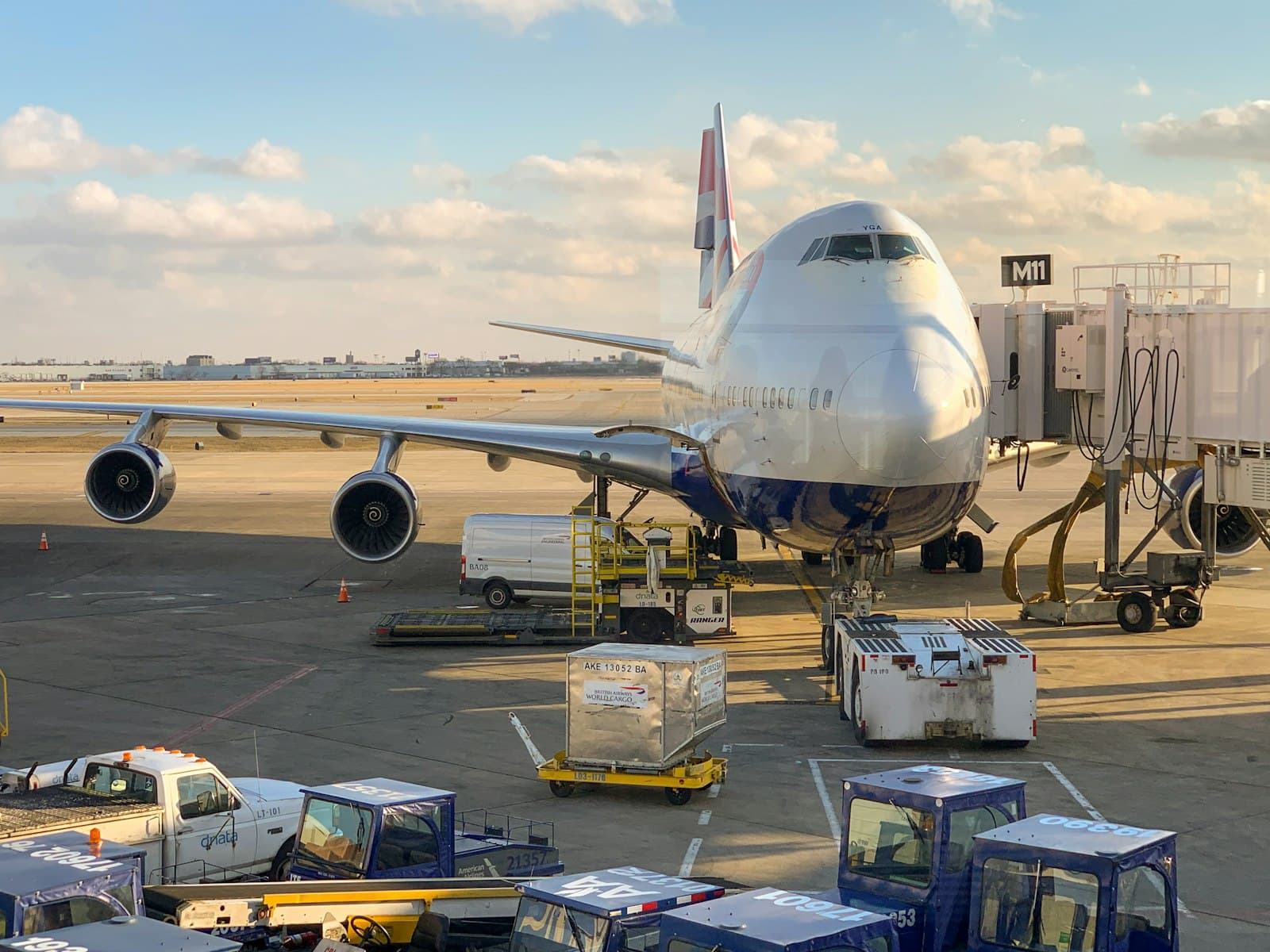
Otázka, ktorú riešime najčastejšie v leteckej nákladnej doprave v roku 2026, je, prečo sa sadzby neustália. Podľa údajov odvetvia je odpoveď štrukturálna: de minimis už neplatí, dodržiavanie ICS2 je povinné, kapacita nákladných lietadiel je nedostatočná až do začiatku 30. rokov a prirážky za palivo presiahli 47%. Podľa nášho názoru predvídateľnosť, nie základná sadzba, je teraz skutočnou cenou, a nižšie je plánovací playbook.
The global supply chain has shifted from a period of chaotic volatility to one of structured, regulatory-driven complexity. As we navigate 2026, the era of relying on low-cost, duty-free small parcels to bypass traditional customs hurdles is effectively over. The removal of the de-minimis exemption in key markets, particularly the United States and increasingly across the European Union, has fundamentally altered the economics of air freight. This is not merely a tariff adjustment; it is a structural realignment that demands a new approach to logistics planning. Companies that continue to treat air freight as a simple point-to-point service rather than a regulated trade compliance exercise are facing unexpected costs, border delays, and inventory stockouts.
The landscape of 2026 is defined by the collision of sustained capacity constraints and aggressive border security measures. Major carriers like Lufthansa Cargo and DHL Express are prioritizing high-density, high-value cargo while deprioritizing fragmented, low-value shipments that now require full customs documentation. For importers and exporters, the margin for error has vanished. A single misdeclared HS code can result in a shipment being held at a hub like Memphis or Frankfurt for weeks, incurring demurrage charges that quickly exceed the value of the goods themselves. This article provides a grounded, data-driven playbook for navigating these headwinds, focusing on rate transparency, capacity management, and the critical compliance shifts that define the current market.
Smrť De-Minimis a Komplikačná Prekážka v Dodržiavaní Predpisov
The most significant variable in the 2026 air freight equation is the erosion of the de-minimis threshold. For years, businesses relied on the US $800 de-minimis exemption to ship small packages from overseas suppliers without paying duties or undergoing rigorous customs inspections. This loophole allowed for a surge in cross-border e-commerce, particularly from Asian manufacturing hubs. However, the political and economic pressure to close this gap has resulted in new legislation that treats these small parcels with the same scrutiny as bulk containerized freight.
In the United States, the implementation of stricter entry requirements means that even a single package valued under $800 now requires a full entry summary in many cases, or at least a significantly more detailed automated commercial environment (ACE) filing. This administrative burden has created a bottleneck at major air cargo hubs. Carriers are no longer willing to accept these shipments without pre-cleared documentation because the risk of rejection at the destination airport is too high. The result is a surge in "pre-clearance" services, where freight forwarders must process data days before the aircraft even lands.
This shift has disproportionately affected small and medium-sized enterprises (SMEs) that lacked the infrastructure to handle complex customs filings. Large multinationals, equipped with sophisticated trade compliance software like Descartes Systems or SAP GTS, have adapted more quickly. They have integrated customs data into their procurement cycles, ensuring that every SKU has a verified HS code and origin certificate before it leaves the factory floor. For smaller players, the cost of compliance has become a critical barrier. The administrative cost per shipment has risen from a negligible fraction of a cent to several dollars, negating the cost advantage of air freight for low-margin goods.
The European Union has followed a similar trajectory. Its Import Control System 2 (ICS2) has been fully operational across all transport modes since 1 January 2026, requiring carriers to submit entry summary declarations (ENS) well in advance of arrival, with inaccurate data resulting in immediate rejection. The EU is also removing its own €150 customs de-minimis exemption from 1 July 2026 — and the transition has already been disruptive enough that several European postal carriers, including Germany's DHL Parcel and France's La Poste, temporarily suspended some low-value shipments to the US because they could not yet comply with the new documentation rules. The synergy between US and EU regulations has created a global standard where "speed" is no longer just about flight time; it is about data accuracy. A shipment that is physically on the fastest plane but has incorrect paperwork will arrive last. This reality has forced a reevaluation of sourcing strategies. Many businesses are moving away from fragmented, direct-to-consumer models toward consolidated regional fulfillment centers, where goods are cleared in bulk and then distributed locally via ground transport.
Kapacitné obmedzenia a prémia za predvídateľnosť
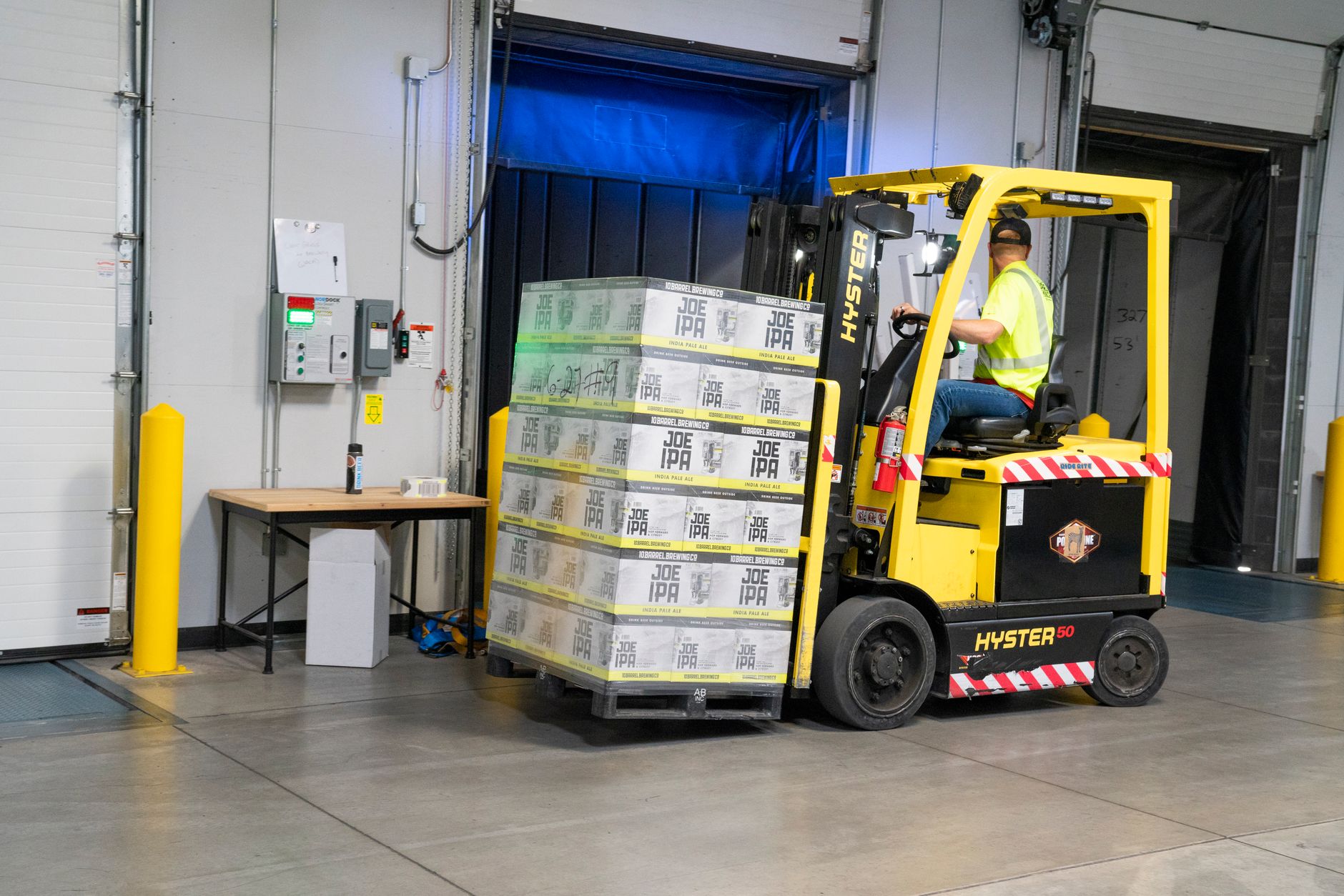
While regulations have tightened, physical capacity has not expanded at a commensurate rate. The aviation industry is still grappling with the aftermath of the pandemic-era fleet retirements and the slow rollout of new wide-body freighters. In 2026, the demand for belly cargo space on passenger flights remains robust, but airlines are increasingly prioritizing revenue density. A structural freighter shortage — the product of pandemic-era retirements and slow new-build delivery — is not expected to normalize until the early 2030s, so the squeeze is durable rather than seasonal. High-value electronics, pharmaceuticals, and fashion goods are getting first dibs on space; demand from AI hardware and semiconductors in particular is filling hubs like Taipei to capacity, while lower-margin commodities are bumped to less desirable flight times or routed through multiple hubs.
The concept of "predictability" has become the new premium. In previous years, shippers might have accepted a risk of delay in exchange for a lower rate. Today, the cost of a delay—whether it is a missed retail season, a production line stoppage, or a contractual penalty—far outweighs the savings of a cheaper rate. As a result, spot rates for air freight have remained elevated, but the spread between spot and contract rates has narrowed. Airlines are offering more stable contract pricing to loyal customers who can guarantee volume, while spot buyers face extreme volatility.
This capacity crunch is exacerbated by geopolitical tensions and route restrictions. Certain corridors, particularly those involving regions with ongoing conflicts or sanctions, have seen significant reductions in available space. Airlines are avoiding these routes to mitigate risk, leading to longer transit times and higher costs for alternative routing. For example, shipments that once moved directly from East Asia to Europe may now be routed through the Middle East or Africa, adding 24 to 48 hours to the transit time.
To navigate this, forwarders are leveraging digital platforms to secure space in advance. Tools like Freightos allow shippers to book capacity weeks ahead, locking in rates and space. However, this requires a shift in planning behavior. Shippers must forecast their needs with greater accuracy and commit to volumes earlier in the supply chain. The "just-in-time" model is being replaced by "just-in-case" buffers, where companies hold more inventory in transit or in regional warehouses to mitigate the risk of capacity shortages. This shift has increased working capital requirements but has also improved service levels and reduced the risk of stockouts.
Miera volatility a skryté náklady leteckej nákladnej dopravy
Understanding the true cost of air freight in 2026 requires looking beyond the base rate per kilogram. The base rate is only one component of a complex pricing structure that includes fuel surcharges, security fees, terminal handling charges, and currency adjustment factors. In the current market, these ancillary charges can account for a large share of the total landed cost — and the fuel surcharge alone can exceed 40%. FedEx's international fuel surcharge, for example, reached 47.75% in June 2026, up from around 29% in February, tracking a near-doubling of jet fuel prices. Spot air rates have moved with it, reaching about US$3.38 per kilo, up 26% year on year, with additional war-risk surcharges layered onto some lanes. When fuel spikes, the all-in rate can climb sharply within weeks.
Currency fluctuations also play a significant role. Most air freight contracts are denominated in US dollars, but local costs are incurred in euros, yen, or yuan. When the dollar strengthens, foreign carriers may raise their prices to maintain their margins, passing the cost on to shippers. Conversely, a weak dollar can provide temporary relief, but this is often short-lived. Shippers must monitor currency trends and hedge their exposure where possible.
Another hidden cost is the "peak season surcharge." Historically, these surcharges applied only during the holiday season, but in 2026, they are being applied more broadly to any period of high demand. This includes new product launches, promotional events, and even seasonal shifts in weather. Forwarders are increasingly using dynamic pricing models that adjust rates in real-time based on demand and capacity. This means that the rate quoted today may not be valid tomorrow.
To manage these costs, shippers are adopting a total landed cost approach. This involves calculating the full cost of the shipment, including duties, taxes, insurance, and inland transport, before making a decision. By comparing the total landed cost of air freight versus ocean or rail, shippers can make more informed choices. For high-value, time-sensitive goods, air freight remains the only viable option. For lower-value, less urgent goods, ocean or rail may be more cost-effective, even if the transit time is longer. The key is to align the mode of transport with the value and urgency of the goods.
Stratégický playbook pre plánovanie logistiky v roku 2026
Navigating the 2026 air freight landscape requires a proactive, data-driven strategy. Reactive measures are no longer sufficient. Shippers must integrate logistics planning into their broader business strategy, considering regulatory changes, capacity constraints, and cost volatility. The following playbook outlines key actions to optimize air freight operations.
- Implementujte robustné riešenie softvéru pre obchodnú súladnosť, aby ste automatizovali colné prihlášky a znížili riziko chýb. Nástroje ako Descartes alebo SAP GTS sa môžu integrovať s vaším ERP systémom, aby sa zaistilo, že každá zásielka má správne HS kódy a dokumentáciu predtým, ako opustí továreň.
- Diverzifikujte svoju základňu dopravcov a speditérov, aby ste zmiernili riziká kapacity. Nespoliehajte sa na jedného poskytovateľa. Spolupracujte s viacerými speditérami, ktorí majú prístup k rôznym sieťam dopravcov a uzlom. To vám umožní rýchlo zmeniť poskytovateľa, ak sa niektorý stretne s problémami kapacity alebo regulačnými problémami.
- Prijmite model celkových nákladov na prepravu pre všetky rozhodnutia o náklade. Vypočítajte celkové náklady na zásielku vrátane všetkých vedľajších poplatkov, ciel a daní. Porovnajte to s alternatívnymi spôsobmi prepravy, aby ste si boli istí, že pre každú zásielku vyberáte najnákladnejšie efektívnu možnosť.
- Vytvorte zásobu v zásobníkoch vo vašom dodávateľskom reťazci, aby ste sa chránili pred nedostatkom kapacít a meškaniami. Uchovávajte viac zásob v regionálnych skladoch, aby ste znížili potrebu urýchlenej leteckej dopravy. To zvyšuje pracovný kapitál, ale znižuje riziko nedostatku tovaru a vysoké náklady na last-minute letecké zásielky.
- Zjednajte dlhodobé zmluvy s dopravcami a speditérmi, aby ste si zaistili sadzby a kapacitu. Aj keď sa spotové sadzby môžu zdať atraktívne, sú veľmi nestabilné. Dlhodobé zmluvy poskytujú stabilitu a predvídateľnosť, čo je v súčasnom trhu kľúčové.
These strategies require investment in technology and process changes, but the return on investment is significant. By reducing compliance errors, optimizing mode selection, and securing capacity in advance, shippers can lower their total logistics costs and improve their service levels. The key is to start now. The window for adaptation is closing, and those who wait will face higher costs and greater risks.
Často kladené otázky
Ako ovplyvnilo zrušenie de-minimis náklady malých podnikov na leteckú nákladnú dopravu?
Odstránenie výnimiek pre minimálne hodnoty zvýšilo administratívne náklady na každú zásielku až o 300 % pre malé podniky. Predtým colné parcely teraz vyžadujú kompletnú colnú dokumentáciu, čo vedie k vyšším poplatkom za sprostredkovanie a zadávanie údajov. To narušilo nákladovú výhodu leteckej dopravy pre nízko hodnotný tovar, čo núti mnoho MSP združovať zásielky alebo prejsť na pomalšie a lacnejšie spôsoby dopravy, ako je morská doprava.
Aký je aktuálny priemerný čas prepravy leteckou nákladnou dopravou z Ázie do Európy?
Due to capacity constraints and rerouting, the average transit time for air freight from East Asia to Western Europe has increased to 5-7 dní, z predchádzajúcich 3-4 dní v predchádzajúcich rokoch. Toto zvýšenie je spôsobené predovšetkým používaním medzizastávok a prioritizáciou vysoko hodnotného nákladu, čo môže spomaliť zásielky s nižšou prioritou. Dopravcovia by mali zohľadniť tento dodatočný čas vo svojich modeloch dodávateľského reťazca.
Sú poplatky za palivové príplatky pravdepodobne aj v roku 2026 vysoké?
Fuelové príslušenstvá sa očakáva, že zostanú nestabilné a vo všeobecnosti vysoké počas celého roku 2026, v súlade s globálnymi cenami leteckého paliva. Vzhľadom na geopolitické napätie a zvýšenú dopytu po leteckom palive je nepravdepodobné, že ceny výrazne klesnú. Dopravcovia by mali rozpočtovať na fuelové príslušenstvá, ktoré v roku 2026 výrazne prekročili historické normy — medzinárodné fuelové príslušenstvo spoločnosti FedEx dosiahlo v júni 47,75 % — a zvážiť stratégie zabezpečenia, aby zmiernili toto riziko.
Ako môžu dopravcovia predísť meškaniam na colnom pri prechode cez hlavné uzly?
Najúčinnejší spôsob, ako sa vyhnúť meškaniam v colnom konaní, je zaistiť 100% presnosť údajov v predcolných podaniach. Používajte automatizovaný softvér na overenie HS kódov, osvedčení o pôvode a údajov o hodnotení pred odoslaním zásielky. Spolupracujte s speditérami, ktorí majú v hlavných uzloch ako Memphis, Frankfurt alebo Dubaj vlastné colné tímy, aby ste urýchlili colné konanie. Predcolné podanie údajov 48-72 hodín pred príchodom je kľúčové.
Záver
The air freight market in 2026 is defined by regulation, scarcity, and complexity. The days of cheap, easy air shipping are over. Success in this environment requires a shift from tactical execution to strategic planning. By embracing compliance technology, diversifying carrier relationships, and adopting a total landed cost perspective, shippers can navigate these challenges and maintain competitive advantage. The key takeaway is simple: start planning today. Do not wait for the next crisis to force your hand. Build a resilient, compliant, and cost-effective air freight strategy now, and you will be prepared for whatever the future holds. Begin by auditing your current customs documentation process; this single step can uncover immediate savings and reduce your risk of border delays.