


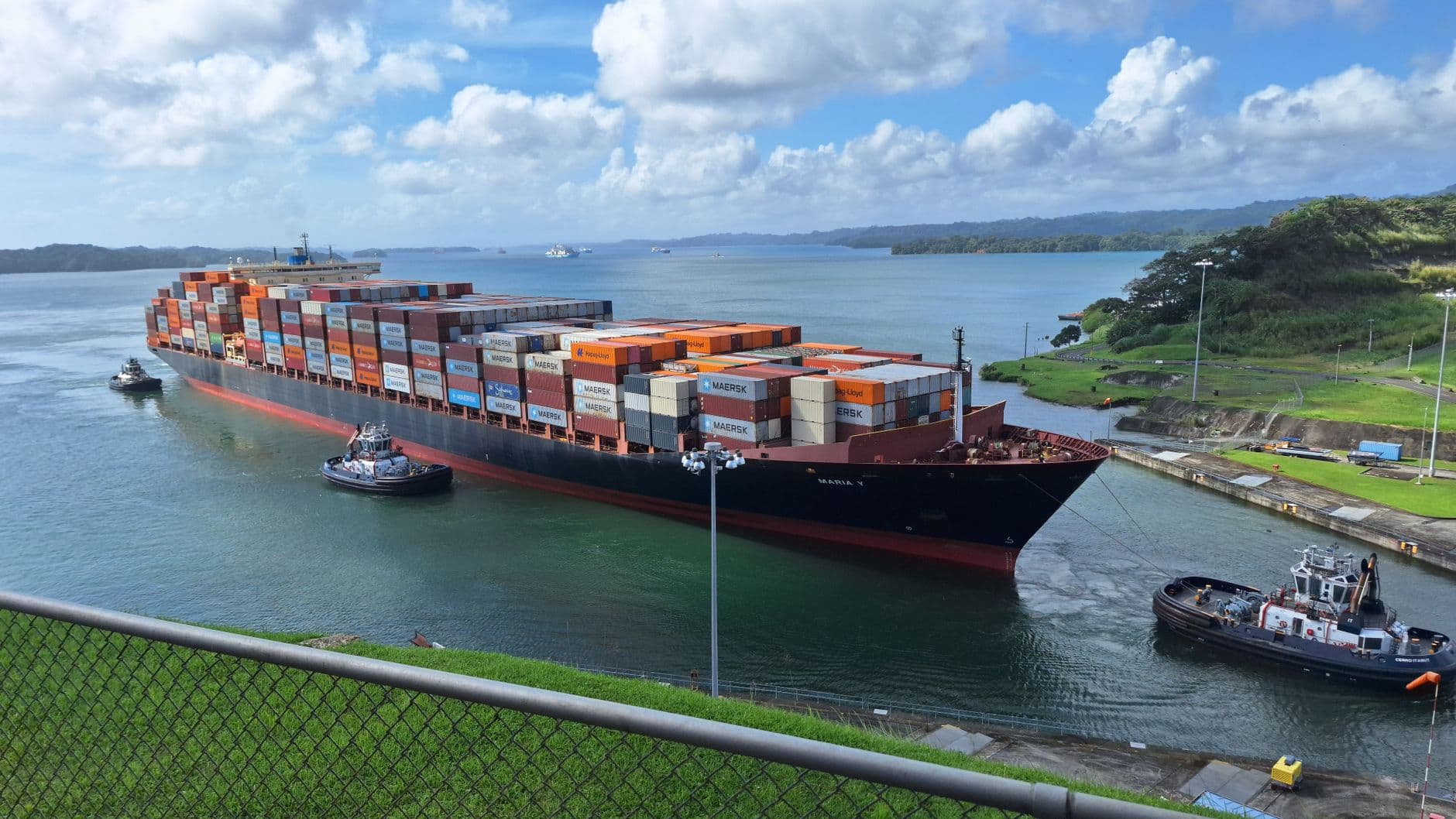

Minden néhány hétben, az év eleje óta egy ügyfél feltett nekem valamilyen változatát ugyanannak a kérdésnek: visszatért a Szuezi-csatorna? Abbahagytam a válaszolást, mert ez a rossz kérdés, és a válaszolás rossz viselkedést ösztönöz. Hogy a csatorna "visszatért"-e, az a fuvarozókra, haditengerészetekre és biztosítókra tartozik. Ami egy rakomány tulajdonosnak valóban szükséges, az egy módszer arra, hogy egy adott útvonalon, adott hónapban összehasonlítsa a két útvonalat, majd döntsön, majd ezt a döntést beépítse egy szerződésbe, hogy ne kelljen újra és újra megvitatni, valahányszor a hírek változnak.
Ez az, amiről ez a útmutató szól. Nincs előrejelzés a Vörös-tengerről, mert aki ilyet árul neked, csak tippel. Ehelyett a négy szám, amit egy oldalra írok, mielőtt útvonalat javasolnék, hol találod meg mindegyiket, és az a számítás, ami döntéssé alakítja őket. Egy keretező korrekció a számok előtt azonban, mert megváltoztatja, hogyan kell olvasnod őket: 2026 második felében ez nem sebesség és ár közötti kompromisszum. Ez egy ellátási-kockázat kezelése, ahol az ár másodlagos tényező.
A biztonsági dimenziót és a biztosítási mechanizmusokat külön kezelem, mivel részletesen tárgyaltuk őket a Hormuzi-szoros útvonalterv és háború kockázati biztosítási útmutató-ben, és az ottani árazási logika közvetlenül átvihető. Érdemes ezt a részt is együtt olvasni ezzel, mert Hormuz gyakorlatilag lezárásával a Szuezi-csatorna és a Jóreménység foka olyan döntéseket hordoz, amelyek korábban három szűk keresztmetszetre oszlottak el.
Ahol a forgalom valójában áll, ami nem "helyreáll"
A legtöbb lefedettség egy statisztikára épít és arra épít egy narratívát. Kettő egyszerre igaz, és csak mindkettő használatával kerülheted el a bajt.
A Szuezi-csatorna Hatóság saját adatai növekedést mutatnak. A jelentés szerint a bevételek 17,5%-kal nőttek az előző évhez képest, a nettó tonnatartalom 14,4%-kal 247,2 millió tonnára emelkedett, a hajók száma pedig 5,2%-kal nőtt, a elnöke pedig azt jósolja, hogy a bevételek körülbelül 8 milliárd dollárra fognak emelkedni a 2026/2027-es pénzügyi évben, és körülbelül 10 milliárd dollárra a következő évben. Arab News
A válság előtti alaphoz képest ugyanaz a csatorna egészen másképp fest. A BIMCO szerint a Szuezi-átkelések még mindig nagyjából 60%-kal vannak 2023 szintje alatt. BIMCO A terelések előtt a csatorna hetente körülbelül 495-500 hajót kezelt. Az 5%-os növekedés egy 60%-kal alacsonyabb bázison számtanilag valós, de műveletileg marginális.
Tehát a "helyreállítás" szót nyugdíjaznám ebből a beszélgetésből. Ami történik, az egy törékeny és visszafordítható normalizálódás: elegendő forgalom ahhoz, hogy a csatorna élő opció legyen, de messze nem elég ahhoz, hogy stabil legyen, és rendkívül érzékeny egyetlen incidensre. A becsületes tervezési feltételezés az opcionalitás, soha a folytonosság.
A biztonsági kép idén is rossz irányba mozdult el, ahelyett, hogy stabilizálódott volna. A hútí erők blokádot jelentettek be a Bab el-Mandeb-szorosnál, és támadásokat jelentettek be szaúdi tartályhajók ellen, ami eltérő és szélesebb körű hozzáállás, mint a korábbi fázis célpontmintái. Akárkinek, aki tervet készít a szolgáltatások fokozatos, rendezett visszatéréséről, azt úgy kell kezelnie, mint a tényt, amely aláássa azt.
1-es szám: átfutási idő, és az, hogy mennyibe kerül neked
Kezdj a napokkal, mert minden más szám ezekből következik. Sanghajból Rotterdamba körülbelül 30 napig tartott a Szuezi-csatornán keresztül, és 42-45 napra nyúlt a Jóreménység fokán át. Sourcing Journal Ázsiából Európába általában a Jóreménység foka hozzáad nagyjából 4000 tengeri mérföldet, valahol 6000 és 9000 kilométer között, valamint 10-18 napot a szolgáltatástól és a hajó sebességétől függően. Air7Seas
Tizennégy nap az a szám, amire tervezek, és ez nem csupán egy szolgáltatási szintű kényelmetlenség. Ez a működő tőke. Vegyünk egy konténerhajózási vonalat, amely havonta 5 millió dollár értékű árut szállít egy útvonalon, 8%-os tőkeköltséggel. Tizennégy extra nap a szállításban havonta további 15 300 dollárnyi készletet köt le a vízen, ami évente durván 184 000 dollár, mielőtt egy dollárral is többet fizetnél a fuvardíjért. Egy 50 millió dollár értékű útvonalon ugyanez a számítás több mint 1,5 millió dollárra rúg.
Ezután add hozzá a biztonsági készletet. A hosszabb szállítási idő nem csak késlelteti az árukat, hanem növeli az érkezési dátum körüli szórást, és a szórás az, amit a biztonsági készletnek fel kell fogynia. Minden tervező, akivel dolgozom, végül két extra heti lefedettséget tart fenn a Fok-félszigeti útvonalakon, és ez a készlet finanszírozott, raktározott, és alkalmanként elavult. Láttam csapatokat, amint egy órán át vitatkoztak egy 180 dolláros konténerenkénti fuvardíj-különbségen, miközben figyelmen kívül hagytak egy többszörös nagyságrendű működő tőkeingadozást.
Szám kettő: a teherszállítási és üzemanyag-különbözet
A közvetlen költségek oldalát jobban dokumentálják, mint a működő tőke oldalát, és kisebbek, mint amit a legtöbb ember vár. A Jóreménység foka útvonal hozzávetőlegesen 200-400 dollárt ad egy TEU-hoz, miután az üzemanyag, a legénység és a hajó pozicionálása figyelembe van véve, az üzemanyag-fogyasztás útanként körülbelül 30%-kal nő, és a FAK-díjakra 25%-30%-os felár van. Air7Seas A legnagyobb hajókon az abszolút számok felkeltik a figyelmet: egy 20 000 TEU-nál nagyobb hajó egy úton 400 000-800 000 dollárnyi többlet üzemanyagköltséget vehet fel. Air7Seas
Jegyezd meg, ki mit fizet. A bunker számla a fuvarozóé, és téged a díjakon és pótdíjakon keresztül ér el, nem pedig egy önálló tételben. A TEU-nkénti különbség az, amiről tárgyalni kell. Amikor egy fuvarozó Cape-szolgáltatást és Szuezi-szolgáltatást kínál ugyanazon a vonalon, az a 200 és 400 dollár közötti sáv az észszerűségi ellenőrzés arra vonatkozóan, hogy a neked mutatott különbség költséget vagy lehetőséget tükröz-e.
Number three: a csatorna saját ára, amely épp most ugrott INLINE1XPRECODE1ENDCODE.
Itt van a bemenet, ahol a legtöbb 2026-os összehasonlítás még mindig kihagyja, és ahol magam is túl homályos voltam, amíg elő nem vettem a tényleges menetrendet. Július 15-től a Szuezi-csatorna Hatóság emelte a tranzitdíj-kiegészítéseket a legtöbb hajótípus esetében, és a növekedések nem elhanyagolhatóak. A rakott tartályhajók díjkiegészítése 25%-ról 37%-ra, a ballaszttartályhajók esetében 27%-ra, a szárazáru-szállító hajók esetében 10%-ról 22%-ra, a járműszállító hajók esetében pedig körülbelül 26%-ra emelkedett. Maritime News
Azok lépcsőzetes változások, nem pedig finomhangolások, és egyenlőtlenül oszlanak meg. Egy száraz tömegáru-szállító több mint duplájára emelte felárát. Egy teherrel teli tartályhajó 12 százalékpontot vett fel. Hogy a csatorna még mindig nyer-e a rakományodon, most attól függ, melyik kategóriába tartozik a hajód, ami júniusban még nem volt így.
Ez azt is jelenti, hogy az összehasonlítás szuezi oldala változó mennyiség. A csatorna újratarifál, miközben a fuvarozók még mindig döntik, hogy egyáltalán használják-e, és a díjszabás a hajó típusa, a tonnatartalom és az irány szerint változik. Ha olyan árajánlatokat hasonlít össze, amelyeket július közepe előtt adtak ki, azokkal, amelyeket utána, akkor nem azonosakat hasonlít össze. Kérdezze meg kifejezetten a fuvarozót vagy a speditőrt, hogy a szuezi árajánlat tükrözi-e a július 15. óta érvényben lévő menetrendet. Ebben a hónapban két esetben azt találtam, hogy nem tükrözte, és mindkettő a csatornán keresztüli útvonalat alábecsülte egy olyan mértékben, amely megváltoztatta volna a ajánlást.
INLINE1XWarningPRECODE1ENDCODEThis is a warning message to alert the user about potential issues.
For more details, visit our documentation. INLINE1XFigyelmeztetésPRECODE1ENDCODEEz egy figyelmeztető üzenet a felhasználónak a lehetséges problémákról.
További részletekért látogasson el a dokumentáció oldalunkra. | Suez útvonaltervezés | Cape útvonaltervezés |
|---|---|---|
| Shanghai–Rotterdam átmeneti | ~30 nap | ~42–45 nap |
| Hozzáadott távolság | Alapvonal | ~6400 km (6000–9000 km) |
| Szállítási különbözet | Alapvonal | +200–400 USD TEU-nként |
| Bunker fogyasztás | Alapvonal | +~30%-kal utanként |
| Csatorna költsége | Toll + pótlék: töltött tartályhajó 25% → 37%, száraz ömlesztett áru 10% → 22% 2026. július 15-étől | None here either – no human-readable text found between the tags to translate. If you provide the actual HTML fragment, I’ll translate it as requested. |
| Háborús kockázati prémium | Alkalmazható a Vörös-tengeri tranzit során | Nem alkalmazható |
| Munkakapital, 14 extra nap $5m/hó mellett | Alapvonal | +~$15 300/hó 8%-nál |
Number four: kockázat, árazott ahelyett, hogy leírnák
A háború kockázati díja a biztonság számszerűsítésének őszinte módja, mert a biztosítók az egyetlen résztvevők ebben a piacon, akiknek fizetnek azért, hogy igazuk legyen. Akármekkora is a jelenlegi, hajótest értékének százalékában megadott díj a Vörös-tengeri áthaladásért a fuvarozója szolgáltatásán, az a piac élő véleménye, és bele lesz építve abba, amit Önnek felszámítanak, függetlenül attól, hogy látja-e külön feltüntetve vagy sem.
Amit nem tennék, hogy a prémiumot a teljes kockázati költségként kezelem. Ez az hajót árazza, nem a beszállítói láncot. Egy eltérített vagy késett hajóút egy termelési leállást vagy egy elmulasztott kiskereskedelmi lehetőséget okozhat, amit egyetlen hajótest-biztosítás sem fedez. Az olyan rakomány esetében, ahol egy kéthetes késés valóban elfogadhatatlan, a helyes megoldás az, hogy eltereljük azt a vitatott lehetőségtől, függetlenül attól, melyik táblázat nyer, vagy előre tervezünk egy légi szállítási konverziót a pánik helyett. Az 2026 légi áruszállítási díjak és kapacitás playbook az, ahová az ügyfeleket küldöm, hogy előre árazzák ezt a tartaléktervet, mielőtt szükségük lenne rá.
A szolgáltatók valójában ezt csinálják, ami nem egy dolog
A leghasznosabb javítás, amit felajánlhatok, az az, hogy nincs iparági álláspont a Vörös-tengerrel kapcsolatban. Vannak fuvarozói álláspontok, és azok élesen eltérnek.
A CMA CGM lépett először és legtávolabbra, újraindítva INDAMEX szolgáltatását India, Pakisztán és az USA keleti partja között a Szuezi-csatornán keresztül januárban, majd ezt követően más hátrameneti szakaszokat is áthelyezett a csatorna útvonalára. The Loadstar Az ME11 szolgáltatás február közepén folytatta a Vörös-tengeri és Szuezi-csatornán való áthaladást, ami az első valóban szándékos újraintegrációja volt az útvonalnak egy aktív konténerhálózatba. Container News
A Maersk és a Hapag-Lloyd más utat választott. Gemini Cooperationjuk februárban korlátozott mértékben újraindította a Vörös-tengeri tranzitokat, majd szinte azonnal ismét felfüggesztette azokat, amikor a hónap végén kitörtek az amerikai és iráni erők közötti ellenségeskedések. The Loadstar Ez a minta, nem pedig a CMA CGM-é, az, amihez igazodni kell. A nagy hajózási társaságok általános hozzáállása a szélsőséges óvatosság: korlátozott számú hajózással tesztelik a helyzetet, a Jóreménység fokát tartják fenn álló alternatívaként, és készen állnak arra, hogy napokon belül visszatérjenek. The Loadstar
Megjegyzendő, hogy ez mit jelent egy Szuezi foglalás jelentésére nézve. Nem egy 30 napos átkelést vásárol. Egy 30 napos átkelést vásárol, amelyet a fuvarozó egyoldalúan átválthat 44 naposra azután, hogy az áru elindult, egy olyan döntés alapján, amelyet a saját legénysége és hajóteste érdekében hoz, nem pedig a gyártósora érdekében. Ez a lehetőség alapértelmezetten a fuvarozóhoz tartozik, és nagyon sok pénzt ér.
A beszerzés következménye kézzelfogható. Két fuvarozó, amely ugyanazon útvonalra kínál ajánlatot ugyanabban a héten, strukturálisan eltérő termékeket kínálhat, az egyik névlegesen 30 napos Szuezi átkeléssel és élő átirányítási kockázattal, a másik stabil 44 napos Fok-foki átkeléssel. Csak a díj alapján összehasonlítani őket kategóriahiba. Amikor most tendert készítek, kérek útvonal-megjelölést vonalanként, és az ajánlatokat külön pontozom, mert a két útvonal átlagolása semmi olyat nem mond nekem, amire támaszkodhatnék.
A hajó mérete is hatással van erre. A Jóreménység fokának megkerülése a legnagyobb hajókat sújtja a legjobban, és az Ázsiából Európába történő bevetési logika ennek megfelelően átrendeződött. A a legnagyobb konténerhajók és hajózási társaságok 2026-ban áttekintésünk elmagyarázza, miért határozza meg csendben a hajóosztály, amelyet a sztringedhez rendeltek, hogy mennyire van kitéve az árfolyamod a következő útvonalváltozásnak.
Ahol a táblázat elveszett
Tavasszal ezt a összehasonlítást végeztem egy ipari ügyfélnek, aki alkatrészeket szállít Észak-Ázsiából Közép-Európába. A számítások a Szuezi-csatorna mellett szóltak jelentős előnnyel: körülbelül két hétnyi tranzitidő, jelentős megtakarítás konténerenként (TEU), és egy működő tőke előny, ami lezártnak tűntette az ügyet.
Ugyanúgy Cape felé irányítottuk a szállítást. Ennek semmi köze nem volt a számokhoz az oldalon. A gyártósoruk kéthetes alkatrész-pufferrel működött, és egy egyetlen elterelt hajóút leállította volna. A variancia, nem pedig az átlag, volt a kötelező érvényű korlát. Egy 44 napos átfutási idő, amit körül tudtak tervezni, jobb volt, mint egy 30 napos átfutási idő, amit nem.
A fájlból kiemelt, és most alapértelmezettként alkalmazott gondolat az, hogy a döntési szabály attól függ, melyik oldalon van a puffered. Ha a puffered kényelmesen meghaladja az átirányítási késleltetést, válaszd a gyorsabb útvonalat, és fogadd el a varianciát, mert a működő tőke megtakarítása valós és visszatérő. Ha egy átirányítás megsértené a pufferedet, válaszd a lassabb, unalmasabb opciót, és hagyd abba a számolgatást. A leggyakoribb hibát, amit látok, hogy a csapatok az átlagot optimalizálják, miközben semmilyen védelmet nem viselnek a farkasok ellen.
Írja a döntést a szerződésbe
Miután kiválasztottad, a munka abból áll, hogy a választást tartóssá tedd, és ez vált a munka legnehezebb részévé a folyamat végén lévő papírmunkával szemben. Amikor minden szállítmányozó a Szuezi útvonalon a Jóreménység fokát tartja tartalékban, és arra számít, hogy használni fogja, akkor írásban egy útvonalra való elköteleződést kérni tőle azt jelenti, hogy feladja azt a rugalmasságot, amelyet a saját kockázatkezelői követelnek. Számíts ellenállásra, és számíts arra, hogy az valódi lesz, nem pedig taktikai.
Továbbra is nyomd, mert a másik lehetőség az, hogy az opcionális lehetőség a szállító számára ingyenes marad, és számodra drága. Azok a szerződések, amelyeket idén láttam, négy dolgot tartalmaztak, és azok, amelyek vitát generáltak, legalább egyből hiányoztak.
- Szolgáltatásonkénti elnevezett útvonal karakterlánc, nem portpár. „Ázsia–Észak-Európa” nem útvonal. „Suezen keresztül” vagy „Jóreménység fokán keresztül” az.
- Egyértelmű átállási záradék, amely meghatározza, ki változtathatja meg az útvonalat, milyen értesítéssel, és mi történik a díjjal, amikor megteszik. A hallgatás itt alapértelmezés szerint azt jelenti, hogy a fuvarozó dönt, és Ön kétszer fizet: egyszer a szállítási időben, egyszer pedig pótdíjban.
- Átfutási idő vállalások meghatározott jogorvoslattal, hogy egy út közepén történő váltás a 30 naposról a 44 napos termékre következménnyel járjon, nem csak magyarázattal. Ezt a záradékot szállítók a legjobban vitatják, ami elárulja, mennyit ér.
- Felvehető költségek átláthatósága, beleértve a háborús kockázati és a csatorna-átkelési díjakat is, tekintettel a július 15-i emelésekre és a további emelések valószínűségére. Ha a felár áthárításra kerül, a szerződésnek meg kell határoznia, milyen bizonyíték támasztja alá azt.
Ahol a szolgáltató valóban nem kötelezi el magát egy útvonal mellett, a tartalék megoldás, amit kiharcolok, a tájékoztatás és a szimmetria: meghatározott értesítési kötelezettség, amikor átvált, és egy olyan tarifa-kiegyenlítés, amely a te javadra válik, amikor a megígért gyors útvonal nem valósul meg. Egy kikényszeríthetetlen átviteli kötelezettség rosszabb, mint egy őszinte átváltási záradék, mert lehetővé teszi a tervező számára, hogy egy olyan dátumot feltételezzen, amelyet a szerződés valójában soha nem garantált.
Még egy háztartási teendő, amely megéri az időt, amit ráfordítasz: ellenőrizd, hogy a rakománybiztosításod reagál-e egy Fokföldi útvonalra értesítés nélkül. Egyes biztosítási kötvények földrajzi vagy időtartami feltételeket tartalmaznak, amelyekbe egy lényegesen hosszabb utazás beleütközhet, és ezt egy kárigény után megtudni drága lecke.
A harmadik útvonal már nem lábjegyzet.
A szárazföldi útvonalakat korábban csupán érdekességként említettem a forgalomirányítási megbeszélések végén. Ez 2023-ban még helyes súlyozás volt, ma viszont már helytelen, ezért minden Ázsiából Európába vezető sáv esetében a fő elemzésbe helyeztem át.
A ok az, ami az alternatívák körül történt. Miután Hormuz gyakorlatilag bezárult, azok a szállítási útvonalak, amelyeknek korábban három lehetőségük volt, most kettőre csökkentek, és a nyomás mindkettőre nehezedik. A szaúdi nyersolaj egyre inkább a Szuezi-csatornán vagy a SUMED-csővezetéken keresztül halad, míg a Bab el-Mandeb kockázata más rakományokat egész Afrikát megkerülve kényszerít ki, ami 20-30 nappal meghosszabbítja az utat. Amikor a lassú tengeri opció ennyire lassúvá válik, egy vasúti tranzit, amely az óceán és a levegő között helyezkedik el, már nem egzotikusnak számít, hanem azzá válik, ami egy gyár működését biztosítja.
A Eurázsián átívelő vasút teljesen érintetlen marad attól, ami a Bab el-Mandebnél történik, ami éppen az egész érvelés lényege. A Transzkaszpi útvonalon a tranzitidő és a dokumentációs munka gyorsan halad, és útmutatónk az a Köztes Folyosó digitalizálása 2026-ban tartalmazza, hol tart valójában a folyosó az adminisztráció és a határnál töltött idő tekintetében, ami eldönti a tranzitigények sikerét vagy kudarcát.
Két őszinte korlát. A vasút nem fogja felvenni a teljes mennyiségedet, és a folyosó kapacitáskorlátai valóságosak, nem pedig retorikaiak. Emellett nem is olcsó a tengeri szállítással szemben. Amit viszont megtesz, az az, hogy lefedi a könyv egy adott szeletét, ahol egy 44 napos óceáni tranzit elfogadhatatlan, és a légi szállítás megfizethetetlen, és 2026 második felében ez a szelet nagyobb, mint korábban volt. A jelenlegi munkaszabályom az, hogy ezt a szeletet szándékosan méretezem a tervezési ciklus elején, ahelyett, hogy egy zavarás során fedezném fel. Ha a választási lehetőséged az íróasztalodon Szuezi-csatorna kontra Jóreménység fokaként van megfogalmazva, akkor túl szűk menüt nézel.
A csatornák kapacitásának és átbocsátóképességének összehasonlításához a mi rangsorolásunk, a világ legnagyobb és legforgalmasabb csatornái 2026-ban, a Szuezi-csatornát vetíti össze az alternatívákkal.
Ebben a negyedévben mit tennék
Húzd ki a négy számot minden fő útvonalra, és írd fel őket egy lapra: átfutási napok mindkét irányban, a fuvarozód által aktuálisan idézett TEU-nkénti különbözet, a jelenlegi háború kockázati díj, és a saját tőkeköltséged, alkalmazva az átfutási résre. Ezután tegyél fel egy kérdést minden útvonalra, nevezetesen, hogy egy kéthetes eltérítés áttöri-e készleted pufferét. Ez az egyetlen teszt gyorsabban szortírozza a könyved nagy részét, mint bármilyen díjanalízis.
Ezután ellenőrizd újra, hogy a Szuezi idézeteid tükrözik-e a 15. júliustól érvényben lévő pótdíjrendet, mert egy elavult idézet kedvezőbb színben tünteti fel a gyors útvonalat, és a növekedések elég nagyok voltak ahhoz, hogy megfordítsanak egy határértékes összehasonlítást. Pontozd a fuvarozókat az útvonal alapján, nem pedig az átlag alapján, mivel az egyik lényegesen más terméket kínálhat, mint a másik hasonló áron. Vegyétek bele a szerződésbe a váltási záradékot és a tranzit jogorvoslati lehetőséget most, és fogadjátok el, hogy a fuvarozók éppen azért fognak ellenállni, mert ezt a rugalmasságot akarják kihasználni.
Ezután tegye meg azt, amit a legtöbb könyv kihagy: határozza meg könyveinek azt a részét, amely nem bírja ki a 44 napos szállítást, és helyezze azt szándékosan vasúton vagy egy előre egyeztetett légi szállításra, ahelyett, hogy a következő zavarás során derülne ki.
Azok a szállítók, akik jól kezelték ezt az évet, nem azok voltak, akik helyesen előrejelezték a Vörös-tengeri helyzetet. Hanem azok, akik abbahagyták ennek a sebesség kontra ár döntésként való kezelését, őszintén árazva mindkét útvonalat, beleértve a júliusi pótlékokat, kiszámolták, mely útvonalakon nem védheti ki készletpufferük a kockázatot, és írásba foglalták a választ, hogy a következő főcím ne vethesse fel újra a kérdést. A csatorna továbbra is változtatni fogja a véleményét, és a jelenlegi biztonsági helyzetben akár élesen is változhat. A te keretednek nem kell.