Autore
James Miller è specializzato in logistica globale e dinamiche della supply chain. Il suo lavoro investigativo esplora le complessità del commercio internazionale, le sfide infrastrutturali e i progressi tecnologici che plasmano il commercio moderno. Sostiene pratiche sostenibili e trasparenza nelle operazioni della supply chain.

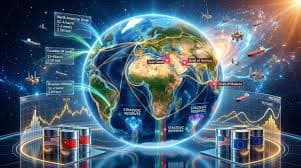
How Middle East tensions are altering sea routes, insurance premiums and fuel volatility
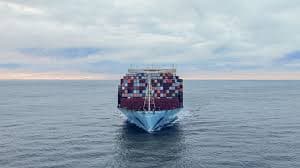
Since early March 2026 several container lines and tanker operators have opted for Cape of Good Hope transits instead of the Suez–Red Sea corridor, adding up to two weeks to some sailings and increasing bunker consumption by an estimated 15–25% on affected legs.

Red Sea hazards push up sea transit times, insurance premiums and freight bills
Container services diverting around the Cape or making longer detours are adding measurable days to Asia–Europe schedules, raising bunker consumption and creating extra port calls that translate directly into higher landed costs and scheduling gaps in supply chains.

How Gulf-region conflict is translating into higher fuel, freight and supply-chain pressure
Rising crude prices from the Gulf region conflict have an immediate pass-through effect on transportation costs across road, rail, sea and air.

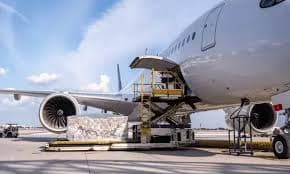
Airfreight Strain: 21% of Global Cargo Volumes Disrupted, Critical Lanes Impacted
Air freight capacity on major corridors — notably Asia–Europe, trans‑Pacific and routes via the Middle East hubs — has contracted, with industry specialists estimating about a 21% reduction in accessible global cargo volumes following the recent US–Iran tensions.

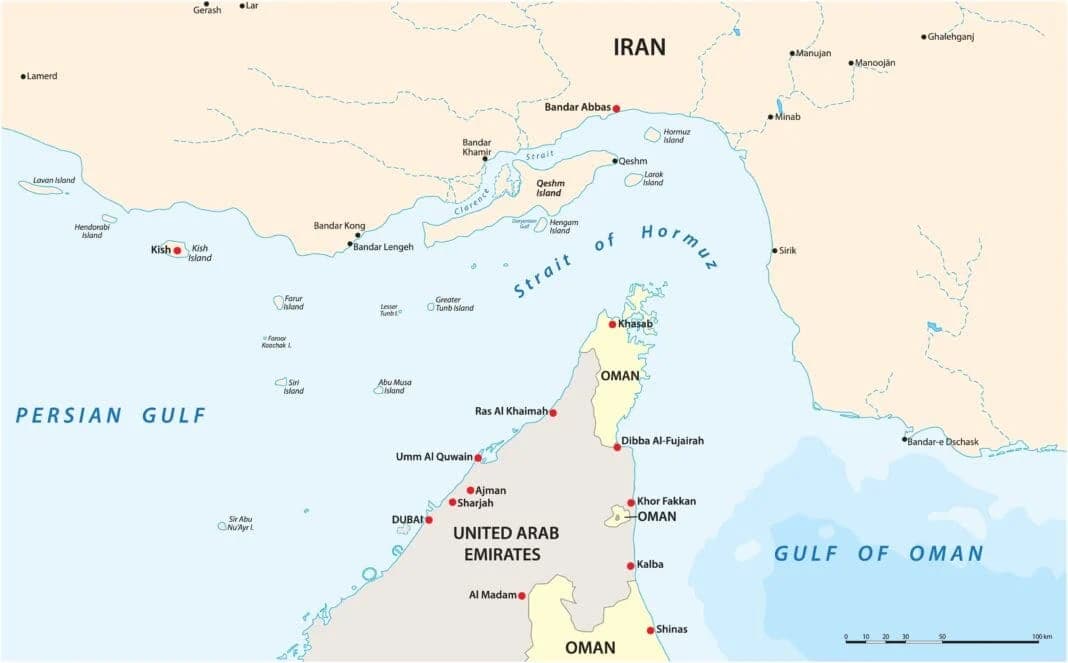
Shipping lines are rerouting vessels away from the Strait of Hormuz and the Red Sea, adding days to voyages, increasing bunker consumption, and driving up spot and contract freight rates for India’s import-export flows.

How a Strait of Hormuz Disruption Cascades Through Global Container Networks
About 132 container vessels carrying roughly 450,000 TEU were reported immobilized around the Strait of Hormuz after February 28, representing ~1.4% of the global container fleet, but impacting nearly 10% of deployed loops once broken rotations and service strings are counted.

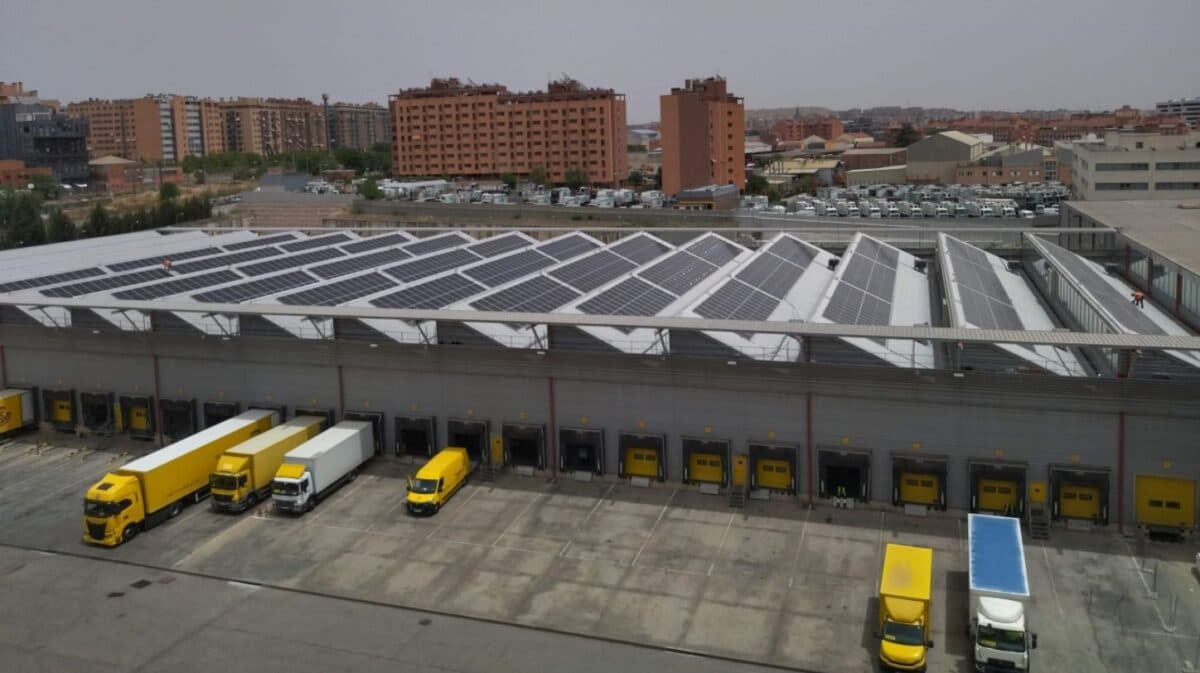
Correos is deploying five new self-consumption solar photovoltaic systems at major Automated Treatment Centres (CTAs) in Barcelona, Alicante, Valencia and Seville, with capacities ranging from 93.74 kWp to 528 kWp and an expected average generation covering around 22% of each site’s electricity use.

Redwood strengthens Mexico gateway with EELCO takeover and new Port of Laredo capacity
Redwood Logistics has integrated EELCO, bringing licensed customs brokerage, Foreign‑Trade Zone (FTZ) warehousing and a 250,000ft warehouse at the Port of Laredo into its Mexico‑focused platform.

Weekly U.S. rail snapshot: carloads climb while intermodal softens
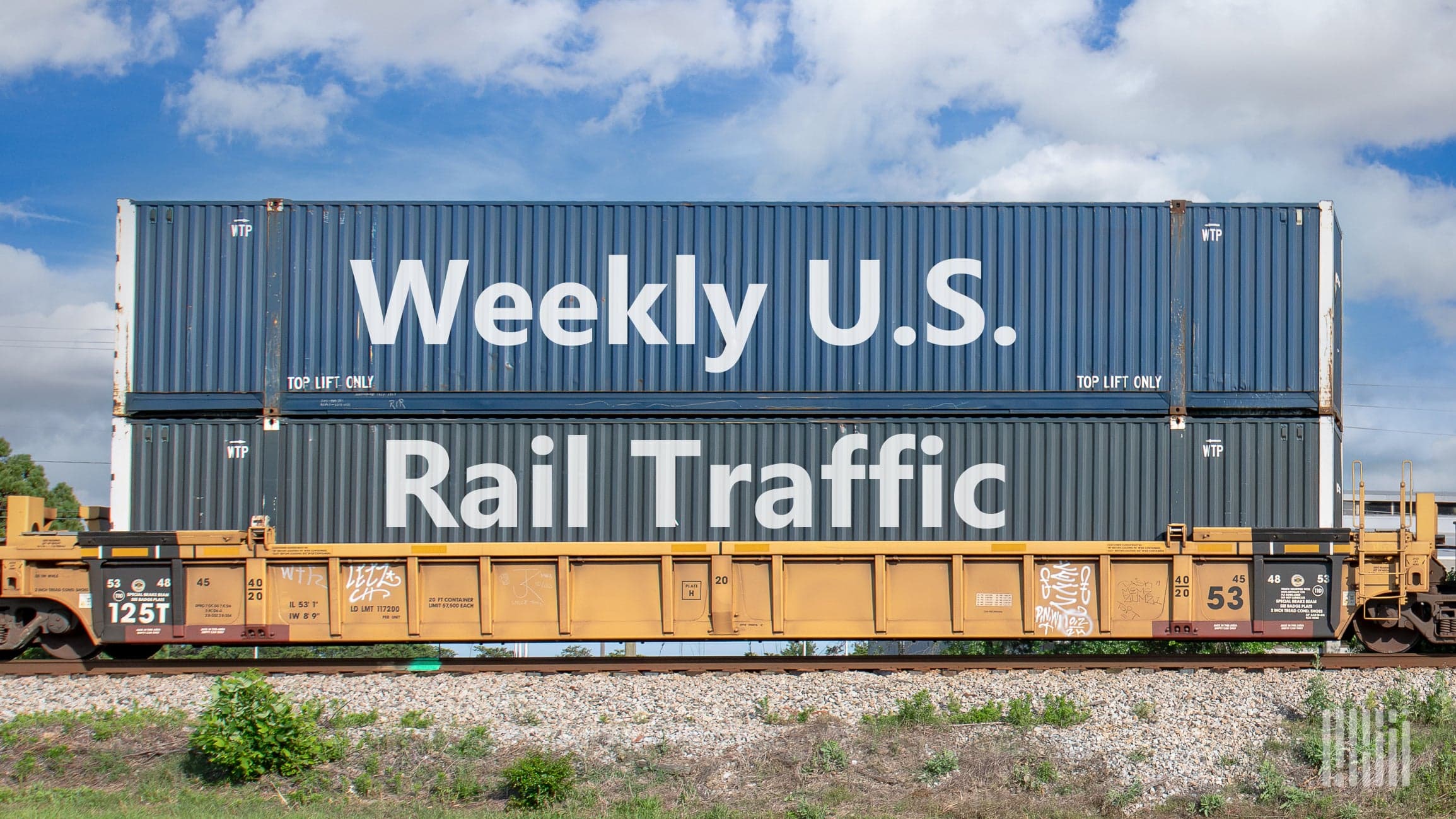
For the week ending Feb. 28, U.S. Class I railroads reported a total of 516,729 carloads and intermodal units, a 1.6% increase year-over-year, with 238,131 carloads (up 6.9%) and 278,598 intermodal containers and trailers (down 2.5%). Grain volumes surged by 20% versus the same week in 2025, while petroleum and related products rose 14.7%, chemicals 8.6%, and metallic ores and minerals 8.4% — all helping to tilt weekly gains toward carload traffic. Commodity mix and weekly movers The week’s headline is simple: strength in bulk and commodity carloads, weakness in intermodal. That carries a downstream effect on freight networks — terminals see different dwell patterns, drayage demand shifts,

Redwood Logistics acquires EELCO to boost Redwood Mexico’s customs, FTZ and border operations
Redwood Logistics has acquired EELCO, bringing a 250,000‑square‑foot warehouse and Foreign‑Trade Zone (FTZ) capability in Laredo under Redwood Mexico and adding licensed customs brokerage operations on both sides of the U.S.–Mexico border.

How vibe coding and AI-native startups are reshaping trucking, insurance and logistics economics
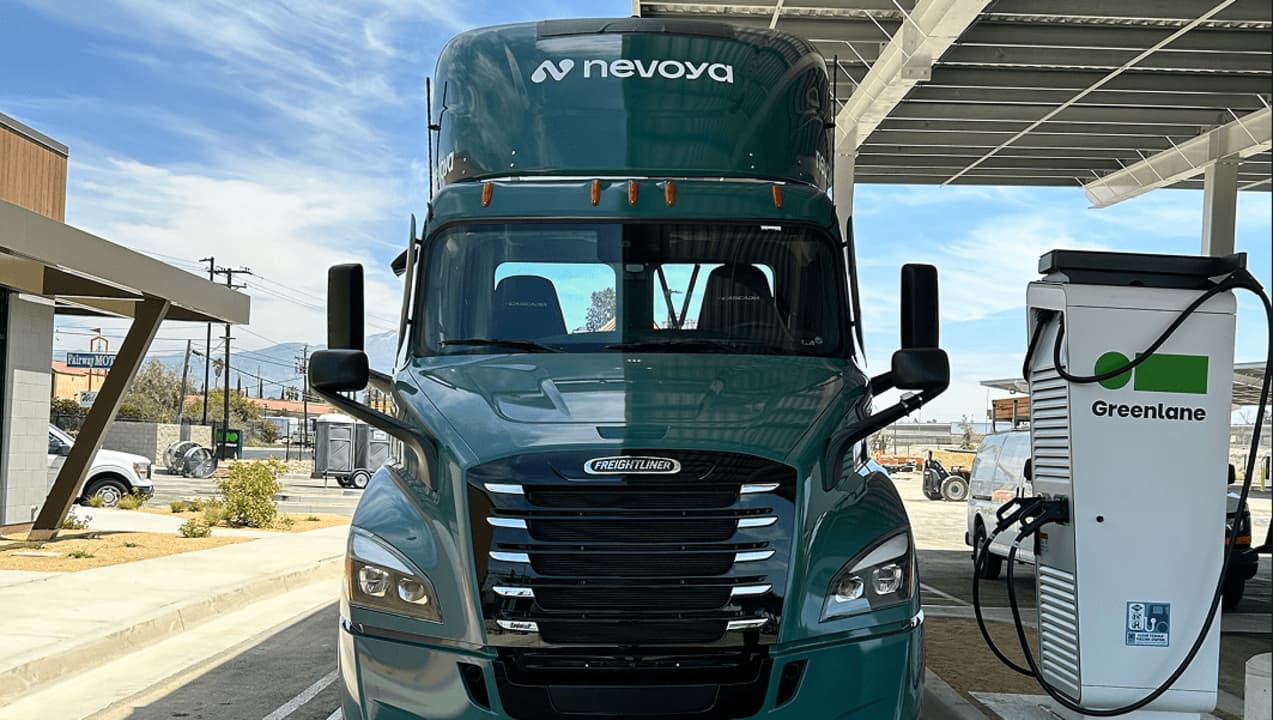
Nevoya’s EV-optimized trucking approach cuts per-mile operating expense by converting a variable diesel cost base into a largely fixed capital cost with Tesla Semis, forcing operators to prioritize asset utilization and continuous driver rotations to lower unit costs.

March 2026 State of the Industry Overview (in partnership with Ryder)
Winter Storm Fern delivered the sharpest operational shock to North American trucking since the COVID era: rejection rates spiked and spot rates trended higher across multiple lanes, with the Midwest showing the most acute capacity tightness while the West Coast remained relatively insulated.