アプリを入手


著者
アレクサンドラ・ブレイクは、国境を越えて商品を移動させる企業向けの通関コンプライアンスおよび貿易書類作成について執筆しています。彼女のガイドは、輸入規則や関税免除プログラム、製品安全および梱包要件、貨物分類および重量申告を網羅しており、これらはロジスティクスチームが取るべきステップごとに分解されています。

Warehouse Workers Demand Better Technology - New Lucas Systems Voice of the Warehouse Worker Study
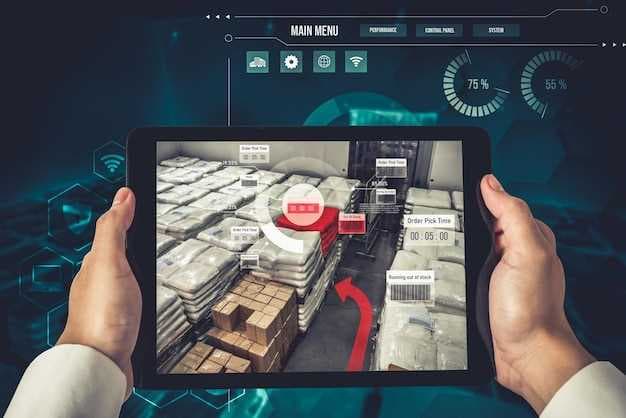
Implement voice-directed picking now to cut walking by about 25% and save 5-10 minutes per shift while keeping accurate picks at 98%. Survey results show partnered solutions with atlas, samsara , and xchange deliver real-time updates to operators, bridges between planning and execution, and clearer delivery routes. This applies to all shifts, not only peak periods. In concrete terms, the study finds delivery accuracy at 98% after adoption, with change in task flow to reduce walking time by 20-25% and shorten pick times. A standardized form for incident reports and shared sheets for daily planning keep teams aligned and give managers reliable week-over-week updates , not only on the floor

The 10 Biggest Problems in Ecommerce and Why Brands Can't Solve Them
Choose a focused 3‑problem target and implement a 90‑day plan with two‑week sprints to drive measurable outcomes for your business. Map friction points along the checkout funnel, seek fixes that deliver a quick win, and link each change to metrics like conversion rate, average order value, and repeat purchases. Cart abandonment sits around 60–70% in ecommerce; even small changes lift revenue. Focus on guest checkout, saved payments, and streamlined forms to uplift most segments. If you can move enough shoppers to complete orders, you’ll see resulting improvements in margins and loyalty. Use live dashboards and sharing of findings across teams. Present forecasts for the next sprint and

Start with these questions to quickly gauge fit and set a practical performance baseline for your team. Focus on delivery reliability, responsiveness, and the ability to operate at scale across peak periods, while maintaining safety and compliance. A focused conversation saves time in later meetings and yields sharper, more actionable insight s. Ask how they meet regulations and keep a record of compliance. Probe hazardous materials handling, incident response, and the training program that ensures staff safety. Look for a clear email cadence and a predictable meeting schedule to keep you informed and able to escalate quickly. Evaluate performance with concrete data: on-time delivery rate,

Amazon、Googleショッピング広告から撤退 - ビジネスへの影響と対応策
AmazonがGoogleショッピング広告から撤退、広告主の露出を再構築。CPC、チャネルミックスへの影響、予算調整、トラッキング、テストの実践的なステップを解説します。

Warehouse Automation Trends 2025 and Beyond - What to Expect
Start with an early pilot that pairs robots with wearable devices for pickers. This move can drive a 25–40% reduction in cycle time and a 15–25% drop in picking errors within just a few weeks, with concrete targets you can verify in a store or small network. Track usability for users on the floor and set a 90-day checkpoint to decide on expansion. Build a modular automation stack that covers pallet handling and sorting lines while forming reliable networks across shifts. Start with one pilot line and a shared support model so operators from different departments can contribute feedback. unlike rigid, proprietary setups, modular components let you upgrade periods without interrupting ongoing

Agents and Conflicting Interests - Aligning Goals and Transparency
Start today with a formal transparency policy that assigns clear responsibilities, discloses incentives, and documents decision rationales. This approach keeps goals aligned across principals and agents, reduces ambiguity, and prevents avoidable damage to outcomes. Map the state of alignment with a simple framework: list main objectives, material outcomes, and lading risks; review weekly with stakeholders. The plan keeps assigned resources in focus and safeguards possession of critical data. Once a non-asset objective appears, re-balance resources to avoid misalignment. To seize opportunities and limit conflict, create a formal escalation path: when conflicts arise, the responsible party

AI-Powered Demand Sensing for FB - Improve Forecasting and Optimize Supply Chain Planning
Start a limited neural demand-sensing pilot now across FB's primary chain node and measure impact immediately. Feed real-time sales, inventory levels, promotions, and weather data to the model to predict the next 4–8 weeks of demand and adjust replenishment plans. Compare the estimated forecast accuracy against the current baseline to quantify gains in service and reduce stockouts. Capture the context of observed changes, especially for weather-sensitive SKUs, to inform the stage rollout. Anchor the method in literature on demand sensing and assemble a data fabric that blends internal signals with external context. For a large SKU set, segment by weather-sensitivity and sourcing complexity;
TMS Build vs Buy - How to Decide Between Building or Buying a Transportation Management System
Recommendation: Build when your warehouse and logistics workflows require long-term tailoring, and you can localize processes so they fit your specific operations. If cant meet these demands with standard tools, proceed to a custom plan; otherwise buy to accelerate value and reduce risk with proven services and external integrations. With a build, design an API-first architecture that can integrate with your transportation network, warehouse systems, and external carriers. Focus on modular modules to handle order planning, rate shopping, route optimization, and carrier audit. Create a roadmap that limits scope creep and emphasizes long-term maintainability, including specifics such as data

5G Technology in Transportation - Revolutionizing Railways, Trains, and Airports
5G-enabled edge computing can dramatically improve safety and reliability in rail and air hubs. In rail, intelligent sensors on track and rolling stock feed wide telemetry to local edge nodes, delivering URLLC and low-latency dispatch commands with end-to-end times that can drop to 1–4 ms in controlled networks and stay under tens of milliseconds under typical loads. This makes decision cycles faster and reduces human error, so employees and personnel can focus on critical tasks. In railways, trains become more autonomous as remote diagnostics and predictive maintenance run on edge-to-cloud processes . The result is fewer unscheduled outages and more consistent timetables; diverting

A Transportation Management System or Managed Transportation Services - Why Not Both?
Adopt a hybrid model: run a Transportation Management System and partner with Managed Transportation Services to gain maximum benefits. This approach delivers dedicated visibility across multi-leg networks, supports capacity planning, and enables rapid responses to rising demand. A digital core consolidates orders and builds a single source of truth for planning and execution. Set up a regular audit cadence to quantify savings, and align stakeholders around shared goals. Increasingly, organizations seek solutions that blend control with outsourcing. Across operations, leverage innovative data integrations to improve utilization and reduce waste. A hybrid model supports capacity

ECommerce Fulfillment - Methods, Processes &
Recommendation: Map the end-to-end fulfillment flow from order capture to delivery and set a single KPI dashboard that ties profitability to each step. Track indicators such as on-time rate, picking accuracy, and cost per package, and use forecasting to align inventory with demand. Clarify the role of fulfillment managers and uppers: they rely on data from the core areas –receiving, storage, picking, packing, and shipping–and push careful, cross-functional strategies built on trust across teams. Define ownership and escalation paths to ensure decisions move quickly without guesswork. Adopt concrete fulfillment methods that fit scale and product mix: in-house pick-and-pack for high-margin

Why CPO and CSCO Are Smarter Together - Aligning Product and Supply Chain Leadership
Coordinate a shared quarterly planning session between the CPO and CSCO to align product roadmaps with supplier commitments, attaching explicit joint KPIs and a single backlog. This collaboration keeps packaged hardware launches on track and reduced last-minute changes, delivering faster value to customers. In dallas centers, executives oversee cross-functional governance. Noted examples from ciscos show that aligning a product launch calendar with supplier schedules reduces shortages and the costs tied to missed deadlines. A session where the CPO, CSCO, and an engineer lead the technical interface with suppliers serves customers faster when data is common and decision rights concentrate in
