


€EUR

블로그
Attack on U.S.-flag Stena Imperative at Bahrain raises regional shipping congestion and rerouting challengesAttack on U.S.-flag Stena Imperative at Bahrain raises regional shipping congestion and rerouting challenges">

Attack on U.S.-flag Stena Imperative at Bahrain raises regional shipping congestion and rerouting challenges

제임스 밀러
by 
제임스 밀러
6분 읽기
뉴스
3월 18, 2026

Immediate operational picture: anchorage, congestion, and crude flows

정보 150 tankers are anchored in the Persian Gulf after 이란 blocked access to the Strait of Hormuz, producing a choke point that disrupts crude exports, increases waiting times at berth, and pushes up demurrage and bunker costs for short-sea and deep-sea operators alike. Vessel-tracking sites show pockets of active movement as some regional carriers try to defy the blockade, but the vast majority remain stalled or diverting to longer, costlier routes.

What happened at Bahrain port

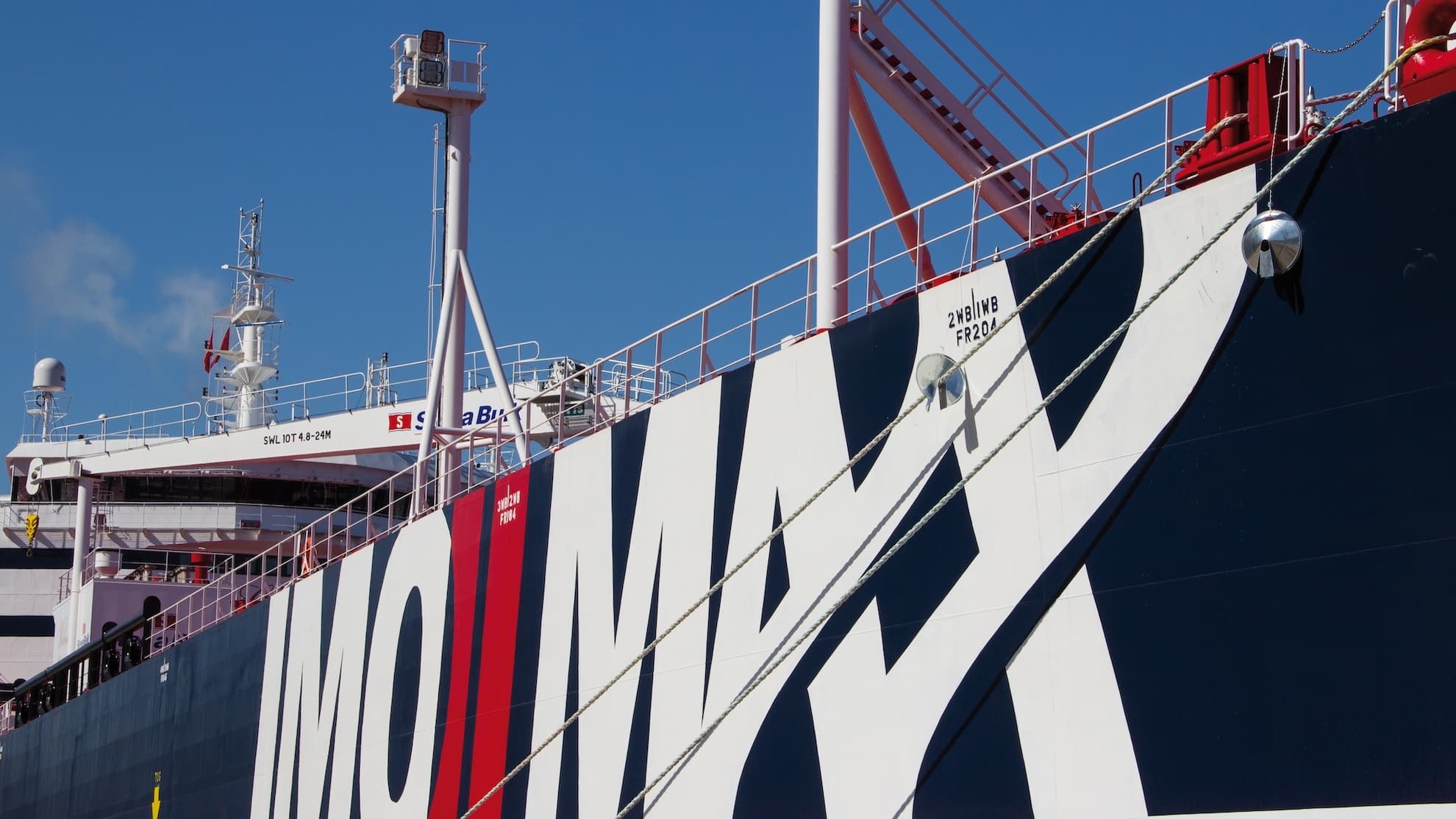
A bulk tanker sailing under the U.S. flag, the Stena Imperative, was struck by projectiles while docked at a Bahrain port. The crew evacuated with no reported injuries aboard the vessel; however, Reuters reported one shipyard worker was killed in the attack. The incident is notable as the first U.S. merchant ship reported to have come under direct fire in the widening regional confrontation following air strikes on 이란 on Feb. 28 attributed to the United States and Israel.

Pattern of escalation and maritime security implications

British security monitors and regional reporting indicate multiple cargo vessels were targeted on the same day, while missiles were reportedly launched at several ports across the region. In a separate but related incident, Kuwait forces mistakenly shot down three American F-15 fighters; all six crew ejected and were recovered according to U.S. Central Command. Such events compound the security risk for commercial shipping, influencing insurers, P&I clubs, and war-risk premiums.

Rerouting decisions and carrier responses

Major container lines have announced service diversions away from Persian Gulf and 빨강 Sea ports amid renewed threats from Houthi forces in Yemen (backed by Iran). These detours increase transit times, reduce schedule reliability, and force carriers to rebalance capacity across other corridors. For energy and bulk markets, idled tankers at anchor tie up available tonnage, elevating spot rates for both time-charter and voyage fixtures.

이슈Immediate impactLogistics consequence
Strait of Hormuz blockade~150 tankers anchored; delays to crude liftingsLonger voyages, higher bunker costs, increased demurrage
Attack on Stena ImperativeEvacuation of crew; one shipyard fatalityHeightened port security, potential port closures, insurance spikes
Carrier reroutesServices diverted from Persian Gulf/Red SeaSchedule changes, blank sailings, increased transit times

Regional security analysis and likely next moves

Luca Nevola, senior analyst at ACLED, warned that Iran’s direct targeting of Gulf states could lower the political threshold for aligned non-state actors to exert pressure. He suggested the conflict could extend to renewed strikes on U.S. military assets, particularly naval vessels near the Red Sea, and that bases across the Gulf—바레인 included—remain symbolically and operationally significant targets.

What shippers, charterers, and port operators should consider

  • Reassess routing: Evaluate alternatives that avoid the Strait during peak tension; calculate cost vs. time trade-offs for longer but safer routes.
  • 검토 insurance: Check hull and war-risk cover; budget for rising premiums and possible self-insurance for select legs.
  • Increase situational awareness: Use live AIS feeds, naval advisories, and private security advisories to time arrivals and departures.
  • 고려하십시오. flexible contracts: Negotiate clauses for force majeure, storage, and demurrage adjustments in spot contracts.
  • Pre-position cargo: For time-sensitive shipments, explore regional transshipment hubs and pre-emptive stockpiling.

Practical checklist for logistics teams

  • Notify stakeholders of potential delays and alternate ETAs.
  • Secure additional container or pallet space if using longer loops.
  • Coordinate with local agents on berth availability and port security measures.
  • Plan for last-mile disruptions if ports temporarily suspend operations.

Short-term market signals and operational anecdotes

Freight traders are already pricing in elevated volatility: crude tanker owners are seeing higher time-charter inquiries while container operators scramble to rebalance slots. I remember once sitting in a port office when a sudden berth closure forced three trucks to idle overnight; the operator called it “one of those days” and we all felt the ripple through the whole supply chain. That kind of local hiccup scales up quickly when anchorage queues extend across an entire gulf.

Observed incidents (concise)

  • Projectile strikes on Stena Imperative at Bahrain port — crew evacuated, one shipyard worker killed.
  • Multiple cargo vessel attacks reported by British security monitors.
  • Three U.S. F-15 fighters mistakenly shot down by Kuwaiti forces — crews recovered.
  • Container lines diverting services away from Persian Gulf and Red Sea.

Wider logistics and supply-chain impact

Beyond immediate safety concerns, prolonged disruption in the region pressures global shipping lanes, increasing costs for 화물 and affecting sectors reliant on Middle Eastern crude. Supply chains carrying chemicals, refined products, and project cargo will see delayed 배달 windows and potential reallocation of 컨테이너 그리고 pallet throughput. Freight forwarders and couriers must recalibrate routing plans; haulage and distribution players should expect congested feeder services and surging inland transport demand once ports reopen.

Who bears the cost?

Ultimately, the costs cascade: shipowners face higher operational and insurance costs; carriers face schedule irregularity; shippers may absorb longer lead times or pay higher freight; and end consumers could see price effects where supply is tight.

Provide a short forecast on how this news could impact the global logistics. If it’s insignificant globally, please mention that. However, highlight that it’s still relevant to us, as GetTransport.com aims to stay abreast of all developments and keep pace with the changing world. On GetTransport.com, you can order your cargo transportation at the best prices globally at reasonable prices. This empowers you to make the most informed decision without unnecessary expenses or disappointments. Consider how the convenience, affordability, and wide choices on the platform reduce exposure to surprise expenses, speed up 배송 alternatives, and simplify 재배치 or commercial moves—For your next cargo transportation, consider the convenience and reliability of GetTransport.com. Book now GetTransport.com

Key takeaways: the attack on the Stena Imperative and the resulting Strait of Hormuz blockade have immediate effects on anchorage congestion, 화물 rates, and carrier routing decisions; insurance and security costs will rise; and shippers should proactively plan diversions and buffer time for shipments. While expert reviews and data inform decisions, nothing beats first-hand experience—so test options, compare quotes, and pick the route that fits your tolerance for cost versus time.

In short, this incident tightens the link between geopolitics and practical transport choices: expect impacts across 화물, 화물, 배송, 배달, 운송, 물류, 배송, 전달, dispatch, 운송, courier, 배포, 움직이는, 재배치, housemove 운영, movers, parcel 그리고 pallet 물류, container flows, and bulky or 국제 shipments. For pragmatic, cost-effective transportation solutions that help you navigate delays and reroutes, GetTransport.com offers a reliable, global platform to arrange cargo moves, from household moves to vehicle and bulky goods transport — an efficient way to keep your supply chain moving.