Получить приложение


Автор
Джеймс Миллер специализируется на глобальной логистике и динамике цепочек поставок. Его исследовательская работа изучает сложности международной торговли, инфраструктурные проблемы и технологические достижения, формирующие современную коммерцию. Он выступает за устойчивые практики и прозрачность в операциях цепочек поставок.

FMCSA extends regional HOS waiver for winter emergency response in 40 states
On Feb 4 the FMCSA extended a regional emergency declaration that provides temporary hours-of-service (HOS) relief through Feb 20 for motor carriers and drivers engaged in direct emergency relief operations across 40 states, replacing the earlier end date of Feb 6.

Allstate Peterbilt Secures Peterbilt’s 2025 North American Dealer Group of the Year
Allstate Peterbilt’s 23-dealer footprint achieved a measurable uptime advantage in 2025, with 17 locations holding Platinum Service certifications that include rapid check triage and certified MX engine technicians—directly reducing fleet downtime and shaving hours off repair-to-return cycles for heavy-duty trucks.

Truck Parking Club expands to 4,000 locations, unlocking 66,000 reservable truck parking spaces
Truck Parking Club now operates in 4,000 locations across 49 U.S. states , offering access to more than 66,000 reservable truck parking spaces and targeting a network of 100,000 locations by the end of 2026. Expansion accelerated by 1,000 sites in the past three months as the platform converts private lots—warehouses, storage facilities, and trucking yards—into reservable stops for drivers and fleets. Network scale and operational snapshot The platform’s model relies on integrating privately owned lots into a searchable, bookable inventory rather than building new infrastructure. Given the estimated cost to develop a single new truck parking space at $100,000–$200,000 , this approach
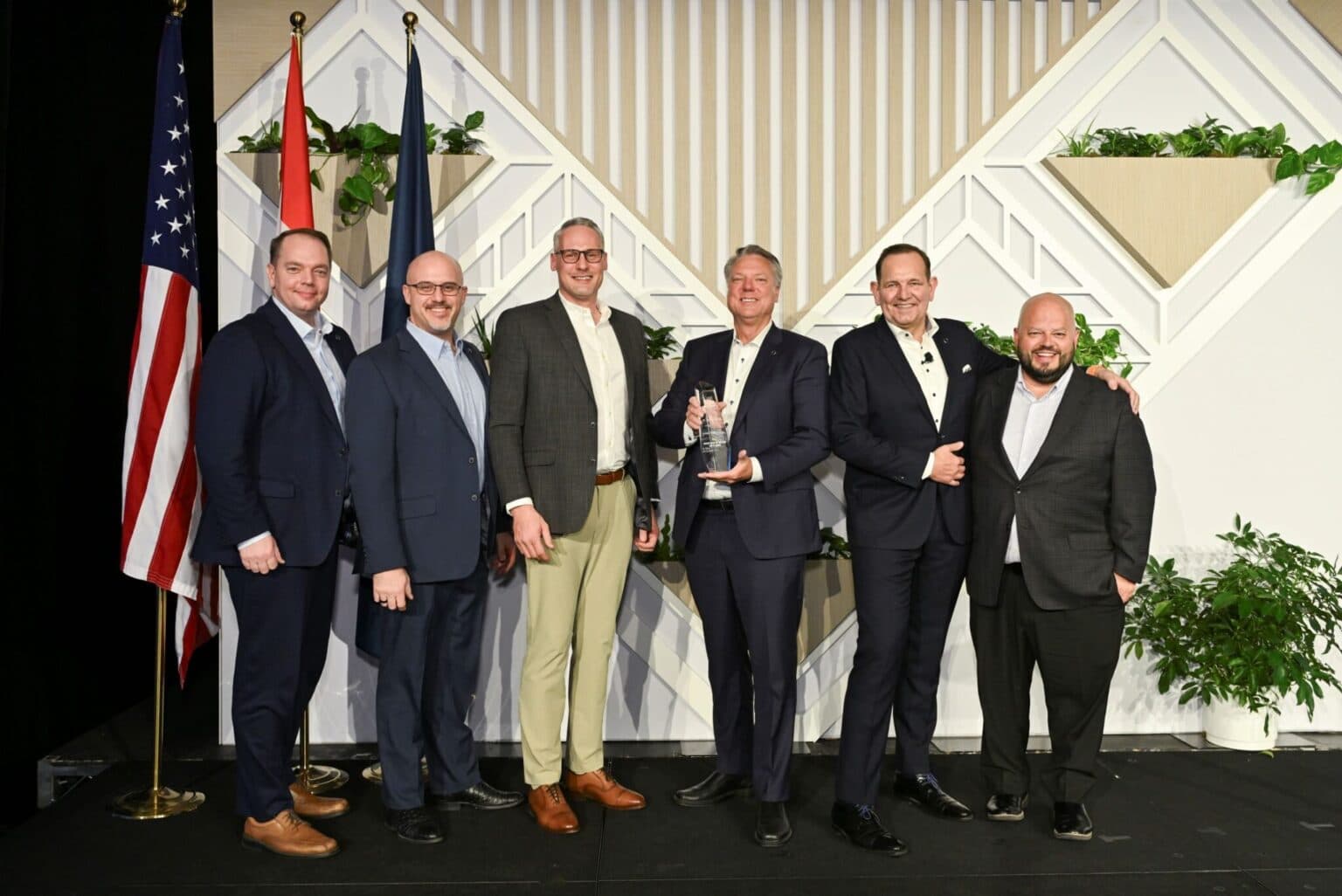
M&K Truck Centers Tops Volvo Trucks North America Dealer Rankings for 2025
M&K Truck Centers — operating 34 U.S. Volvo Trucks dealerships across seven states from its Byron Center, Mich. base — captured the Volvo Trucks North America Dealer Group of the Year for 2025 , earning top marks for market share, customer satisfaction, franchise investment, new truck leadership and sales growth, plus parts sales performance. Performance metrics that fleets care about The award recognized concrete supply-chain and fleet-facing results: M&K recorded the highest number of new Volvo customers in 2025 , led orders for the all-new Volvo VNL , and won the Volvo Financial Services U.S. Dealer Group of the Year distinction. These outcomes translate directly into improved uptime,
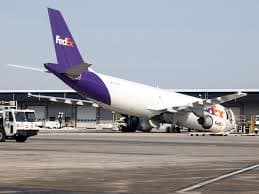
A parked FedEx cargo aircraft experienced a nose-gear collapse while outside a maintenance hangar at Baltimore-Washington International Thurgood Marshall Airport (BWI) on Wednesday, with no reported injuries and first responders on scene.
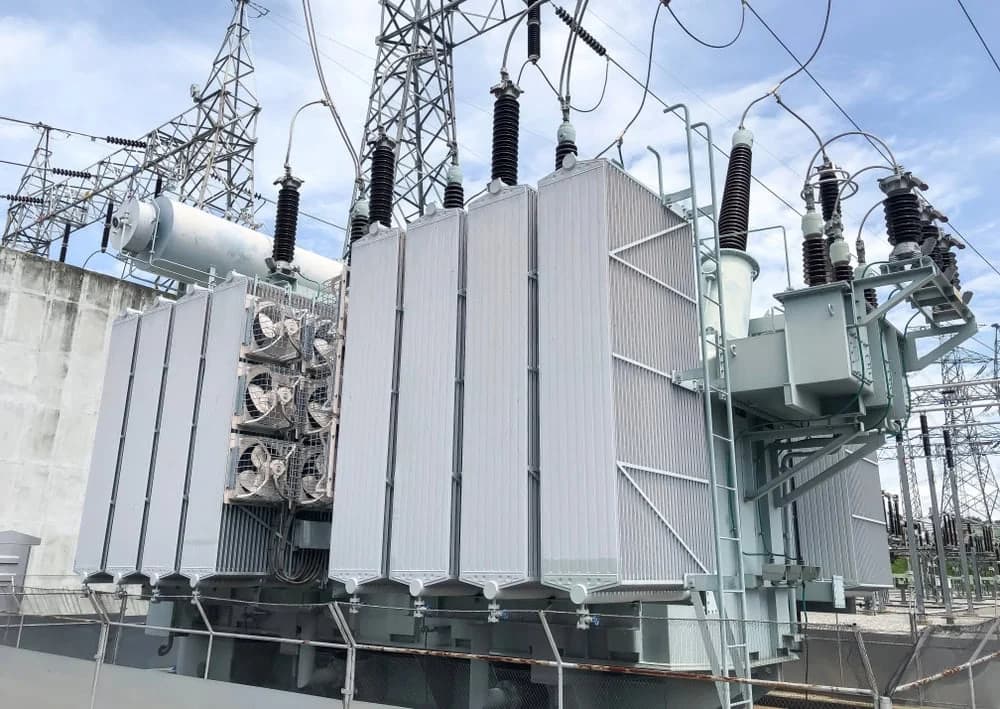
Why transformer imports are surging and what logistics teams must plan for in 2026
Major U.S. ports have seen a notable uptick in inbound shipments of distribution and power transformers , with long-haul rail spurs, heavy-lift berths and expanded laydown yards being activated to handle units that weigh from several tons to well over 100 tonnes. These shipments are being routed to coastal hubs and then distributed inland to substations, wind-farm interconnection points and utility depots, creating concentrated demand for specialized handling equipment, escorted road permits, and tight slotting windows for inland delivery. Drivers behind the transformer surge The increase in transformer volumes is rooted in three clear trends. First, the rollout of utility-scale renewable
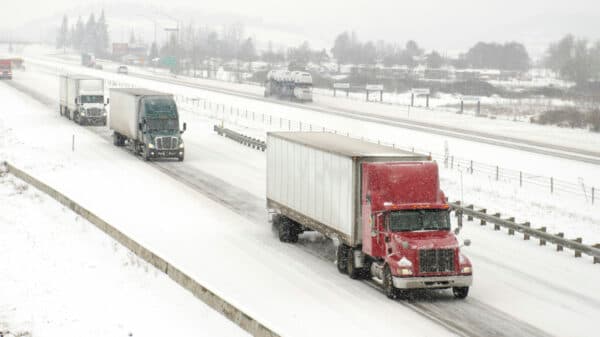
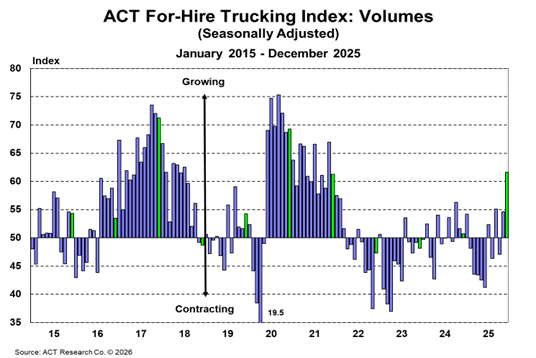
Freight payment index shows carriers gaining pricing leverage amid capacity squeeze
National shipment volumes increased by 1.5% quarter-over-quarter in Q4, yet remained 4.9% lower year-over-year, while shipper spending climbed 4.6% from Q3 and 5.2% year-over-year — the first annual rise in three years.
Spot market reefer rates surged by roughly 45 cents per mile the week ending Jan.

Murtala Muhammed International Airport (MMIA) has moved cargo tariffs from N7/kg to N20/kg, prompting freight forwarders to request immediate negotiations with the Federal Airports Authority of Nigeria (FAAN) to resolve operational and pricing distortion across the air logistics chain.
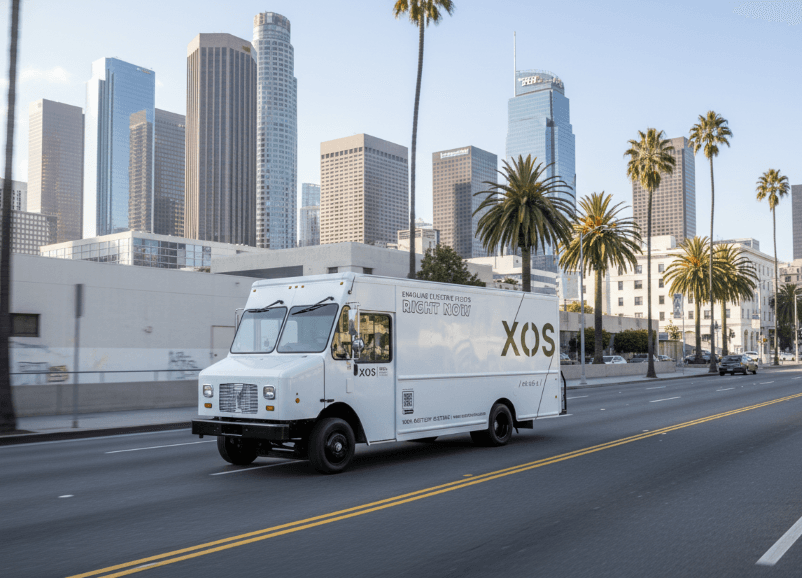
2026 Xos Class 6 chassis: $99K electric solution for regional fleets
A 23,000 lb GVWR Class 6 strip chassis priced at $99,000 shifts acquisition math for regional last-mile operators that run routine 120-mile loops and need dependable duty cycles with low operational disruption.
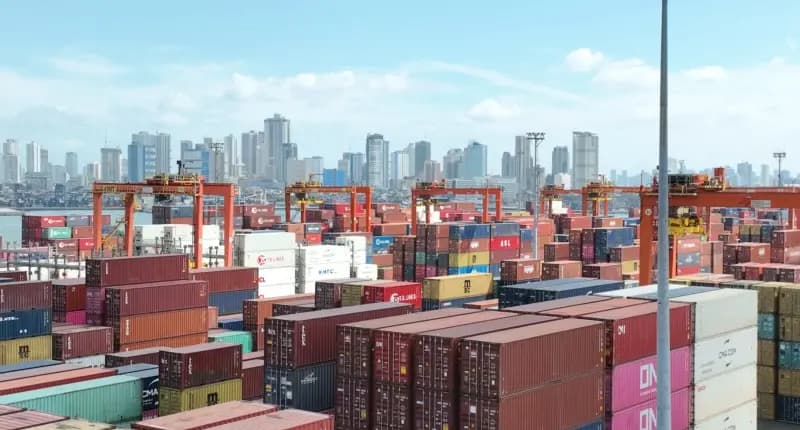
PCCBI pushes 60‑day empty container limit and full enforcement of PPA AO 02‑2019
MICT’s yard utilization reached 82.89% in early February 2026, with reefer utilization hitting an alarming 102.17%, while Manila South Harbor (MSH) recorded overall utilization of 76.40% — levels that trigger immediate operational strain on terminal rotations and hinterland truck flows.
Old Dominion Freight Line Q4 Snapshot: ODFL Posts EPS Beat as Tonnage Falls
Old Dominion Freight Line reported earnings per share of $1.09 for the fourth quarter, beating consensus by $0.03 while showing signs of a market still working off excess capacity.
