
Alexander Petrunin
遗留归因
此档案按历史作者标签分组。身份和作者身份尚未根据我们当前的编辑流程进行核实。
文章
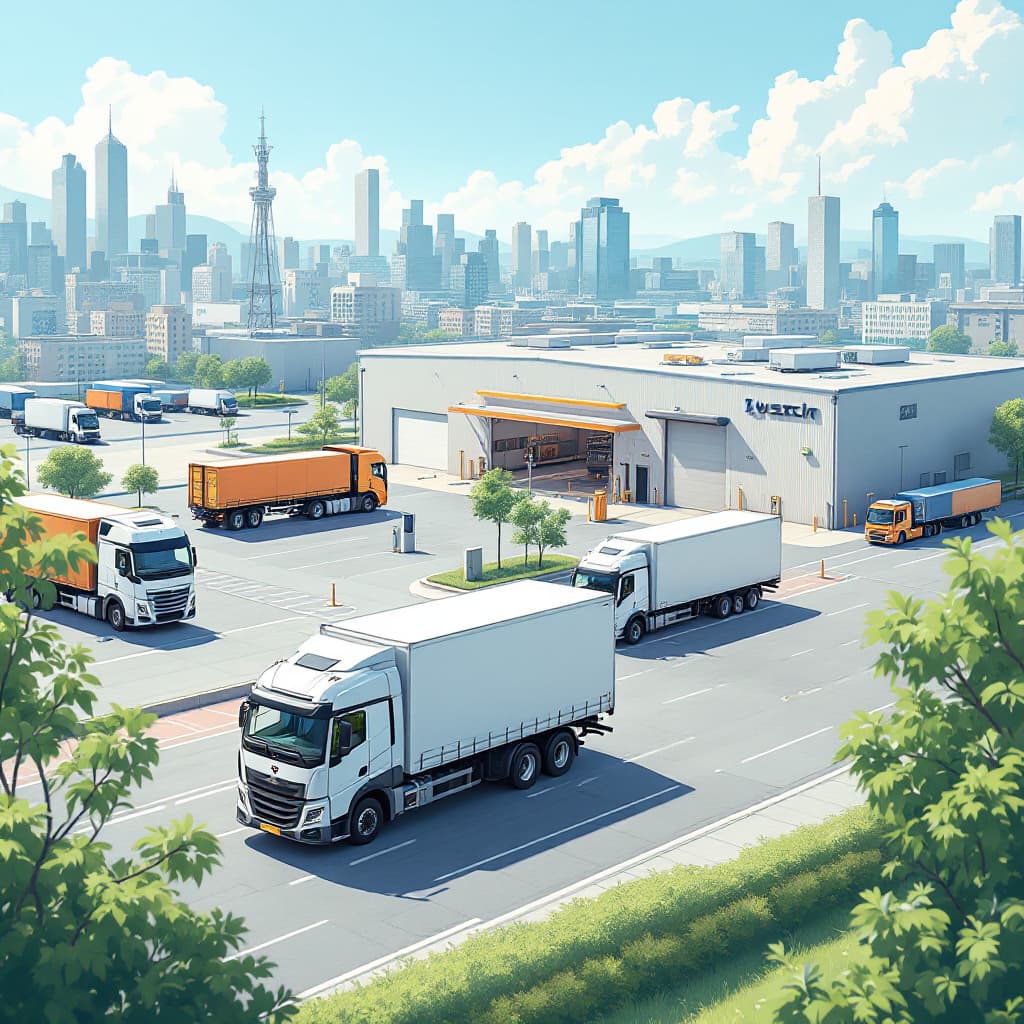
Electric Vehicles in Logistics: The Future of Transportation
Electric vehicles are emerging as a key solution, providing a sustainable and cost-effective future for transportation . Modern logistics faces challenges related to rising fuel costs, tightening environmental regulations, and the need to reduce CO₂ emissions. More companies are transitioning to electric fleets to reduce expenses, improve environmental impact, and comply with new regulatory requirements. Why Are Electric Vehicles Important for Logistics? Environmental Sustainability – EVs reduce greenhouse gas emissions and air pollution. Economic Efficiency – Electricity is cheaper than fuel, and maintenance costs are lower. Regulatory Compliance – Governments enforce strict emission

Impact of COVID-19 on Global Logistics
The impact of COVID-19 on global logistics was profound, disrupting supply chains and forcing businesses to adapt. Lockdowns, travel restrictions, and shifting consumer demand created significant challenges. This article examines how the impact of COVID-19 on global logistics changed industry practices and what strategies companies used to build resilience. Immediate Supply Chain Disruptions At the pandemic’s start, factory shutdowns halted production worldwide. Shortages of essential goods, including medical supplies and PPE, followed. At the same time, e-commerce demand surged, adding pressure to supply networks. The impact of COVID-19 on global logistics became clear as companies

In today's interconnected world, cybersecurity in logistics is a critical concern as the industry increasingly relies on digital technologies to manage complex supply chains. While these advancements enhance efficiency, they also expose companies to significant cybersecurity risks. Protecting sensitive data within the logistics sector is paramount to maintaining operational integrity and customer trust. The Importance of Cybersecurity in Logistics Logistics companies handle vast amounts of sensitive information, including personal customer details, financial records, and proprietary business data. A breach can lead to severe consequences such as financial loss, reputational damage, and
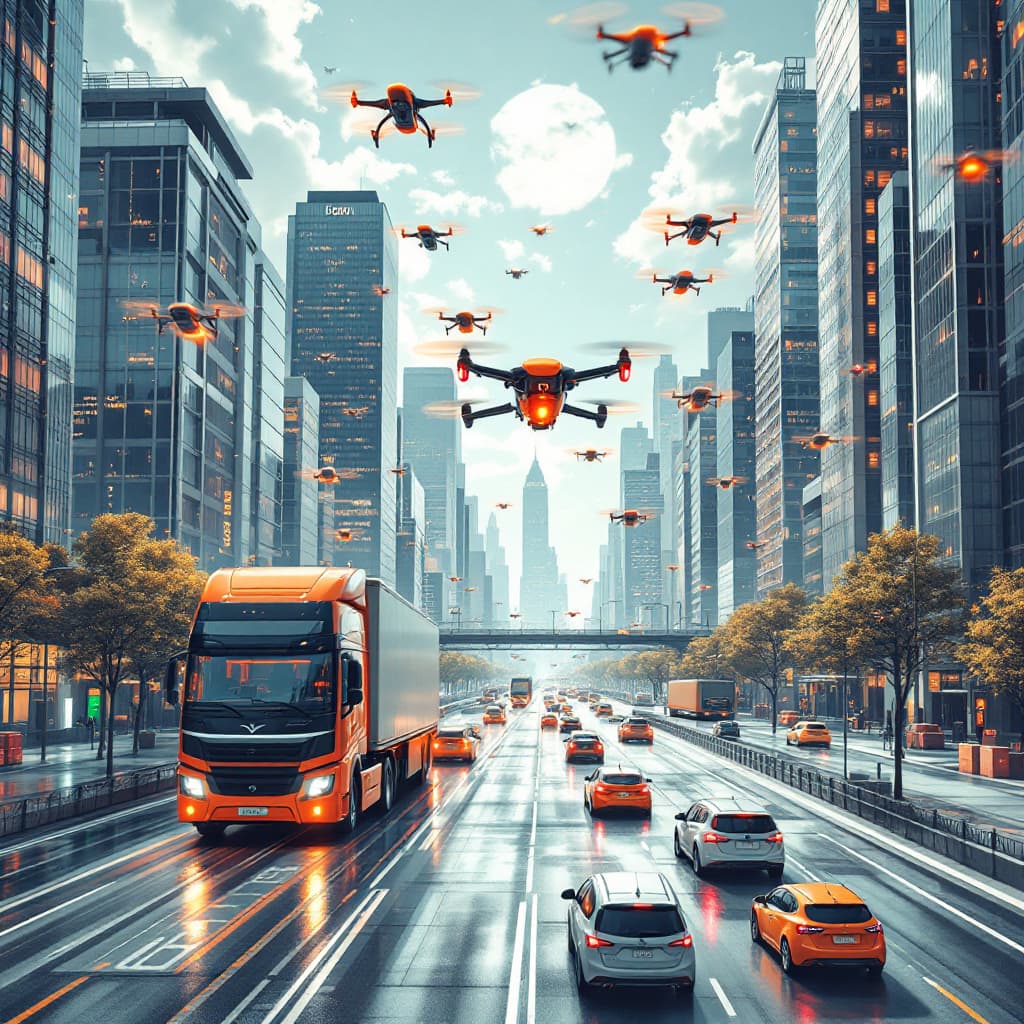
Drones and Autonomous Vehicles in Transportation: Trends
In the 21st century, drones and autonomous vehicles in transportation have transformed mobility, logistics, and urban planning. These technologies improve efficiency, safety, and sustainability while reducing costs and delivery times. This article explores the latest trends, innovations, and challenges in drones and autonomous vehicles in transportation and how they shape mobility’s future. The Role of Drones in Modern Transportation Drones in transportation now serve beyond military applications. They are widely used in logistics, last-mile deliveries, and urban air mobility. Cargo Delivery with Drones Drones in logistics streamline last-mile deliveries. Companies use drone technology to

Big Data in Optimizing Logistics Processes
Enter big data—your new best friend for streamlined operations. In the bustling world of logistics, every second counts. Efficiency and cost-effectiveness are essential. This powerful tool is reshaping how logistics companies function. It enables real-time decisions that enhance supply chain visibility and boost customer satisfaction. Let’s explore how this technology is revolutionizing logistics processes and the incredible benefits it offers. What is Big Data in Logistics? Big data refers to the vast amounts of structured and unstructured information generated from various sources. These include GPS tracking, Internet of Things (IoT) devices, customer transactions, and warehouse
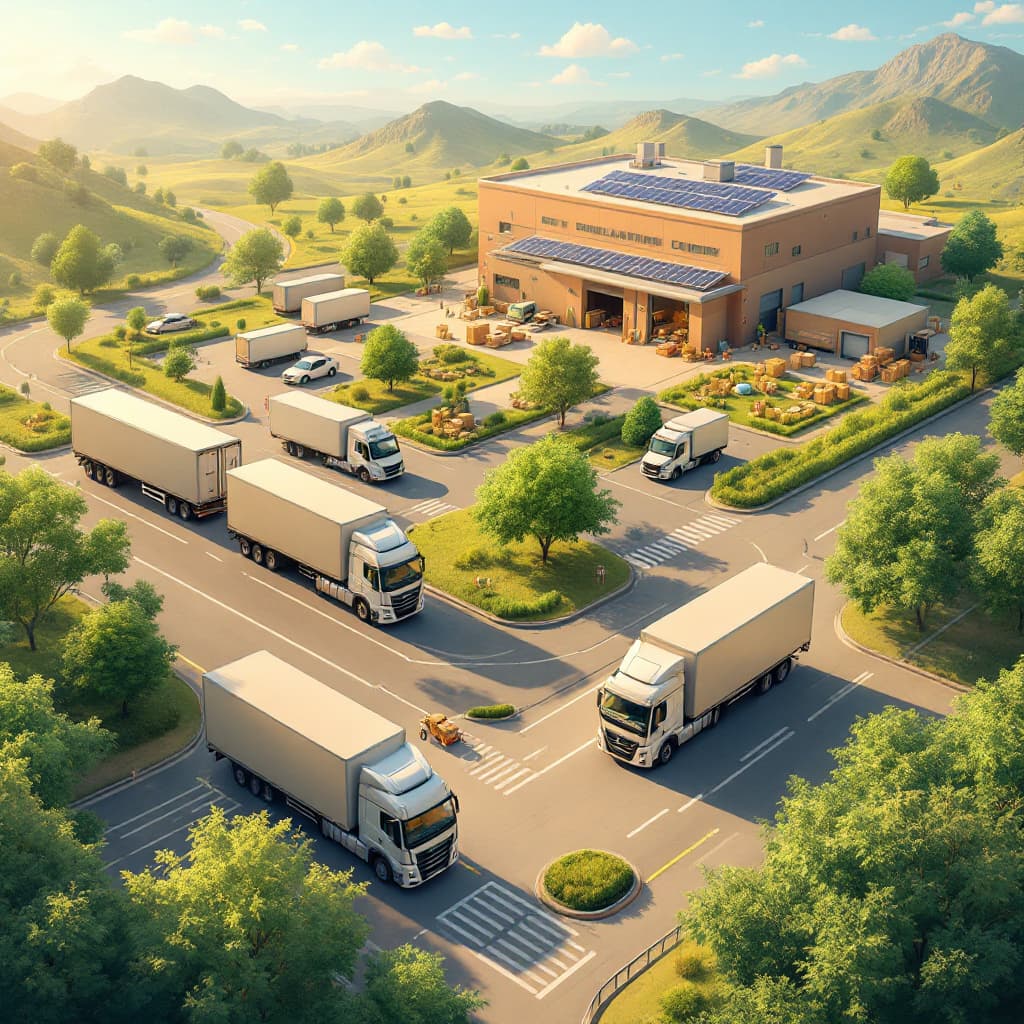
Sustainable Development in Logistics: Care for the Planet
Sustainable development is now a key priority for many industries, including logistics. Companies work to minimize their environmental impact by adopting eco-friendly technologies, optimizing routes, and reducing their carbon footprint. This article explores how logistics companies protect the planet and the role of sustainability in the industry's future. Major Environmental Challenges in Logistics Logistics plays a crucial role in the economy but also harms the environment. Key challenges include: High CO₂ emissions – Freight transport relies on fossil fuels, causing air pollution. Use of non-renewable resources – Many logistics operations depend on materials and fuels that contribute to

How to Use Artificial Intelligence (AI) in Logistics
Artificial Intelligence (AI) is changing the logistics industry. It streamlines operations, cuts costs, and boosts efficiency. By integrating AI into logistics , companies can automate decisions, predict demand, and improve deliveries. Let’s look at how AI enhances logistics and supply chain management. 1. AI in Route Optimization AI systems optimize routes by analyzing real-time data. They consider traffic, weather, and historical trends to find the best delivery paths. Machine learning helps these algorithms adapt quickly, reducing fuel use and delivery times. Companies like Amazon and FedEx use AI to enhance last-mile delivery, ensuring goods arrive on time. 2. Warehouse Automation with
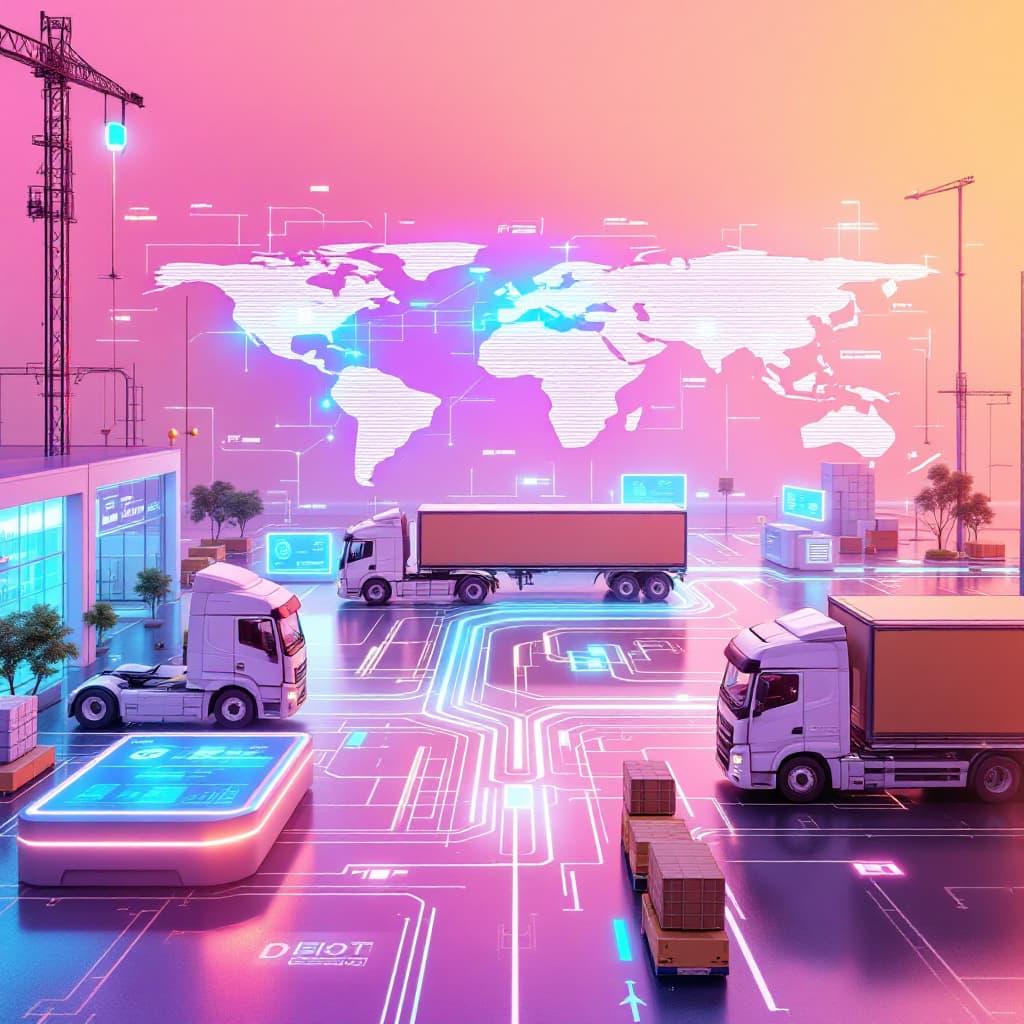
Internet of Things (IoT) in Logistics: How It Works
Modern logistics processes are complex and require speed and accuracy. The Internet of Things (IoT) enhances logistics efficiency by providing continuous monitoring and optimization throughout the supply chain. IoT consists of interconnected devices that transmit data in real time. In logistics, this includes IoT-enabled sensors, GPS trackers, RFID tags, and smart cameras. These tools help companies track the condition and location of goods, manage inventory, and optimize routes. Key Applications of IoT in Logistics Cargo and Transportation Tracking IoT allows companies to monitor the movement of goods in the supply chain. Sensors, GPS trackers, and RFID tags provide information about

Building a Transparent Supply Chain with Blockchain
In today's world, logistics faces many challenges. These include a lack of transparency, the risk of fraud, and the complexity of tracking goods at every stage of delivery. One effective solution to these problems is implementing blockchain technology in supply chain management. Blockchain creates a decentralized and secure accounting system that ensures complete transparency in the supply chain. 1. Principles of Blockchain Operation in Logistics Blockchain technology in supply chain management is a distributed ledger. Information is recorded in immutable entries. Each transaction is verified and stored in a chain of blocks. This process protects data from tampering. In logistics, all
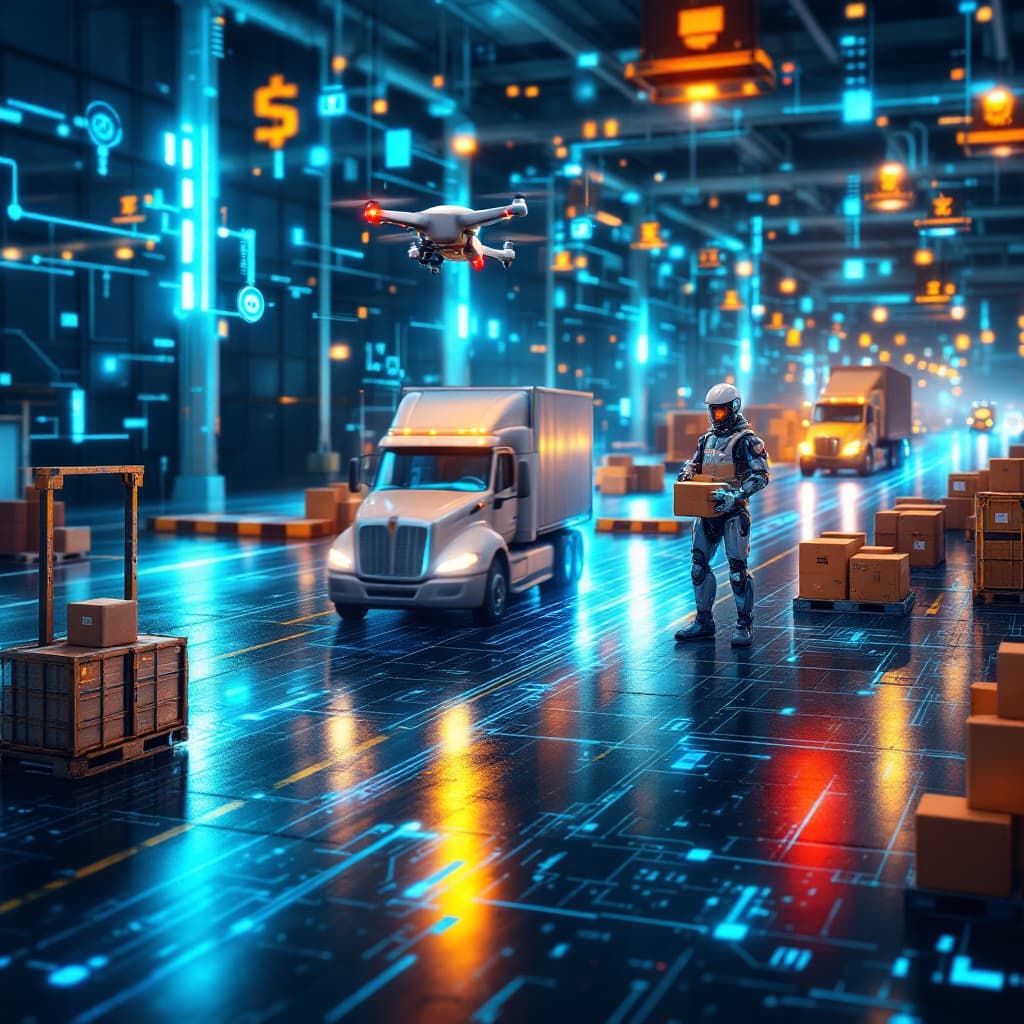
Logistics and Technology: How They Are Interconnected
In today's business landscape, effective logistics is essential. It determines the speed, accuracy, and cost of product delivery. However, technology plays a crucial role in the evolution of logistics. Today, automation, digitalization, and innovative solutions make logistics processes more efficient and flexible. Let’s explore the key technologies that are transforming logistics. 1. Internet of Things (IoT) and Cargo Tracking The Internet of Things (IoT) enables companies to monitor the location and condition of cargo in real time. Sensors installed on vehicles and containers transmit data regarding temperature, humidity, and geolocation. This is particularly important for transporting
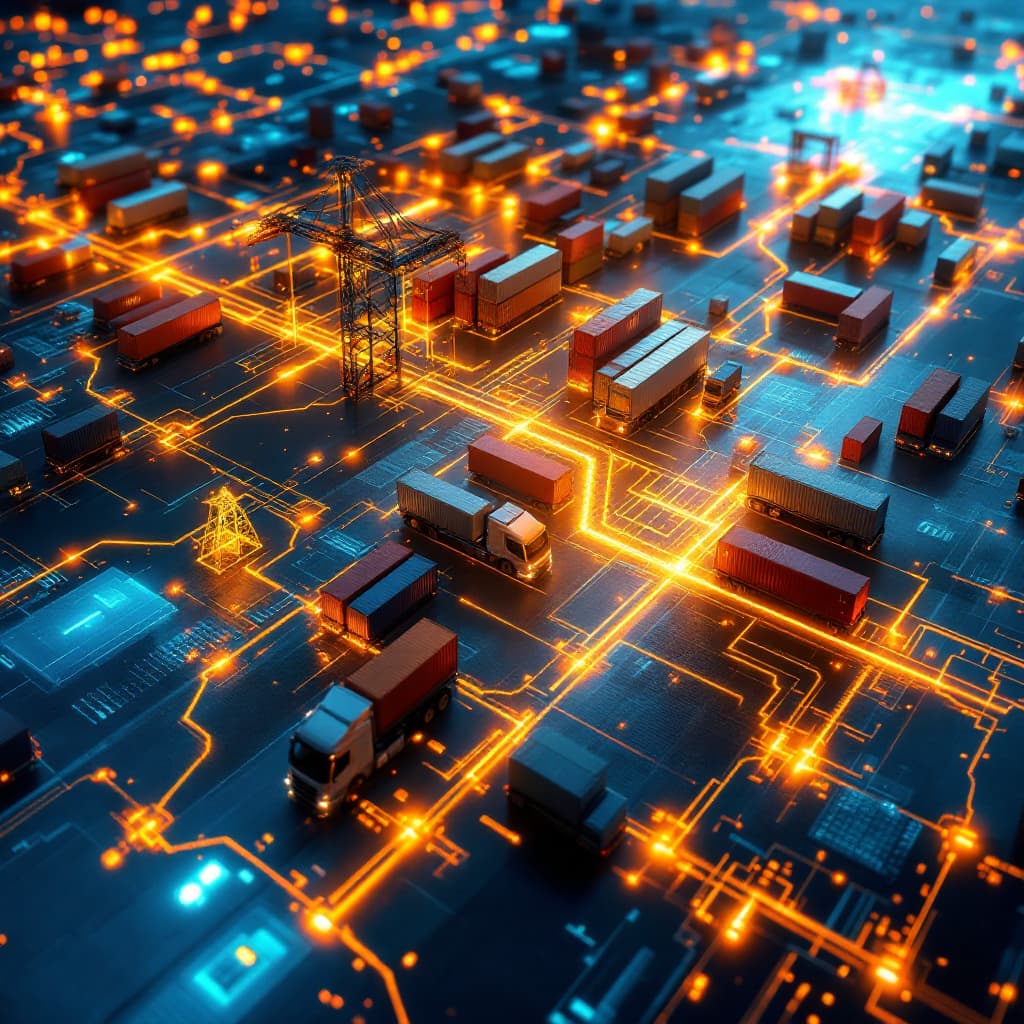
Supply Chain Issues: Challenges and Solutions
In the interconnected world of global commerce, supply chain issues can significantly impact businesses and consumers alike. These challenges disrupt the flow of goods and services, leading to delays, increased costs, and customer dissatisfaction. Understanding the common supply chain challenges and their potential solutions is essential for companies looking to thrive in today’s competitive landscape. What Are Supply Chain Issues? Supply chain issues refer to disruptions or inefficiencies in the sequence of processes involved in the production and distribution of goods. These issues can arise from various factors. A lack of raw materials can halt production. Labor shortages can slow down

Logistics Problems: An Overview of Challenges and Solutions
Logistics is crucial for modern commerce. It connects supply chains and ensures goods and services reach their destinations efficiently. However, this complex field has its challenges. Understanding the common logistics problems can help businesses navigate supply chain management. Here, we’ll explore these issues and discuss effective strategies to overcome them. 1. Resource Shortages Resource shortages pose a significant concern in logistics. A lack of transportation vehicles, containers, or labor can disrupt operations. Companies may find themselves unprepared during peak demand periods. This can lead to delays in service. Proactive planning is essential. Establishing relationships with