Get The App


Author
Alexandra Blake writes about customs compliance and trade documentation for companies moving goods across borders. Her guides cover import rules and duty-relief programmes, product-safety and packaging requirements, freight classification and weight declarations, broken down into the steps a logistics team has to take.
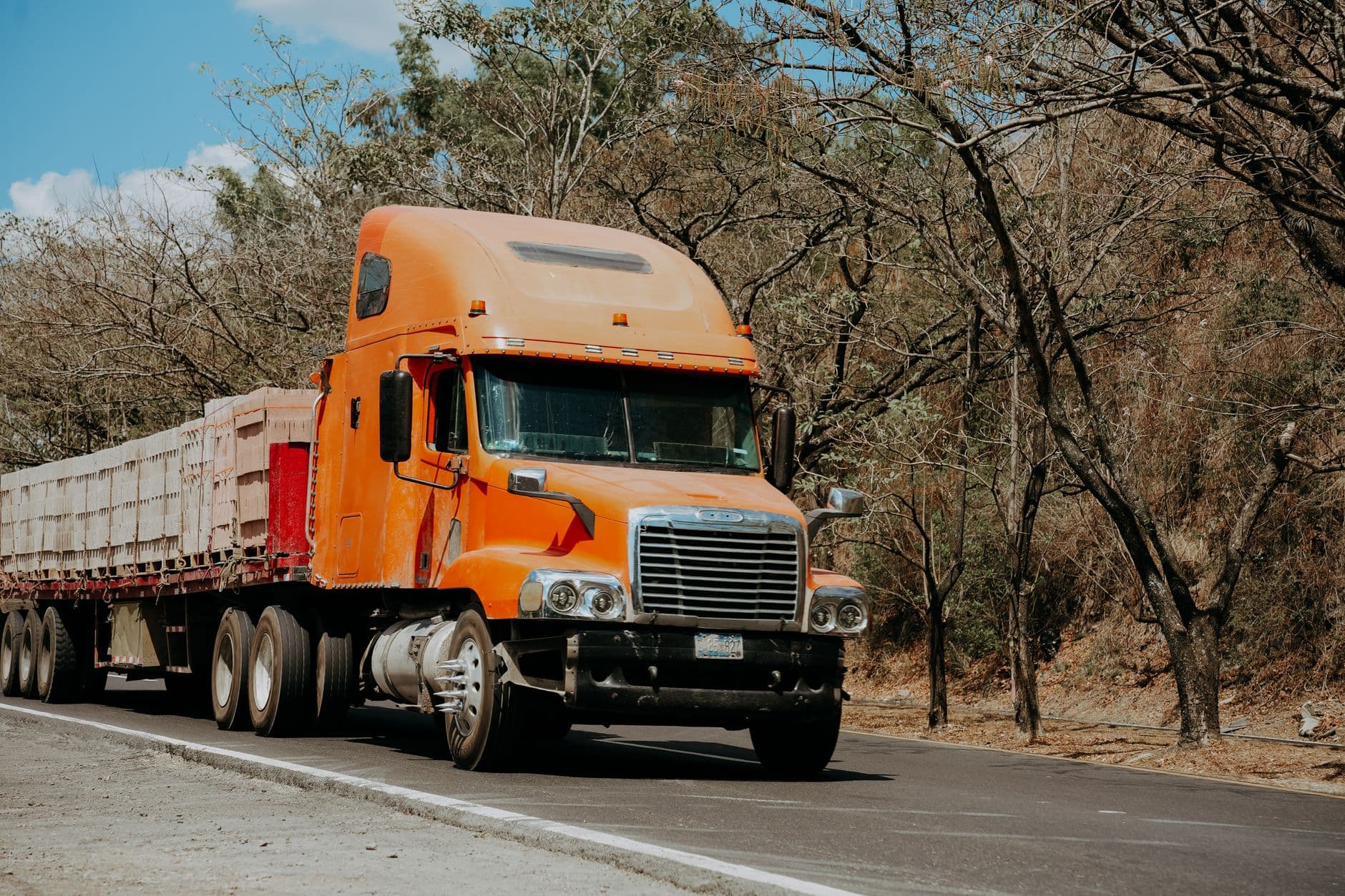
ISO 14083 and the GLEC Framework in 2026: How Freight Emissions Get Counted
ISO 14083:2023 gives shippers and carriers one method for counting transport emissions, well-to-wheel, by transport chain element. Here is how it works with GLEC, CSRD and Scope 3 categories 4 and 9.
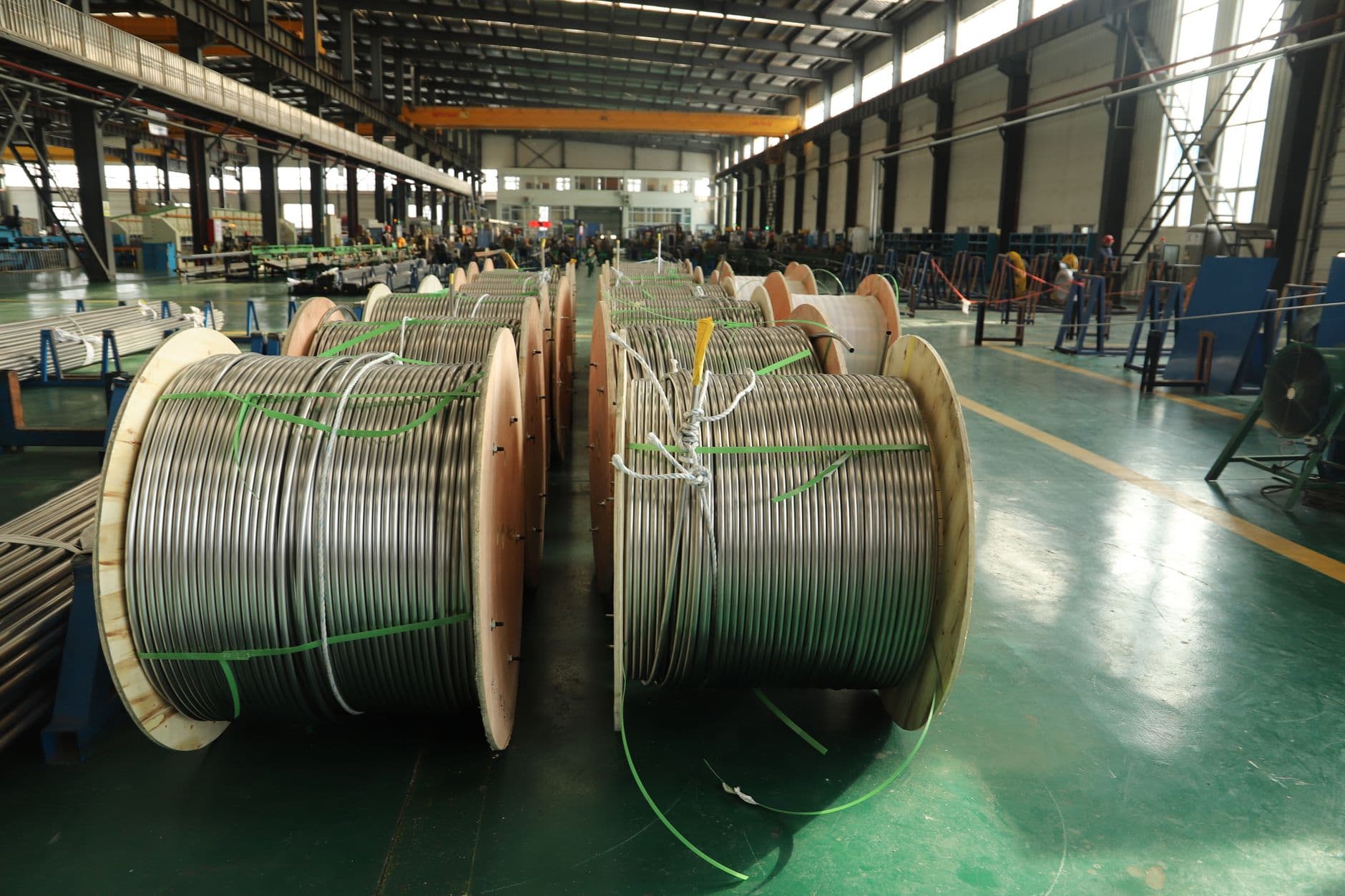
CBAM 2026: The EU Carbon Border Importer's Action Guide
The CBAM definitive regime began 1 January 2026, but the first euro is not due until 30 September 2027 — and that gap is where importers overpay. A practical guide for EU goods importers: who is in scope, the 50-tonne exemption, certificate pricing against the EU ETS, and what to do in 2026 so the 2027 bill stays small.
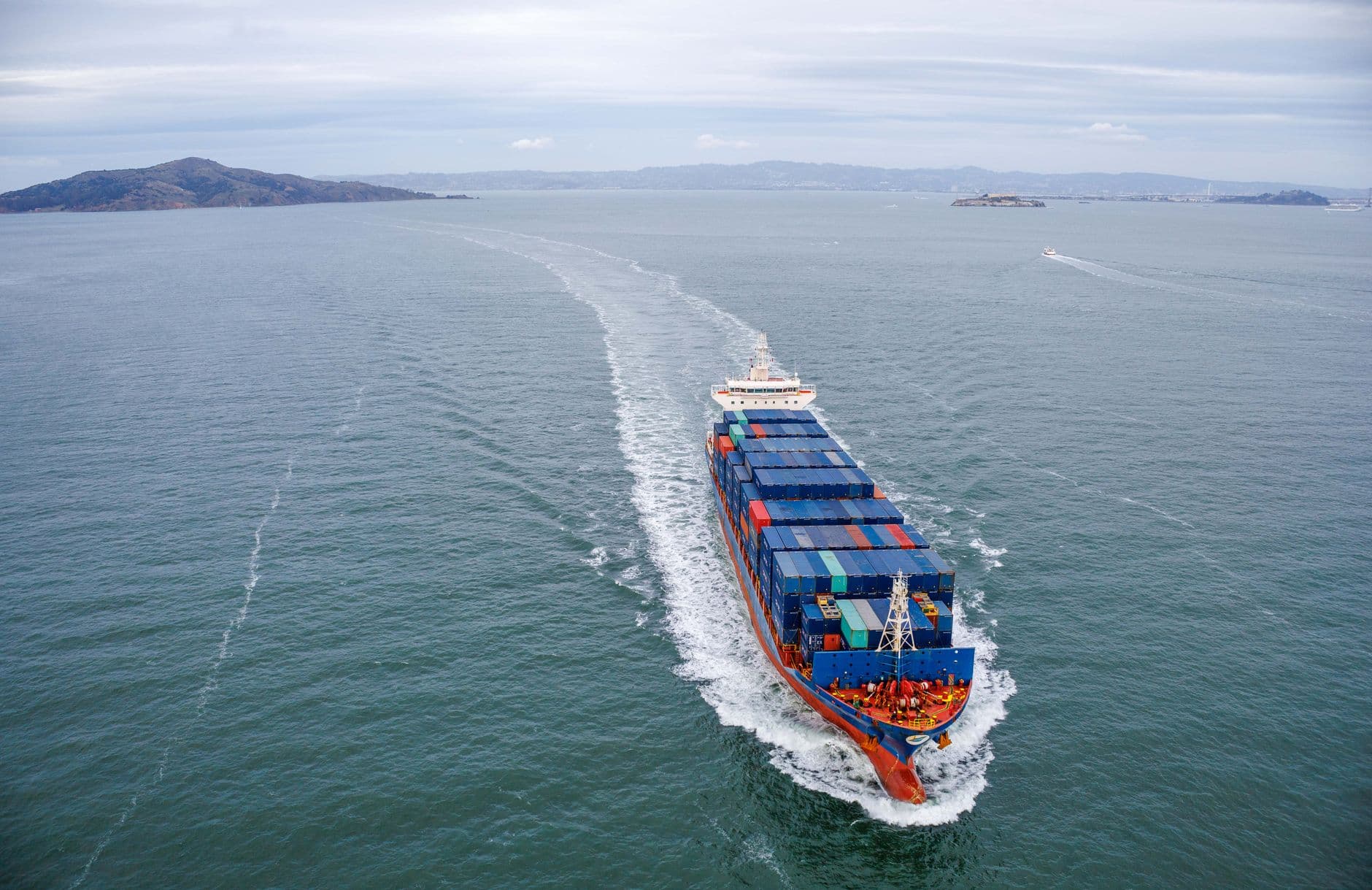
Asia to Latin America Ocean Lanes in 2026: The New West-Coast Routes Reshaping Trade
Container lines are wiring Asia straight onto Latin America's west coast in 2026, cutting out the old US and Caribbean transshipment hubs. We break down the new direct loops into Mexico's Pacific ports, the Chancay megaport in Peru and the Andean coast, plus the routing trade-offs shippers face.
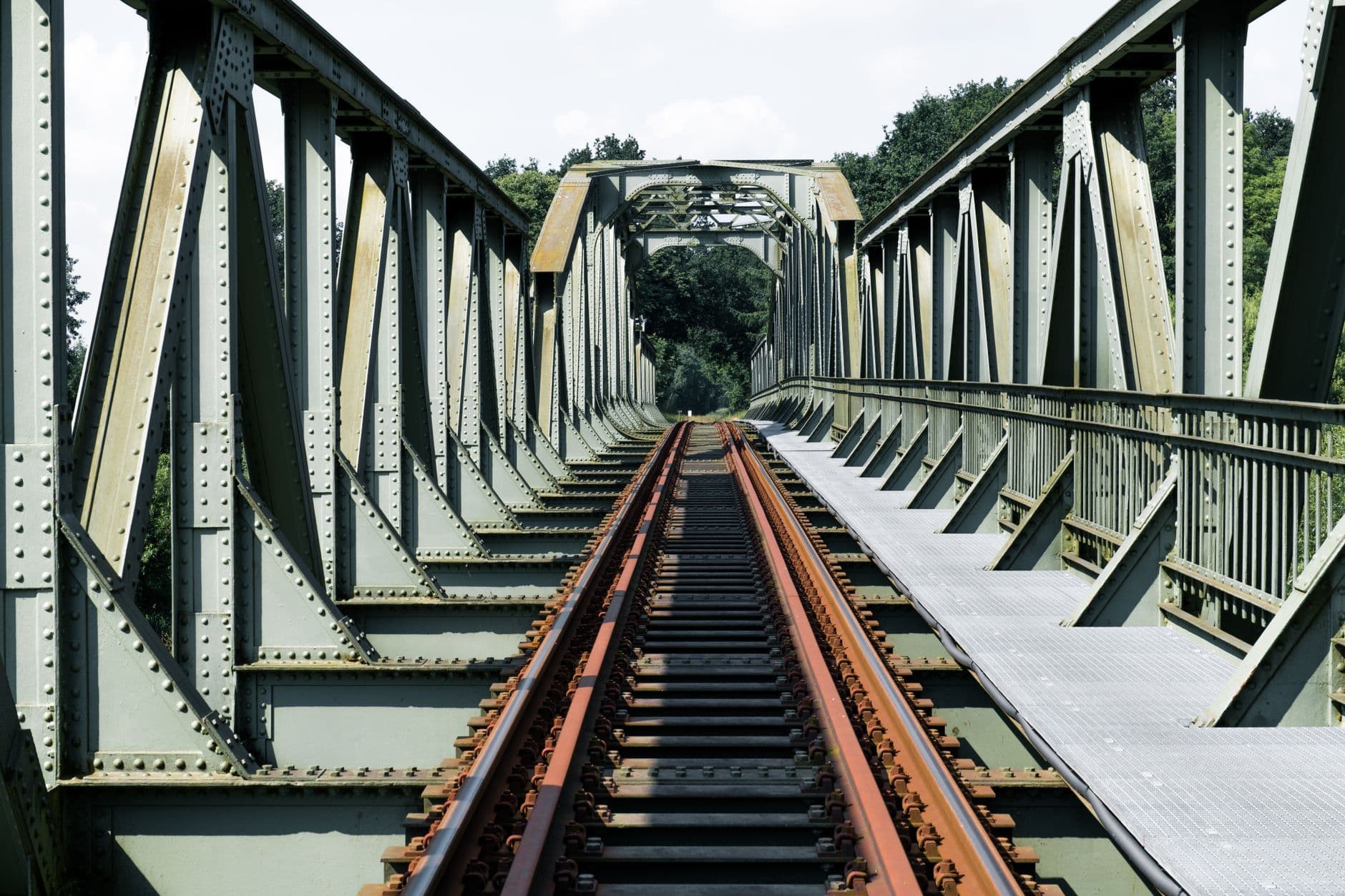
The UAE-Jordan Railway Deal of 2026: A Gulf-to-Levant Freight Corridor Takes Shape
In April 2026 the UAE and Jordan formalized a 2.3 billion dollar deal for a 360 km railway, framed as a Gulf-to-Levant corridor. Our freight desk explains what it moves first, the honest timeline, the reopening Turkey-Jordan road bridge, and why Aqaba is the anchor.
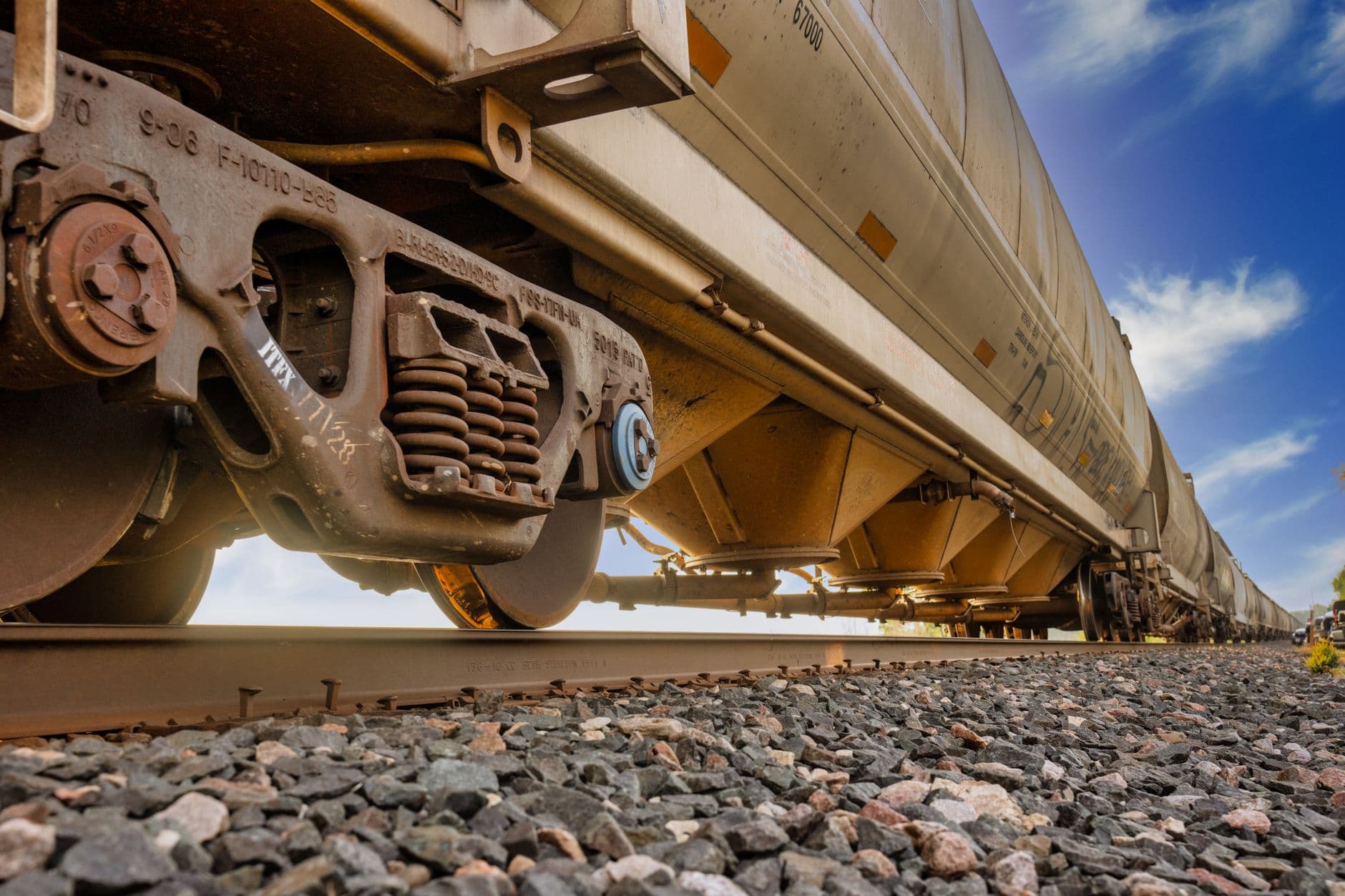
The Saudi-Turkiye rail corridor, the Saudi Landbridge and the kingdom's new logistics routes are reshaping the overland Gulf-to-Europe map. We separate what carries freight today from what is still a feasibility study, and show where each fits a real 2026 routing decision against Suez.
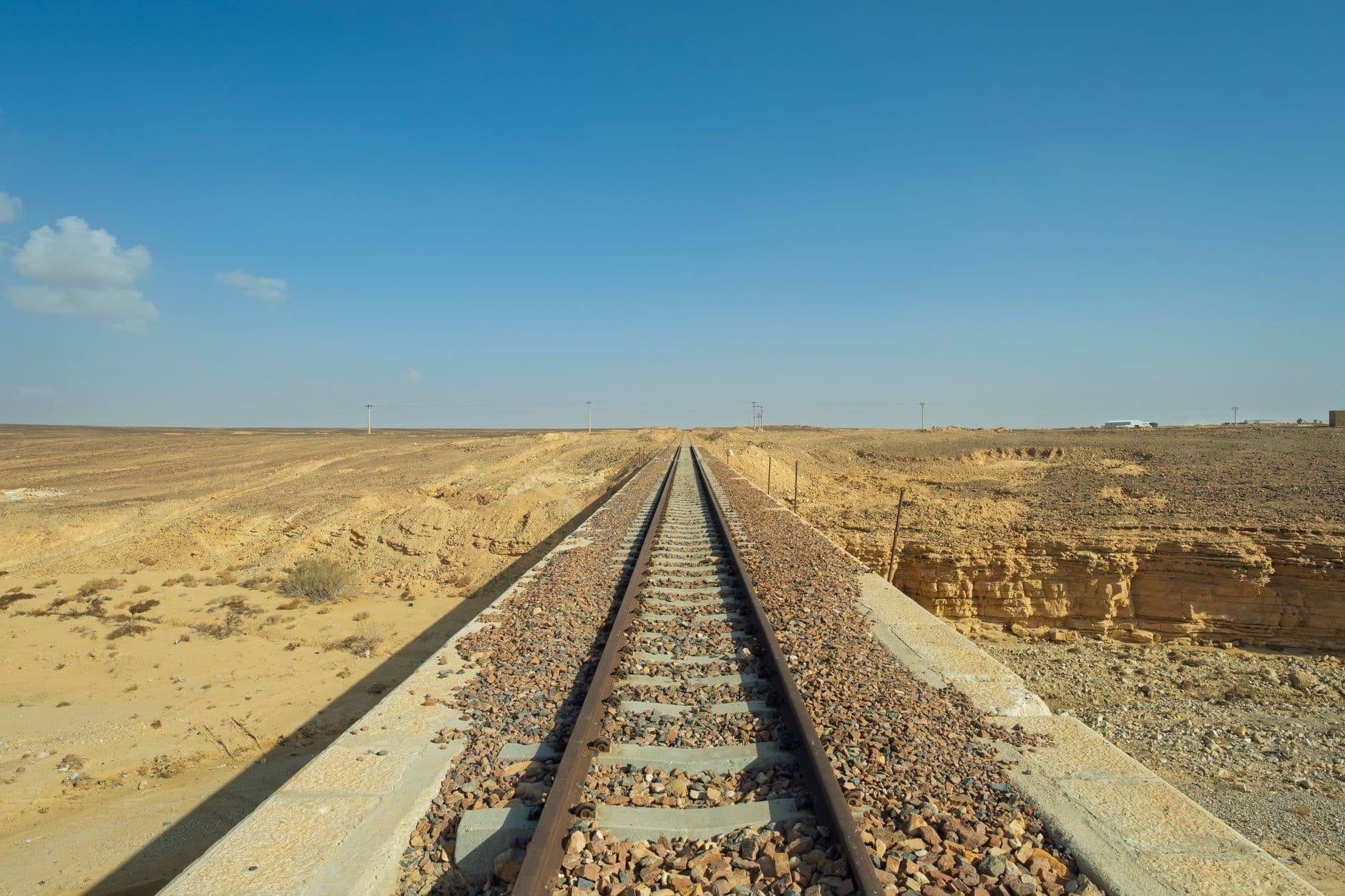
The GCC Railway in 2026: The Gulf's Cross-Border Rail Network and What It Changes for Freight
The GCC Railway is half built in 2026. Here is the operational read for shippers: where the steel actually ends, what cargo it carries, Etihad Rail, Hafeet Rail, SAR corridors, and when Gulf rail becomes a real line on the quote.
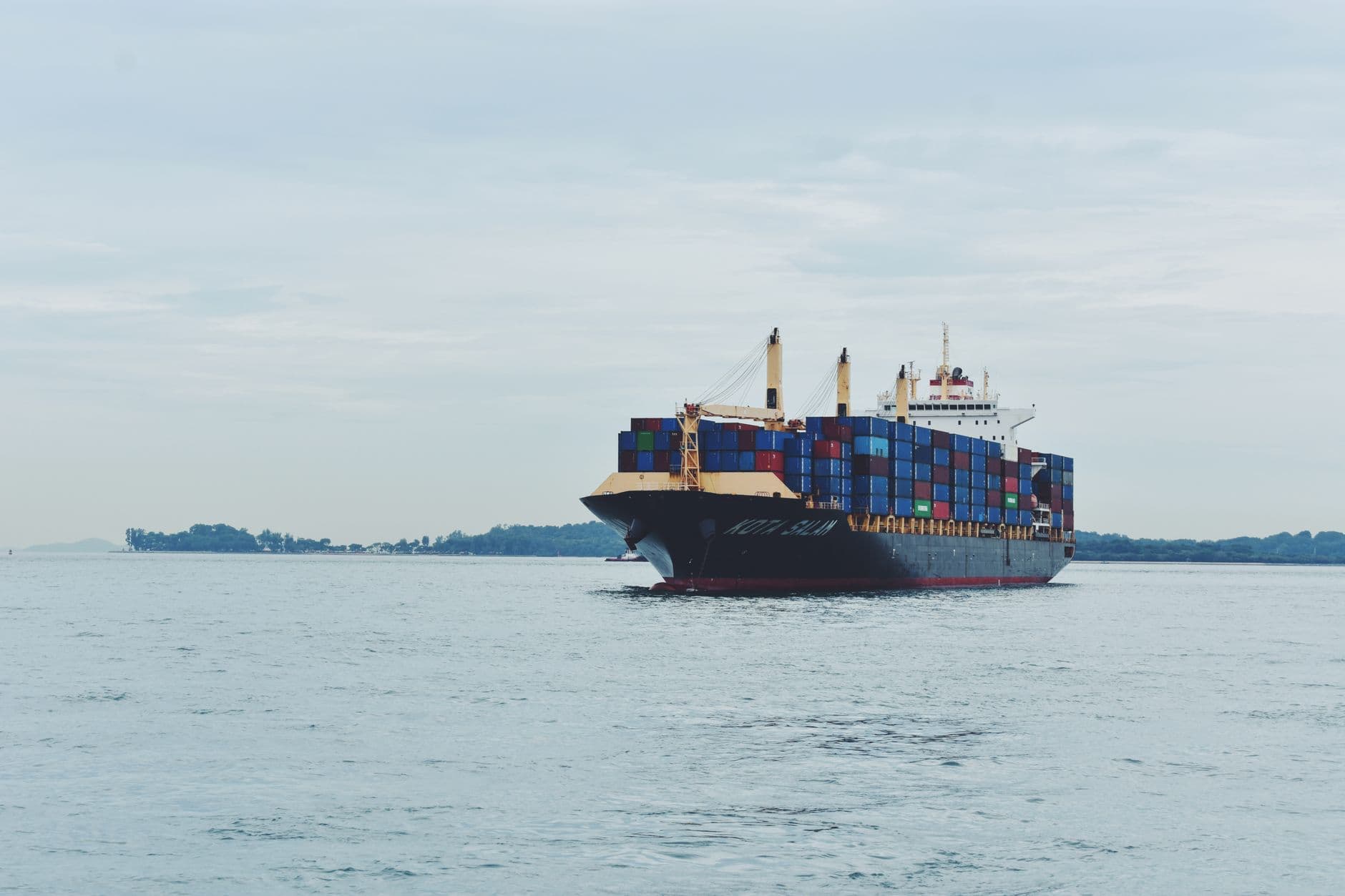
EU-Mercosur Is Live in 2026: Rules of Origin, Certificates and What Changes for Freight
What the EU-Mercosur agreement's provisional application from May 2026 actually changes for freight: the phased tariff schedule, the rules-of-origin paperwork that unlocks the saving, and why the lanes stay the same while the landed cost moves.
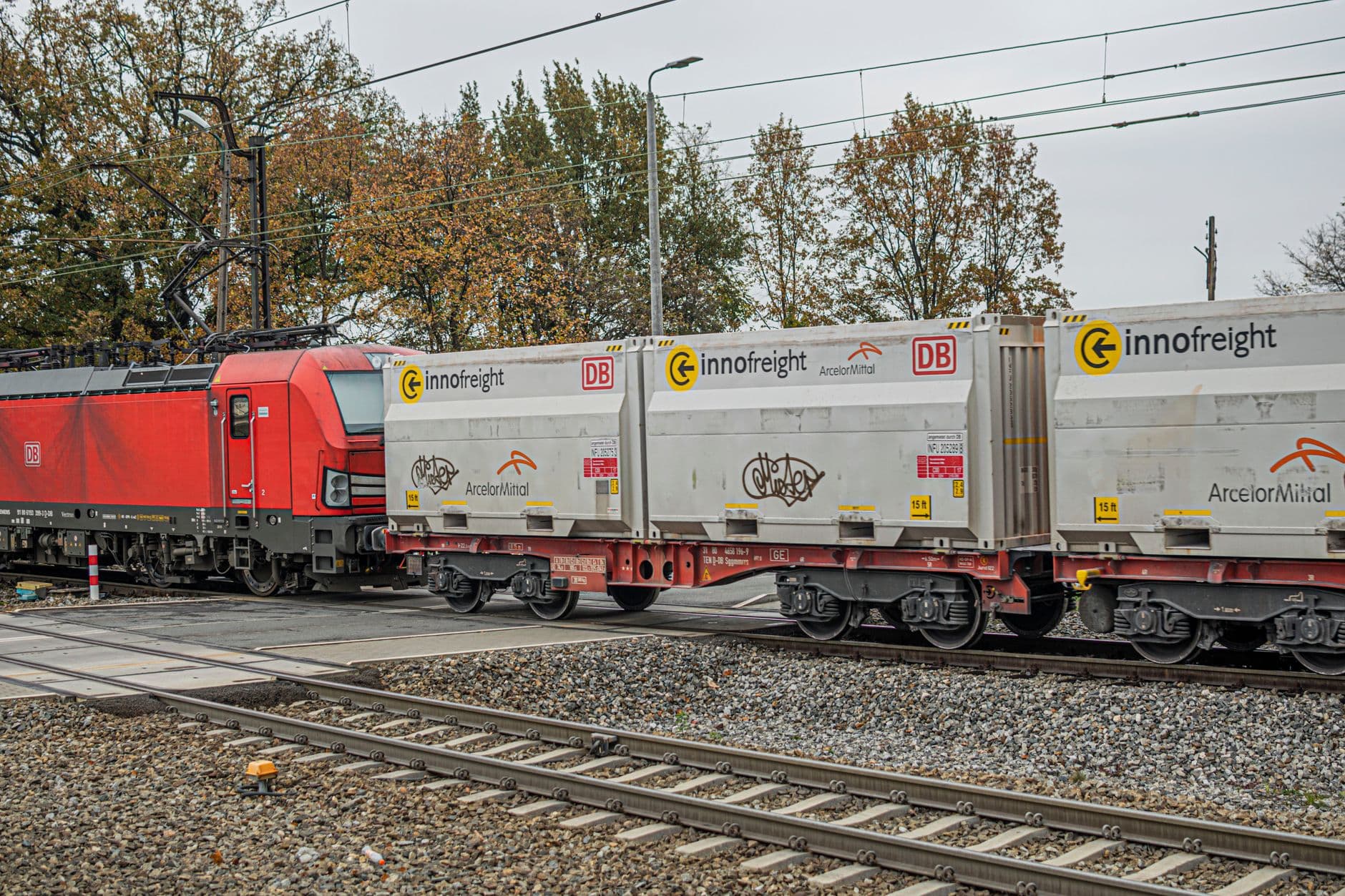
Mexico's Tehuantepec Interoceanic Corridor in 2026: A Panama Canal Alternative
What shippers need to know about Mexico's Tehuantepec interoceanic corridor in 2026: how the Salina Cruz to Coatzacoalcos rail land-bridge works, the speed claim read correctly, the double-handling cost, and when it beats the Panama Canal.

Warehouse Robots - Advantages and Limitations in Fulfillment
Recommendation: launch a 90-day pilot to quantify safety gains; throughput improvements; define metrics tying injury reduction to capital costs. This is the primary step to demonstrate which configuration delivers measurable relief for human workers; which bottlenecks will appear in real operation. In practice, automated aids deliver tangible gains in cycle time, accuracy, safety; gains vary by task type, layout, human practices. Benchmarks from pilot sites show throughput increases ranging from 15% to 40%; error rates drop by 40%–70% on routine picking, packing tasks. Such results require careful consideration by managers when choosing initial use cases, software stacks. Major risks
DHL Sells Standard Forwarding - Market Impact for Shippers
Recommendation: Diversify freightforwarding partnerships and reframe risk through multi‑carrier sourcing, with disclose of exposure to clients ; this approach reduces reliance on a single provider during a corporate exit from the core freightforwarding portfolio. director Riggs notes in research from the illinois alumni network, and according to industry observations in october , that what shows in practice: sales volatility rises when concentration in truckload lanes exceeds a threshold. What shows from the october window: capacity filled in truckload lanes averaged 78%, with weekly volatility around 11% in tender acceptance; carriers tightened service levels by about 4% in congested

Diversifying Vanilla Origin Is Key for Suppliers
Begin sourcing across multiple production hubs immediately to stabilize shipments and reduce exposure to regional shocks. This approach strengthens resilience in high-end lines and mitigates price swings. Prioritize organic pods where growers maintain eco-conscious practices, keeping the supply path lean to curb costs. Avoid heavy reliance on a single region to reduce risk. Engage experienced producers across initial pilots. Use interventions that bolster resistance against spoilage in exposed production zones. Collect much data from cycles to refine models, focusing on pods quality and post-harvest handling. Prefer treated inputs where customer requirements focus on organic or

No Fooling - ELD Enforcement Begins April 1 for Truckers
Recommendation: audit all elds and devices across your fleet today, confirm that each vehicle's data is delivered without gaps, and document a clear plan before the date. also, assign personnel to review intrastate operations and interstate handoffs, aligning with the rule and boosting operationssafety through standardized checklists. When discrepancies arise, confirm exemption requirements are clearly documented and work with a consultant to verify information flows before the date of implementation. If any part of the fleet delivered data arrives late or is missing, implement a remediation plan and keep vehicle operators informed to avoid gaps in compliance. Clarifying ELD requirements
