



When a shipper asks our freight desk whether they should start treating Jordan as a real corridor country rather than a road-only afterthought, the honest 2026 answer changed in April. On 15 April 2026 the UAE and Jordan formalized a 2.3 billion dollar deal to build a 360 kilometre railway, and the language around it leaned hard on phrases like strategic logistics corridor and Gulf-to-Levant connectivity. That is the headline. The operational reality is more specific and, for a cargo owner, more useful, so this is the version we tell clients rather than the ribbon-cutting one.
GetTransport.com has matched carriers into Aqaba and across the Levant for years, long before this deal made Jordan fashionable in the trade press, so what follows is the lane view. What does this railway actually move at first, when does it open, and how does it sit next to the Turkey-to-Jordan road routes that are reopening at the same time? Those are the questions that decide whether you plan around this corridor now or simply file it as a lane to watch. The 2026 numbers finally make that a real conversation.
What the deal actually is, and what it is not
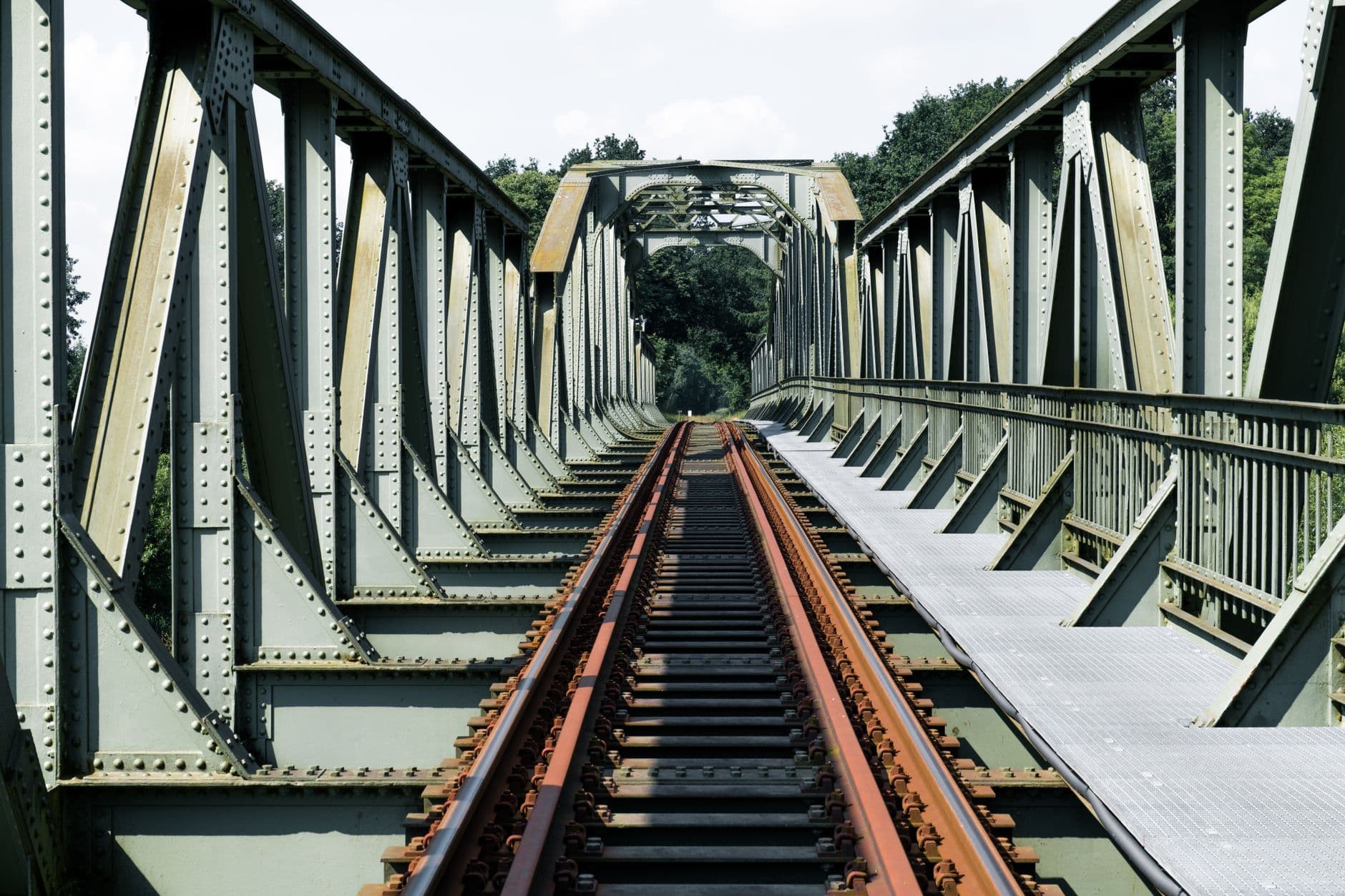
The first thing to get straight is scope. This is not, on day one, a through line carrying mixed containers from a Gulf port to the Mediterranean. The 2.3 billion dollar project is a 360 kilometre standard-gauge freight railway whose first job is bulk minerals. It links the phosphate mines at Shidiya and the potash production sites at Ghor Al-Safi to the industrial terminals at the Port of Aqaba on the Red Sea. The design target is roughly 16 million tonnes of cargo a year, split as about 13 million tonnes of phosphate and 2.6 million tonnes of potash.
That matters because it tells you who the railway is built for first. Jordan is one of the world's larger phosphate and potash exporters, and today most of that tonnage rides to port on trucks. Shifting it to rail is the core business case, since per-tonne rail economics on a fixed bulk lane crush road costs once the volume is steady. The corridor framing is real, but the founding cargo is minerals to Aqaba, not a general-merchandise land bridge.
The corridor ambition, framed honestly
The Gulf-to-Levant story is the second phase, not the first. The Aqaba line is openly described as Phase 1 of Jordan's wider National Railway Network, a planned standard-gauge system of roughly 897 kilometres that would tie Amman, Zarqa and Mafraq to Aqaba and the Shidiya mine. From there the published plan extends the line north toward Madounah near Amman, with onward links toward Syria, the Mediterranean and Türkiye, and a separate ambition to connect southward into Saudi Arabia and the wider Gulf network.
So the eventual picture is a spine running from the Red Sea up through Jordan and outward to two regions at once. The execution structure is also worth knowing, because it tells you the project has industrial weight behind it rather than being a memorandum that sits in a drawer. It is being delivered through a joint venture, the UAE-Jordan Railway Company, pairing Abu Dhabi's L'IMAD Holding with Jordanian stakeholders that include Jordan Phosphate Mines Company, the Arab Potash Company and two state investment funds. Etihad Rail, the operator behind the UAE's national network, is the executing arm. That is a builder-operator who has actually delivered standard-gauge freight rail in this region.
The timeline a planner should write down
Here is the part that keeps a shipper honest. The original memorandum dates to 2024, the binding agreements were signed on 15 April 2026, financial close is expected in early 2027, and construction is projected to run about five years from there. Do that arithmetic and the railway is realistically an early-2030s asset, not a 2027 one.
We say that plainly because the gap between a signed deal and a moving train is where logistics plans quietly break. Treat this as a corridor that is being committed to now and will reshape Jordan's export flows over the coming decade, not as capacity you can book next quarter. For cargo that needs to move between the Gulf and the Levant in 2026 and 2027, the railway is a reason to track Jordan closely, while the road network is what actually carries the load.
Why the road story matters right now
The railway grabs the headlines, but the more immediate change for working freight is on the roads. After roughly fifteen years of closure driven by the war in Syria, the land bridge between Türkiye and Jordan is reopening through Syrian territory, and it is moving faster than the rail timeline. On 7 February 2026 three Jordanian trucks crossed the Bab al-Hawa border into Türkiye in a successful pilot run, the first such movement in about fifteen years. Türkiye's trade minister has said the administrative and infrastructure issues are being worked through and the corridor should run at full strength during 2026, and by June 2026 there was already active discussion of extending it onward to the Gulf states.
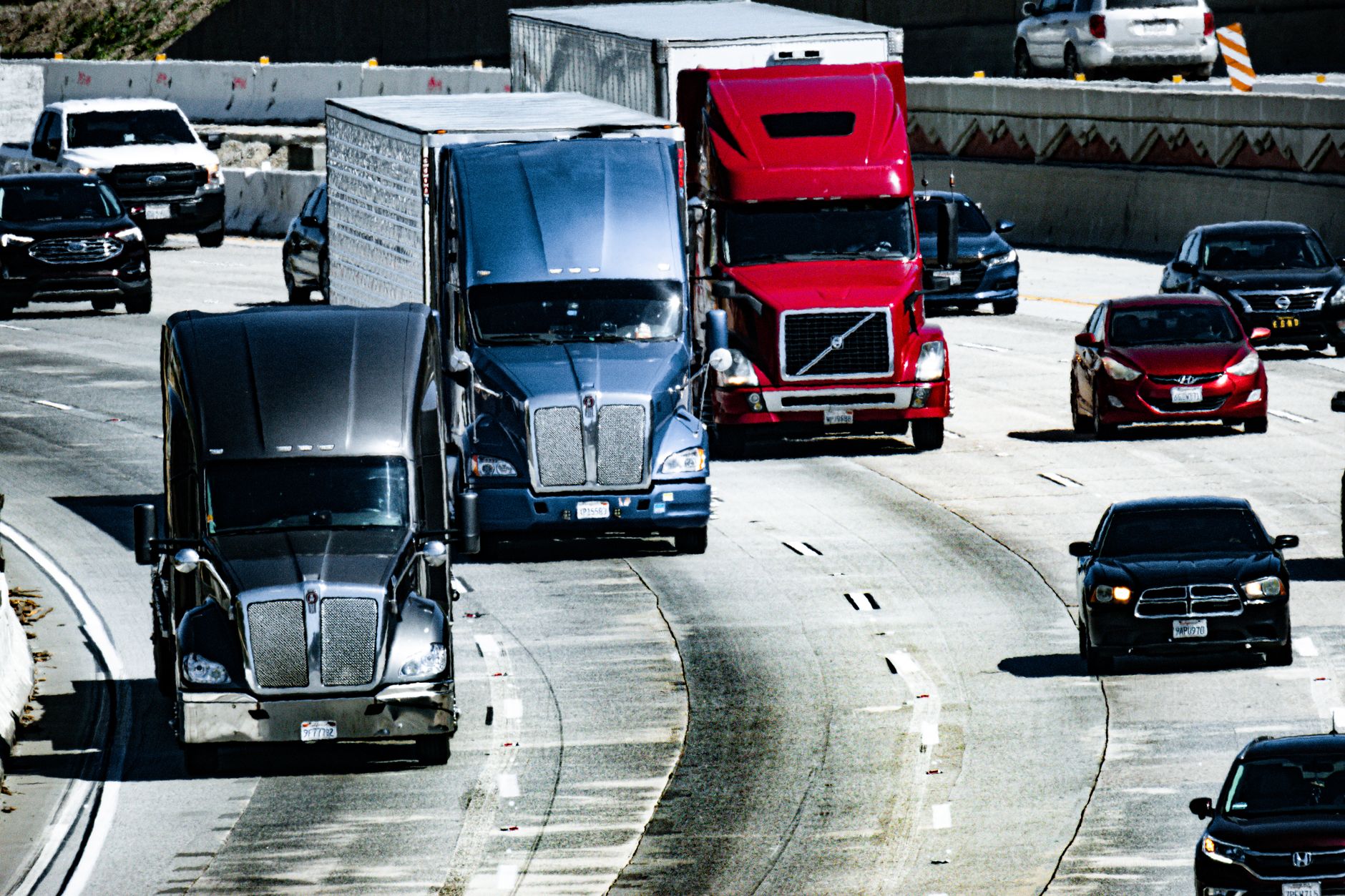
The prize there is time. A Türkiye-to-Gulf road move that for years had to detour by sea or through longer routings could drop to under a week once the Syrian leg runs cleanly. There is also a trilateral angle, since Jordan, Syria and Türkiye signed a transport-system memorandum on 7 April 2026, a week before the UAE-Jordan rail agreement, aimed at an integrated regional network, including reviving the historic Hejaz Railway and a targeted Amman-to-Damascus passenger link by the end of 2026. For freight, the practical read is that the road corridor is the near-term lane and the rail corridor is the structural one behind it.
Aqaba is the piece that ties it together
None of this works without a credible port at the bottom of the map, and Aqaba is being positioned as exactly that. The deal sits inside a broader push to make Aqaba a freight and logistics hub working alongside Queen Alia International Airport, giving Jordan a sea-air-land combination rather than a single gateway. The port already handled more than 70,000 TEUs across 46 container vessels in a single month this spring, runs twelve cargo and container stations plus six logistics sites covering around 2 million square metres, and offers transit discounts of up to 40 percent to pull in regional cargo. Across the first five months of 2026 its throughput rose about 35 percent year on year to around 4.85 million tonnes, led by transit cargo to Iraq, which was expected to pass 1 million tonnes by the end of June, and by grain.
Aqaba is also doing the thing every aspiring hub has to do, which is win cargo that used to route elsewhere. Trial shipments have already been rerouted through it, including cargo that previously moved via Iraq's Umm Qasr port. In April 2026 Jordan also revived the Ma'an dry port project, an inland terminal that will sit on the new railway, which builds logistics capacity and jobs behind the quay rather than only at it. For a marketplace, that signal matters more than the brochure language, because it shows real tonnage testing the lane. If you are weighing a Red Sea entry point for cargo bound into Jordan or onward to the Levant, Aqaba with a future rail spine behind it is a genuinely different proposition from Aqaba as a standalone port.
How this connects to the Gulf compliance picture
A corridor that ties the Gulf to the Levant runs straight into Gulf import rules, and those rules are unforgiving if you treat them as paperwork to sort out on arrival. Cargo flowing toward Saudi Arabia in particular has to satisfy the conformity and certification regime before it ships, not after, which is why we always pair a corridor conversation with a compliance one. Our guide to SABER and FASAH for Saudi imports walks through that platform side, and the wider GCC conformity picture beyond SABER covers ECAS, SASO and the G-Mark that a Gulf-bound shipment usually has to clear.
The point for this corridor is simple. Faster transit on a new rail or road lane only helps if the goods can actually enter at the far end, and a corridor that links the Gulf to the Levant means more cargo crossing into GCC certification territory, not less. Plan the conformity step as early as you plan the routing.
A planning checklist for the UAE-Jordan corridor
- Separate the two timelines. The road corridor through Syria is a 2026-2027 lane to use, the Aqaba railway is an early-2030s asset to plan around.
- Remember the founding cargo is minerals. The first trains carry phosphate and potash to Aqaba, so general-merchandise capacity follows the network buildout, it does not lead it.
- Treat Aqaba as a system, not just a quay, because the port, the planned rail spine and the nearby airport are being sold as one hub.
- Watch financial close in early 2027 as the real go signal, since a signed deal and a funded one are different milestones.
- Build the GCC conformity step into the plan before you fix the lane, especially for Saudi-bound goods.
- Book through a carrier already running Levant and Red Sea cargo rather than assembling cross-border legs through Syria yourself.
The 2.3 billion dollar figure is the easy part of this story to repeat. The harder and more useful part is the sequence, minerals first, road bridge next, general corridor later, with Aqaba as the anchor the whole thing leans on. That is the kind of lane a marketplace tracks early, because the operators who position into a corridor before it matures are usually the ones quoting it cheapest when it does.
Frequently asked questions
What did the UAE and Jordan agree in 2026?
On 15 April 2026 the two countries formalized a 2.3 billion dollar deal to build a 360 kilometre standard-gauge freight railway in Jordan, executed through the joint UAE-Jordan Railway Company with Etihad Rail as the operator. The first line connects the phosphate mines at Shidiya and the potash sites at Ghor Al-Safi to the Port of Aqaba, with a design capacity of about 16 million tonnes a year. The original memorandum dates to 2024, so the 2026 signing moved the project from intent to execution.
Is this railway a Gulf-to-Levant corridor yet?
Not yet. The Aqaba line is Phase 1 of Jordan's wider National Railway Network, a planned system of roughly 897 kilometres. The published plan extends the line north toward Madounah near Amman and onward toward Syria, the Mediterranean and Türkiye, plus a southern link to Saudi Arabia and the Gulf. The Gulf-to-Levant through routing is the ambition behind the project, while the founding traffic is bulk minerals to the Red Sea.
When will the corridor actually be usable?
For the railway, plan for the early 2030s. Financial close is expected in early 2027 and construction is projected to take about five years from there. The faster-moving change is on the roads, where the Türkiye-to-Jordan land bridge through Syria is reopening after about fifteen years. A three-truck pilot already crossed at Bab al-Hawa in February 2026, and officials are targeting full operation during 2026 with transit times under a week once the Syrian leg runs cleanly.
Why does Aqaba matter for this corridor?
Aqaba is the Red Sea anchor the whole plan leans on. It already handled more than 70,000 TEUs across 46 container ships in a single month this spring, runs twelve cargo and container stations and six logistics sites of around 2 million square metres, and offers transit discounts of up to 40 percent. Jordan is positioning it as a freight hub alongside Queen Alia International Airport, and trial cargo has already been rerouted through it, including volume that previously moved via Iraq's Umm Qasr port.
If your cargo is heading into the Gulf rather than out of it, read this together with our guides to SABER and FASAH and GCC conformity beyond SABER, because the routing and the import certification are two halves of one delivery and the second half is where Gulf-bound deadlines tend to slip.