Author
Alexandra Blake writes about customs compliance and trade documentation for companies moving goods across borders. Her guides cover import rules and duty-relief programmes, product-safety and packaging requirements, freight classification and weight declarations, broken down into the steps a logistics team has to take.


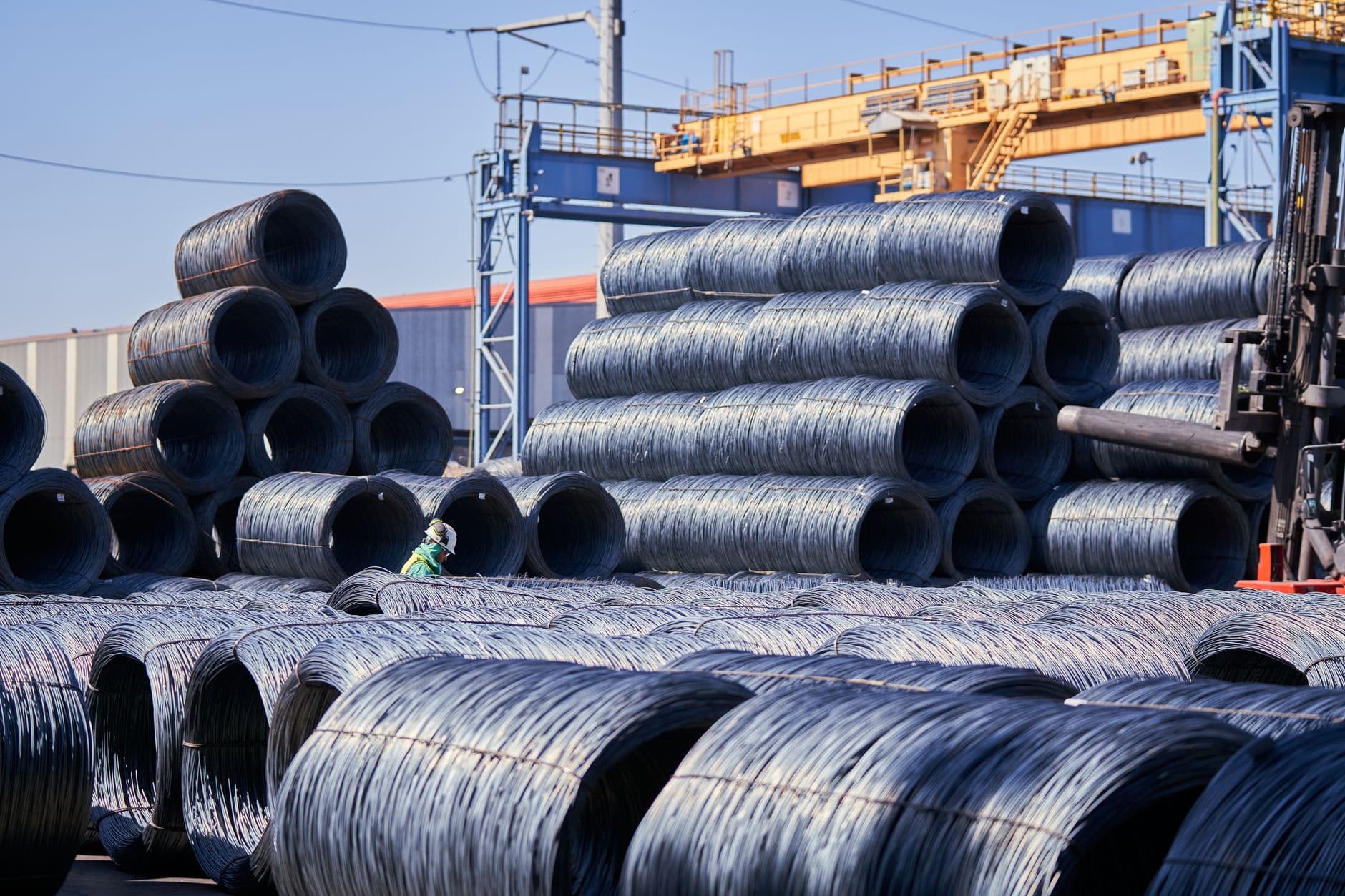
UK CBAM in 2027: An Importer's Prep Playbook for 2026
UK CBAM starts charging on 1 January 2027 with no reporting-only phase. What importers of steel, aluminium, cement, fertiliser and hydrogen must prepare across 2026.

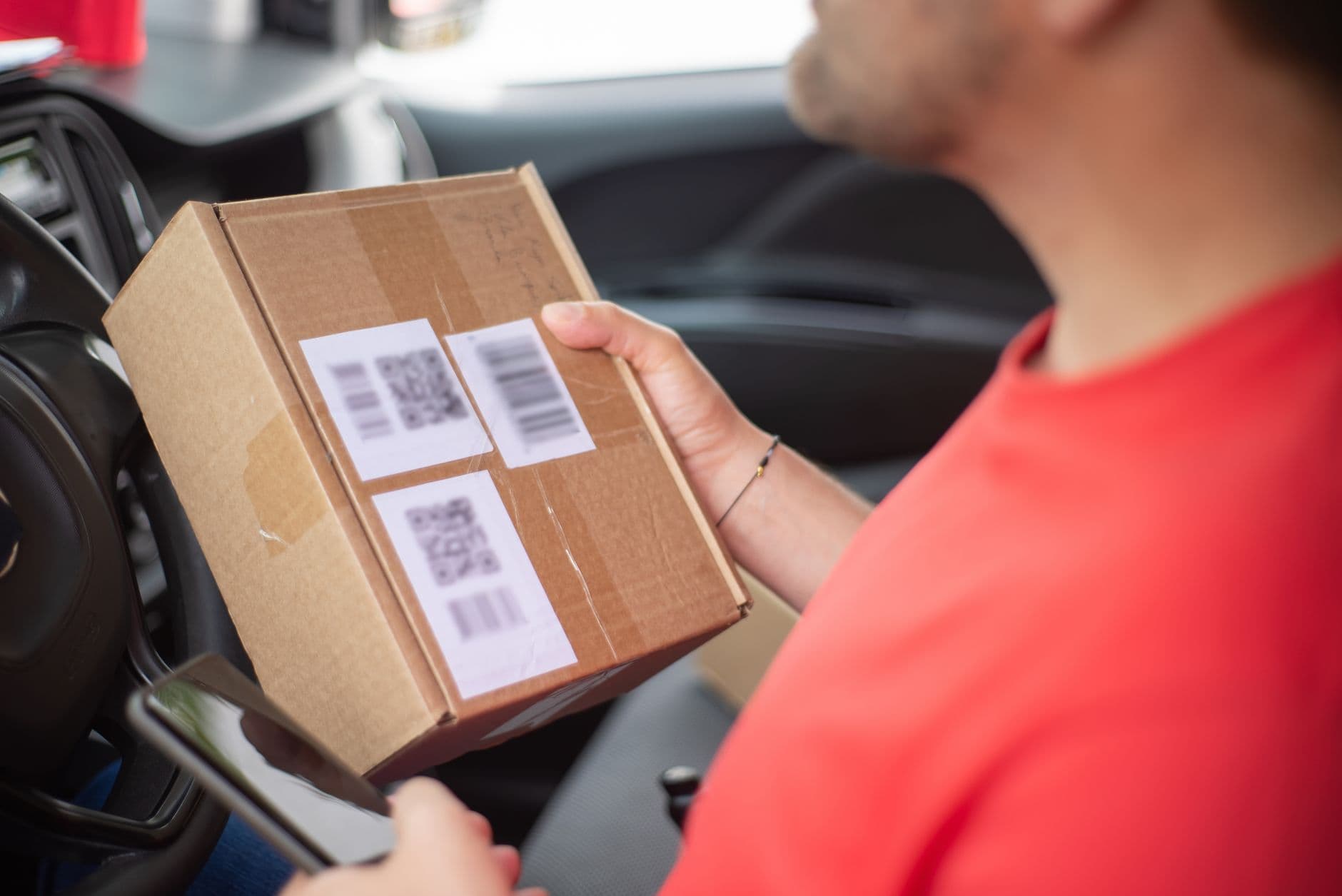
The EU Digital Product Passport: What Importers and Logistics Teams Should Prepare
The EU Digital Product Passport phases in from 2026 under the ESPR. What the mandate covers, the registry and battery-passport deadlines, who is responsible for non-EU goods, and how importers and logistics teams should prepare their supplier data now.

US Transshipment Tariff Crackdown 2026: The 40% Penalty and Compliance Guide
How the new 40% transshipment penalty works, where the line falls between legal substantial transformation and illegal transshipment, and a documentation checklist importers can use to prove country of origin.

ISO 14083 and the GLEC Framework in 2026: How Freight Emissions Get Counted
ISO 14083:2023 gives shippers and carriers one method for counting transport emissions, well-to-wheel, by transport chain element. Here is how it works with GLEC, CSRD and Scope 3 categories 4 and 9.

EUDR 2026: What Importers Actually Must Do Now
EUDR enforcement was delayed again to December 2026 and simplified in December 2025. Here is the operational read for importers on due diligence statements, geolocation data and penalties.

US Customs Bonds After De Minimis: Continuous vs Single-Entry (2026 Importer Guide)
The end of de minimis means every commercial US import now needs a customs bond — and importers who never bonded before are choosing between single-entry and continuous under deadline. What a customs bond is, the two types, 2026 costs (the $50,000 continuous-bond floor, the per-thousand single-entry charge), and how to pick the right one without overpaying or stalling freight.

Who Eats the Tariff? Incoterms DDP vs DAP in the 2026 Tariff Era
With US duties on many Chinese goods stacking past 145%, the Incoterm is no longer a shipping detail — it is the line that decides who absorbs a tariff shock. DDP puts the duty on the seller, DAP on the buyer. How to choose in a tariff environment that can move against you mid-shipment, plus the tariff-change clause that matters more than the term.

CBAM 2026: The EU Carbon Border Importer's Action Guide
The CBAM definitive regime began 1 January 2026, but the first euro is not due until 30 September 2027 — and that gap is where importers overpay. A practical guide for EU goods importers: who is in scope, the 50-tonne exemption, certificate pricing against the EU ETS, and what to do in 2026 so the 2027 bill stays small.

LCL Freight Consolidation 2026: When Splitting the FCL Beats Full Container
LCL or FCL? We break down the 15 CBM breakeven, hidden CFS fees, transit time costs, and why tariff volatility in 2026 is reshaping the calculation for SMB shippers.

Cargo War Risk Insurance 2026: Practical Guide for B2B Shippers
A two-front war risk crisis across Hormuz and the Red Sea, premiums that climbed to ~5% of vessel value as the strait effectively closed, P&I war cover cancelled in the Gulf, and a US $40bn backstop that never wrote a policy — this is the war risk insurance landscape B2B shippers face in 2026. A practical guide to coverage gaps, current premiums, and how to buy protection before cargo moves.

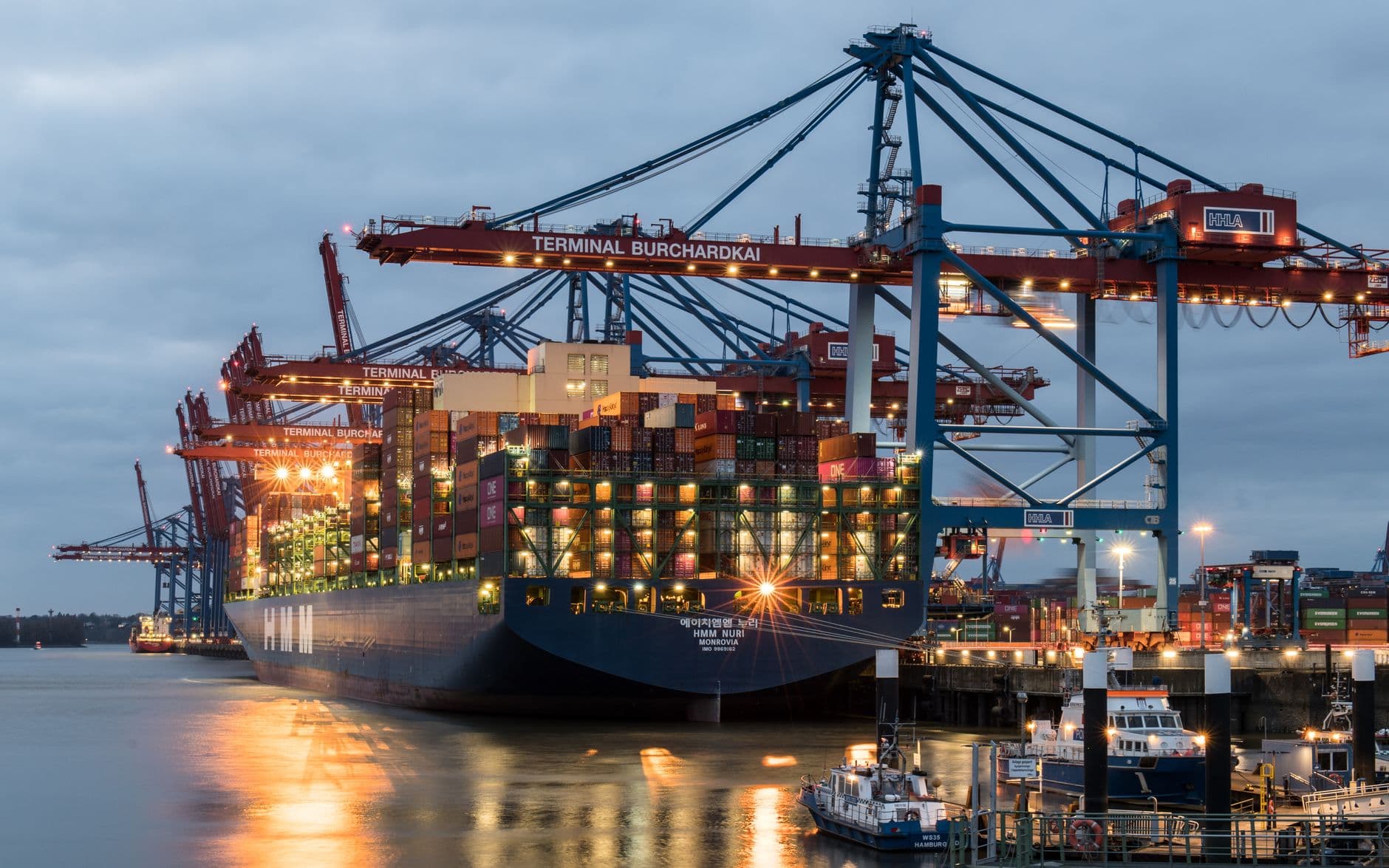
Asia to Latin America Ocean Lanes in 2026: The New West-Coast Routes Reshaping Trade
Container lines are wiring Asia straight onto Latin America's west coast in 2026, cutting out the old US and Caribbean transshipment hubs. We break down the new direct loops into Mexico's Pacific ports, the Chancay megaport in Peru and the Andean coast, plus the routing trade-offs shippers face.

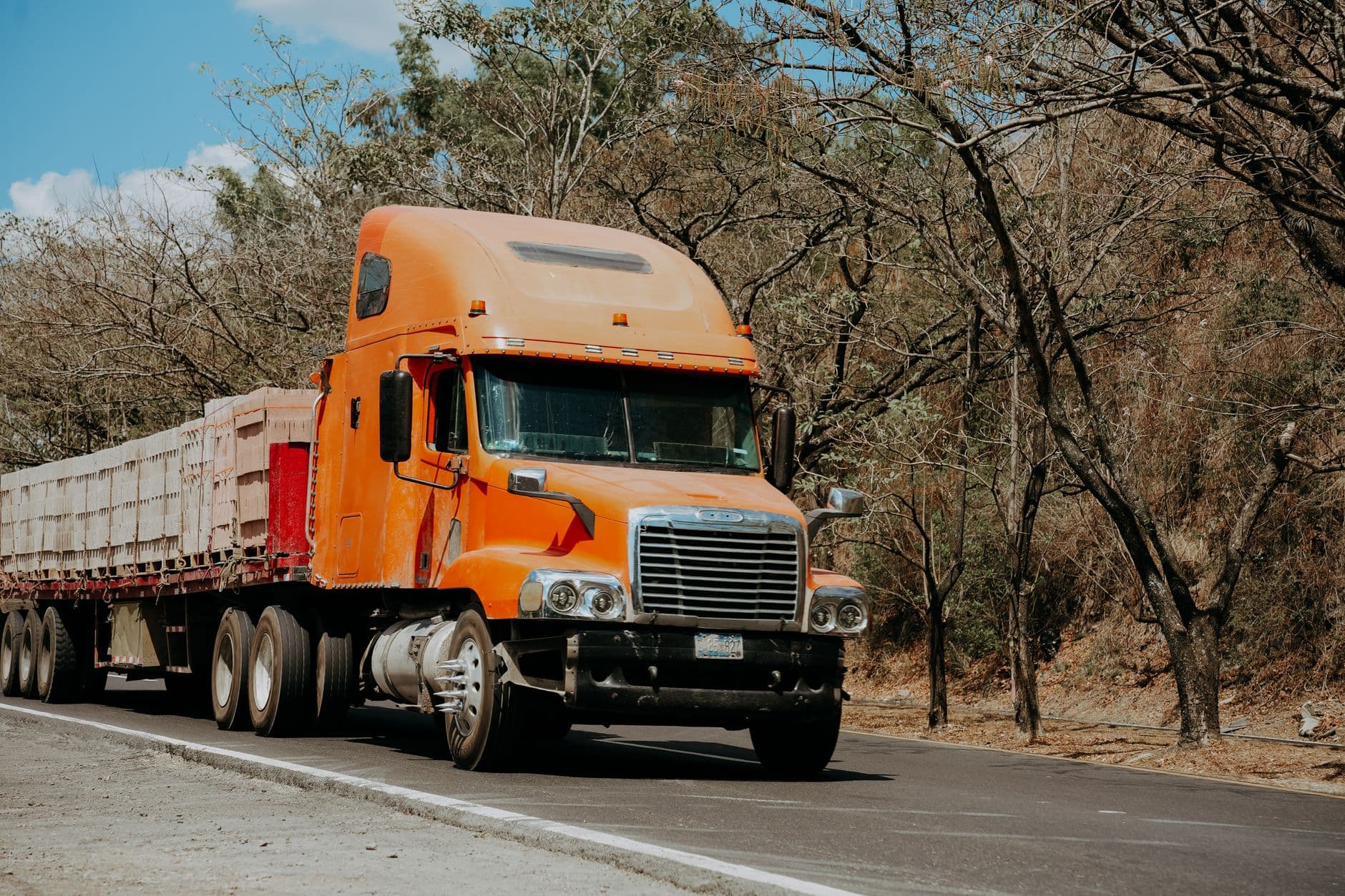
The UAE-Jordan Railway Deal of 2026: A Gulf-to-Levant Freight Corridor Takes Shape
In April 2026 the UAE and Jordan formalized a 2.3 billion dollar deal for a 360 km railway, framed as a Gulf-to-Levant corridor. Our freight desk explains what it moves first, the honest timeline, the reopening Turkey-Jordan road bridge, and why Aqaba is the anchor.