
Alexander Petrunin
Připsání odkazu
Tento archiv shromažďuje historické autorské štítky. Identita a autorství nebyly ověřeny podle našeho současného redakčního procesu.
Články

Zabezpečení Freight MCP serveru: OAuth 2.1, otrávení nástrojů a odhalené instance
Třetí část série o nákladním MCP: jakmile si agent může rezervovat skutečné zásilky, jak zabráníte tomu, aby si rezervoval nesprávnou věc pro nesprávnou osobu? Bezpečnostní model nezávislý na dodavateli rozdělený na čtení versus zápis, OAuth 2.1 s PKCE pro zápis nástrojů, problémy s otravou nástrojů a vystavených instancí a co musí server tržiště vynucovat, co může jeden dopravce přeskočit.

Nová cla EAEU od července 2026: Lodní doprava do Kazachstánu, Ruska a Unie
Od 1. července 2026 EAEU zavede definovaný celní režim pro přeshraniční elektronický obchod (rozhodnutí Rady EAEU): limit 200 eur na zásilku zůstává, ale nad tuto hodnotu zboží podléhá clu 5 % (minimálně 1 euro/kg) plus DPH podle národních pravidel, přičemž kazašské DPH bude nově 16 %. Zde je praktický pohled: kdo platí na hranici, DDP versus DAP a proč se sklad na straně unie stává výhodou.

Nákladní servery MCP v roce 2026: Warp, CargoMART a co musí tržiště serveru vystavit
Porovnání serverů nákladního MCP, které byly skutečně nasazeny v roce 2026 (Warp, CargoMART, freightutils, Easyship): nástrojové plochy, kde je blokováno rezervování, past platnosti cenové nabídky, stdio vs. hostované HTTP a co musí tržiště více dopravců odhalit.

Vysvětlení SABER & FASAH: Saúdská certifikace dovozu krok za krokem
Od října 2025 nebude žádná zásilka odbavena saúdským celním úřadem bez certifikátu SABER. Zde je vysvětlení, jak SABER a FASAH spolupracují, rozdíl mezi PCoC a SCoC, postup krok za krokem, změna HS kódu v roce 2026 a hlavní důvody zamítnutí certifikátů.
MCP v logistyce: Jak propojit agenty AI s API pro přepravu
Otevřený standard nyní umožňuje AI agentům citovat, rezervovat a sledovat přepravu prostřednictvím jediného API propojení. Zde je návod, jak funguje MCP, minimální příklad serveru, kdo jej spustí v roce 2026 a jak jej udržet v bezpečí.
Portugal Freight Transport Trends and Logistics
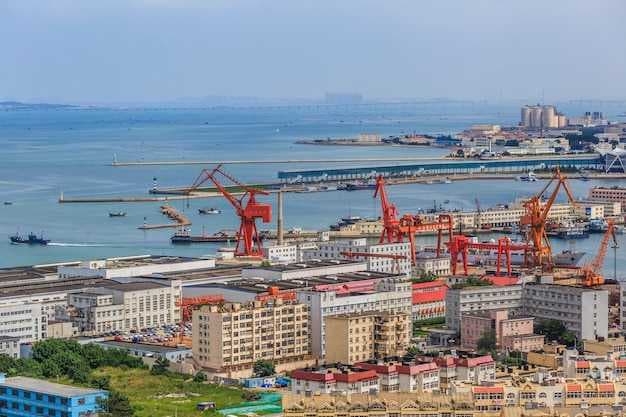
Portugal’s freight transport sector is undergoing a transformation driven by globalization, e-commerce growth, and strategic investments in port infrastructure. The country’s Atlantic edge, access to the Iberian Corridor, and proximity to both European and African markets position it as a key node in multimodal supply chains. In recent years, ports such as Port of Lisbon , Port of Leixões , and Port of Sines have expanded capacity, diversified cargo profiles, and improved hinterland connections to support containerized, bulk, and Ro-Ro traffic. Shifts toward intermodal solutions are accelerating, aided by ongoing TEN-T corridor enhancements, improved rail-first shipping lanes, and

Next Gen Freight Platforms for European Carriers
Next-gen freight platforms are digital ecosystems that connect European carriers, shippers, and logistics services through unified workflows and real-time data sharing. By integrating transport modes, customs compliance, and payment flows, these platforms create a seamless operating picture across the continent's diverse supply chains. They enable dynamic capacity matching , end-to-end visibility , and data-driven decision making , reducing manual touchpoints and accelerating tender cycles across cross-border corridors. For European carriers, benefits include lower empty miles , access to cross-border loads, improved on-time performance, and new revenue streams from value-added services
 Ilustrace asistovaná umělou inteligencí
Future European Freight Platforms for Carriers
European freight markets are transitioning to platform-based ecosystems that connect carriers, shippers, and logistics providers on a single digital interface. Fragmentation across borders, languages, and regulatory regimes creates friction; next-generation platforms aim to consolidate capacity, pricing, and compliance, delivering visibility and speed to carriers. These platforms will be built on open data standards and an API-first design, enabling seamless data exchange across modes, customs authorities, insurers, and payments. Real-time capacity matching, dynamic pricing , and multi-leg routing reduce empty miles and improve utilization. Interoperability across European borders remains

Future Freight Platforms for European Carriers
Future freight platforms are reshaping the European carrier landscape by connecting shippers, freight forwarders, and operators through unified digital marketplaces. They reduce empty miles, sharpen real-time visibility , and enable cross-border coordination across road, rail, sea, and air. These platforms converge legacy IT systems into interoperable ecosystems based on open APIs, standardized data models, and digital documentation. Interoperability and data standardization are the core enablers, reducing friction at borders and speeding up operational cycles. In the European regulatory context, platform design emphasizes transparency, compliance, and sustainability. Regulatory alignment

EU Carriers Marketplaces vs Traditional Brokers
The European freight market is shifting from traditional brokers to digital carrier marketplaces, platforms that directly connect shippers with a wide pool of carriers. These marketplaces optimize capacity along EU corridors, enable faster tendering, and standardize data flows, offering new options for both small and large shippers. Marketplace platforms deliver transparency , real-time capacity, dynamic pricing, and streamlined operations by aggregating quotes, tracking, and payments in a single interface. Shippers can compare routes, transit times, and service levels across multiple carriers, often with APIs that integrate to existing ERP or TMS systems. Traditional brokers still provide

EU Carrier Marketplaces vs Traditional Brokers
In the European freight market, carrier marketplaces bring shippers, carriers, and forwarders onto digital platforms that enable real-time capacity matching. Marketplaces deliver price transparency , rapid quotations, and standardized workflows, while traditional brokers rely on long-standing relationships, local knowledge, and bespoke risk management. Marketplaces scale by aggregating lanes across EU borders, enabling shippers to compare rates, transit times, and service levels in real time. Traditional brokers contribute lane expertise and customized solutions for complex shipments, including regulatory compliance, carrier vetting based on trust, and hands-on contingency planning for

Marketplaces vs Traditional Brokers for EU Carriers
EU Carriers Marketplaces are digital platforms that connect shippers with a network of carriers through real-time bidding, automated matching, and instant quotes, enabling a more fluid flow of capacity across the European Union. Unlike traditional brokers who manually source carriers and negotiate rates, marketplaces scale visibility and speed, reducing friction in cross-border shipments and enabling standardized workflows across multiple countries. These marketplaces improve price discovery and transparency by displaying carrier rates, transit times, and load histories in near-real time, allowing shippers to compare options without intermediaries. For carriers, the platforms offer access