


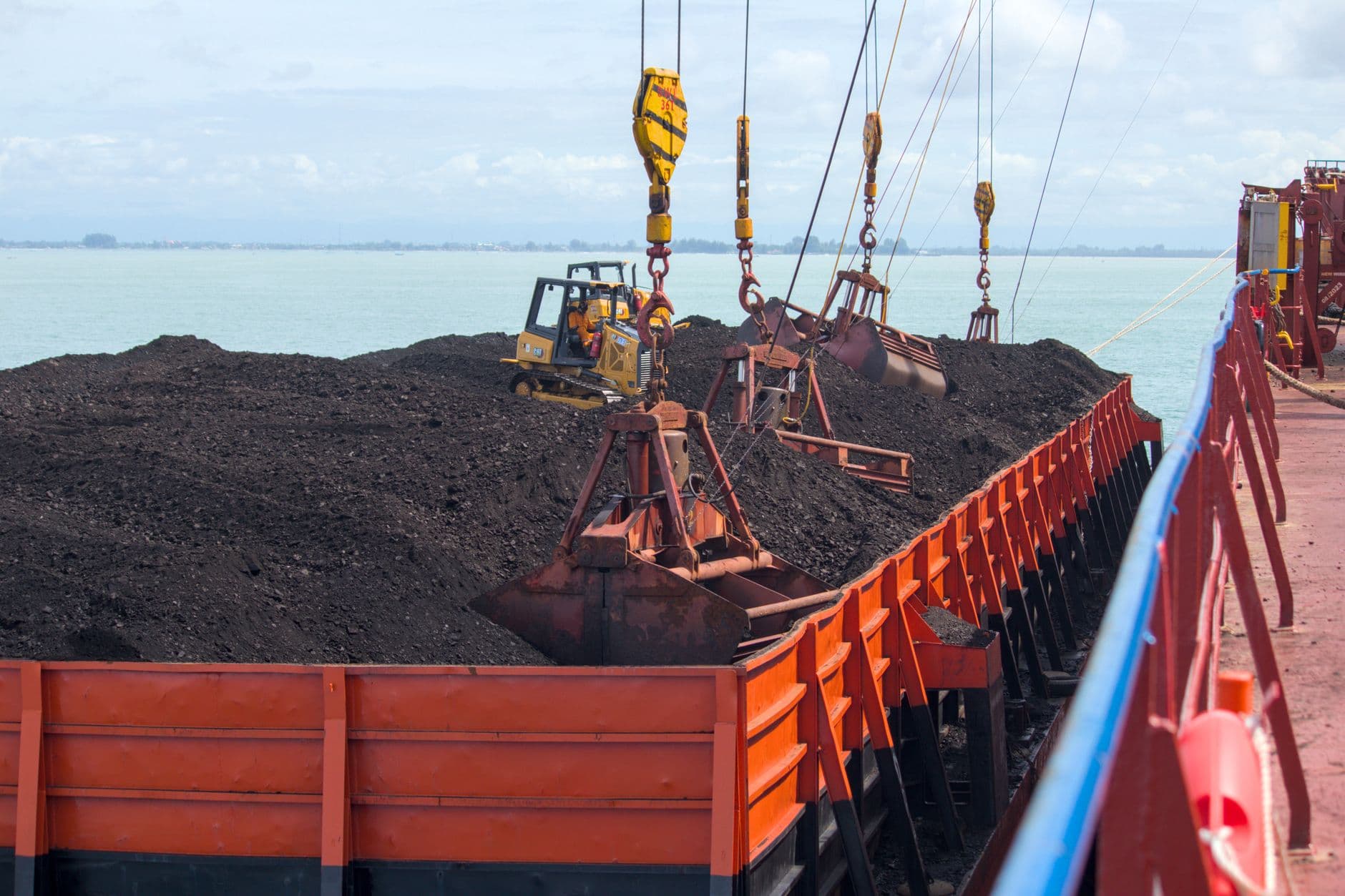

Většinu poslední dekády platilo, že pokud jste chtěli z konžské měděné oblasti (Copperbelt) odvézt měď nebo kobalt, museli jste je naložit na náklaďáky. Dva tisíce kilometrů nebo více, na východ do Dar es Salaámu nebo na jih do Durbanu a Beiry, po cestách, které se na každém hraničním přechodu proměnily v nekonečné fronty. Seděl jsem s manažery těžební logistiky, kteří počítali s čtyřiceti dny od dveří k přístavu a považovali se za šťastné, když se zboží dostalo na místo za padesát. Nikomu se to nelíbilo. Prostě nic jiného neexistovalo.
Nyní existuje, a zajímavé je, že to funguje. Koridor Lobito není memorandum o porozumění ani slavnostní zahájení stavby. Je to fungující železnice s přepravovanými objemy a v roce 2026 to bude nejkratší trasa z Kolwezi do jakéhokoli afrického přístavu, zkracující vnitrozemskou dopravu asi na sedm dní. Lobito Atlantic Railway To je číslo, které by mělo logistického manažera zastavit uprostřed věty.
Níže je stav koridoru, jak jej chce vidět vlastník nákladu: co dnes funguje, co skutečně uveze, kde se to láme a které části jsou stále příslibem pro rok 2029, nikoli rezervací na rok 2026.
Co se vlastně děje
Provozovaný majetek tvoří trať Benguela, dlouhá 1 289 km, vedoucí z atlantického přístavu Lobito k hranici mezi Angolou a DRK, držená na základě 30leté koncese na nákladní dopravu. African Business Koncesionář, společnost Lobito Atlantic Railway, převzal trasu z koloniální éry, která byla desetiletí zanedbaná, a přestavuje ji na funkční trasu pro vývoz nerostných surovin.
Historie objemů je krátká a úderná. Během roku 2025, svého prvního plného provozního roku, LAR přepravil přes 200 000 tun nákladu do a z přístavu Lobito, přičemž jeho dosud nejvyšší měsíční údaj byl zaznamenán v prosinci 2025 s 37 000 tunami domácí a mezinárodní dopravy. Lobito Corridor Intelligence V lednu 2026 bylo přepraveno 30 000 tun a ve stejném měsíci bylo vidět 50 000tunovou sirnou hromadnou lodní dopravu pracující v těžebním terminálu v Lobitu, což je důležité, protože síra je dováženým činidlem pro zpracování mědi a naložený zpáteční spoj je to, co činí minerální železnici ekonomickou. Lobito Corridor Intelligence
Na rok 2026 je udávaný cíl operátora 240 000 tun mědi z Kolwezi do Lobita. Jeune Afrique Postavte si to proti dlouhodobé projektované kapacitě 4,6 milionu tun ročně při plném výkonu, přičemž objemy nákladní dopravy mají do roku 2030 dosáhnout 5 milionů tun ročně, a získáte upřímný obraz o tom, kde se to nachází. Lobito Corridor Intelligence Železnice je skutečná a momentálně funguje zhruba na 5 % toho, čím se má stát.
| Metrika | Stav |
|---|---|
| Provozní linka | Benguela, 1 289 km, Lobito k hranici s DRK |
| Konkurence | 30letá koncese na nákladní dopravu |
| Kolwezi do přístavu tranzit | ~7 dní ve vnitrozemí |
| O dům k domu, všechno po nohách | 12–17 dní vs 40–55 dní na východ nebo na jih |
| objem 2025 | >200 000 tun |
| Nejlepší měsíc pro rande | 37 000 tun (prosinec 2025) |
| zlato 2026 | 240 000 tun, Kolwezi do Lobita |
| Přístav Lobito, 1. pololetí 2026 | 931 000 tun; ~2 miliony tun předpoklad pro daný rok |
| Kolejová vozidla v provozu, leden 2026 | 360 vagónů, 28 lokomotiv |
| Závazné vozy | +1 500 vagónů, 35 lokomotiv |
| Návrhová kapacita | 4,6 milionu tun/rok; 5 milionů tun/rok plánováno do roku 2030 |
| Výpadek 2026 | ~2 měsíce, duben až červen, záplavy Benguely |
| Fáze 2 | ~800 km Luacano do Chingoly, sekce 2028–2029 |
Sedm dní a proč toto číslo mění rozhodnutí
Sedmidenní vnitrozemská tranzitní doprava je celým komerčním argumentem koridoru, takže stojí za to být přesný ohledně toho, co nahrazuje. Východní trasa z Copperbeltu do Dar es Salaamu a jižní trasa do Durbanu obě vedou více než 2000 km po silnici a právě silniční složka je místem, kde se liší. Hraniční fronty na Kasumbalese jsou často měřeny ve dnech spíše než hodinách natolik, že si je plánovači započítávají jako standardní předpoklad.
Spočítejte celou cestu a rozdíl se spíše rozšiřuje, než zužuje. Údaje z průmyslu pro rok 2026 uvádějí průměrnou dodávku od začátku do konce přes Lobito v rozmezí 12 až 17 dnů, pokud zahrneme všechny etapy, oproti 40 až 55 dnům na východních a jižních trasách. Lobito Corridor Intelligence Toto je srovnání, které by měl plánovač používat, protože sedmidenní údaj představuje vlak a údaj 12 až 17 představuje dodavatelský řetězec.
Třítýdenní až čtyřtýdenní úspora má na dodavatelský řetězec těžby dva dopady. Stlačuje peněžní cyklus, protože kov, který dorazí k lodi za čtrnáct dní, je kov fakturován o měsíc nebo více dříve než kov v kamionové frontě. A směřuje náklad k jinému oceánu. Z Lobita jste již na Atlantiku, čelíte Evropě a východnímu pobřeží USA, bez části kolem mysu Dobré naděje, kterou vyžaduje východoafrický přístav pro kov směřující do Evropy. Pro producenta prodávajícího evropským hutím je to strukturální změna v trase spíše než marginální úspora.
Proof of concept se stal komerčním, nejen provozním. Společnosti Trafigura, Aurubis a Kamoa Copper dokončily první prodej nízkouhlíkové rafinované mědi přepravené po železnici Lobito Atlantic Railway. Dne 24. března 2026 byla z komplexu Kamoa-Kakula odeslána zásilka anodové mědi o čistotě 99,7 %. Trafigura Když jsou hutní závod a obchodník ochotni sepsat smlouvu ohledně trasy, tato trasa překonala rozhodující překážku.
Signál poptávky na druhém konci je nyní viditelný v obchodních datech. Čínský dovoz měděných anod z DRC vzrostl v červnu 2026 meziměsíčně o 54,33 % a meziročně proti červnu 2025 o 104,78 %, což je nárůst přičítaný zprovoznění dolu Kamoa, který využívá tento koridor k exportu. Discovery Alert Zdvojnásobení meziročního objemu není koridor, který se „rozjíždí“. Je to koridor, který se stal „nosným“ pro produkci konkrétního dolu, což je důležité vědět, pokud chcete na něm rezervovat kapacitu.
Karbonový úhel není rovněž dekorační prvek. Dlouhý silniční náklad představuje velké snížení emisí na tunokilometr a odběratelé kovů pro bateriový řetězec stále častěji uzavírají smlouvy na základě podmínek zapučeného uhlíku. Pokud přepravujete materiál a zákazník se ptá na rozsah 3, samotná trasa se stává součástí specifikace produktu. Naše Návod pro dodržování předpisů týkající se přepravy nákladu vzácných zemin a kritických minerálů. pokrývá dokumentační stránku těchto tvrzení, kde většina z nich selhává.
Kam šly peníze a co vám to říká
Kapacita na železnici je tvořena kolejovými vozidly a tratí, v tomto pořadí, a investiční program působí spíše jako plán kapacity než tisková zpráva. LAR se zavázal k investici 455 milionů dolarů do zlepšení infrastruktury v Angole a 100 milionů dolarů do modernizace na straně DRC, včetně 1 500 dalších vagonů a 35 nových lokomotiv. Discovery Alert Koridor dosáhl finančního uzavření ve výši 753 milionů dolarů rozvojového financování od DFC a DBSA v prosinci 2025. Lobito Corridor Intelligence
Nyní uveďte počty schválené vedle těch provozních, protože toto je zdaleka nejujícícnějších srovnání v celém příběhu o koridoru. K lednu 2026 LAR provozoval 360 vagónů a 28 lokomotiv, s dalšími vagóny v procesu renovace. Lobito Corridor Intelligence Plánem je 1 500 dalších vagónů. Železnice tak provozuje zhruba s pětinou kolejových vozidel, než předpokládá cílová kapacita.
Tato mezera přesně vysvětluje objemové údaje a je to číslo, které bych sledoval nade vše ostatní při plánování objemu na této trase. Propustnost minerálního koridoru je omezena tím, kolik vagónů dokáže propustit, spíše než tím, kolik má kolejí. Když mi operátor řekne, že kapacita se blíží, ptám se, kdy dorazí vagóny, a ptám se, zda se jedná o nové vozy nebo renovace, protože druhá možnost dorazí dříve a méně spolehlivě. Tato jediná otázka předpověděla více nárůstů v koridoru než jakákoli předpověď tunáže, kterou jsem viděl.
Začátek směrem k moři postupuje ve stupních, což je povzbudivá polovina. Přístav Lobito odbavil v prvním pololetí roku 2026 931 000 tun nákladu, převážně minerálů, s celoročním odhadem kolem 2 milionů tun. Lobito Corridor Intelligence Přístav směřující k 2 milionům tun oproti návrhové kapacitě železnice 4,6 milionu tun dnes není omezujícím faktorem, a na většině nových koridorů je právě přístav úzkým hrdlem. Zde jsou to vagony.
Fáze 2 je příběh z roku 2029, ne z roku 2026.
Tady bych se trochu zdráhal ohledně veškerého nadšení. Transformovaný koridor závisí na Fázi 2: přibližně 800 km nové železniční tratě z Luacano v Angole do Chingoly v Zambii, jejíž výstavba má začít v únoru 2026 a první úseky mají být v provozu mezi lety 2028 a 2029. Discovery Alert Toto rozšíření by přímým způsobem propojilo další provozy v měděném pásu a potenciálně zdvojnásobilo propustnost koridoru pro měď.
Zelená železnice v dané geografii, v dané délce a v daném časovém horizontu je ambiciózním plánem podle jakýchkoli měřítek. Zadávání zakázek na 800 km úsek je v plném proudu, přičemž se očekává, že nabídky na inženýring a výstavbu budou ve druhé polovině desetiletí rámovat fáze prací. Discovery Alert Rok 2028 bych považoval za nejbližší datum, kdy by po ní mohl jet platící tuna, a nesestavoval bych kolem ní dodavatelský řetězec pro rok 2027.
Praktické dělení pro přepravce je přímočaré. Zambijská měď přepravovaná dnes stále potřebuje pozemní část, aby se dostala k železniční stanici, takže výhoda Lobiya je částečná. Konžská měď z Kolwezi a Kamoa-Kakula je již na železnici. Pokud váš materiál leží v Zambii, koridor je možností z roku 2029, kterou stojí za to sledovat. Pokud leží v Demokratické republice Kongo, je to rozhodnutí pro toto čtvrtletí.
Režimy selhání, proti kterým bych se pojistil
Jednokolejná železnice do jednoho přístavu má koncentrovaný profil rizika a rok 2026 ji již řádně prověřil. Silné záplavy v angolské provincii Benguela zastavily provoz na trati a vlaky s mědí z Demokratické republiky Kongo byly obnoveny až v červnu 2026, po zhruba dvou měsících mimo provoz. Discovery Alert Dva měsíce nejsou jen malá nepříjemnost. Pokud vaše jediná exportní trasa stojí dva měsíce, jde spíše o rozhodnutí týkající se výroby než logistiky.
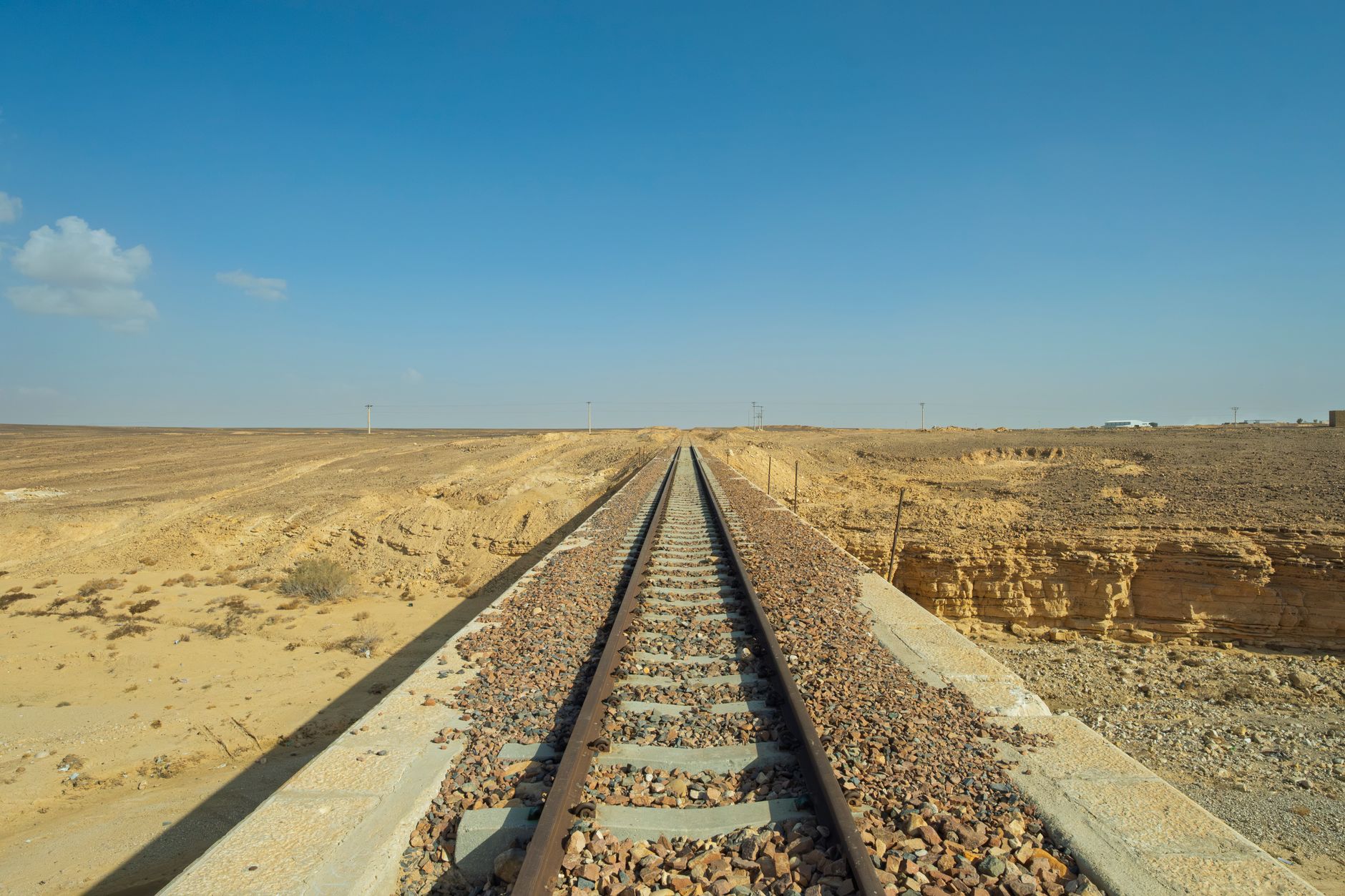
Užitečnější je to, co ukázala obnova. Vedení se vrátilo, koncesionář ho opravil a tok obnovil během jediné sezóny, což je víc, než se podařilo několika africkým koridorům po srovnatelném poškození. Infrastrukturu bych označil za prověřenou spíše než za křehkou: občas se zastaví a znovu se spustí. Tato kombinace je něco, s čím se dá počítat, pokud se kolem toho skutečně plánuje.
Což znamená, že plán B není volitelný. Kdokoli přesouvá smysluplný objem na Lobito, potřebuje naceněné a smluvně zajištěné řešení pro dvouměsíční výpadek, a v praxi to znamená udržovat kamionové soupravy v pohotovosti na východní trase, i když je nepoužíváte. Klienty, kterým sezónní koridory ubližují, nejsou nikdy ti, kteří o období dešťů věděli. Jsou to ti, kteří nechali alternativní smlouvu vypršet, protože se jedenáct měsíců jevila jako zbytečná položka.
Další omezení, která bych otestoval před závazkem k objemu:
- Rozdělení vagonů. S 360 vagonyny ve službě oproti plánu 1 500 vagonyn, místa jsou nedostatkovým zbožím. Získejte písemný závazek přidělení, nikoli ujištění o budoucí kapacitě.
- Proces na hranici při přechodu Angola–DRC. Železnice odstraní frontu kamionů, ale neodstraní celnici. Zda dokumentace postupuje stejně rychle jako vagóny, to z dvanáctidenní cesty od dveří ke dveřím udělá sedmnáctidenní.
- **Využití zpáteční cesty.** Ten 50 000 tun síry je důležitý náklad, protože prázdné zpáteční cesty prodražují tarif za koridor. Zeptejte se, jaký je skutečný činitel naložení příchozího směru.
- Koncentrační riziko. Jedna linka, jeden operátor, jeden přístav, jedno období dešťů. Postavte to upřímně proti silniční síti, která je pomalá a nespolehlivá, ale nemá žádný jediný bod selhání.
Jak to zapadá do širšího obrazu koridoru
Lobito patří do kategorie, která se stala nejzajímavější věcí v nákladní geografii: koridory postavené k přesměrování specifických toků komodit kolem specifických úzkých míst. Případ měděného pásu je neobvykle čistý, protože náklady jsou vysoké, cílové trhy směřují k Atlantiku a stávající trasa je skutečně špatná.
Úspěch Lobita také vyvolal reakci a tato reakce je tím, co s největší pravděpodobností změní vaše obchodní podmínky v příštích několika letech. Čína zrychlila modernizaci železnice TAZARA směrem k Dar es Salaam a proměnila měděný pás v soutěž mezi atlantickou trasou podporovanou Západem a trasou do Indického oceánu podporovanou Čínou. African Business Jižní Afrika se obecně nachází uprostřed železničního oživení, kdy souběžně probíhá několik koncesí a rehabilitačních programů. African Business
Pro vlastníka nákladu je konkurence mezi dvěma koridory jednoznačně dobrou zprávou a stojí za to si ji naplánovat, než ji jen zaznamenat. Dvě fungující trasy znamenají tlak na tarify, smluvní závazky, které něco znamenají, a skutečnou alternativu, když jedna linka zaplaví. Moje rada výrobcům je vyhnout se tomu, aby se stali přepravci po jedné trase, i když je dnes Lobito jasně lepší trasou, protože vyjednávací pozice, kterou budete mít v roce 2028, závisí na tom, že jste obě věrohodně využili.
Stejná strukturální logika se odehrává i jinde u různých komodit a časových horizontů. V Asii je vzor totožný, jak ukazují naše průvodci Železniční koridor Qinghai–Dong Nai a Železniční koridor Východ-Západ Laos: nová linka, specifický tok, tvrzení o tranzitní době, které musí být ověřeno vůči skutečné době zdržení.
To, co odlišuje koridory, které fungují, od těch, o kterých se píše, je nudné: dostupnost kolejových vozidel, hraniční dokumentace, kapacita přístavu na mořském konci a návratová trasa. Lobito si v současnosti vede lépe v prvním a posledním z těchto bodů než většina jeho konkurentů, což je hlavní důvod, proč to beru vážně. Pro kontext rozsahu, kde se kterýkoli z těchto operátorů nachází v porovnání s globálními giganty, je naším referenčním bodem naše hodnocení největší železniční nákladní dopravci na světě v roce 2026.
Co bych udělal, kdyby se tato chodba dotkla mého nákladu
Pokud přepravujete minerály, činidla nebo projektový náklad do regionu Copperbelt nebo z něj, tento koridor si tento týden zaslouží živý dotaz spíše než sledování. Zeptejte se LAR na aktuální dostupnost vozů a písemný termín pro vaši tonáž, protože s 360 vozy v provozu se nejedná o železnici s otevřeným přístupem a přidělení je závazným omezením. Získejte zvlášť hraniční dobu tranzitu od doby tranzitu po železnici, protože sedmidenní údaj se týká vlaku a 12–17denní údaj je to, co zažije váš zákazník. Zároveň naceněte příchozí úsek, protože tok činidel a vybavení je tam, kde skutečně probíhá vyjednávání o tarifu.
Pokud váš materiál sídlí v Zambii, ponechte soubor otevřený a vraťte se k němu, až budou spuštěny sekce Fáze 2, což neočekávám, že by znamenalo příjmové tuny před rokem 2028. A cokoliv se zavážete k Lobitu, udržujte jako projednanou alternativu na východní trase živou, spíše než abyste ji nechali zaniknout. Přerušení provozu v důsledku povodní v roce 2026 trvalo zhruba dva měsíce a modernizace TAZARA znamená, že tato alternativa je lepší, nikoli horší.
Koridor, který existoval na papíře roky, nyní přepravuje měď z měděného pásu do Atlantiku za 12 až 17 dní od dveří ke dveřím a zotavil se z dvouměsíčního uzavření kvůli povodním během jedné sezóny. Tyto dva faktory dohromady z něj činí něco, co lze plánovat, nikoli pouze slibovat. Pět milionů tunová verze stále závisí na 1 500 vagonech a 800 km nové trati, které ještě neexistují, a plány v té části světa mají tendenci přicházet pozdě. Stavějte kolem toho, co funguje, a druhou trasu udržujte v pohotovosti.