


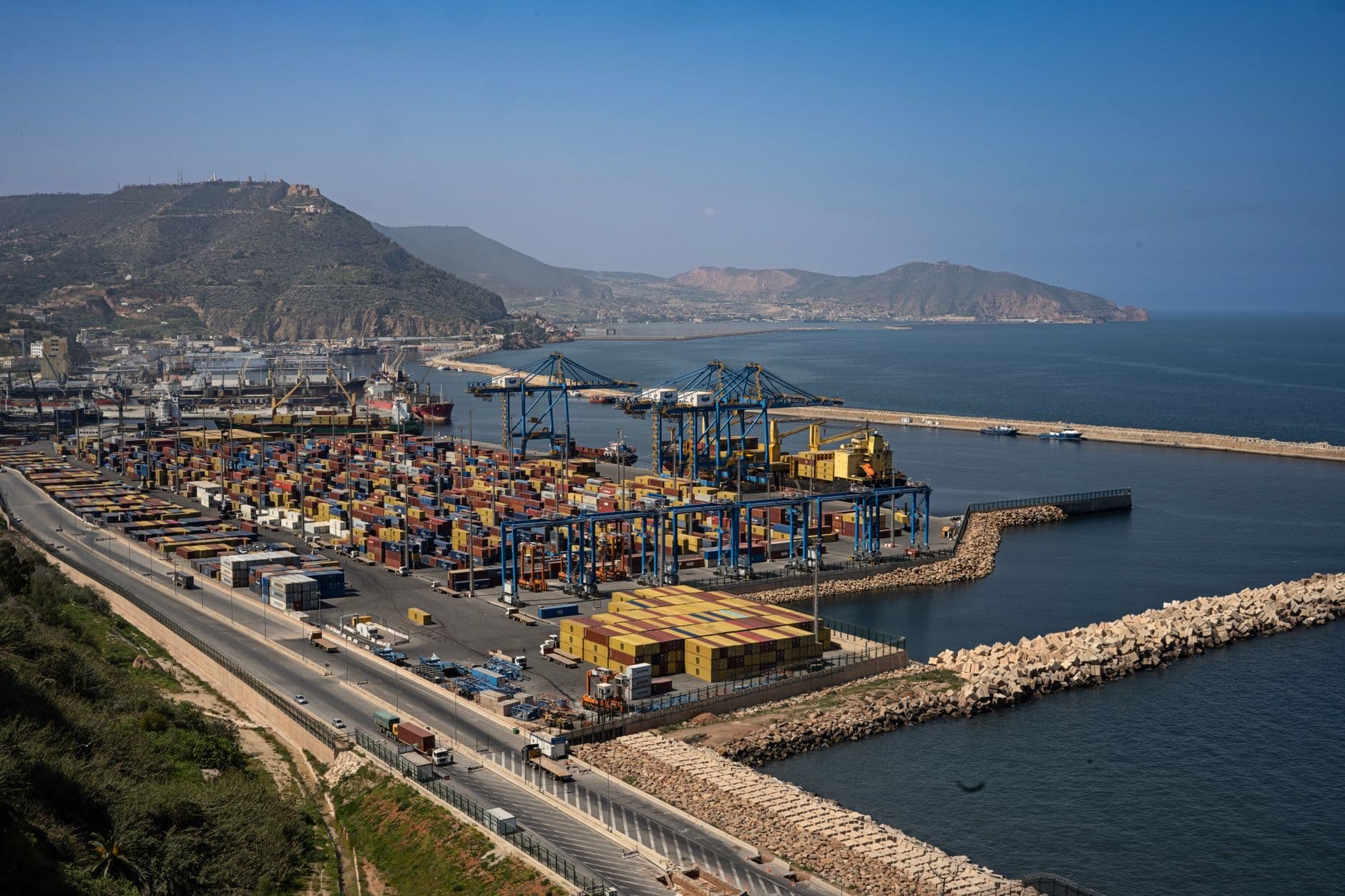

Maroko se posunulo z levné druhořadé destinace do popředí zájmu v oblasti nearshoringu pro Evropu a naše zprávy naznačují, že tento posun nyní vypadá spíše strukturální než oportunistický. Podle vlastních údajů Tanger Med přístav odbaví miliony kontejnerů ročně pouhých 14 km od Evropy; automobilový klastr kolem Renaultu a Stellantis je kotvou ekonomiky; a štědrý daňový režim uzavírá případ. Níže uvádíme, jak bychom zhodnotili rozhodnutí o nákupu zdrojů v roce 2026.
Přístavní komplex Tanger Med v nedávných letech odbavil přes 9 milionů TEU a stal se tak největším přístavem v Africe a Středomoří. Tato infrastruktura není pouhým tranzitním bodem pro globální obchod, ale logistickou páteří strategického průmyslového posunu. Evropští výrobci stále častěji přesouvají výrobní linky do Maroka, aby zmírnili rizika narušení dodavatelského řetězce spojená se vzdálenými dodavateli, čímž vytvářejí hmatatelný „nearshoringový“ koridor, který spojuje severní Afriku s Evropou po moři za méně než 24 hodin. Rozhodnutí o přesunu již není teoretické; je to vypočítavá reakce na geopolitickou nestabilitu a naléhavou potřebu dekarbonizovaných dodavatelských řetězců.
Strategická nutnost nearshoringu v roce 2026
Globální dodavatelské řetězce prošly zásadní restrukturalizací od narušení pandemie v letech 2020–2022. Společnosti, které spoléhaly na výrobu „just-in-time“ z Asie, nyní upřednostňují odolnost před čistou nákladovou efektivitou. Maroko se nachází na jedinečném geografickém průsečíku, který nabízí blízkost k jednotnému trhu Evropské unie a zároveň zachovává nižší náklady na pracovní sílu než západní Evropa. Průměrná doba námořní přepravy z Tanger Med do hlavních evropských uzlů, jako je Valencie ve Španělsku nebo Marseille ve Francii, je přibližně 12 až 24 hodin. Tato rychlost je klíčová pro odvětví s krátkým životním cyklem výrobků nebo vysokou obrátkou zásob.
Ekonomická logika je přímočará. Zatímco náklady na pracovní sílu v Maroku jsou výrazně nižší než v Německu nebo Itálii, neustále rostou, protože země přitahuje více přímých zahraničních investic. V roce 2026 spočívá konkurenční výhoda nejen v levné pracovní síle, ale také v integrovaném ekosystému a záměrně štědrém režimu pobídek. Marocké zóny průmyslové akcelerace – rámec za lokalitami, jako je Tangier Automotive City – osvobozují kvalifikované společnosti od daně z příjmu právnických osob na prvních pět let, poté uplatňují sníženou sazbu 20 % od šestého roku a na 15 let prominou daň z profesionální (obchodní) činnosti. V kombinaci nižšími náklady na pracovní sílu a životní náklady než v Polsku nebo na Slovensku, tyto pobídky materiálně snižují náklady na zřízení a provozování činností. Kupující by si měli stále modelovat svou celkovou vlastnickou cenu, nikoli se spoléhat na jediné hlavní číslo, protože náklady na energie, logistiku a náběh se liší sektor od sektoru.
Úloha dohod o volném obchodu
Síť dohod o volném obchodu (FTA) Maroka poskytuje klíčový právní rámec pro nearshoring. Dohoda o přidružení mezi EU a Marokem umožňuje bezcolní přístup na evropský trh pro většinu zboží za předpokladu, že splňuje specifická pravidla původu. Aktualizovaná rozhodnutí Rady pro přidružení mezi EU a Marokem v letech 2025-2026 upravila protokoly původu podle původní dohody z roku 2000, takže vývozci by si měli ověřit, že pracují podle aktuálních pravidel, nikoli podle starších pokynů. To znamená, že komponenty vyrobené v Maroku lze vyvážet do Evropy bez celních poplatků, čímž se zachovává nákladová výhoda výroby. Kromě toho má Maroko dohody o volném obchodu s USA, Kanadou a několika dalšími zeměmi, což firmám umožňuje využívat Maroko jako platformu pro přístup na dva trhy. Tato schopnost přístupu na více trhů je významným lákadlem pro nadnárodní korporace, které chtějí diverzifikovat své exportní základny.
Nicméně dodržování pravidel původu je nezbytné. Výrobci musí zajistit, aby byla v Maroku přidána dostatečná hodnota, aby mohli využívat preferenční zacházení. To vyžaduje pečlivé sledování původu materiálů a výrobních procesů. Mnoho společností spolupracuje s místními právními a celními odborníky, aby se vyrovnaly s těmito složitostmi. Riziko nedodržování předpisů může vést k dodatečnému vyměření cel a narušení dodavatelského řetězce. Proto musí počáteční fáze nastavení zahrnovat robustní protokoly pro dodržování předpisů. Dlouhodobý přínos bezcelního přístupu převažuje nad administrativní zátěží, ale pouze v případě, že je řízen správně.
Tanger Med: Logistické srdce koridoru
Tanger Med je více než jen přístav; je to integrované průmyslové a logistické centrum, které usnadňuje bezproblémový pohyb zboží mezi Afrikou, Evropou a zbytkem světa. Přístavní komplex zahrnuje několik terminálů, logistických parků a průmyslových zón navržených pro podporu velkoobjemové výroby a distribuce. Jeho strategická poloha v Gibraltarské úžině ho staví přímo na hlavní lodní trasy mezi Středozemním a Atlantským oceánem. Tato geografická výhoda zkracuje dobu přepravy a snižuje spotřebu paliva pro plavidla, což z něj činí atraktivní volbu pro ekologicky uvědomělé dodavatelské řetězce.
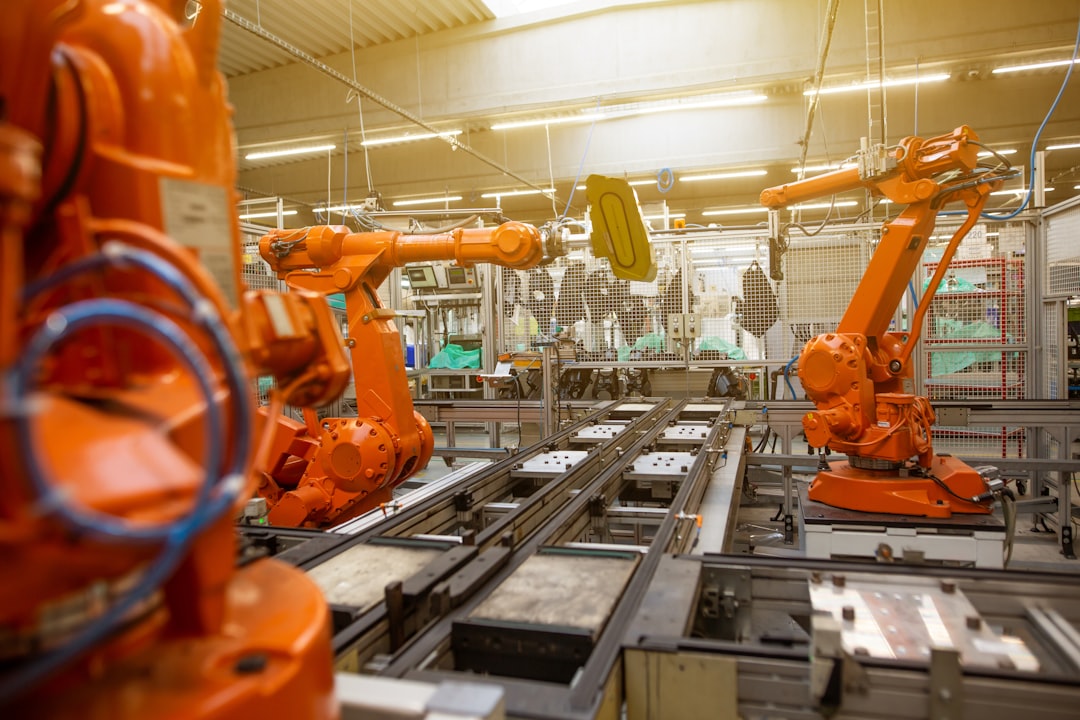
Kapacita přístavu se nadále rozšiřuje, aby uspokojila rostoucí poptávku. Nedávné investice se zaměřily na hlubokovodní kotviště schopná obsluhovat největší provozované kontejnerové lodě. Tato modernizace infrastruktury zajišťuje, že Tanger Med zvládne budoucí růst objemu obchodu bez zácpy. Přístavní správa rovněž investovala do digitálních systémů pro zefektivnění manipulace s nákladem a celního odbavení. Automatizované systémové brány a elektronická dokumentace zkracují dobu, kterou lodě tráví v přístavu, čímž se zvyšuje celková efektivita. Pro výrobce to znamená rychlejší obrat a snížení nákladů na držení zásob.
Integrace s průmyslovými zónami
Blízkost Tanger Med k průmyslovým zónám, jako je Tangier Automotive City – rozšířená z 517 na 808 hektarů na základě rozhodnutí ze září 2024 s cílem vytvořit prostor pro nové investice – a textilní zóně Beni Mellal, vytváří synergický ekosystém. Výrobci mohou přijímat suroviny v přístavu a nechat si je do několika hodin doručit do svých továren. Tato blízkost snižuje náklady na vnitrozemskou dopravu a minimalizuje riziko zpoždění. Logistická infrastruktura zahrnuje vyhrazené dálnice a železniční spojení, které propojují přístav s klíčovými průmyslovými oblastmi. Vysokorychlostní železniční trať Tanger-Kenitra dále zlepšuje konektivitu a umožňuje rychlou přepravu personálu a vysoce hodnotného zboží.
- Využijte logistický park Tanger Med pro konsolidované zásilky, abyste snížili náklady na jednotku přepravy až o 15 %.
- Navážete partnerství s místními logistickými poskytovateli, kteří mají navázané vztahy s přístavními úřady, abyste urychlili celní odbavení.
- Naplánujte si příjezdy kontejnerů mimo špičku, abyste se vyhnuli přetížení a snížili poplatky za zdržení.
- Implementujte systémy pro sledování v reálném čase pro monitorování pohybu nákladu od výrobní linky až po evropský sklad.
Integrace logistiky a výroby je pro Maroko klíčovou konkurenční výhodou. Na rozdíl od mnoha jiných destinací pro nearshoring, kde je logistika a výroba oddělena, Tanger Med nabízí ucelené prostředí. To snižuje složitost řízení více dodavatelů a kontraktorů. Pro firmy, které jsou v regionu nové, je klíčové využít stávající infrastrukturu a partnerství. Správcovská společnost přístavu, Tanger Med Port Authority, poskytuje podpůrné služby, které firmám pomáhají zorientovat se v místním regulačním prostředí. Tato podpora může výrazně zkrátit dobu potřebnou k zahájení provozu.
Automobilový boom: Případová studie průmyslového klastru
Automobilový průmysl je ukázkovým příkladem úspěchu nearshoringu v Maroku. Přední světoví hráči jako Renault a Stellantis zde zřídili rozsáhlé výrobní závody. Samotný závod Renault v Tangeru v roce 2024 vyrobil přes 400 000 vozidel, z nichž většina byla přímo exportována do Evropy. Přítomnost těchto klíčových společností přilákala hustou síť místních i mezinárodních dodavatelů. Tento efekt shlukování vytváří úspory z rozsahu a snižuje transakční náklady pro všechny zúčastněné. Dodavatelé těží z blízkosti svých zákazníků, zatímco výrobci získávají spolehlivou a rozmanitou dodavatelskou základnu.
Například závod Renault v Tangeru dosáhl v roce 2025 míry lokální integrace 65,5 % a do roku 2030 cílí na 80 %. To znamená, že rostoucí většina komponent používaných v jeho vozidlech pochází od marockých dodavatelů. Tuto vysokou míru lokalizace pohánějí jak ekonomické pobídky, tak strategická rozhodnutí ke snížení rizik dodavatelského řetězce. Místní dodavatelé masivně investovali do technologií a řízení kvality, aby splnili přísné požadavky globálních výrobců automobilů. Výsledkem je konkurenceschopná a vysoce kvalitní dodavatelská základna, která konkuruje těm ve východní Evropě a Asii. Pro nové účastníky je klíčové integrovat se do tohoto stávajícího ekosystému, nikoli se snažit vybudovat samostatný dodavatelský řetězec.
Rozvoj dodavatelů a standardy kvality
Marockí dodávatelia dosiahli významný pokrok v prijímaní medzinárodných štandardov kvality. Mnohí sú certifikovaní podľa noriem ISO 9001 a IATF 16949, pričom druhá menovaná je špecifická pre automobilový priemysel. Tieto certifikácie nie sú len zdrapom papiera; odrážajú odhodlanie k neustálemu zlepšovaniu a znižovaniu chybovosti. Európski kupujúci by mali vykonávať dôkladné audity potenciálnych dodávateľov, aby overili ich schopnosti. Zatiaľ čo certifikácie poskytujú základnú úroveň, na mieste sú potrebné posúdenia na vyhodnotenie skutočného výkonu. Hľadajte dodávateľov s preukázanými výsledkami spolupráce s európskymi klientmi, pretože je pravdepodobnejšie, že porozumejú kultúrnym a prevádzkovým nuansám.
Vláda a průmyslová sdružení hrají podpůrnou roli v rozvoji dodavatelského řetězce. Programy jako klastr "Maroc Automotive" poskytují školení a technickou pomoc místním firmám k modernizaci jejich procesů. Tyto iniciativy zvýšily celkovou úroveň kvalifikace pracovních sil a zlepšily produktivitu. Pro evropské společnosti to znamená větší výběr kvalifikovaných dodavatelů. Konkurence o špičkové dodavatele je však značná. Budování dlouhodobých vztahů je zásadní pro zajištění kapacity a preferenčních cen. Spolupráce na společných vývojových projektech může také posílit tyto vztahy a podpořit inovace.
Mimo automobilový průmysl: Služby a letecký a kosmický průmysl
Příběh nearshoringu Maroka už není jen o továrnách. Země se stala rychle rostoucí základnou pro outsourcing inženýrských a digitálních služeb zaměřených na evropské klienty – zejména Německo – a nabízí kupujícím možnost nearshoringu pro design, IT a back-office práce vedle fyzické výroby. Letecký průmysl se rozšiřuje na stejném principu: v roce 2026 se skupina Safran zavázala vyrábět komponenty podvozků pro Airbus v Maroku, čímž prohloubí klastr výroby s vysokou přidanou hodnotou, který sedí vedle automobilového klastru. Pro evropský sourcing tým tato diverzifikace znamená, že Maroko lze nyní hodnotit jako multi-sektorového nearshoringového partnera, nikoli sázku na jedno odvětví.
Nákupní příručka pro rok 2026: Praktické kroky pro kupující
Vstup na marocký trh vyžaduje strukturovaný přístup. Kupující by neměli na nearshoring pohlížet jako na pouhé přesunutí výroby, ale jako na strategické partnerství. Následující kroky nastiňují praktickou příručku pro získávání zdrojů z Maroka v roce 2026. Nejprve proveďte důkladnou analýzu trhu, abyste identifikovali potenciální dodavatele. K vytvoření užšího výběru využijte online adresáře, průmyslové zprávy a obchodní mise. Dále proveďte podrobnou prověrku každého dodavatele. To zahrnuje finanční stabilitu, výrobní kapacitu, certifikace kvality a pracovní postupy. Třetí krok, vyjednejte smlouvy, které jasně definují očekávání týkající se kvality, dodání a ochrany duševního vlastnictví.
Budování místní přítomnosti je často přínosné pro dlouhodobý úspěch. Zřízení místní kanceláře nebo partnerství se spolehlivým agentem může usnadnit komunikaci a dohled. Kulturní rozdíly mohou ovlivnit obchodní vztahy, proto je vhodné investovat do mezikulturního školení. Maročané si ve svých obchodních jednáních cení osobních vztahů a důvěry. Osobní schůzky, i když doplněné digitální komunikací, jsou důležité pro navazování vztahů. Kromě toho je klíčové porozumění místním pracovním zákonům a předpisům. Marocký pracovní zákoník poskytuje ochranu zaměstnancům a dodržování těchto předpisů je nezbytné, aby se předešlo právním problémům. Spolupráce s místními konzultanty pro lidské zdroje může pomoci při řešení těchto složitostí.
Řízení rizik a plány pro případ nouze
Maroko sice nabízí mnoho výhod, ale není bez rizik. Politická stabilita je obecně vysoká, avšak regionální napětí v severní Africe a Sahelu může mít dopady. Kupující by měli sledovat geopolitický vývoj a mít připravené krizové plány. Diverzifikace dodavatelské základny napříč různými regiony Maroka může zmírnit riziko lokálních narušení. Navíc, investice do pojištění pokrývající politická a provozní rizika je prozíravý krok. Pravidelná komunikace s dodavateli a místními partnery je nezbytná, aby byli informováni o možných problémech. Proaktivní řízení rizik zajišťuje, že výhody nearshoringu nebudou podkopány nepředvídanými událostmi.
Další častým omylem je, že nearshoring automaticky vede k nižším nákladům. I když jsou náklady na pracovní sílu a logistiku nižší, existují skryté náklady spojené se zakládáním provozu, jako jsou právní poplatky, konzultační služby a školení. Kupující by měli provést analýzu celkových nákladů vlastnictví, aby zajistili finanční životaschopnost přesunu. Tato analýza by měla zahrnovat všechny přímé a nepřímé náklady, jakož i hodnotu zlepšené odolnosti dodavatelského řetězce. Pro informované rozhodnutí je nutný holistický pohled na finanční dopad. Cílem není pouze snížit náklady, ale posílit celkovou konkurenceschopnost.
Srovnávací analýza: Maroko vs. Východní Evropa
Při hodnocení možností nearshoringu kupující často porovnávají Maroko s východoevropskými zeměmi, jako je Polsko, Rumunsko nebo Maďarsko. Východní Evropa nabízí vysoce kvalifikovanou pracovní sílu a zavedenou průmyslovou infrastrukturu, ale náklady na pracovní sílu rychle rostou. Mzdy ve výrobě v Maroku zůstávají výrazně nižší než ve východoevropských centrech, jako je Polsko, což spolu s nižší celkovou nákladovou základnou činí Maroko atraktivním pro mzdově náročné průmyslové obory. Kupující by měli porovnávat aktuální údaje o mzdách pro svou konkrétní oblast a skladbu dovedností, místo aby se spoléhali na zjednodušená pravidla, protože rozdíl se u vysoce kvalifikovaných pozic zmenšuje. Východní Evropa však těží z bližší fyzické blízkosti k západní Evropě, což vede k kratším přepravním časům pro pozemní dopravu.
Logistické náklady se také liší. Námořní přeprava z Maroka do Evropy je na jednotku levnější než letecká přeprava z Asie, ale dražší než kamionová doprava z východní Evropy. U velkoobjemového zboží s nízkou hodnotou mohou úspory nákladů v Maroku převážit vyšší logistické náklady. U vysoce hodnotného zboží s nízkým objemem může být rychlost dodavatelských řetězců ve východní Evropě důležitější. Kupující musí zvážit tyto faktory oproti svým specifickým vlastnostem produktu a tržní poptávce. Hybridní strategie, využívající Maroko pro hromadné komponenty a východní Evropu pro finální montáž, může optimalizovat jak náklady, tak rychlost. Tento přístup využívá silné stránky obou regionů a zároveň zmírňuje jejich slabiny.
Dostupnost talentů a nedostatky v dovednostech
Dostupnost kvalifikovaných talentů je klíčovým faktorem. Východní Evropa má hluboký zdroj inženýrů a techniků se zkušenostmi v pokročilé výrobě. Maroko rychle rozvíjí svůj talentový potenciál prostřednictvím investic do vzdělávání a odborné přípravy. Technické školy a univerzity v Maroku produkují absolventy s relevantními dovednostmi, ale úroveň zkušeností se může lišit. Kupující by měli investovat do výcvikových programů pro rekvalifikaci místních talentů a překlenutí případných mezer. Partnerství s místními vzdělávacími institucemi může pomoci vytvořit nepřetržitý přísun kvalifikovaných zaměstnanců. Dlouhodobým přínosem je loajální a kvalifikovaná pracovní síla, která je zainteresovaná na úspěchu společnosti.
Jazyk může být také bariérou. Ačkoli francouzština a arabština jsou úředními jazyky, znalost angličtiny mezi mladšími profesionály roste. Pro technickou komunikaci však zůstává francouzština dominantním jazykem v obchodu a průmyslu. Kupující by měli zajistit, aby jejich komunikační plány zohledňovaly jazykové rozdíly. Využití dvojjazyčného personálu nebo překladatelských služeb může usnadnit hladkou interakci. Důležitá je také kulturní citlivost. Pochopení místní obchodní etikety a komunikačních stylů může předejít nedorozuměním a vybudovat pevnější vztahy. Investice do kulturní inteligence představuje malou cenu, která přináší významné výnosy při spolupráci.
Často kladené otázky
Jaké jsou klíčové daňové pobídky pro zahraniční společnosti zakládající pobočku v Maroku?
Společnosti založené v marockých Zónách průmyslové akcelerace jsou osvobozeny od daně z příjmů právnických osob po dobu prvních pěti let, poté se od šestého roku uplatňuje snížená sazba 20 % a po dobu 15 let jsou osvobozeny od daně z podnikání. Další výhody, koordinované prostřednictvím investiční agentury AMDIE, zahrnují osvobození od cel na dovážené stroje a suroviny. Přesný balíček závisí na zóně, sektoru a výši investice a podmínky se mohou měnit, proto je nezbytné potvrdit aktuální podmínky s místními daňovými poradci.
Jak dlouho trvá zřízení výrobního provozu v Tangeru?
Založení výrobní společnosti v Tangeru obvykle trvá 6 až 12 měsíců v závislosti na složitosti projektu a schválení regulačních orgánů. Proces zahrnuje zajištění pozemku nebo výrobních prostor, získání obchodních licencí a nábor zaměstnanců. Tanger Automotive City nabízí zjednodušené služby k urychlení tohoto procesu. Společnosti mohou využít služby „one-stop shop“, které vyřizují administrativní postupy. Spolupráce s místními konzultanty, kteří rozumí regulačnímu prostředí, může výrazně zkrátit dobu založení. Klíčem k vyhnutí se zpožděním je řádné plánování a včasná komunikace s úřady.
Jaká je kvalita infrastruktury v Maroku pro průmyslové operace?
Maroko masivně investovalo do infrastruktury, včetně silnic, železnic a přístavů. Přístav Tanger Med je světové úrovně a dálniční síť efektivně propojuje hlavní průmyslové zóny. Dodávky elektřiny jsou spolehlivé s pokračujícími investicemi do obnovitelných zdrojů energie, jako je solární a větrná energie. Internetové připojení se zlepšuje, i když rychlosti se mohou mimo velká města lišit. Vláda nadále upřednostňuje rozvoj infrastruktury na podporu průmyslového růstu. Společnosti by měly provádět hodnocení konkrétních lokalit, aby zajistily, že místní infrastruktura splňuje jejich provozní potřeby. Doporučují se plány na zálohování napájení a datového připojení.
Existují jazykové bariéry pro anglicky mluvící manažery v Maroku?
Francouzština je hlavním obchodním jazykem v Maroku a arabština je oficiálním jazykem. Znalost angličtiny roste, zejména mezi mladšími profesionály a v nadnárodních společnostech. Pro každodenní provoz a právní záležitosti je však často nezbytná francouzština. Manažeři by měli zvážit naučení se základů francouzštiny nebo najmutí dvojjazyčného personálu. Překladatelské služby jsou široce dostupné pro technické a právní dokumenty. Kulturní školení může také manažerům pomoci efektivněji se orientovat v obchodních interakcích. Budování vztahů s místními partnery, kteří mluví anglicky, může usnadnit komunikaci během úvodní fáze navazování činnosti.
Závěr
Nárůst Maroka jako centra nearshoringu je poháněn strategickou geografií, robustní infrastrukturou a podpůrným regulačním prostředím. Přístav Tanger Med a efekt automobilového klastru demonstrují životaschopnost tohoto modelu. Pro evropské kupující představuje přesun do Maroka způsob, jak vyvážit náklady, rychlost a odolnost. Úspěch vyžaduje pečlivé plánování, kulturní citlivost a dlouhodobý závazek. Trh se rychle vyvíjí a první hráči si zajistí nejlepší pozice v dodavatelském řetězci. Společnosti, které k tomuto přechodu přistoupí se strukturovaným plánem a realistickými očekáváními, sklidí odměny v podobě agilnějšího a konkurenceschopnějšího provozu.
Začněte pilotním projektem s jedním dodavatelem v regionu Tanger, abyste otestovali logistiku a procesy kvality předtím, než přistoupíte k plnohodnotnému přesunu. Tento přístup s nízkým rizikem vám umožní ověřit předpoklady a získat jistotu v nové konfiguraci dodavatelského řetězce.