App holen


Autor
James Miller ist spezialisiert auf globale Logistik und Supply-Chain-Dynamiken. Seine Forschungsarbeit untersucht die Feinheiten des internationalen Handels, infrastrukturelle Herausforderungen und technologische Fortschritte, die den modernen Handel prägen. Er setzt sich für nachhaltige Praktiken und Transparenz in den Lieferketten ein.

Hwy. 17 Twinning: 22.5 km Upgrade Between Renfrew and Arnprior
The Ontario government issued a request for proposals on February 27, 2026 to design the conversion of Highway 17 from two lanes to four lanes for a 22.5-kilometre stretch between Scheel Drive near Arnprior and a point three kilometres west of Bruce Street near the Town of Renfrew.
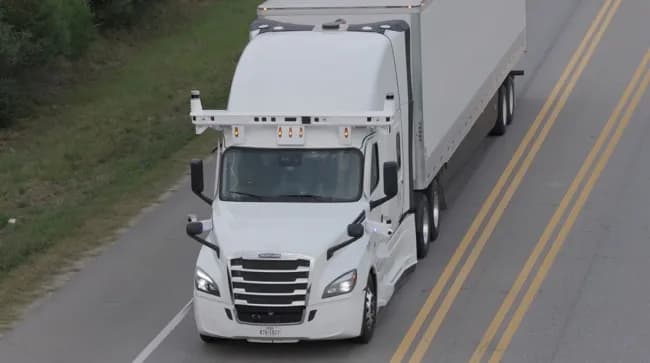
Ryan Transportation and Bot Auto Launch Autonomous Night Lane in Texas
Ryan Transportation will begin scheduled driverless service on the roughly 200-mile Houston–Dallas–Fort Worth overnight corridor in spring, deploying Bot Auto’s Level 4 self-driving Freightliner tractors to increase frequency and reliability on a historically hard-to-cover lane.
Labor Department seeks to restore economic reality test, affecting trucking owner-operators
The Department of Labor formally proposed rescinding the Biden-era 2024 independent contractor rule and reverting to an economic reality test, a move that directly affects owner-operator agreements, freight contracting and on-demand haulage arrangements across the trucking sector.
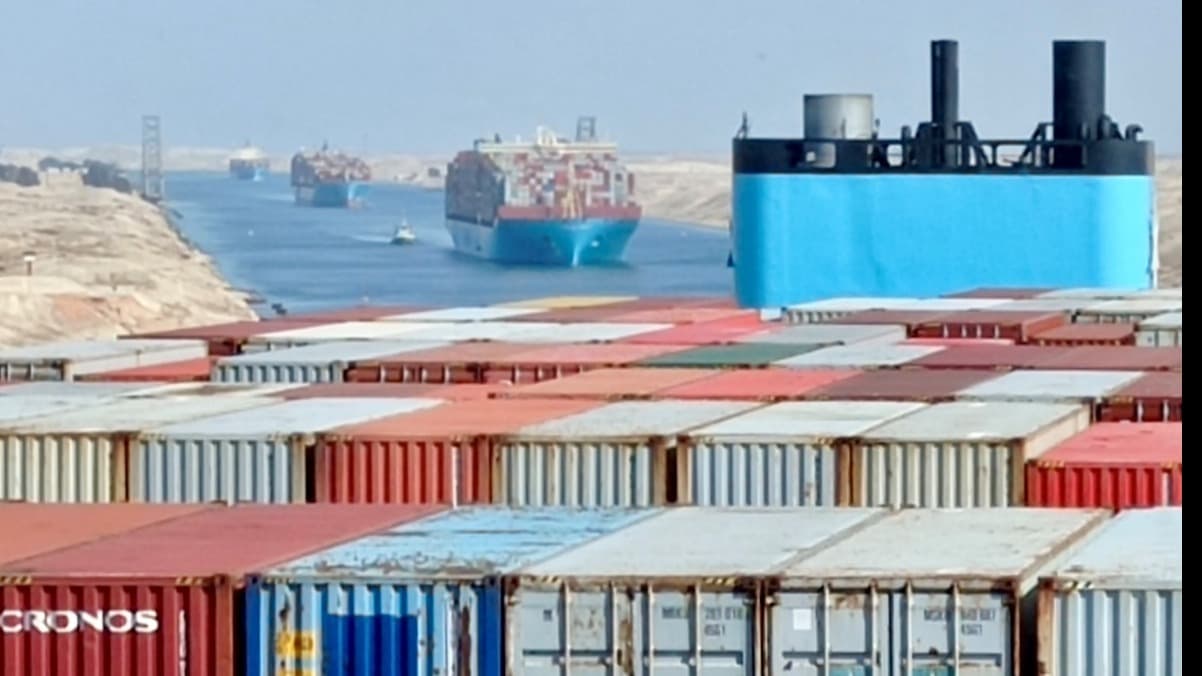
Maersk has announced that several sailings on the ME11 and MECL services will be rerouted from the Red Sea/Suez Canal corridor to the Cape of Good Hope, with some voyages facing up to a 14‑day increase in transit time and direct effects on U.S.
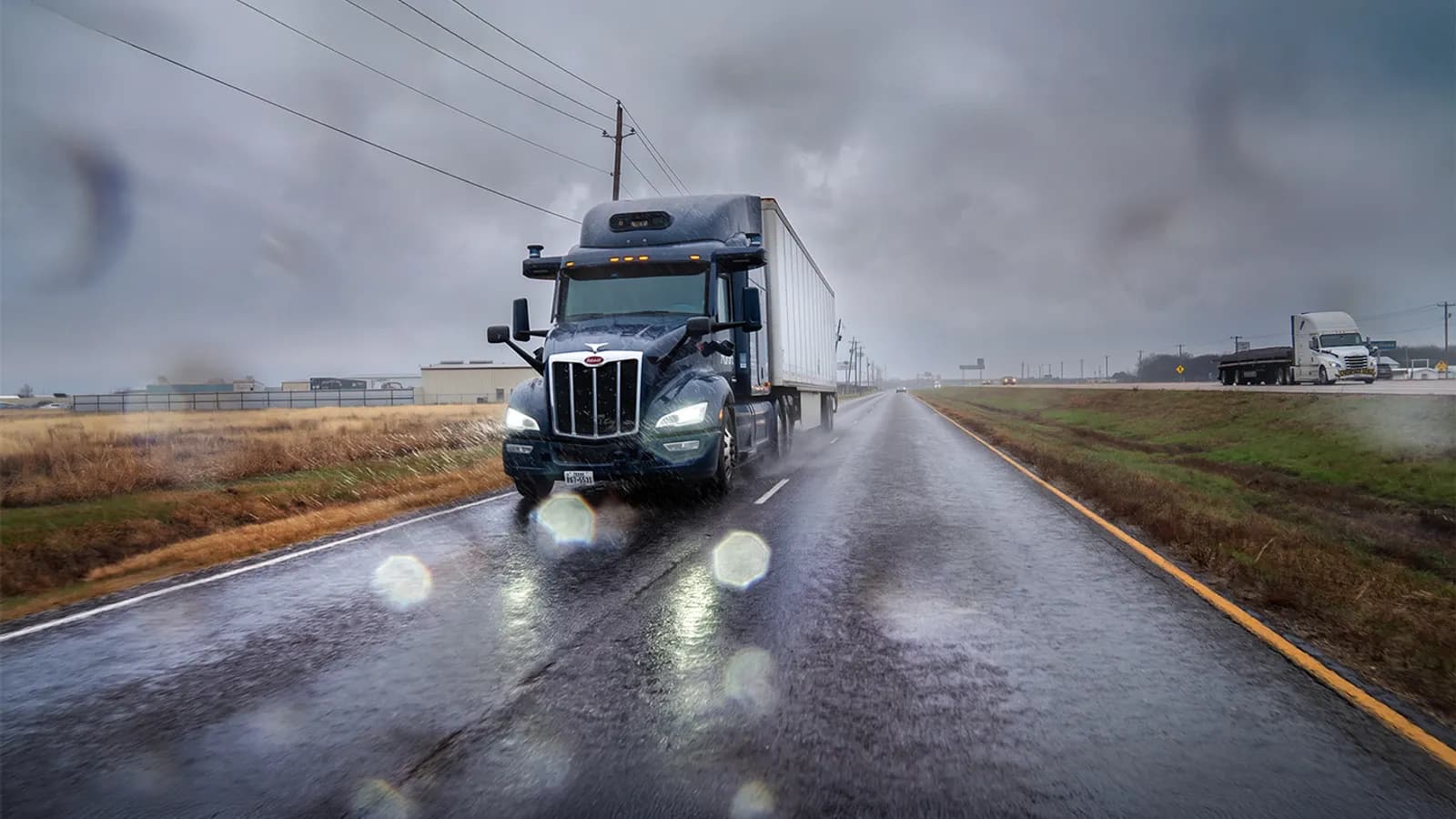
Aurora ramps up autonomous trucking capacity with new Southwestern routes
Aurora Innovation is operating a validated 1,000-mile lane between Fort Worth, Texas and Phoenix, Arizona, adding the route to a growing Southwestern network now totaling 10 driverless corridors and tripling the company’s previous offering.
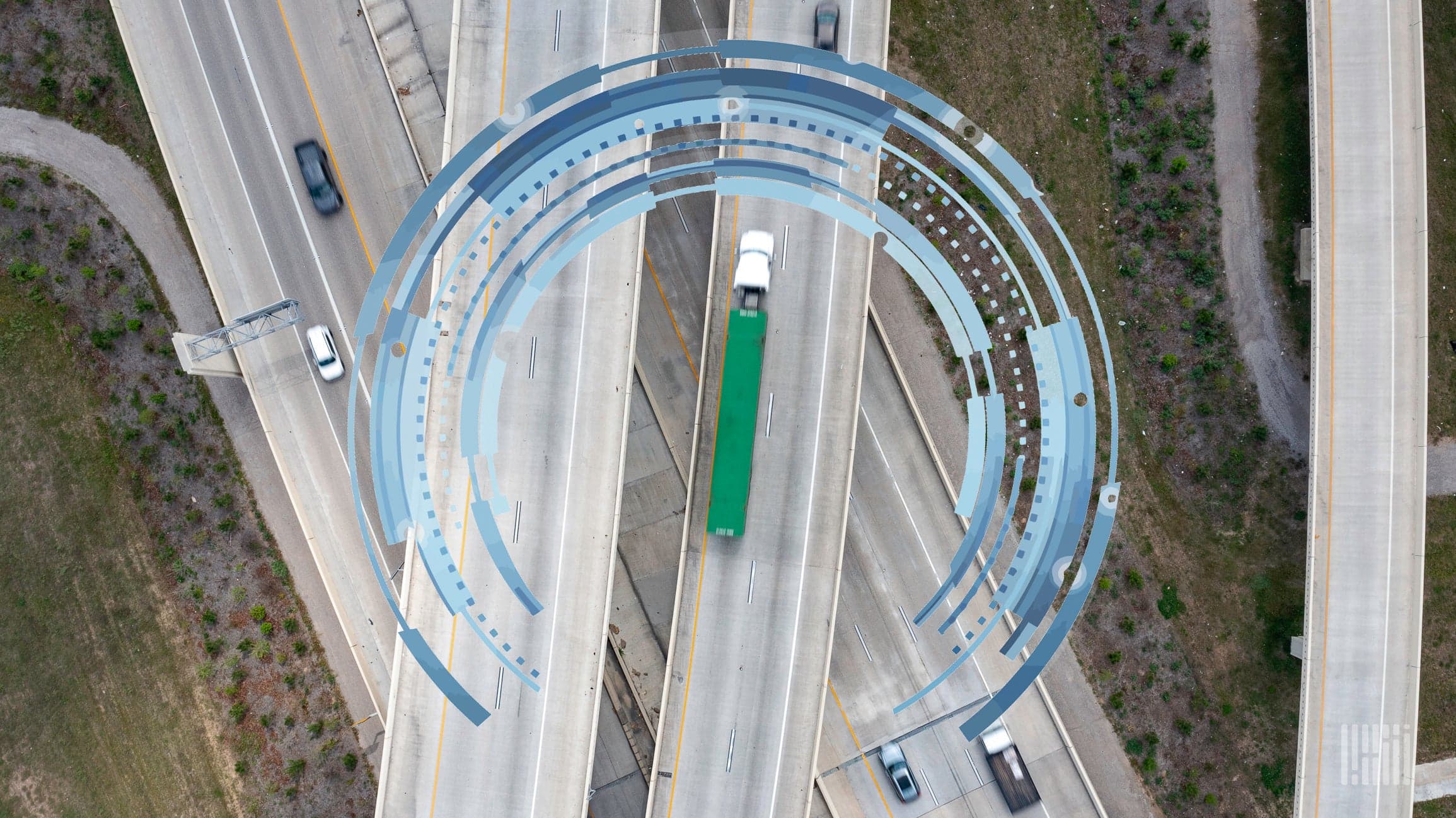
Diesel Vortex: phishing-as-a-service that hit DAT Truckstop, EFS, Penske Logistics and Timocom
A Russian-linked phishing-as-a-service group known as Diesel Vortex harvested 1,649 unique credentials from freight and logistics platforms, using a 36.6MB SQL dump and a multi-domain phishing architecture to target brokers, carriers and fuel-card users.
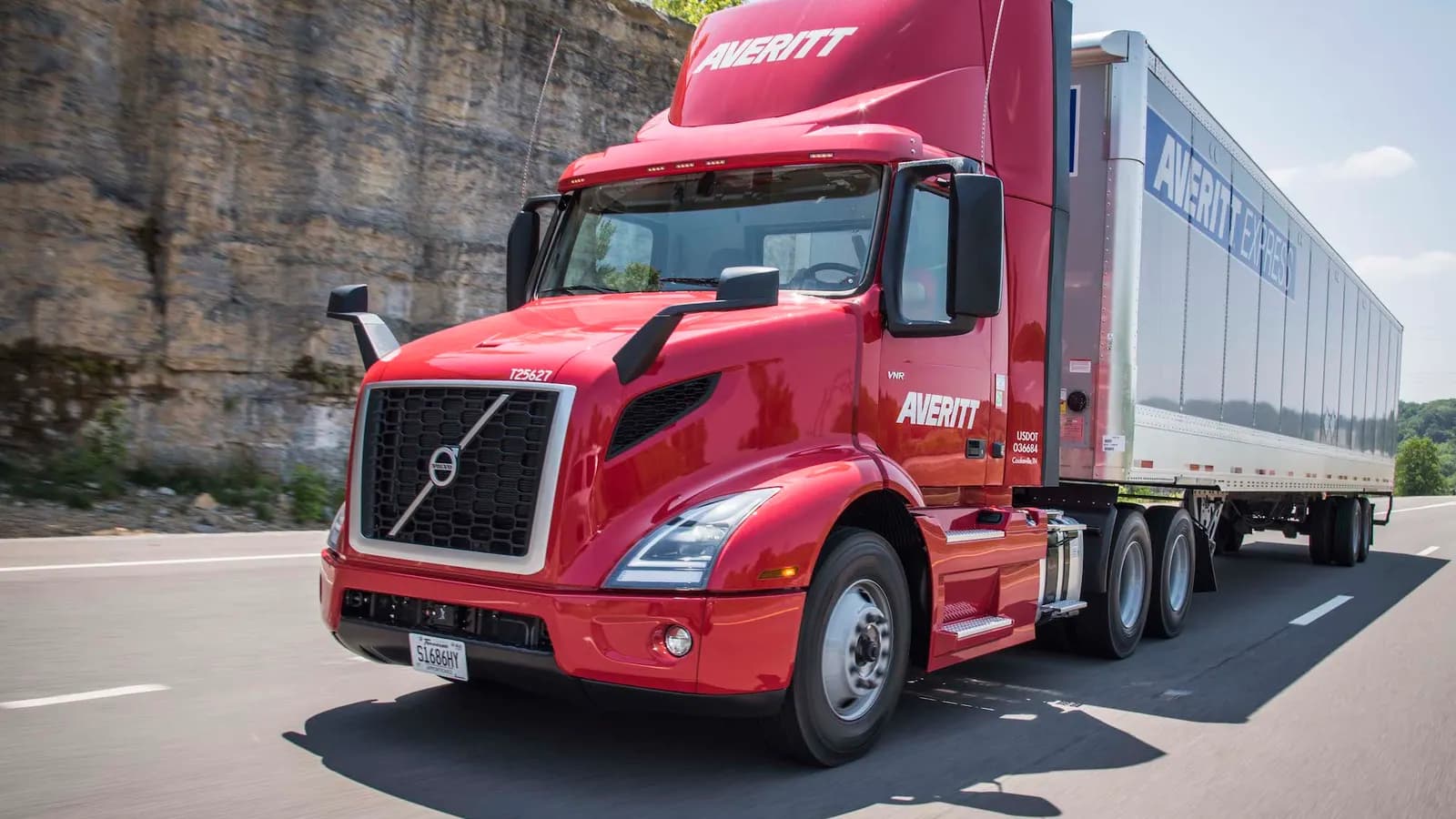
Averitt’s 2026 Network Upgrade: Jackson, Columbia, Oklahoma City and Tulsa Expansions
Averitt will add 379 dock doors, 1,953 truck parking spaces and roughly 895,530 square feet of warehouse space across several U.S.

Hyundai Builds Massive AI GPU Farm, Robot Factory and Hydrogen Facility in Saemangeum
Hyundai will build a 5.8 trillion-won AI data center equipped with 50,000 GPUs at Saemangeum to accelerate autonomous vehicle software, robot learning and connected manufacturing workflows.

How Hyperscience Turns Delivery Documents into Faster Freight Revenue
A mid-size carrier handling 3,000 loads per month typically ingests 4–6 documents per load — meaning roughly 12,000–18,000 document validations every month before a single invoice can be issued.
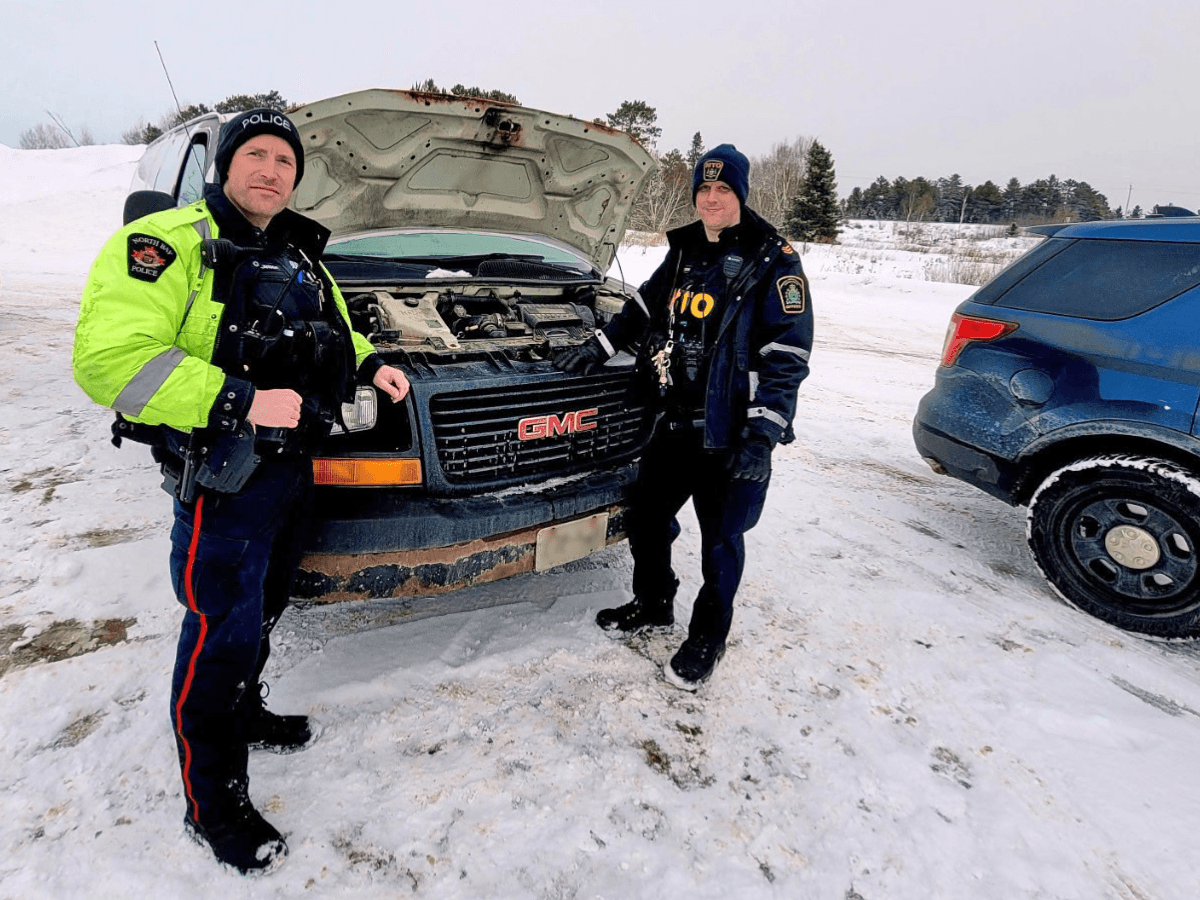
DOJ Files to Seize the Tanker Skipper and Almost Two Million Barrels of Oil
The U.S. Justice Department filed a civil forfeiture complaint seeking title to the oil tanker Skipper and roughly 2 million barrels of petroleum seized off Venezuela in December, marking a legal escalation with direct implications for maritime routing, port operations, and international supply-chain custody. What the filing does legally and operationally The complaint initiates a formal process to transfer ownership from the vessel's operators to the U.S. government, allowing a federal judge to authorize sale or disposal of the cargo. From a logistics standpoint, that legal step changes chain-of-custody timelines, insurance exposures, and the immediate availability of crude for refinery
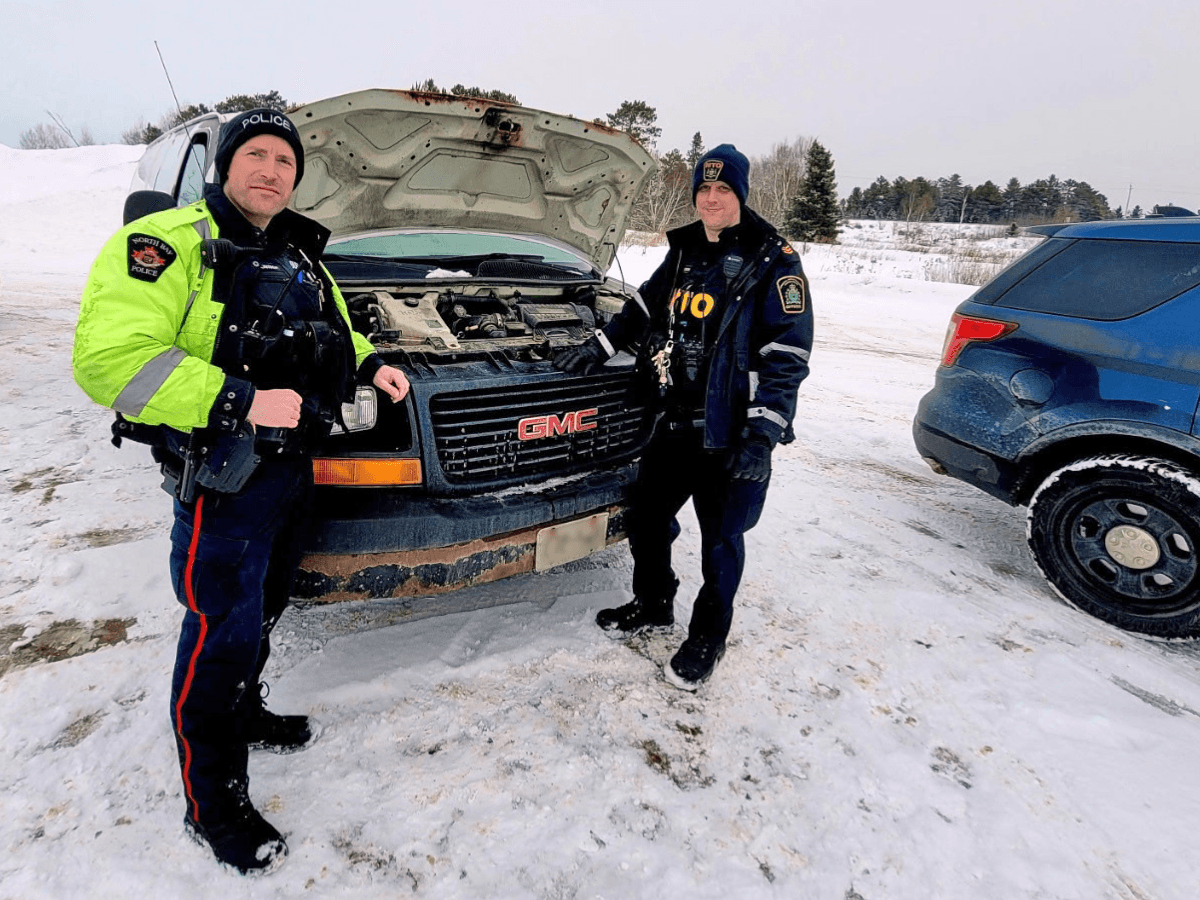
North Bay CMV sweep: 26 trucks checked, 4 removed from service and 27 charges laid
On Feb. 25 in North Bay, Ontario, law enforcement teams conducted 26 commercial motor vehicle (CMV) inspections — including 17 Level 1 inspections — which resulted in 27 charges and the removal of 4 vehicles from service (roughly 15% OOS). Inspection breakdown and immediate findings The operation was a joint effort by the North Bay Police Service, the Ontario Provincial Police, and the Ontario Ministry of Transportation. Officers documented a range of defects that directly affect roadworthiness and commercial shipment safety. Metric Count Vehicles inspected 26 Level 1 inspections 17 Charges laid 27 Vehicles removed from service 4 Approx. % OOS 15% Most common defects found Defective or

Bundesweite Zeitpläne für Verordnungen zur verpflichtenden Einführung von ADS-B-In und der besten verfügbaren Ortungstechnologie könnten die Ausrüstungsfrist um 18–36 Monate verlängern, was die Routenzuweisungen und Betriebszeiten für Fluggesellschaften und Frachtbetreiber in Washington, D.C. verändern würde.
