Autor
James Miller ist spezialisiert auf globale Logistik und Supply-Chain-Dynamiken. Seine Forschungsarbeit untersucht die Feinheiten des internationalen Handels, infrastrukturelle Herausforderungen und technologische Fortschritte, die den modernen Handel prägen. Er setzt sich für nachhaltige Praktiken und Transparenz in den Lieferketten ein.


MAN Truck & Bus delivered around 101,600 new vehicles in 2025, an increase of nearly 6% year-on-year, driven primarily by a surge in battery electric vehicles (BEVs) across truck and bus segments despite continued weakness in several truck markets.

How usage-based finance can unlock automation investment for logistics teams
Shifting a warehouse automation program from outright ownership to a usage-based leasing model often reduces initial capital outlay by 30–50% and shortens upgrade cycles, a practical lever logistics operators are using to preserve cash and keep systems current.

How Sentry’s FIT Modular Column Protection Reduces Damage and Downtime in Warehouses
Warehouse operators converting to wider, fewer columns are facing a measurable rise in impact events: forklift strikes and pallet-jack collisions against large structural pillars now account for a significant portion of onsite damage, and modular protection systems can reduce repair cycles and lost throughput.

Félix Food Logistics Expands Bulk Wine Network with José María Navajas Acquisition
Félix Food Logistics has acquired a majority stake in the Riojan tanker operator José María Navajas, effectively integrating a fleet of 30 cisterns and an experienced crew into its liquid transport operations.

Early 2026 air cargo stabilisation as Asia-Pacific, CSA and MESA support volume recovery
Worldwide chargeable weight rose by +1% in week 4 (19–25 January 2026), powered by a +2% weekly increase from Asia‑Pacific origins and a +10% spike from Central & South America (CSA), even as severe winter storms knocked North America volumes down by -9% week‑on‑week.

From KLM to Etihad Cargo: Andy Newbold on commercial strategy, odd cargo and logistics lessons
After 35 years with Air France KLM Martinair Cargo, Andy Newbold relocated to Abu Dhabi to take the helm of commercial operations at Etihad Cargo, a move that immediately affects slot allocation, freighter network planning and sales strategy across the Gulf and beyond.

2026 Logistics Outlook: How Rules, AI, and Partner Strategy Reshape Parcel and Freight
Carrier capacity has broadly normalized across full truckload and less-than-truckload markets, and on-time delivery metrics have recovered to pre-crisis ranges, but cost predictability has not.

February 2026: Truckload Supply Squeeze, Reefer Volatility and Intermodal Upside
Spot truckload rates and tender rejection rates stayed elevated through February 2026, even though tender volumes ran roughly 6–7% below year-ago levels — a clear signal that the market shift is supply-driven rather than demand-led.

How US tariff increases are reshaping African air cargo, hubs and intra‑continental trade
The recent US tariff increase has raised landed costs for African airfreight bound for the United States by an estimated US$0.30–0.50 per kilogram on many perishables and light electronics, reducing exporter margins by up to 20%, prompting order cancellations and forcing carriers and forwarders to rework load planning and pricing models immediately.

How Nearshoring and Policy Shifts Are Rewiring North American Airfreight Networks
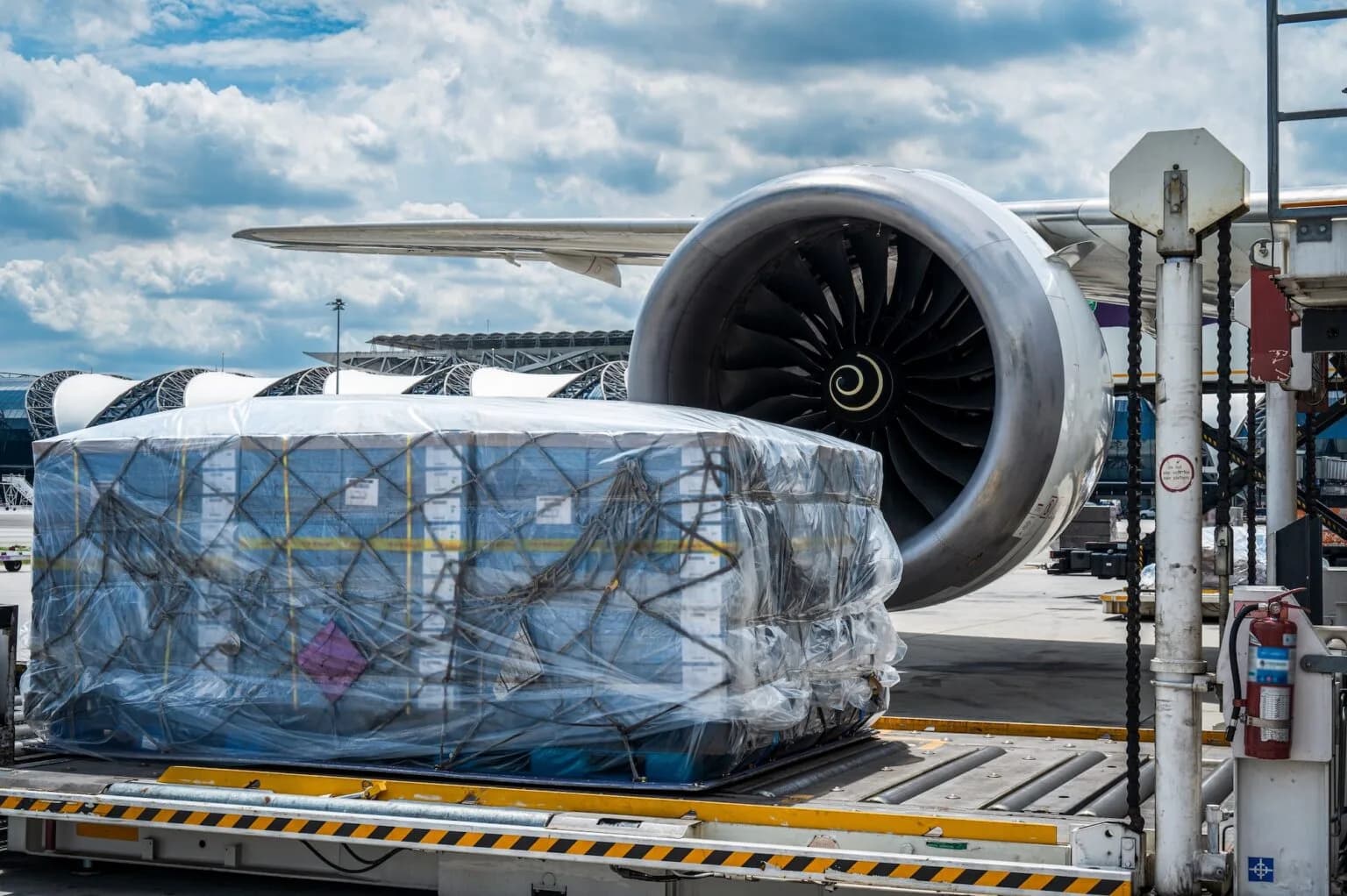
North American air cargo capacity now exceeds 100 weekly flights connecting Canada with the Asia‑Pacific region while northbound airfreight from Mexico into the United States and Canada has risen materially, driving renewed demand for temperature‑controlled space at YYZ and LHR and forcing carriers to reallocate lift and gateway resources.

KSIA is being developed to capture growing transcontinental cargo flows by combining airfreight handling with passenger operations, regional feeder services and international trade lanes to reduce transit times and improve throughput across the Europe–Asia–Africa corridor.

At the joint meeting held on 29 January 2026 at the Ministry of Transport and Sustainable Mobility, CONFEBUS and the Department of Passengers of the CNTC reported a 6.2% increase in passenger demand through November 2025, highlighting immediate capacity and funding pressures for regional and intercity bus services.