Autor
James Miller se especializa en logística global y dinámicas de la cadena de suministro. Su trabajo de investigación explora las complejidades del comercio internacional, los desafíos de infraestructura y los avances tecnológicos que dan forma al comercio moderno. Aboga por prácticas sostenibles y transparencia en las operaciones de la cadena de suministro.


FAAN proyecta una oportunidad logística potencial de US$12 mil millones durante cinco años al reposicionar la aviación como un motor estratégico de diversificación de exportaciones, crecimiento industrial e integración comercial regional.

How Mehmet Tevfik Nane Turned Systemic Leadership into Aviation Logistics Advantage
Pegasus Airlines implemented integrated digital tools for scheduling, maintenance and yield management that compressed decision cycles and improved aircraft utilization across rapidly changing route networks.

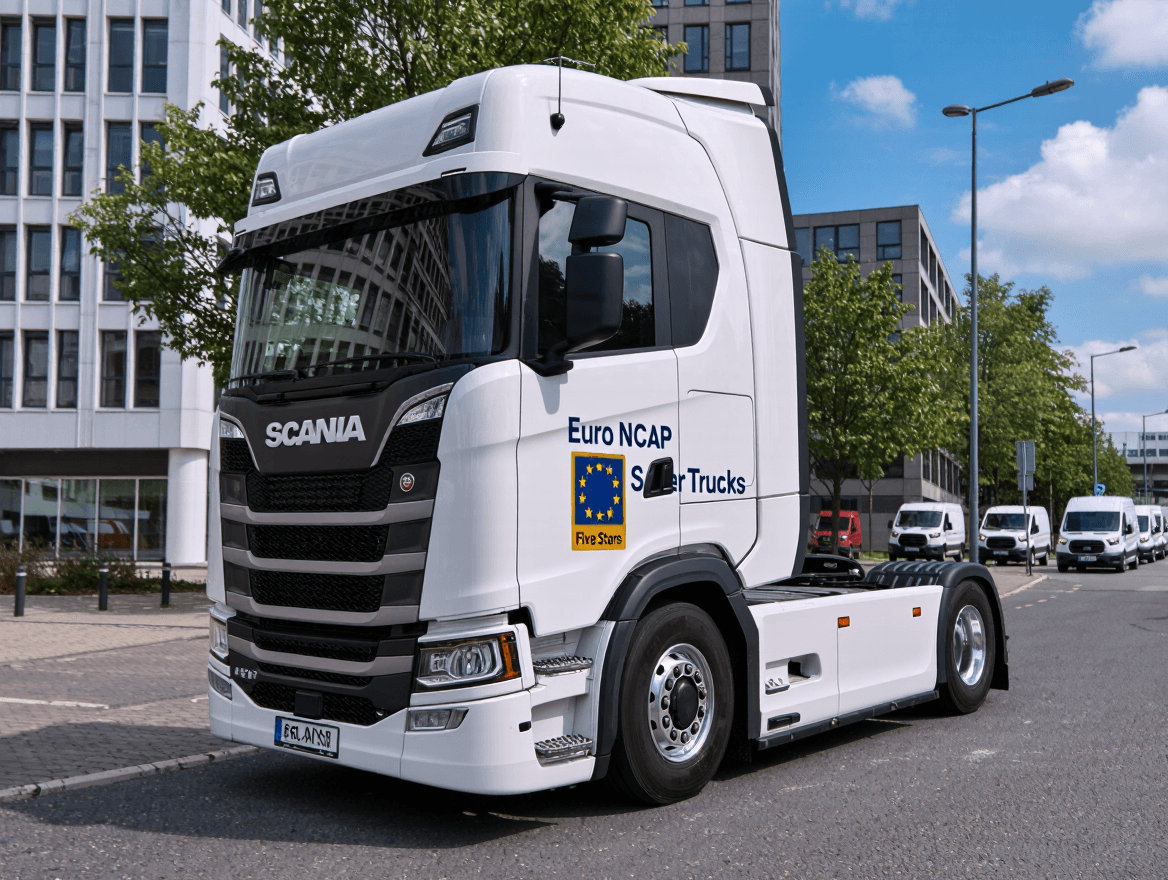
Scania L-series cabin awarded five stars in Euro NCAP Safer Trucks — implications for urban fleets
Scania’s L-series cab receiving a five-star Safer Trucks rating directly changes risk calculations for operators running urban collection, municipal and waste fleets by reducing collision exposure in dense delivery routes and improving driver egress/ingress ergonomics.

Triceratops fossils flown from Denver to Abu Dhabi via Chicago and London Heathrow
ACS Time Critical coordinated a next-flight-out (NFO) airfreight solution to move more than three tonnes of Triceratops fossils from Denver to Abu Dhabi, using two parallel routings via Chicago and London Heathrow and specialist trucking and handling to meet a fixed museum opening deadline.

IATA flags cooling airfreight in 2026 as aircraft delivery delays and SAF price gaps press margins
Air cargo volumes increased by 3.4% in 2025, but the underlying picture is uneven: the Asia–North America lane contracted by 0.8% while Europe–Asia surged by 10.3%, illustrating how trade-lane shifts and geopolitical disruptions are reshaping capacity planning and routing decisions for forwarders and carriers.

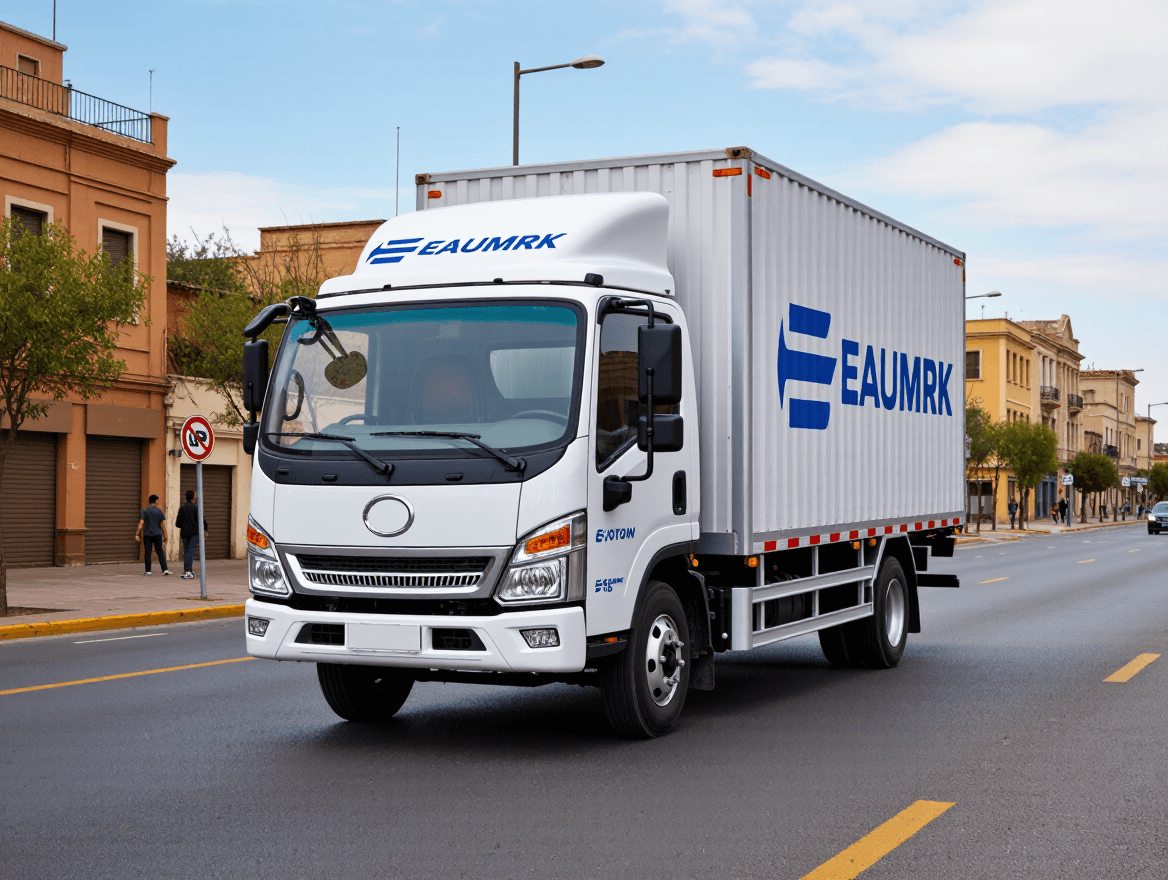
DSV brings a 7.5-ton FOTON eAUMARK electric truck into Córdoba for urban last-mile deliveries
DSV has put a FOTON eAUMARK into service in Córdoba: a 7,500 kg gross vehicle weight unit with capacity for 12 pallets, a 3,000 kg payload and an estimated 180 km autonomy.

Spanish road freight and passenger transport continues recovery with 34,900 new jobs in 2025
Road freight and passenger transport in Spain added 34,900 jobs in 2025, a rise of 3.25% from the 689,200 recorded at the end of 2024 to 724,100 at the close of 2025, according to the Encuesta de Población Activa (EPA) compiled by ANETRA.

How EIN Presswire’s Fees and Testimonials Influence Distribution and Outreach Strategies
$83.17 per release is listed as the baseline cost for broad distribution under the Corporate tier, a figure that logistics planners can think of like the landed cost of a pallet crossing three distribution hubs: predictable, quantifiable, and designed to reach multiple endpoints efficiently.

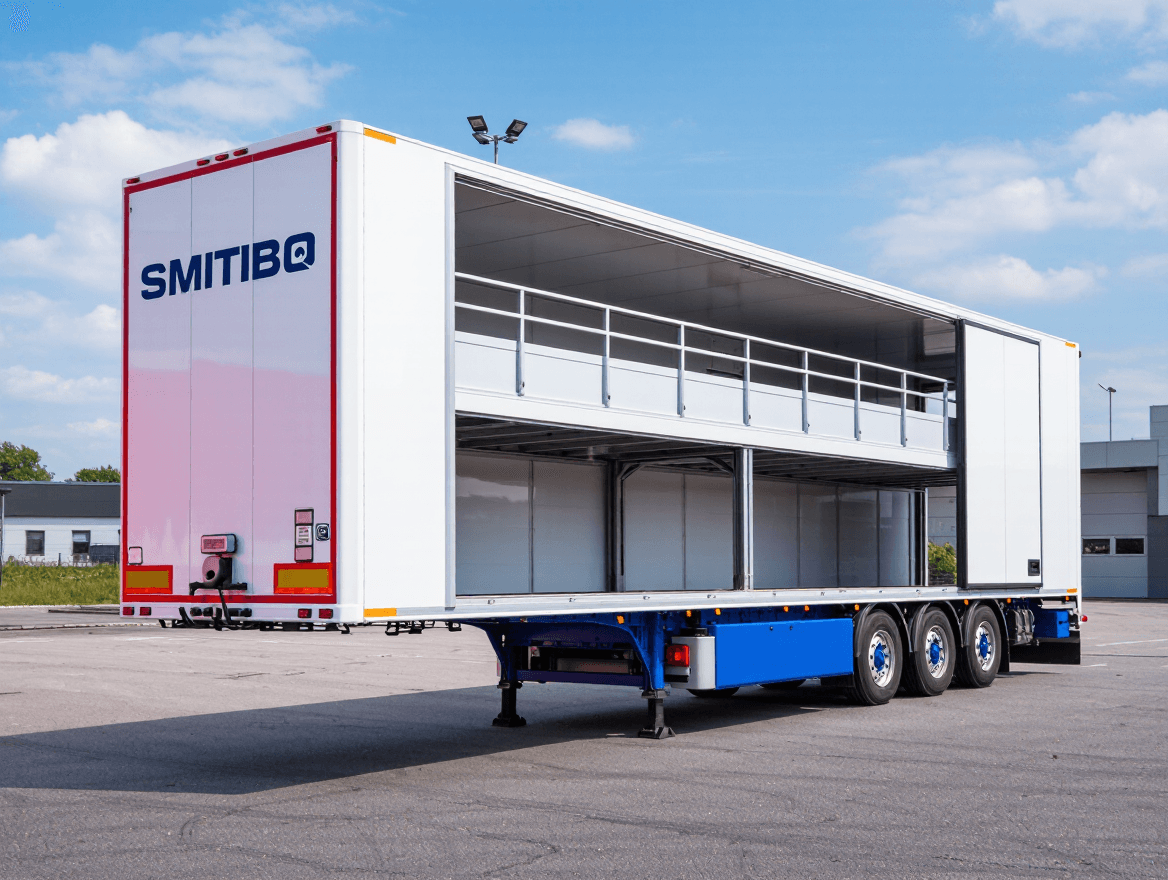
S.BO MULTI is certified to DIN EN 12642 Code XL with a rated payload configuration allowing a useful load in line with a 27,000 kg payload class, and its integrated double-deck rails (2,050 mm length, 1,200 mm spacing) enable up to 33 additional EUR-pallets on a second level — a concrete capacity gain that matters when every pallet position counts in cross-dock and distribution operations.

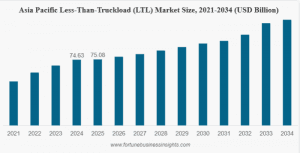
Global Less-Than-Truckload (LTL) volumes are projected to push the market to USD 333.89 billion by 2034, with an anticipated CAGR of 4.7% between 2026 and 2034, according to analysis attributed to Fortune Business Insights™ Pvt.

From Valencia’s port terminals to Murcia’s distribution hubs, Real Decreto 712/2025 mandates complete traceability of end-of-life tyres and forces producers and importers to affiliate with a single SCRAP, immediately altering routing, documentation and reverse-logistics workflows for tyre shipments.

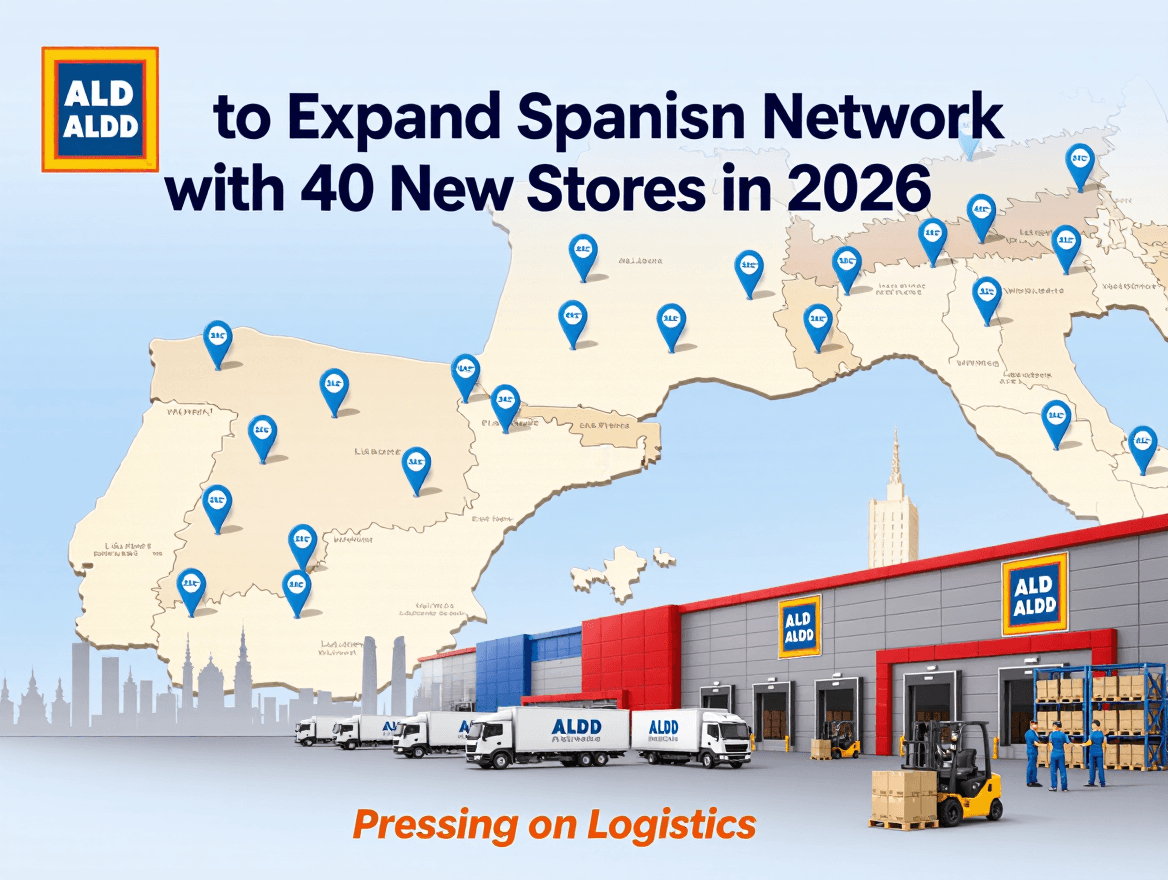
ALDI expandirá su red española con 40 nuevas tiendas en 2026, apostando por la logística
ALDI abrirá 40 nuevos supermercados en España en 2026, elevando la cartera de tiendas de 496 a finales de 2025 a un estimado de 536 establecimientos y creando cambios inmediatos en la demanda para los centros de distribución regionales en Cataluña, Andalucía, la Comunidad de Madrid y la Comunidad Valenciana.