Scarica l'App


Autore
James Miller è specializzato in logistica globale e dinamiche della supply chain. Il suo lavoro investigativo esplora le complessità del commercio internazionale, le sfide infrastrutturali e i progressi tecnologici che plasmano il commercio moderno. Sostiene pratiche sostenibili e trasparenza nelle operazioni della supply chain.

Per i team logtech, i 3PL e gli spedizionieri digitali che lanciano un'esperienza di prenotazione merci personalizzata nel 2026: software white-label rispetto allo sviluppo interno, l'API rilevante per LTL, FTL e pacchi, l'accesso alla rete dei vettori, l'economia del marketplace e dove rientrano ora MCP e agenti AI.
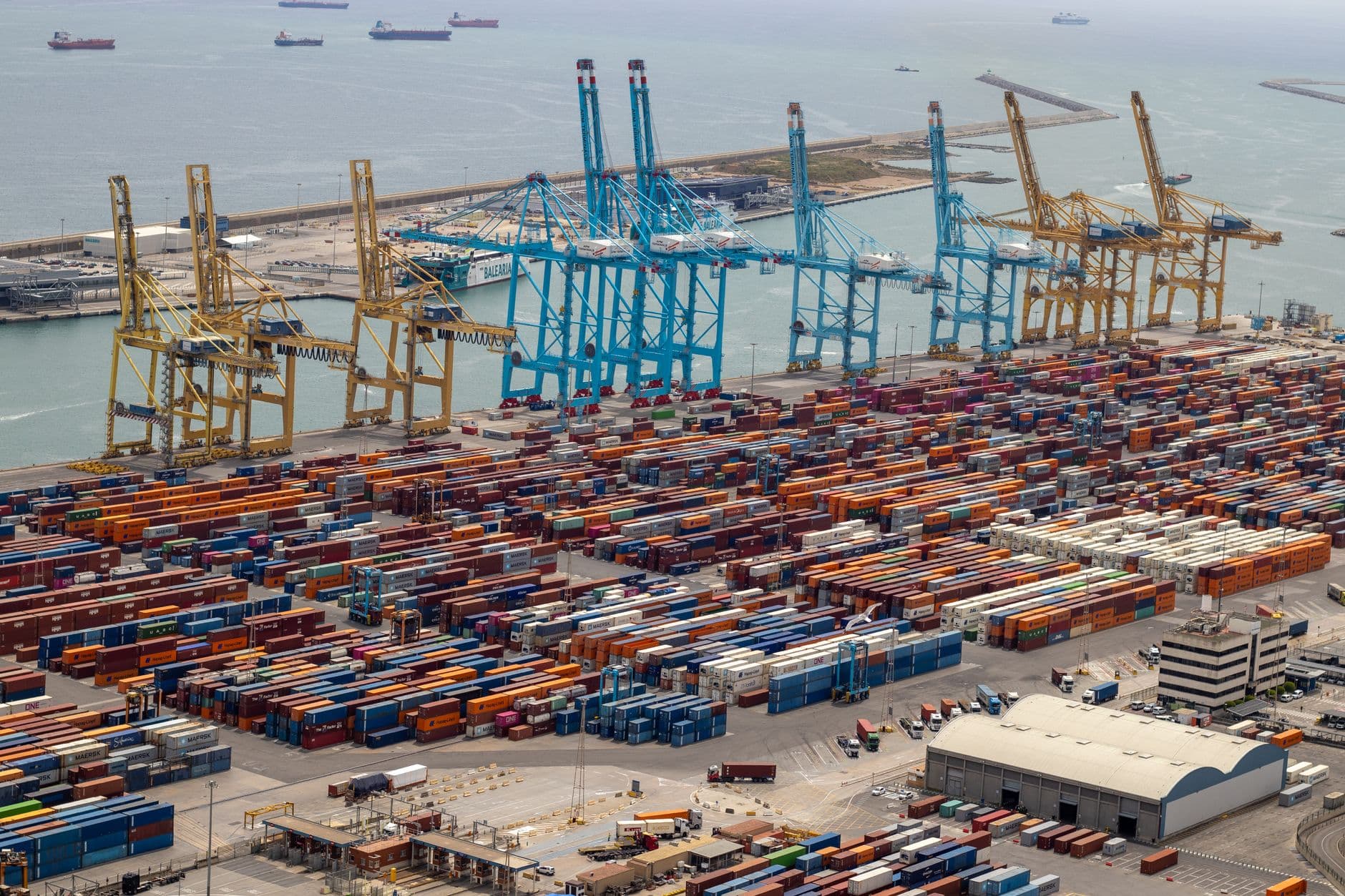
Manzanillo, il principale scalo del Pacifico del Messico, sovraccarico nel 2026 a causa delle importazioni di nearshoring che superavano la sua capacità, con fermi doganali superiori alle 72 ore e una penalità di costo fino al 20%. Questa guida per spedizionieri spiega come aggirarlo tramite Lazaro Cardenas, Ensenada e il Golfo.
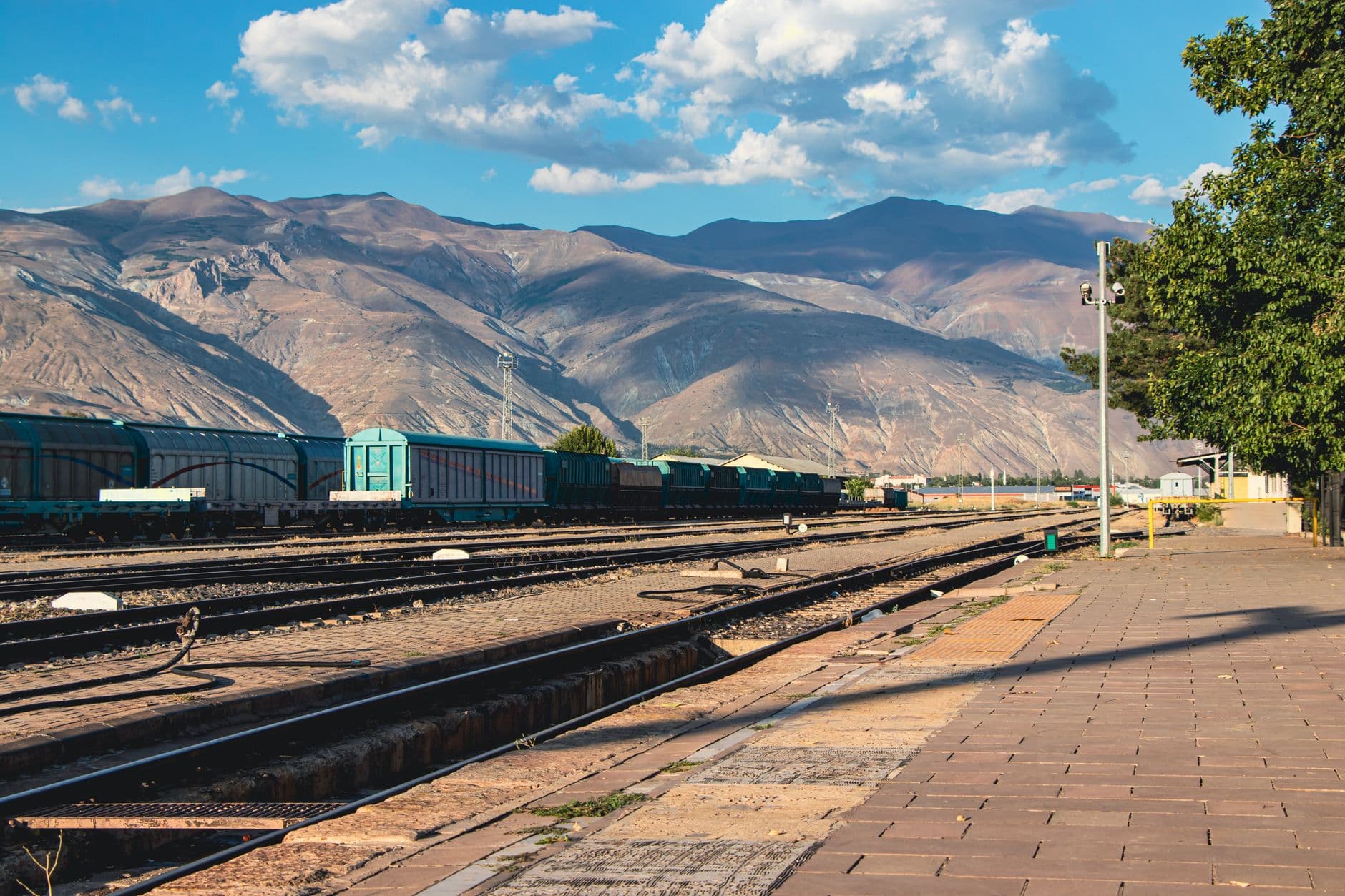
Baku-Tbilisi-Kars a piena capacità nel 2026: La nuova ferrovia Turchia-Caucaso-Asia Centrale
Guida al trasporto merci sulla ferrovia Baku-Tbilisi-Kars a piena capacità di 5 milioni di tonnellate a partire da giugno 2026: il percorso end-to-end, la rottura di scartamento ad Akhalkalaki, come collega il attraversamento del Caspio e il Corridoio Centrale, e quando supera il transito russo.
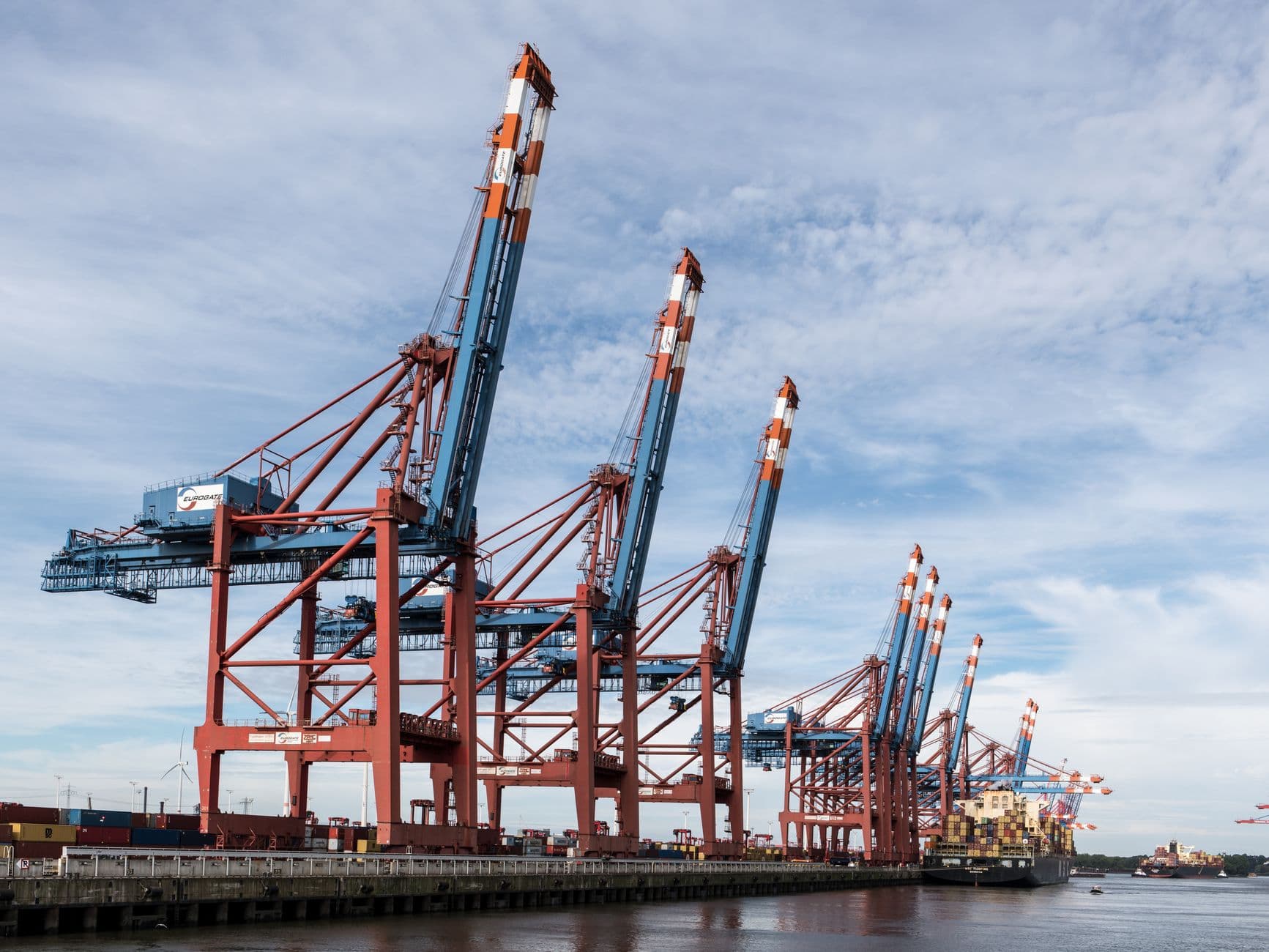
Il Porto di Chancay nel 2026: Come il megaport peruviano di COSCO Rerouterà gli Scambi del Pacifico
Come il megaport di Chancay costruito da COSCO in Perù rimodella il commercio tra Asia e costa occidentale del Sud America nel 2026: il cambio di transito da 42 a 23 giorni, il gateway per veicoli, la decisione Chancay contro Callao e le clausole da considerare sul prezzo.
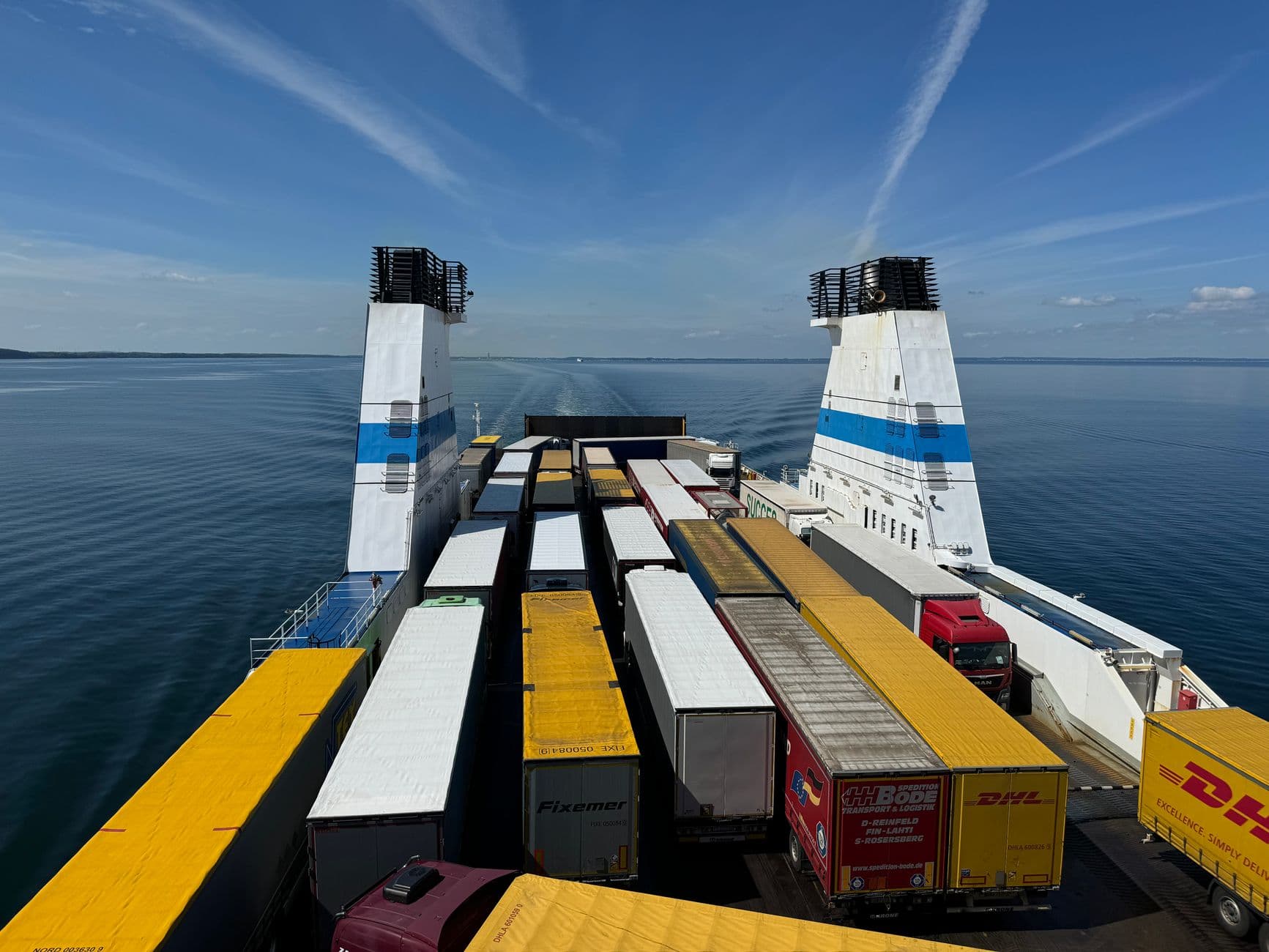
Attraversare il Mar Caspio nel 2026: traghetto merci Aktau e Baku, code e capacità
Una guida pratica all'attraversamento merci del Mar Caspio sul Corridoio di Mezzo nel 2026: RORO contro traghetti ferroviari, le tratte Aktau e Kuryk-Baku, perché la coda, non la navigazione, è il ritardo e la nuova capacità navale in arrivo quest'anno.
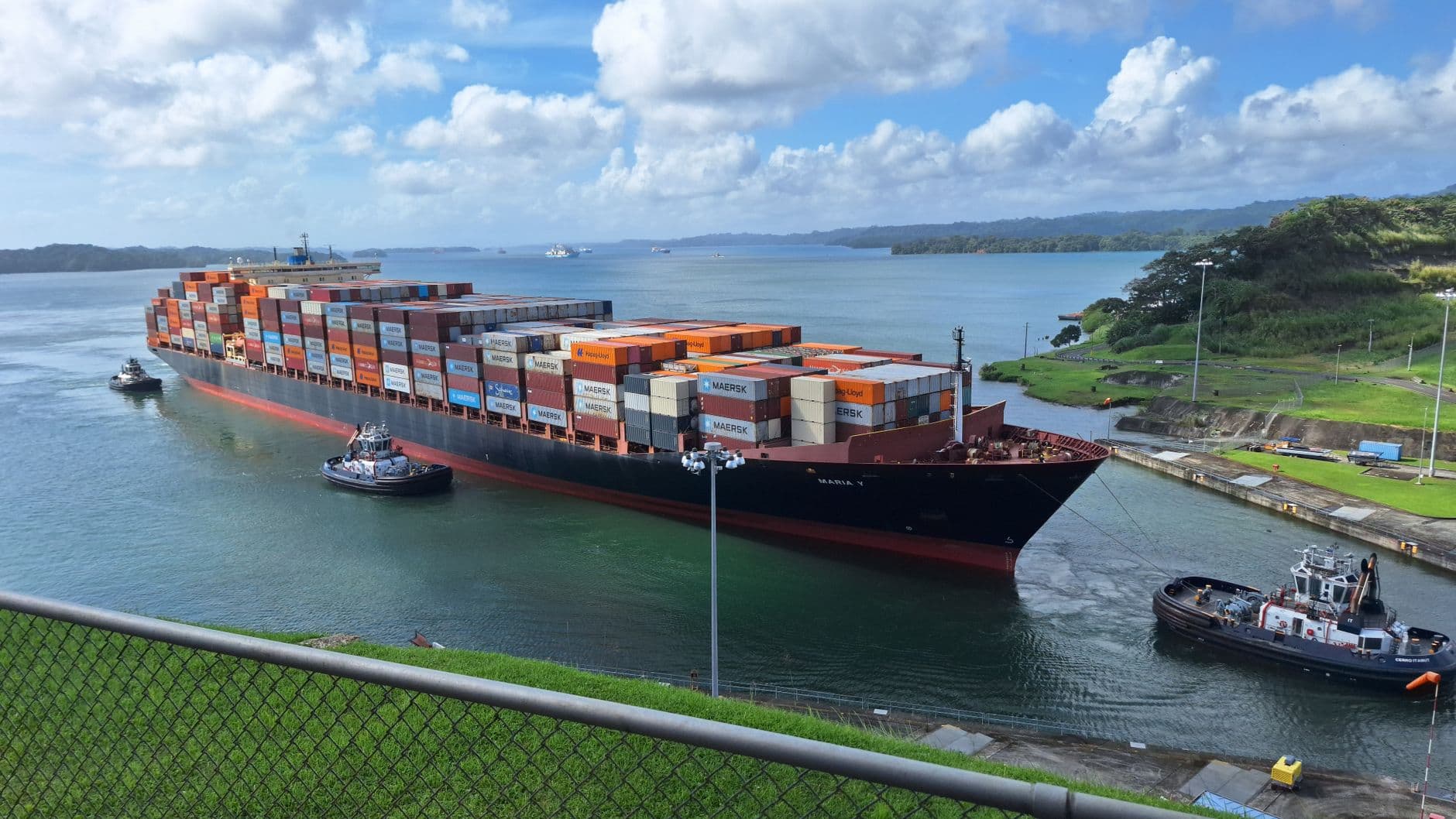
LoTSA 2.5 è scritto per gli operatori navali, ma il suo prezzo per gli slot rientra nella vostra tariffa oceanica. Una lettura neutrale rispetto ai fornitori e orientata ai caricatori sulla finestra di prenotazione del Canale di Panama per il 2026 (dal 5 luglio al 2 gennaio), i pacchetti Fix/Flex/Flex+, il segnale d'asta da 135.000 a 4 milioni di dollari, il taglio della pescaggio a luglio a 15,09 m e quando reindirizzare.
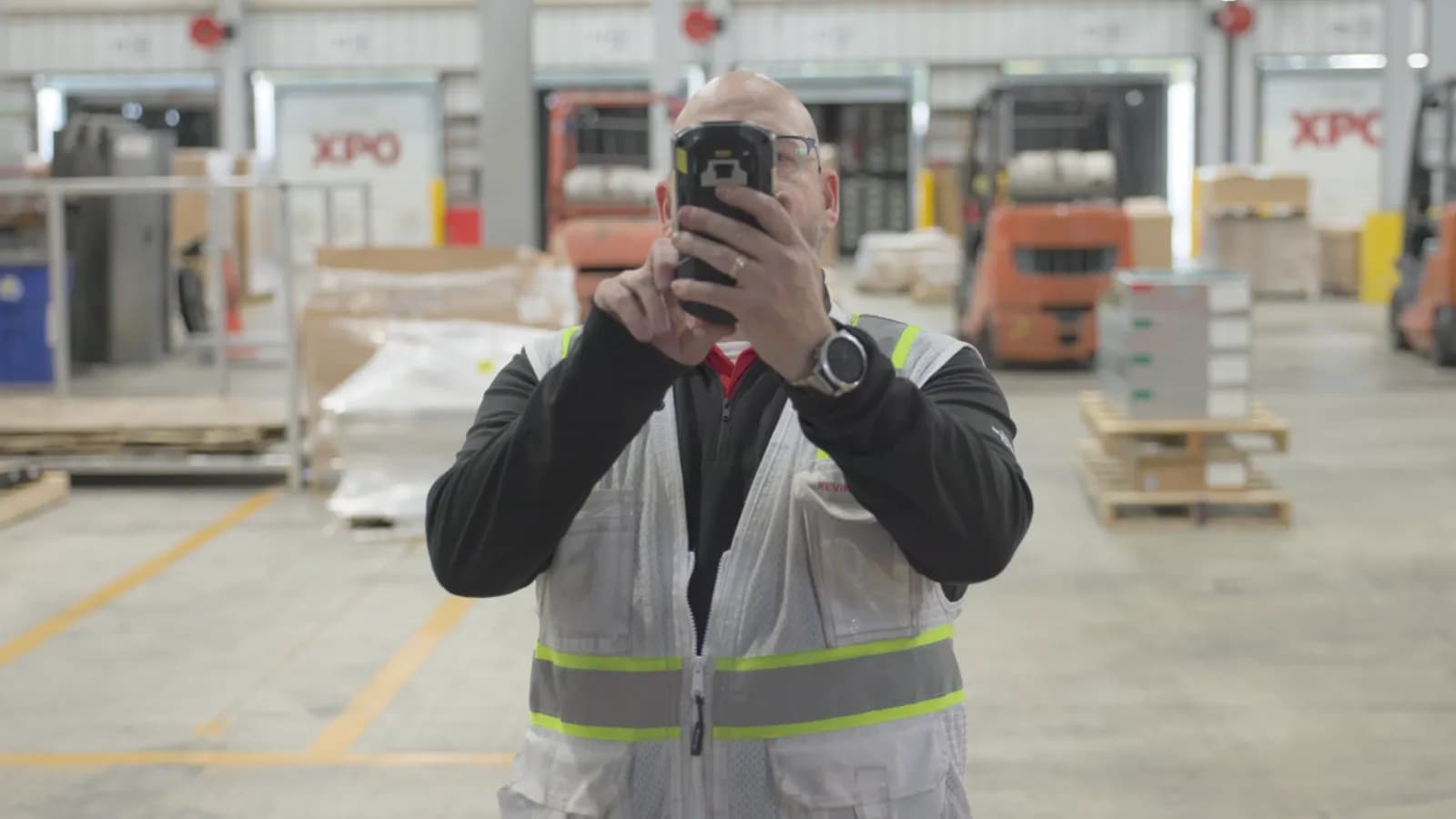
How XPO’s AI photo checks are reshaping dock operations and service response
XPO has implemented an AI-driven photo-analysis system that examines images dockworkers take of loaded trailers and provides real-time feedback on whether a trailer can be closed safely and why it cannot, with pilots running across the company’s service centers following demonstrations at SMC³ Jump Start.
How the US 10% Global Tariff Alters Freight Costs, Customs and Supply Chains
On Feb. 24 the United States began collecting a 10% global tariff, immediately adding a discrete duty layer to import valuations and affecting containerized shipments, customs clearance timelines and landed-cost calculations for ocean and air freight alike. Timeline and legal framework The sequence of legal actions and administrative notices matters for carriers, customs brokers and importers: Date Action Logistics implication Feb. 20 Supreme Court struck down tariffs imposed under the International Emergency Economic Powers Act (IEEPA) Previous IEEPA-based duties became legally vulnerable; uncertainty for refunds and retrospective claims Feb. 21 President Donald Trump signed an order
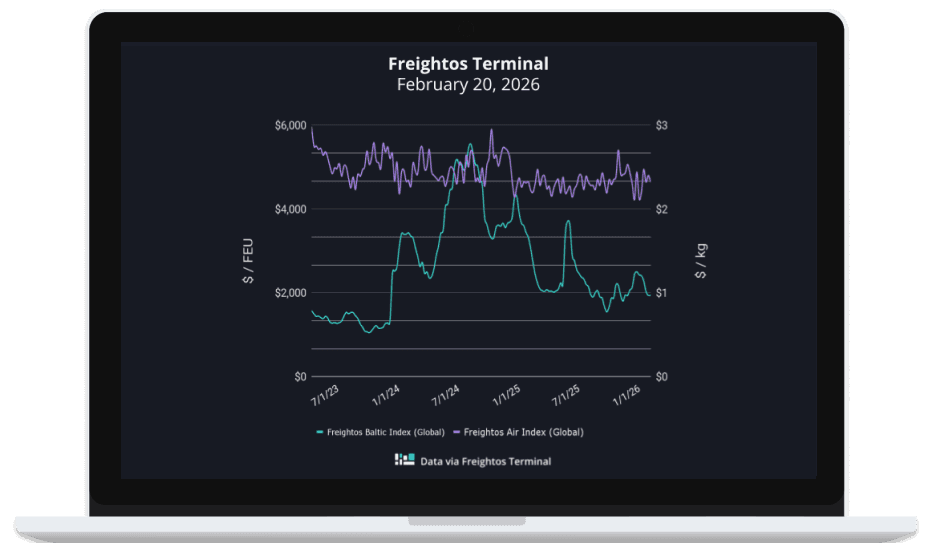
How the new Section 122 global tariff reshapes container flows, airfreight and importer planning
The United States implemented a 10% global tariff under Section 122 of the Trade Act of 1974 this Tuesday, immediately affecting transpacific volumes and contributing to last week’s movements: FBX01 (Asia–US West Coast) down 3%, FBX03 (Asia–US East Coast) down 1%, and FBX11 (Asia–N.

Trump calls for federal limits on state CDL issuance after Dalilah Coleman crash
States currently issue Commercial Driver’s Licenses (CDLs) under federal standards, but President Donald Trump urged Congress on Feb.
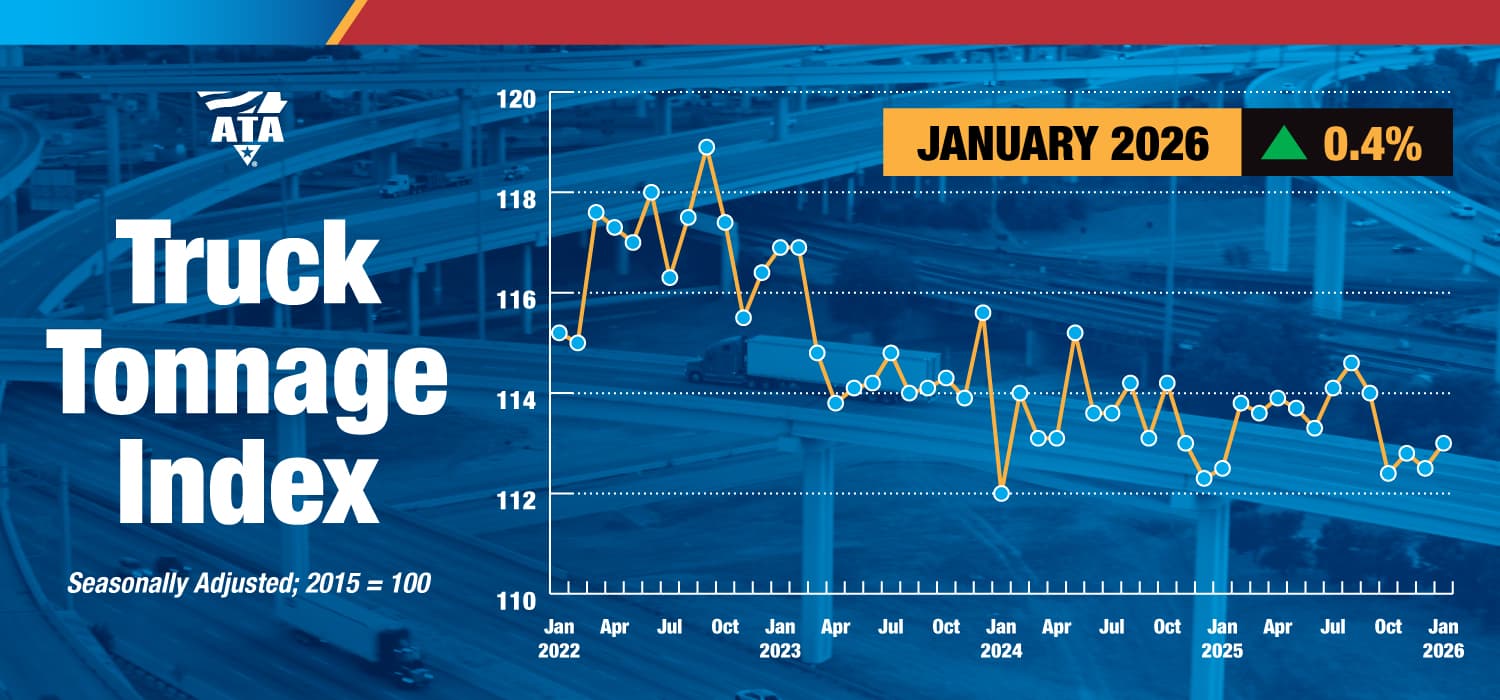
U.S. truck tonnage nudges higher in January as carriers benefit from tighter capacity
The ATA advanced seasonally adjusted for-hire truck tonnage index rose to 113 in January, up 0.4% from December, marking a modest uptick after the late-2025 slump and indicating that carriers continue to operate in a tighter-capacity environment.

Total Cost to Serve: Unmasking the Real Logistics Price Behind Per-Pallet Rates
In many distribution networks, transport alone accounts for 40–60% of logistics spend, yet the complete bill—when warehousing, labour, inventory and returns are included—can add another 20–40% to the real cost per pallet.
