
Alexander Petrunin
Arvsattribuering
Det här arkivet grupperar historiska författaretiketter. Identitet och författarskap har inte verifierats enligt vår nuvarande redaktionella process.
Artiklar

Why Logistics is Essential for Startups
In the fast-paced world of startups, logistics often takes a backseat. However, understanding its critical role can make a significant difference. Let’s explore why logistics is a strategic asset for new businesses. 1. Streamlining Operations Logistics is about moving goods efficiently. For startups, this means faster delivery times and happier customers. If logistics are messy, customer excitement can turn to frustration. Investing in logistics ensures that customer expectations are met. 2. Cost Management Every penny counts for startups. Efficient logistics can greatly reduce transportation and storage costs. For example, optimizing shipping routes can minimize waste. This not only saves

Freight Transportation: Types and Opportunities on GetTransport.com
Types of Freight Transportation There are several primary types of freight transportation, distinguished by their modes of transport, types of cargo, and delivery conditions. 1. Road Freight Transportation Road freight is one of the most common and convenient methods of delivery. It is suitable for both local and intercity transport. With its flexible routing and the ability to provide "door-to-door" service, road transport is an ideal choice for small and medium-sized shipments. 2. Rail Freight Transportation Rail transport is ideal for moving large volumes of goods over long distances. It is cost-effective and environmentally friendly, making it attractive for companies focused on

Overview of Road Freight Transportation Across Different Countries
Road freight transportation is crucial for global trade, facilitating the timely delivery of goods. Understanding how it varies across countries is essential for optimizing supply chains. Here’s a concise overview of key markets. United States: A Backbone of Commerce The U.S. has one of the most extensive road networks globally, with over 4 million miles of highways. The trucking industry transports over 70% of all freight, regulated by the Federal Motor Carrier Safety Administration (FMCSA). While technological advances like electronic logging devices (ELDs) enhance safety, challenges such as driver shortages and rising operational costs remain. European Union: Harmonization Amid Diversity
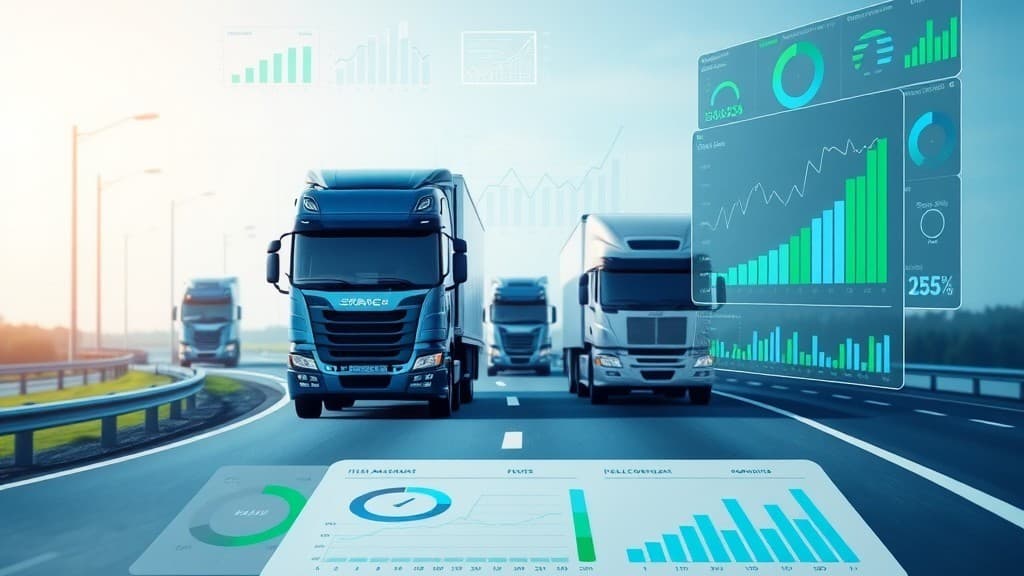
The Critical Role of Accurate Data in Fleet Management
In the world of fleet management, the adage “practice makes perfect” is often misapplied. A more fitting version would be “perfect practice makes perfect,” as flawed execution never leads to success. This principle extends to data management: without accuracy, data cannot effectively contribute to profitability or safety objectives. As industry experts say, “garbage in, garbage out.” Understanding Data's Value Data is integral to every facet of fleet management, from vehicle acquisition and resale to usage metrics, maintenance schedules, driver performance, and fuel efficiency. However, not all data is equally valuable. Fleet managers often find themselves overwhelmed, questioning whether

Top Benefits for Carriers Using Freight Platforms in the EU
European freight platforms connect carriers with shippers across the European Union, offering a centralized digital channel for bookings, tracking, and payments. For carriers, these platforms unlock greater visibility, reduce administrative overhead, and provide scalable access to cross-border shipments. Enhanced load matching and proactive route optimization minimize empty miles and maximize fleet utilization , leading to higher earnings and more reliable service. Transparent pricing and payment terms improve cash flow. Carriers benefit from clearer rates, fewer disputes, and faster settlements through electronic invoicing and digital payments. Compliance with EU rules is easier with

Key Features Carriers Should Look for in a Freight Marketplace
In a freight marketplace, carriers seek features that reduce downtime and maximize revenue. Real-time load matching that pairs capacity with suitable loads quickly, reliable shipper verification to minimize risk, and clear operating rules that set expectations from the start. Transparency in pricing and performance data is essential. Transparent rate visibility and dynamic pricing signals help carriers compare opportunities and avoid underpayment. A robust rating system provides trustworthy data on shipper reliability and lane profitability. Visibility across a shipment lifecycle matters: real-time ETA updates, disruptions alerts, and live tracking that align with dispatch decisions. Tools

How European Freight Carriers Can Get More Orders Through Marketplaces
European freight carriers increasingly rely on marketplaces to convert available capacity into booked orders. Marketplaces aggregate demand from shippers and brokers across Europe, exposing carriers to new lanes, tender opportunities, and long-tail loads that were hard to reach before. By standardizing opportunities and enabling faster matches, these platforms help carriers reduce deadhead and improve fill rates, driving growth in orders without large sales teams. To turn exposure into sustained growth, carriers must build credibility and visibility. A complete profile with verified credentials, a track record of on-time performance, and transparent safety records signals reliability to

Marketplaces vs Traditional Brokers - What Works Best for EU Carriers?
Marketplaces have reshaped the freight landscape by connecting EU carriers with a broader pool of shippers, brokers, and capacity suppliers. This shift is not merely about price discovery; it changes how risk, reliability, and service levels are evaluated in real time. As regulatory frameworks tighten and digitization accelerates, carriers are negotiating from a position of increased visibility rather than limited ad hoc arrangements. For EU carriers, digital marketplaces promise faster procurement, transparent pricing, and standardized terms across geographies. Carriers can compare routes, service levels, and carrier performance with data-driven insights, enabling informed decisions beyond

Small Freight Firms Compete with Giants via Marketplaces
In the evolving freight landscape, marketplaces connect shippers with a diversified pool of small carriers, creating a level playing field against large incumbents. These digital hubs scale access to capacity, routes, and rates that were once the preserve of the biggest logistics players. Transparency and speed become differentiators as data flows drive faster match-making and more competitive bids. For small freight firms, marketplace participation unlocks exposure that would otherwise require extensive sales networks. Multi-modal options –truck, rail, air, and last-mile–are presented in one interface, allowing operators to fill capacity with flexible pricing and predictable workloads.

Criteria Carriers Should Look For in a Freight Marketplace
When evaluating a freight marketplace, carriers should prioritize reliability, payment security, and operational transparency. Look for verified shipper profiles , transparent rate structures , and safety and insurance commitments that cover the type and risk level of your cargo. A reputable platform should offer fast onboarding , predictable lanes, and a robust claims and support process . Transparent pricing is essential for cash flow planning. Seek real-time rate quotes , clear commissions , and full disclosure of accessorial charges . The marketplace should provide reliable payment terms , prompt payouts, and a documented dispute resolution workflow to reduce payment friction. Effective

EU Carriers Marketplaces versus Traditional Brokers
EU Carriers Marketplaces have emerged as digital hubs that connect shippers with a broad network of freight carriers across the European Union, enabling real-time capacity, transparent pricing, and rapid tendering. Unlike traditional brokers, these platforms leverage data-driven matching to align cargo requirements with carrier capabilities, reducing idle time and smoothing cross-border flows. In a traditional brokerage model, relationships, manual negotiation, and bespoke service dominate the process. Brokers curate capacity, manage risk, and handle complex compliance so shippers receive a single point of contact and a tailored solution. Marketplaces democratize access, offering multiple
 AI-assisterad redaktionell illustration
Future European Digital Freight Platforms for Carriers
European digital freight platforms are converging to connect carriers, shippers, and logistics providers across borders, enabling real-time capacity matching, transparent pricing, and end-to-end shipment visibility. Built on open data standards, secure APIs, and consent-driven data sharing under EU regulations, these platforms create a trusted single source of truth for fleets, routes, and shipments. They enable multimodal routing –road, rail, maritime, and inland waterways–through integrated tendering, bookings, and live cargo visibility. This reduces empty miles and improves ETA reliability across networks. Regulatory alignment and environmental considerations shape platform design: