
Alexander Petrunin
Miras atıfı
Bu arşiv, tarihsel yazar etiketlerini gruplandırmaktadır. Kimlik ve yazarlık, mevcut yayın sürecimiz kapsamında doğrulanmamıştır.
Makaleler
Porto – Guimarães: Distance by Car
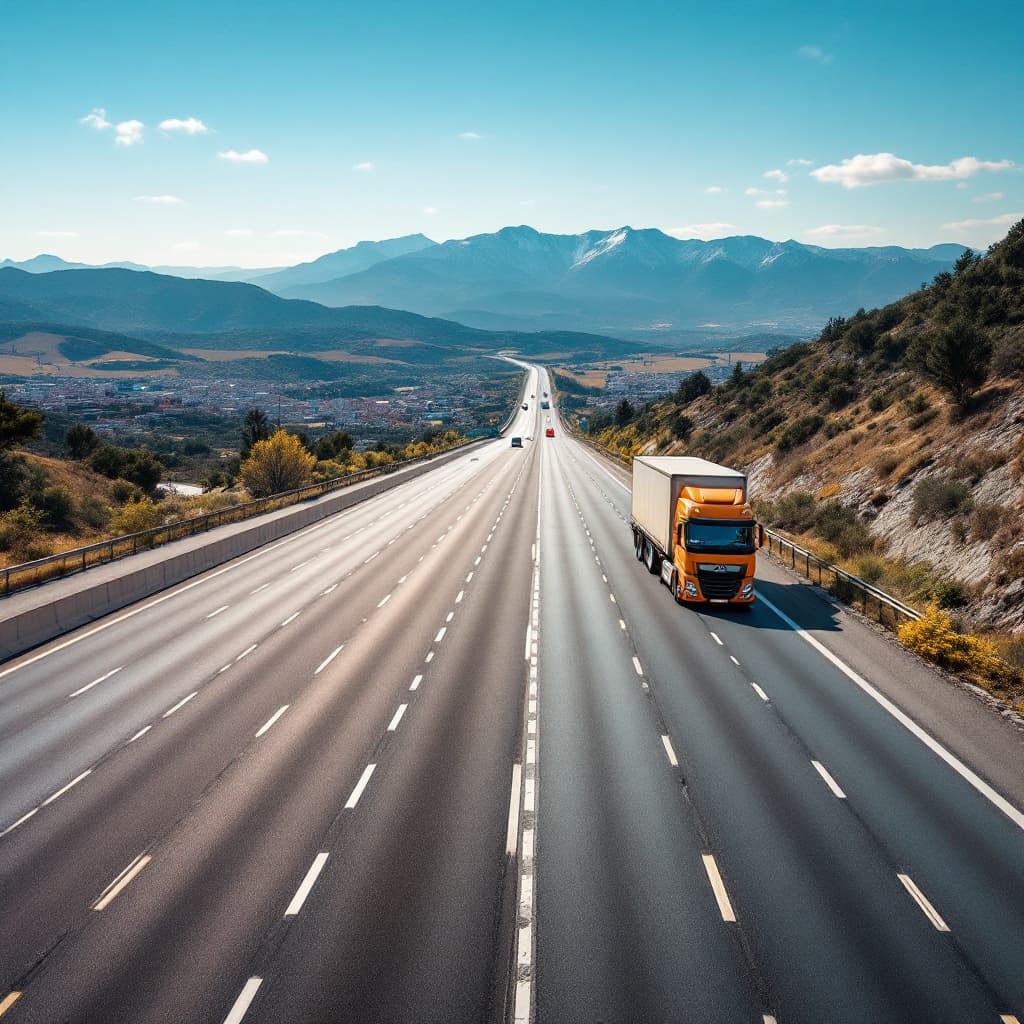
The Porto – Guimarães: Distance is a critical industrial freight transport route in northern Portugal. Guimarães, known as the "birthplace of Portugal," is a significant hub for textiles, manufacturing, and automotive industries. This article explores the characteristics of cargo transportation, key logistics aspects, and the best transport options along this industrial corridor. Porto – Guimarães: Distance by Car and Route The Porto – Guimarães: Distance by Car is 55 km , with the primary route being the A7 highway . The driving time for freight transport is approximately 40-50 minutes , depending on traffic conditions. Alternative routes: A3 and A11 – an option for avoiding congestion
Lisbon – Braga: Distance by Car and Freight Transport Features
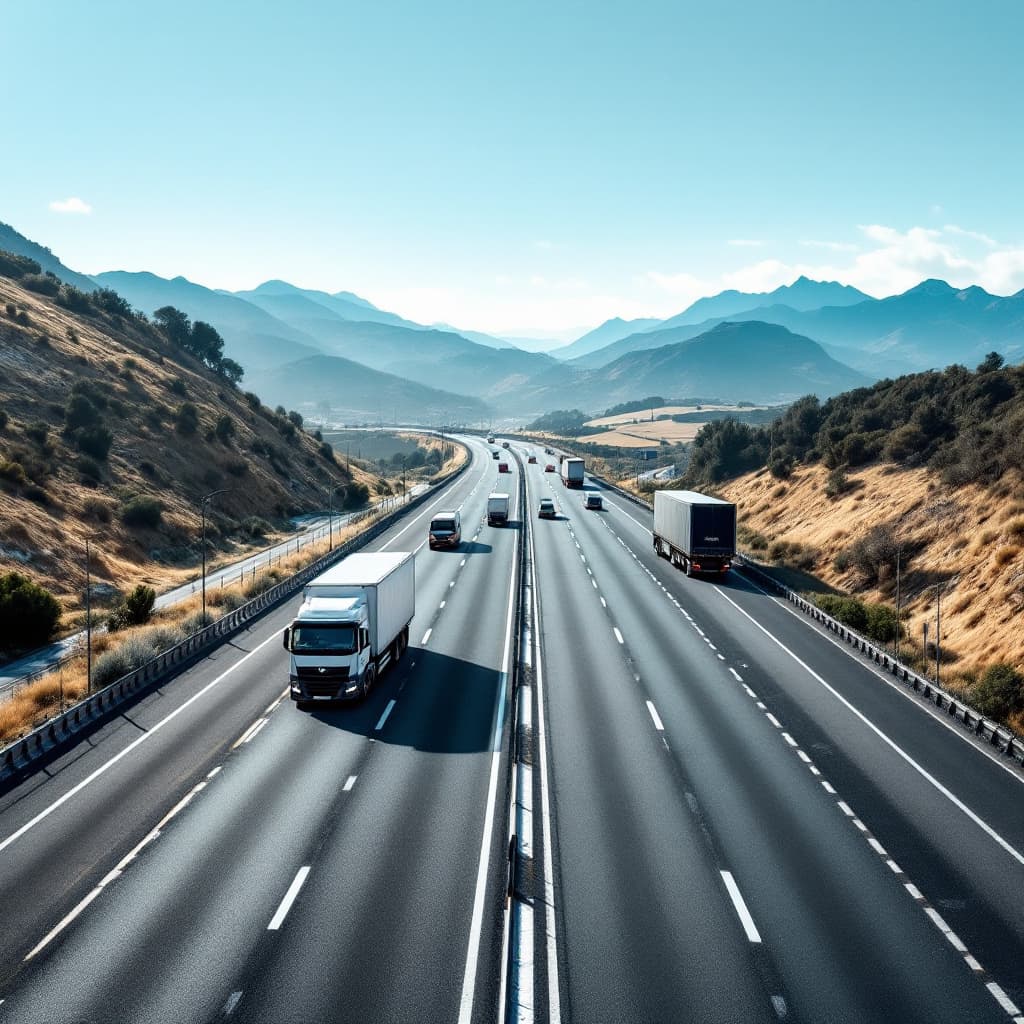
The Lisbon – Braga: Distance is one of the most important domestic freight transport routes in Portugal. Covering 365 km , this route plays a crucial role in connecting the capital, Lisbon, with Braga, a major economic and cultural center in the north. Efficient logistics along this corridor are vital for trade and industry. In this article, we will explore the characteristics of cargo transportation, the key logistics aspects of the Lisbon – Braga: Distance , and the best transport options for this route. Lisbon – Braga: Distance by Car and Route The Lisbon – Braga: Distance is 365 km, with the primary route being the A1 (Autoestrada do Norte) highway . The driving time for freight
Lisbon – Coimbra: Distance and Freight Logistics
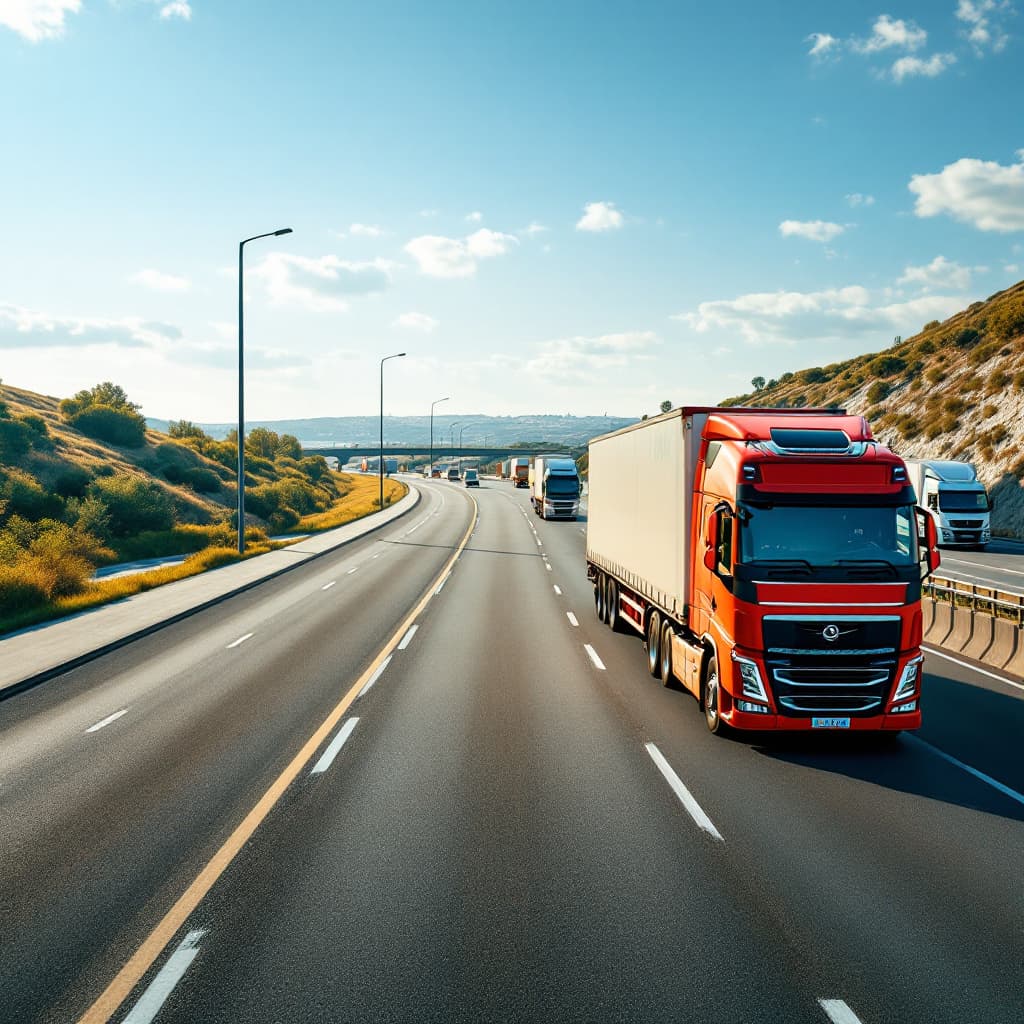
The Lisbon – Coimbra: Distance makes it a key freight corridor in Portugal. Spanning 200 kilometers , this route enables efficient cargo movement between two economic hubs. Truck transport takes about 2 hours , depending on road conditions and traffic. This logistics link supports trade and supply chains, connecting Lisbon’s commercial sector with Coimbra’s manufacturing activities. City Overview Lisbon is Portugal’s capital and economic hub, hosting major industries, trade centers, and logistics infrastructure. It serves as a gateway for domestic and international cargo distribution. Coimbra is a regional center in central Portugal, known for its industrial zones and commercial

Lisbon – Setúbal: Distance by car and Freight Features
The Lisbon – Setúbal: Distance and its logistical significance make it a crucial transportation corridor in Portugal . The 50-kilometer route ensures quick and convenient travel. On average, the drive takes 40–45 minutes , depending on road conditions and traffic flow. As a vital logistics link, it connects the capital with a significant port and industrial hub in southern Portugal, supporting both passenger and cargo movement. City Overview Lisbon is the capital and largest city of Portugal, serving as its economic and cultural hub. It has a well-developed transport network, including an international airport, a seaport, rail connections, and modern highways, making it a key logistics

The Lisbon – Porto: Distance route is one of Portugal’s key transport corridors. Spanning about 313 kilometers, it connects the two largest cities and plays a vital role in logistics and the economy. Travel time typically ranges from 3 to 3.5 hours, depending on road conditions and traffic. This Lisbon – Porto corridor facilitates the transport of goods, passengers, and commercial cargo, linking the capital with the northern industrial hub. Brief Description of the Cities Lisbon : As the capital and largest city of Portugal, Lisbon is the country’s primary economic, cultural, and transport hub. It boasts a major seaport and an international airport, both essential for global logistics.
Customer Service: How to Ensure High Quality in Logistics
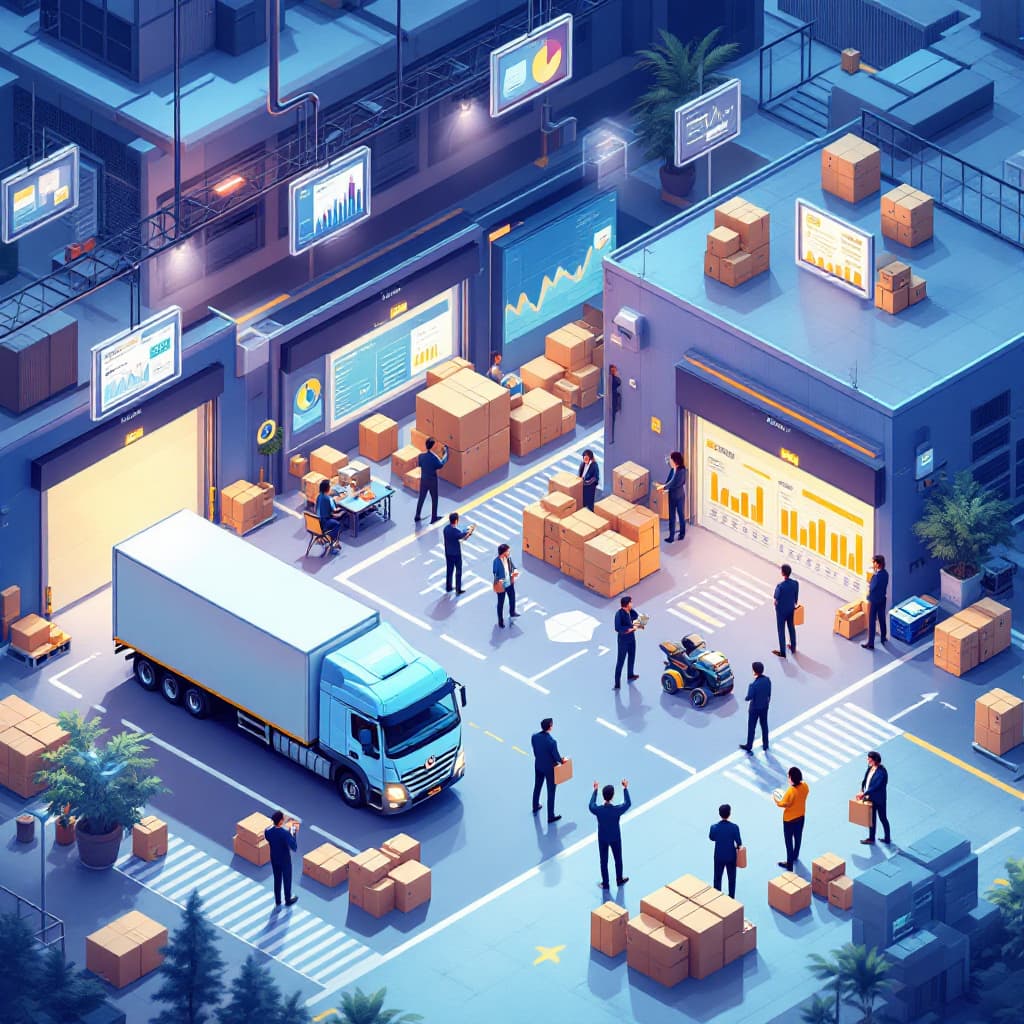
In today's world, logistics and customer service play a crucial role in meeting customer needs. Companies engaged in transportation and delivery face high competition and growing service quality demands. Effective logistics and high-quality customer service have become essential components of a successful business, as customer satisfaction largely depends on the speed and accuracy of delivery. The Role Logistics is not just about moving goods; it is a strategic tool for increasing customer loyalty. Delivering products on time and without damage strengthens a company's reputation and provides a competitive edge. Key factors influencing customer service quality include: Delivery speed –

International Logistics: Problems and Solutions in 2025
International logistics in 2025 faces serious challenges that demand effective solutions to maintain global supply chain stability and efficiency. This article explores key industry issues and approaches to overcoming them across different regions worldwide. 1. Geopolitical Instability and Its Impact on Logistics Conflicts, sanctions, and trade restrictions create uncertainty for global transport. Attacks on ships in the Red Sea force rerouting, increasing delivery times and costs. European tensions from sanctions against Russia and Belarus complicate logistics between the EU and the Eurasian Economic Union. In Asia, trade disputes between China and the US, along with export restrictions on

Transport Management Systems (TMS)
Modern logistics is becoming increasingly complex, and TMS requires high efficiency. Companies face the need to optimize routes, reduce costs, and improve operational transparency. Automated Transport Management Systems (TMS) play a crucial role in transportation management, helping businesses enhance productivity, gain better control over supply chains, and ensure high service levels. This article explores how TMS works, its advantages, and the challenges of implementation. What is TMS and How Does It Work? An Automated Transport Management System (TMS) is software that helps companies efficiently manage logistics processes, including planning, monitoring, and optimizing transportation.
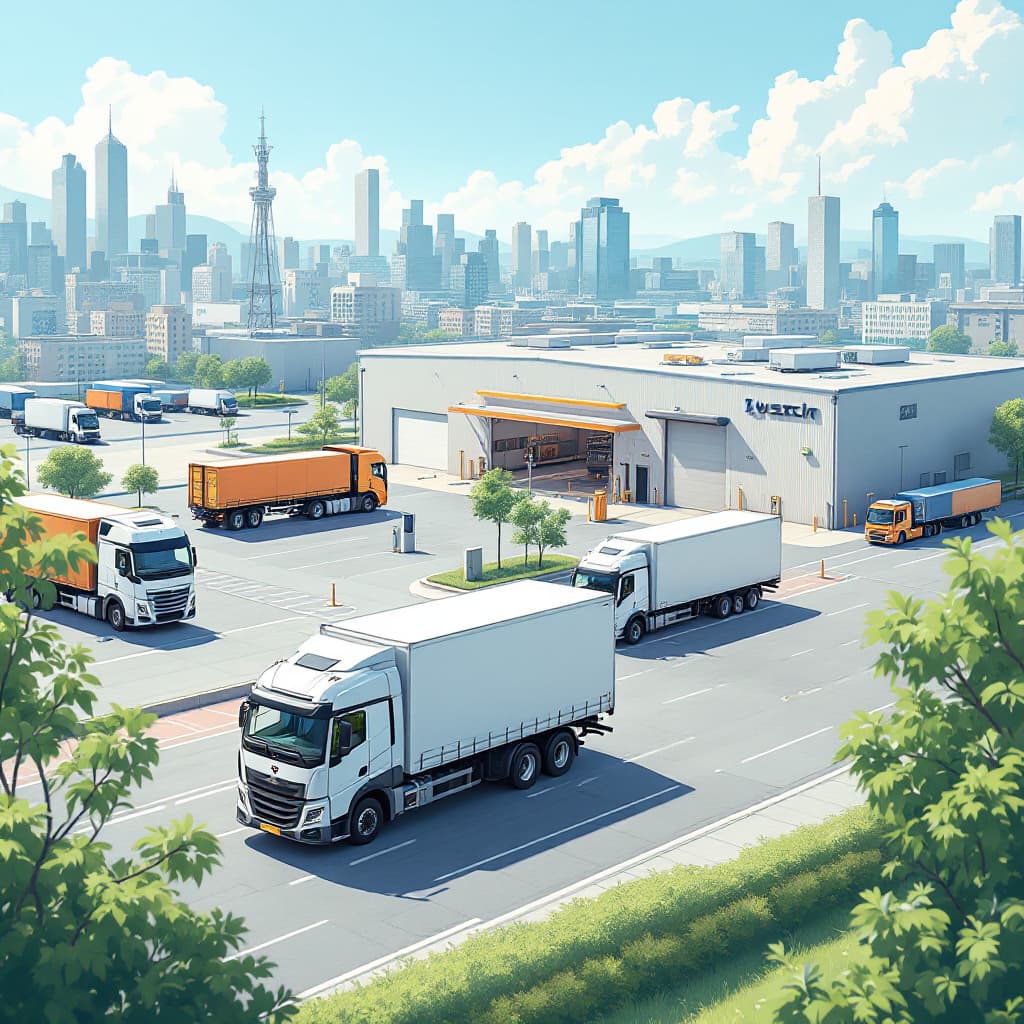
Electric Vehicles in Logistics: The Future of Transportation
Electric vehicles are emerging as a key solution, providing a sustainable and cost-effective future for transportation . Modern logistics faces challenges related to rising fuel costs, tightening environmental regulations, and the need to reduce CO₂ emissions. More companies are transitioning to electric fleets to reduce expenses, improve environmental impact, and comply with new regulatory requirements. Why Are Electric Vehicles Important for Logistics? Environmental Sustainability – EVs reduce greenhouse gas emissions and air pollution. Economic Efficiency – Electricity is cheaper than fuel, and maintenance costs are lower. Regulatory Compliance – Governments enforce strict emission
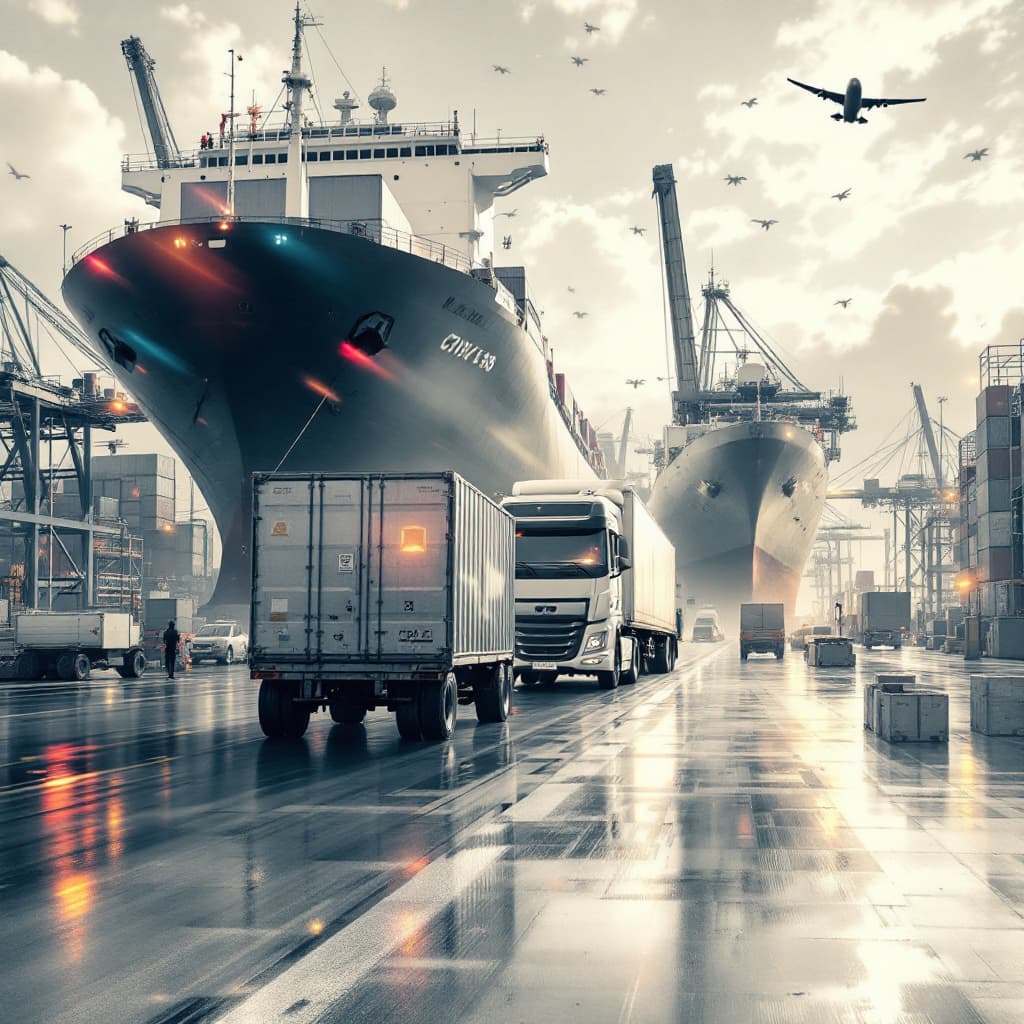
Impact of COVID-19 on Global Logistics
The impact of COVID-19 on global logistics was profound, disrupting supply chains and forcing businesses to adapt. Lockdowns, travel restrictions, and shifting consumer demand created significant challenges. This article examines how the impact of COVID-19 on global logistics changed industry practices and what strategies companies used to build resilience. Immediate Supply Chain Disruptions At the pandemic’s start, factory shutdowns halted production worldwide. Shortages of essential goods, including medical supplies and PPE, followed. At the same time, e-commerce demand surged, adding pressure to supply networks. The impact of COVID-19 on global logistics became clear as companies

In today's interconnected world, cybersecurity in logistics is a critical concern as the industry increasingly relies on digital technologies to manage complex supply chains. While these advancements enhance efficiency, they also expose companies to significant cybersecurity risks. Protecting sensitive data within the logistics sector is paramount to maintaining operational integrity and customer trust. The Importance of Cybersecurity in Logistics Logistics companies handle vast amounts of sensitive information, including personal customer details, financial records, and proprietary business data. A breach can lead to severe consequences such as financial loss, reputational damage, and
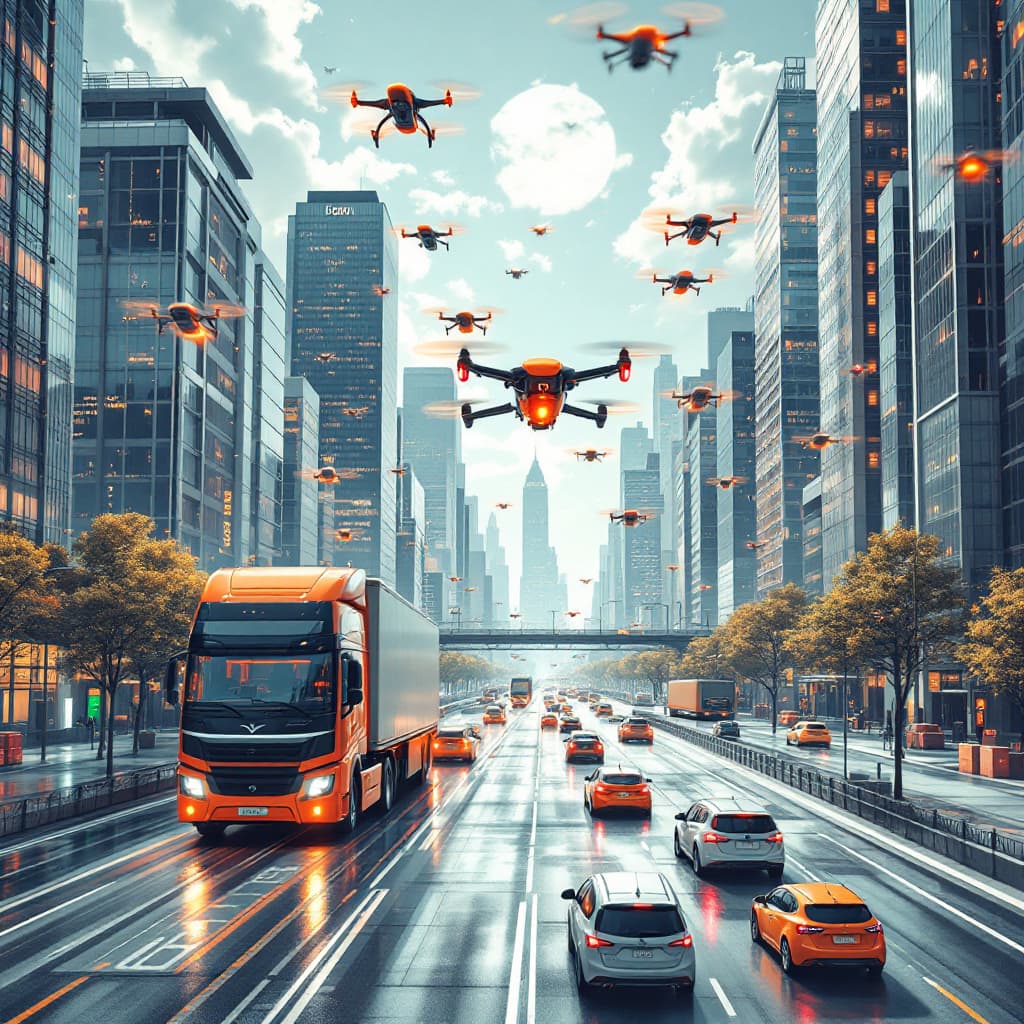
Drones and Autonomous Vehicles in Transportation: Trends
In the 21st century, drones and autonomous vehicles in transportation have transformed mobility, logistics, and urban planning. These technologies improve efficiency, safety, and sustainability while reducing costs and delivery times. This article explores the latest trends, innovations, and challenges in drones and autonomous vehicles in transportation and how they shape mobility’s future. The Role of Drones in Modern Transportation Drones in transportation now serve beyond military applications. They are widely used in logistics, last-mile deliveries, and urban air mobility. Cargo Delivery with Drones Drones in logistics streamline last-mile deliveries. Companies use drone technology to