
Alexander Petrunin
Miras atıfı
Bu arşiv, tarihsel yazar etiketlerini gruplandırmaktadır. Kimlik ve yazarlık, mevcut yayın sürecimiz kapsamında doğrulanmamıştır.
Makaleler
European Carriers Secure Online Orders Case Studies
European carriers are navigating a complex landscape of increasing online demand, stringent security requirements, and evolving payment ecosystems. This introduction outlines how leading European logistics and courier providers are securing online orders while preserving customer experience and operational efficiency. Across markets, carriers pursue a common goal: to prevent fraud , ensure compliant data handling , and provide a reliable checkout that scales from peak seasons to routine deliveries. These case studies examine practical implementations, from authentication workflows to real-time risk scoring, that reduce risk without slowing the order path. Key strategies emerge: multi-factor
Carrier Registration on Freight Marketplace Practical Guide
Carrier registration on a freight marketplace is the gateway to a digital network of shippers, brokers, and freight opportunities. This practical guide provides clear, step-by-step instructions to onboard a carrier quickly, verify credentials, and maintain compliance over time. You will learn what documents to prepare, how to submit them, and which checks marketplaces perform to protect both carriers and shippers. Prerequisites include a legal business entity and the necessary authority. Have your USDOT and MC numbers, proof of insurance with carrier qualification limits, a current insurance certificate, and a government-issued business registration. Prepare up-to-date fleet information,
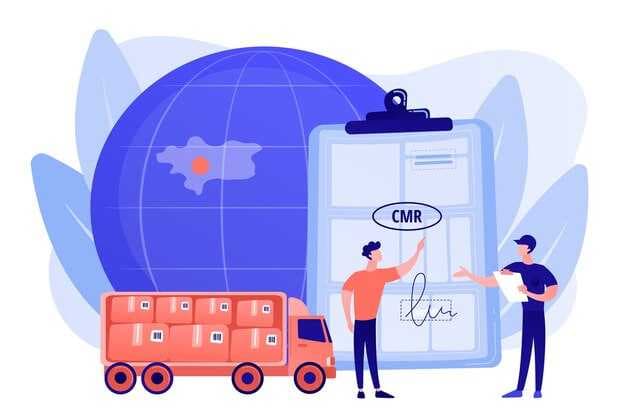
Step by Step Carrier Registration on a Freight Marketplace
Getting started as a carrier on a freight marketplace unlocks a scalable channel to find reliable shippers , quote accurate rates, and manage shipments from a single dashboard. This introduction outlines the step-by-step registration process, the documents and verifications required, and the practical outcomes you can expect from a compliant carrier profile. Prerequisites for registration include being a legally registered transportation company or sole proprietor, having active insurance, and valid operating authority. Prepare company details, Tax Identification Number, insurance certificates, motor carrier numbers, and bank information for payments before you begin the signup.

Small Freight Firms Compete with Giants on Marketplaces
Small freight firms are carving out a new space in a marketplace-driven logistics era, where shippers expect transparent pricing, real-time visibility, and dependable delivery windows. Giants retain scale, but marketplaces enable nimble operators to gain share through speed, specialization, and consistent performance. Instead of trying to move endless volumes, small and mid-sized carriers win with niche routes, regional expertise, and a high-touch service model that large multinational s struggle to match. They deploy digital routing, load consolidation, and flexible capacity to offer steady availability at competitive prices. Marketplaces level the field by surfacing pricing, capacity, and

Carrier Benefits on EU Freight Platforms
EU freight platforms unlock new channels of opportunity for carriers, transforming how capacity is found, priced, and moved across the Union. For carriers, these platforms provide direct access to a broad, diverse pool of loads , enabling faster bookings, smarter load matching, and reduced reliance on traditional intermediaries. Real-time visibility into demand, load details, and carrier performance creates predictable revenue streams and lowers empty miles . Advanced matching algorithms optimize routes for efficiency , safety , and compliance , helping fleets reduce detours and improve on-time performance. Operational efficiency is boosted by digital tools: integrated TMS and accounting

Advantages for Carriers on EU Freight Platforms
EU-wide freight platforms connect carriers with a broad network of shippers across member states, delivering consistent demand and a steady stream of loads. For carriers, this manifests as higher visibility, faster load matching, and shorter dwell times. Standardized onboarding and digital workflows let operators join quickly and start moving freight with minimal friction. Real-time load matching, dynamic pricing, and transparent terms reduce negotiation overhead. Carriers can browse nearby loads, compare estimated revenue, routes, and service requirements in a unified interface. This load-matching efficiency and transparent pricing improve planning accuracy and help maintain reliable

Key Benefits for Carriers on EU Freight Platforms
EU freight platforms connect carriers with a broad pool of shippers across member states, delivering access to consistent demand, predictable lanes, and opportunities to fill capacity that would otherwise sit idle. They provide real-time load matching that minimizes empty miles, faster booking , and streamlined dispatch workflows, often accompanied by electronic documents like BOLs, invoices, and proof of delivery. Transparent pricing, secure payments , and optional escrow services improve cash flow and reduce disputes, while rating systems and verified shippers increase trust across cross-border operations. Compliance support includes driver hours regulation adherence , EU-wide insurance

Benefits for Carriers on EU Freight Platforms
Platforms that connect freight carriers with shippers across the European Union unlock a set of value drivers for fleet operators and independent drivers alike. They provide real-time demand signals, digital documents, and transparent pricing that help carriers plan loads more efficiently and expand their geographic reach. Increased visibility and faster matching enable carriers to reduce downtime and keep assets productive. Real-time load postings, route suggestions, and performance metrics help plan efficient trips and minimize empty miles across borders. Operational efficiency comes from digital document flow (bills of lading, permits), automated invoicing , and secure payments that

Top Benefits for Carriers on EU Freight Platforms
European freight platforms connect carriers with shippers across the EU, creating a scalable marketplace for transport capacity . For carriers, this digital channel turns underutilized assets into consistent work, more reliable planning, and predictable revenue. Among the main advantages are higher load utilization through demand matching, transparent pricing , and faster booking cycles that reduce downtime and improve cash flow. Real-time shipment visibility and dynamic routing enable efficient, fuel-conscious itineraries, cutting empty miles and boosting asset productivity across corridors. Digital onboarding and standardized documentation simplify compliance, minimize administrative
Freight Marketplaces Boost Growth for European Carriers
Freight marketplaces have reshaped how goods move across Europe, knitting together a fragmented ecosystem of transport providers, freight forwarders, and shippers on a single digital platform. By aggregating capacity and demand, these marketplaces unlock scale, visibility, and speed that traditional networks often lack. For European carriers, that translates into more consistent loads, fewer empty miles, and a sharper, data-driven competitive edge. On the supply side, dynamic pricing, real-time load matching, and automated documentation give carriers greater control over their networks. Fleet utilization rises as trucks spend more time moving goods and less time searching for work, while

Freight Marketplaces Drive Growth for European Carriers
Freight marketplaces have emerged as a pivotal driver of growth for European carriers, reshaping how capacity is matched with demand across the continent. By connecting shippers with a broad network of transport providers, these platforms unlock faster bookings, higher asset utilization, and more predictable revenue streams. For carriers, the value is measured in access to a larger pipeline of loads, optimized routing, and transparent pricing. Utilization rates rise as trucks spend less time idle, and carriers can plan capacity with greater confidence even during peak seasons. On the operational side, freight marketplaces provide digital tendering, real-time visibility, and data-driven

Freight Marketplaces Enable Growth for European Carriers
Freight marketplaces have emerged as catalysts for expansion among European carriers, transforming fragmented regional networks into connected ecosystems. By enabling instant access to shippers, real-time capacity visibility, and standardized booking workflows, these platforms unlock new routes and markets that were previously out of reach for many operators. For carriers, the shift from bilateral tendering to digital marketplaces improves asset utilization, reduces empty miles, and shortens the time from load to movement through data-driven matching and automated invoicing. This leads to faster cargo cycles and more predictable cash flow. Beyond speed, marketplaces foster compliance and