


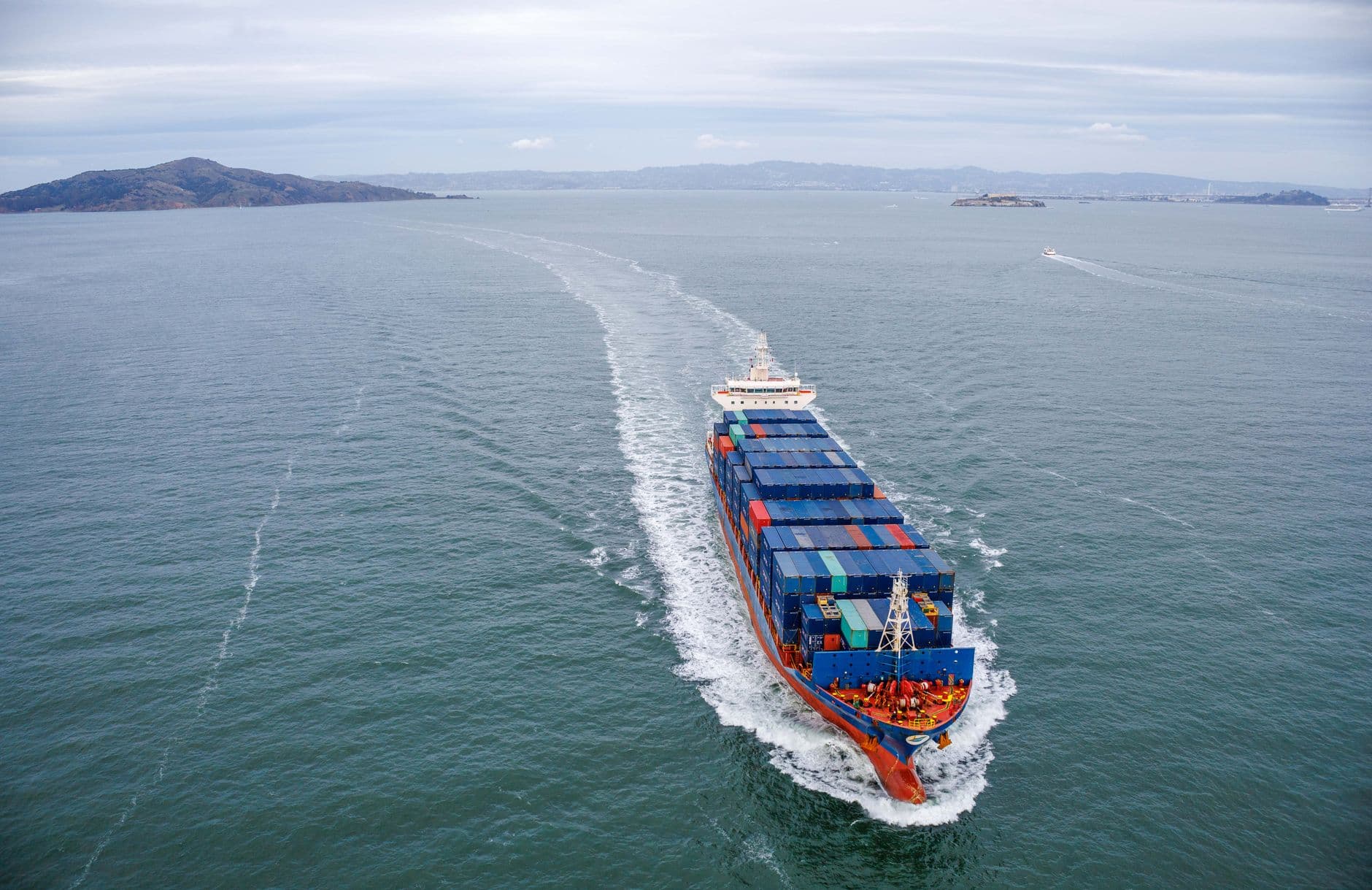

The International North-South Transport Corridor, usually shortened to INSTC, is a roughly 7,200 kilometre multimodal route that carries freight from India through Iran to Russia and onward into Europe, using ships on the water legs and rail or road overland. Arta Rail For a shipper mapping out 2026 lanes it matters for one blunt reason. It is the main overland alternative for India-Russia and India-Europe cargo that wants to skip the Suez routing, and the volume moving through it is climbing fast: traffic reached about 26.9 million tonnes in 2024, up roughly 19 percent on the year. TASS
I have spent enough time quoting lanes through Iran and across the Caspian to know that the INSTC is really three corridors wearing a single name, and choosing the wrong branch is where a plan quietly loses a week. What follows is the freight-desk version of the story. The three branches, the transit times that are realistic today, the trade growth pulling cargo onto the route, and the one bottleneck everybody names but few explain. I will also place the INSTC next to the Middle Corridor, which we cover separately in our guide to the Baku-Tbilisi-Kars railway, because shippers mix the two up more often than any other pair of routes.
What the INSTC actually is
The corridor was signed into being on 12 September 2000 by Iran, Russia and India, and it has since grown to more than a dozen member states. ADB The founding idea was simple. Move a container from Mumbai by sea to the Iranian port of Bandar Abbas, carry it north across Iran, cross the Caspian, and hand it to Russian railways for the run to Moscow, St Petersburg and Europe.
On paper the payoff is large. Reporting on the corridor puts a Mumbai to St Petersburg move at around 25 days against roughly 40 days via the Suez, with cost cuts near 30 percent and transit savings close to 40 percent compared with the older route through the Black Sea. Business Standard Those savings are the reason India and Russia keep steering cargo onto it. Bilateral trade through the INSTC roughly doubled in 2024, and rail alone carried more than 12.9 million tonnes that year. TASS The cargo mix tells you who is really using the route: agricultural goods make up about 40 to 45 percent of Russia's trade turnover on the corridor. Energy Intelligence
The three branches, and how they read in 2026
Here is the part that trips up first-time users. North of Iran the INSTC does not run on one line. It splits into three branches that each get past the Caspian a different way, and in 2026 each carries a different reliability profile.
| Branch | Route | Transit read in 2026 |
|---|---|---|
| Trans-Caspian | Iranian Caspian ports such as Bandar-e Anzali or Amirabad, by ship to Astrakhan or Olya in Russia, then rail north | Flexible and gap-free, but adds a sea transshipment and leans on vessel availability and Caspian weather |
| Western (via Azerbaijan) | Rail up the western Caspian shore through Azerbaijan, broken today by the missing Rasht-Astara link and bridged by road | About 25 to 30 days now, with officials targeting roughly 10 days once the rail gap closes Caspian Post |
| Eastern (via Kazakhstan and Turkmenistan) | Rail up the eastern Caspian shore on the Kazakhstan-Turkmenistan-Iran line, operational since 2014 | The fastest-maturing branch: a Moscow-area to Tehran run took 12 days in November 2025 Tehran Times |
The western branch and the Rasht-Astara gap
The western branch is the one with a famous hole in it. Almost the whole route north through Iran and Azerbaijan is rail, except for a 162 kilometre stretch between Rasht and Astara on the Iranian side. Interfax Until that section exists, cargo has to leave the rail and travel by road around the gap, which adds handling time and cost on every move. This is the single most-cited bottleneck on the corridor, and I would not quote a western-branch rail programme as fully seamless while it is still open.
The 2026 news is real but easy to overstate. Russia and Iran have finalised the arrangements for the line, which is planned with 9 stations and around 1.6 billion euros of Russian financing, with land acquisition due to wrap up in the first quarter of 2026 and construction starting soon after. RailFreight.com The build itself is scheduled to run about 48 months. Interfax So the honest read for a shipper is this. 2026 is the year the western gap starts to close, not the year it closes. If you need the western branch to work now, plan around the road shuttle at Rasht-Astara, not around a finished railway.
The eastern branch is doing the heavy lifting
If the western branch is the promise, the eastern branch is the one delivering in the near term. It climbs the eastern shore of the Caspian on the Kazakhstan-Turkmenistan-Iran railway, in service since 2014, so there is no missing rail section of the Rasht-Astara kind to work around. Arta Rail The proof point landed on 8 November 2025, when a scheduled freight train that started about 900 kilometres north of Moscow reached the Aprin dry port near Tehran in 12 days, moving 62 forty-foot containers through Kazakhstan and Turkmenistan. Tehran Times Container traffic on this branch has been rising sharply, helped by deep tariff discounts, and for a lot of India-Central Asia-Russia cargo it is now the most predictable of the three routes.
The Trans-Caspian branch as the flexible fallback
The third branch sidesteps the shoreline rail question by crossing the water instead. Cargo reaches an Iranian Caspian port, transfers to a vessel, and sails to Astrakhan or Olya in southern Russia before continuing by rail. Arta Rail Its virtue is that it does not wait on the Rasht-Astara build at all. Its weakness is the transshipment onto a shallow, weather-exposed sea with limited tonnage, so schedule reliability rides on vessel availability. Even partial infrastructure moves the numbers here: the Astara terminal on the western side lifted corridor transit shipments by an estimated 10 to 15 percent by the end of 2024. Caspian News
Why the growth looks structural, not a spike
It would be easy to read the 2024 jump as a one-off. I do not think it is, and the clearest signal sits in a single commodity. Russia's share of India's fertiliser imports climbed from about 7.68 percent in 2017-18 to roughly 27 percent in 2023-24, then to a record 33 percent in the first half of 2025, as Russian shipments rose about 20 percent to some 2.5 million tonnes. Business Standard TASS
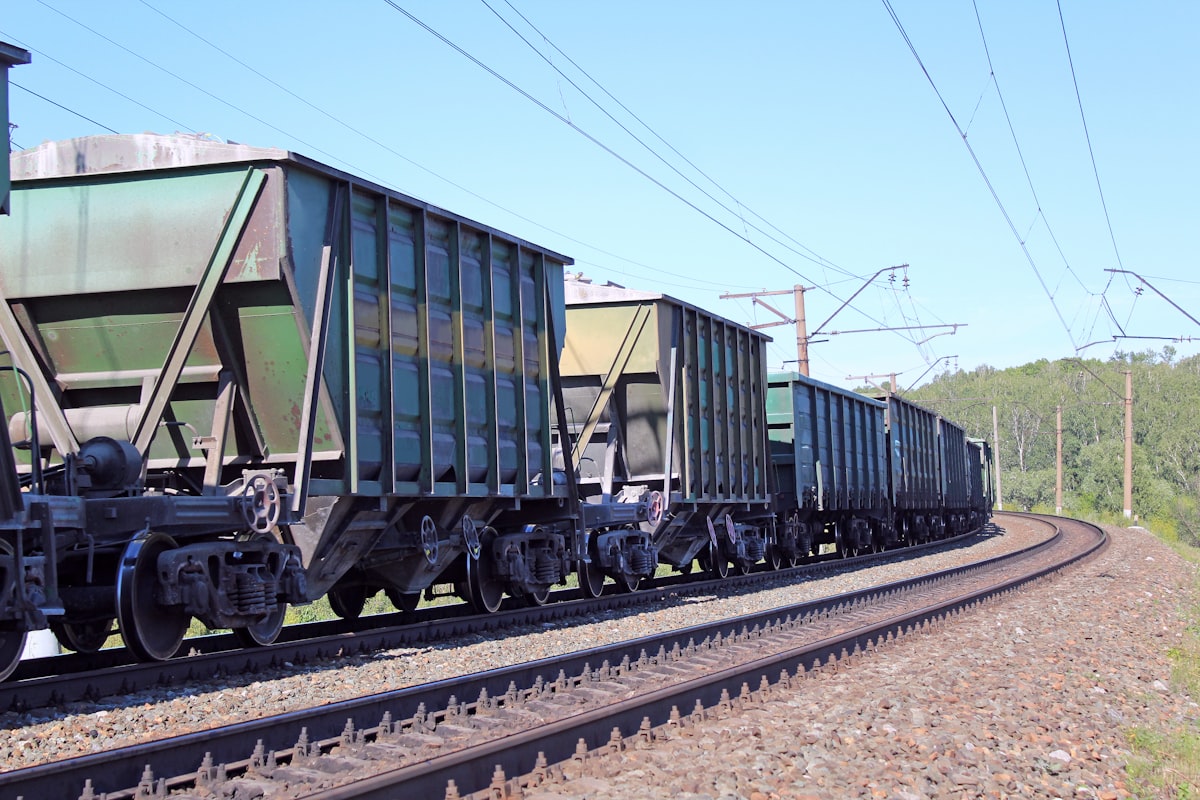
When a trade relationship deepens that quickly on bulk goods like fertiliser and grain, it needs cheap overland capacity that does not depend on the Suez or on Western-controlled shipping lanes. That demand is what keeps the INSTC investment case alive across three governments at once, and it is why I treat the corridor as a durable fixture in my lane planning rather than a wartime detour that fades. The infrastructure is following the cargo, not the other way round.
Where the INSTC sits next to the Middle Corridor
Shippers confuse these two constantly, so let me be precise. The INSTC runs north to south, linking India and Iran to Russia and Europe. The Middle Corridor runs east to west, linking China and Central Asia to Türkiye and Europe, and its western rail anchor is the Baku-Tbilisi-Kars line, which reached full capacity of about 5 million tonnes a year in June 2026. The Astana Times
The two networks share the Caspian crossing and some of the same ports, which is why they get muddled, but they serve different trade flows and different customers. If your cargo is India-Russia or India-Europe, the INSTC is your frame. If it is China-Europe avoiding Russian territory, the Middle Corridor is. Both lean on the same body of water, so if any part of your move touches the Caspian it is worth reading this alongside our guide to crossing the Caspian in 2026, because the sea leg is where schedules on either corridor tend to slip.
How I would plan an INSTC move in 2026
The corridor rewards a shipper who plans the specific branch rather than the map. Here is the checklist I actually work from.
- Pick the branch before you pick the price. The eastern route is the most predictable today, the Trans-Caspian is the flexible fallback, and the western route still carries a road shuttle at Rasht-Astara.
- For the western branch, budget the road leg around the rail gap as a real cost and time line, not a rounding error, until the new railway is finished years from now.
- Plan the Caspian sea leg as its own project if your routing crosses the water, since vessel availability drives the schedule more than the rail timetable does.
- Confirm the destination customs regime early. Cargo entering the Eurasian Economic Union after the corridor clears under rules that deserve their own preparation, which we set out in our 2026 EAEU customs guide.
- Book with a carrier who already runs the branch you want and holds the port and ferry slots, rather than assembling the legs yourself after the cargo is moving.
If you are weighing the INSTC against an all-sea routing and want to see who is genuinely running these branches this month, GetTransport.com lets you compare carriers and quotes across the Caspian and Iranian lanes in one place, which beats trusting a corridor map that shows a single unbroken line where three different realities exist. That marketplace view is the difference between a lane that looks good on paper and one that actually ships.
The takeaway I leave shippers with is this. The INSTC is no longer a diplomatic project you read about and ignore. At 26.9 million tonnes in 2024, and rising sharply again into 2026, it is a working set of lanes, but it is three lanes, not one, and the plan lives or dies on which branch you choose and how honestly you cost the Caspian and the Rasht-Astara gap. Treat it as a real option, quote the specific branch, and it earns its place on the shortlist.
Frequently asked questions
What is the International North-South Transport Corridor?
The INSTC is a roughly 7,200 kilometre multimodal route connecting India through Iran to Russia and onward to Europe, combining sea legs with rail and road overland. Arta Rail It was established on 12 September 2000 by Iran, Russia and India and now has more than a dozen member states. ADB The classic move runs from Mumbai by sea to Bandar Abbas, north across Iran, over the Caspian, and onto Russian railways toward Moscow and on into Europe.
How much faster and cheaper is the INSTC than the Suez route?
Reporting on the corridor puts a Mumbai to St Petersburg shipment at around 25 days against roughly 40 days via the Suez, with cost cuts near 30 percent and transit savings close to 40 percent versus the older Black Sea route. Business Standard The exact figures depend on which of the three branches you use and on the Caspian sea leg, so treat them as planning ranges rather than guarantees.
Will the Rasht-Astara railway be finished in 2026?
No, and the start slipped. The executive contract for the missing 162 kilometre Rasht-Astara section was set to be signed on 1 April 2026, but it was delayed and put under review amid regional tensions. RailFreight.com By late July 2026, Russia, Azerbaijan and Iran were preparing the practical implementation phase after resolving the land-allocation obstacle, yet the build is still scheduled to run about 48 months and is financed with around 1.6 billion euros, so a finished railway is unlikely before 2030. Interfax Until then, cargo on the western branch still moves by road around the gap.
Which INSTC branch is most reliable right now?
The eastern branch, through Kazakhstan and Turkmenistan, is the most predictable in the near term because it runs on rail that has been in service since 2014. Arta Rail A scheduled train reached the Aprin dry port near Tehran from north of Moscow in 12 days in November 2025, carrying 62 forty-foot containers. Tehran Times The route then reached a further milestone on 6 July 2026, when the eastern branch ran its first official through rail transit of cargo from Russia to India, according to corridor operators. The Trans-Caspian branch is the flexible fallback, while the western branch waits on the Rasht-Astara railway.