


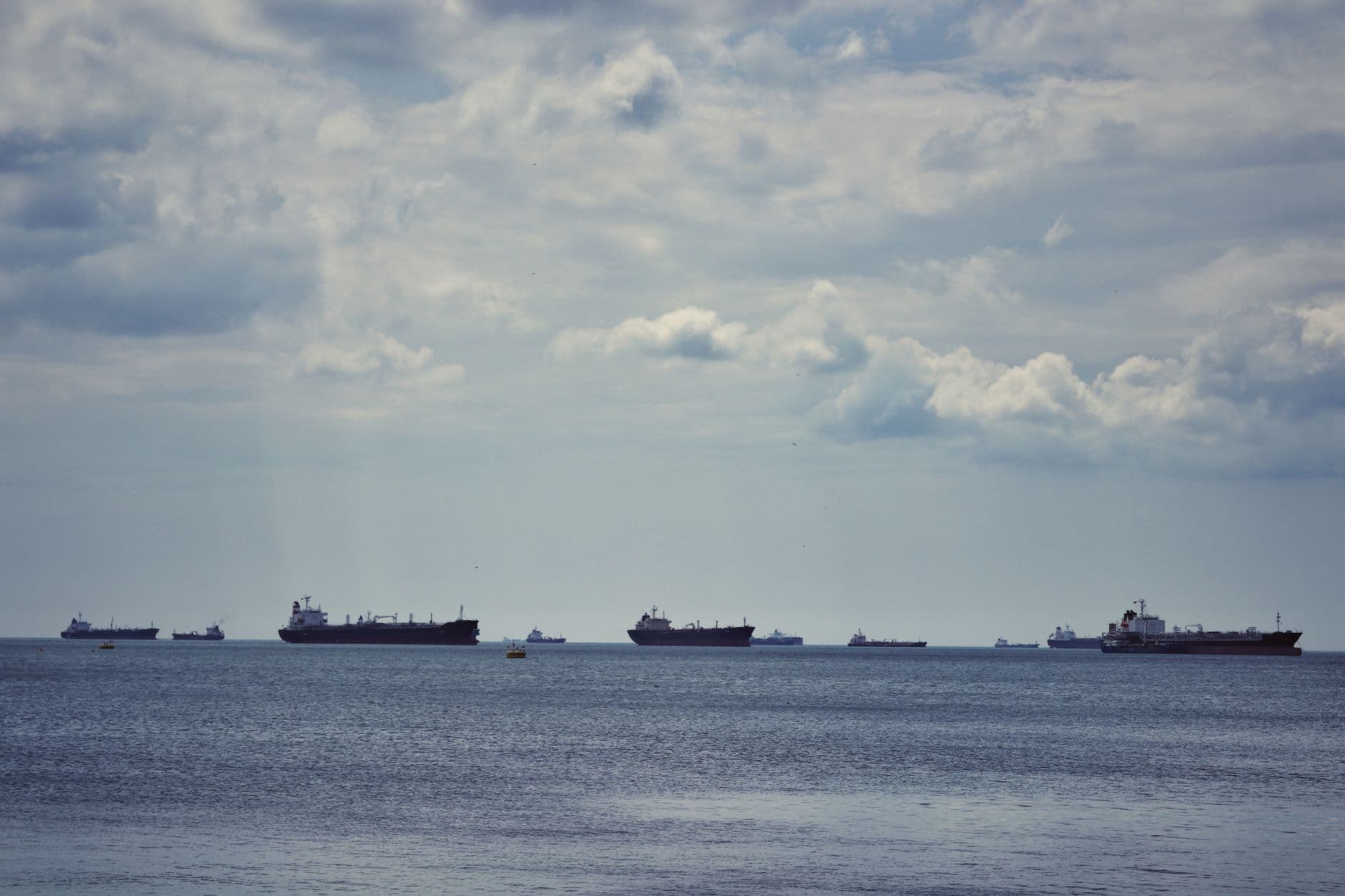
Three reasonable ways to rank the world's merchant fleets produce three different winners in 2026. By flag, Liberia leads with 447 million dwt registered. By beneficial ownership, Greece leads with 397 million dwt. By what the ships are worth, China leads at USD 291 billion. Below is each ranking, why they disagree, and which one matters when you book cargo.
I got interested in this the day a shipment of mine sat in port because the vessel had been detained during a port state control inspection. Nobody in the booking chain had looked at the flag. The rate was good, the schedule looked fine, and the flag was a line of small print that turned out to carry information about how likely that inspection was to go badly.
By flag: where the tonnage is registered
Flag registration is the measure most people mean by "largest fleet", because it is the one printed on the hull. Per UNCTAD, the largest registers in 2026 are:
| # | Register | Carrying capacity | Paris MoU status from 1 July 2026 |
|---|---|---|---|
| 1 | Liberia | 447 million dwt | White |
| 2 | Panama | 350 million dwt | White (up from Grey) |
| 3 | Marshall Islands | 318 million dwt | White |
| 4 | Hong Kong SAR | n/a | White |
| 5 | Singapore | n/a | White |
| 6 | China | n/a | White |
| 7 | Malta | n/a | White |
| 8 | Bahamas | n/a | White |
| 9 | Greece | n/a | White |
| 10 | Japan | n/a | White |
The top five registers together account for 58 percent of global carrying capacity. That concentration is the whole point of an open register: a Greek owner can flag in Monrovia, a German owner in Majuro, and the register competes on service, cost and the treaties it has ratified rather than on nationality.
The movement inside the top three is worth noting. Panama's register has been roughly stable over the past decade while Liberia and the Marshall Islands grew quickly, Liberia especially since 2018. Liberia passing Panama is recent, and plenty of published material still calls Panama the largest register in the world. When you see that claim, check its date.
By owner: who actually owns the ships
Change the question to beneficial ownership, meaning the country where the controlling company sits, and the leaderboard is unrecognisable. At the start of 2026 the largest beneficially owned fleets by deadweight were Greece with 397 million dwt, China with 377 million dwt, and Japan with 243 million dwt.
Greece is the clearest illustration of why the two lists differ. Greek owners control the largest fleet in the world by carrying capacity while the Greek register sits ninth. Most of that tonnage flies Liberian, Maltese or Marshallese colours. Ownership is a Piraeus phone number; the flag is a registry choice made ship by ship.
China's 377 million dwt is the number that has moved fastest, and it now sits close enough to Greece that the ordering depends on which vessel classes a compiler includes and where it draws the line on state-linked entities. Treat the Greece-China gap as narrow rather than settled.
By value: the ranking that reorders again
A third measure asks what the fleet is worth rather than how much it can carry. On total fleet asset value in 2026, Veson Nautical puts China first at USD 291 billion across 9,375 vessels, Japan second at USD 233 billion, and Greece third, where tanker values do most of the work and containerships contribute little.
Deadweight and dollars diverge because a tonne of capacity is not worth the same in every trade. Bulk carriers are cheap per tonne of capacity, gas carriers and modern containerships are expensive, and a fleet weighted toward the latter will rank higher by value than by dwt. That is why China leads on value and Greece on capacity: the mix differs, not just the size.
The same effect shows up in the segment rankings we publish. Ownership tables for tanker shipping companies and dry bulk operators lean on deadweight because that is what those trades sell. In gas and containers, capacity understates the asset.
What the flag tells you that the tonnage does not
Here is the part that touches your cargo. The Paris MoU grades flags on inspection and detention records, publishing White, Grey and Black lists that determine how much port state control attention a ship attracts. The lists adopted from the 2025 inspection results apply from 1 July 2026 until 6 July 2027, built on inspections from 2023 to 2025 for flags with at least 30 inspections in the period.
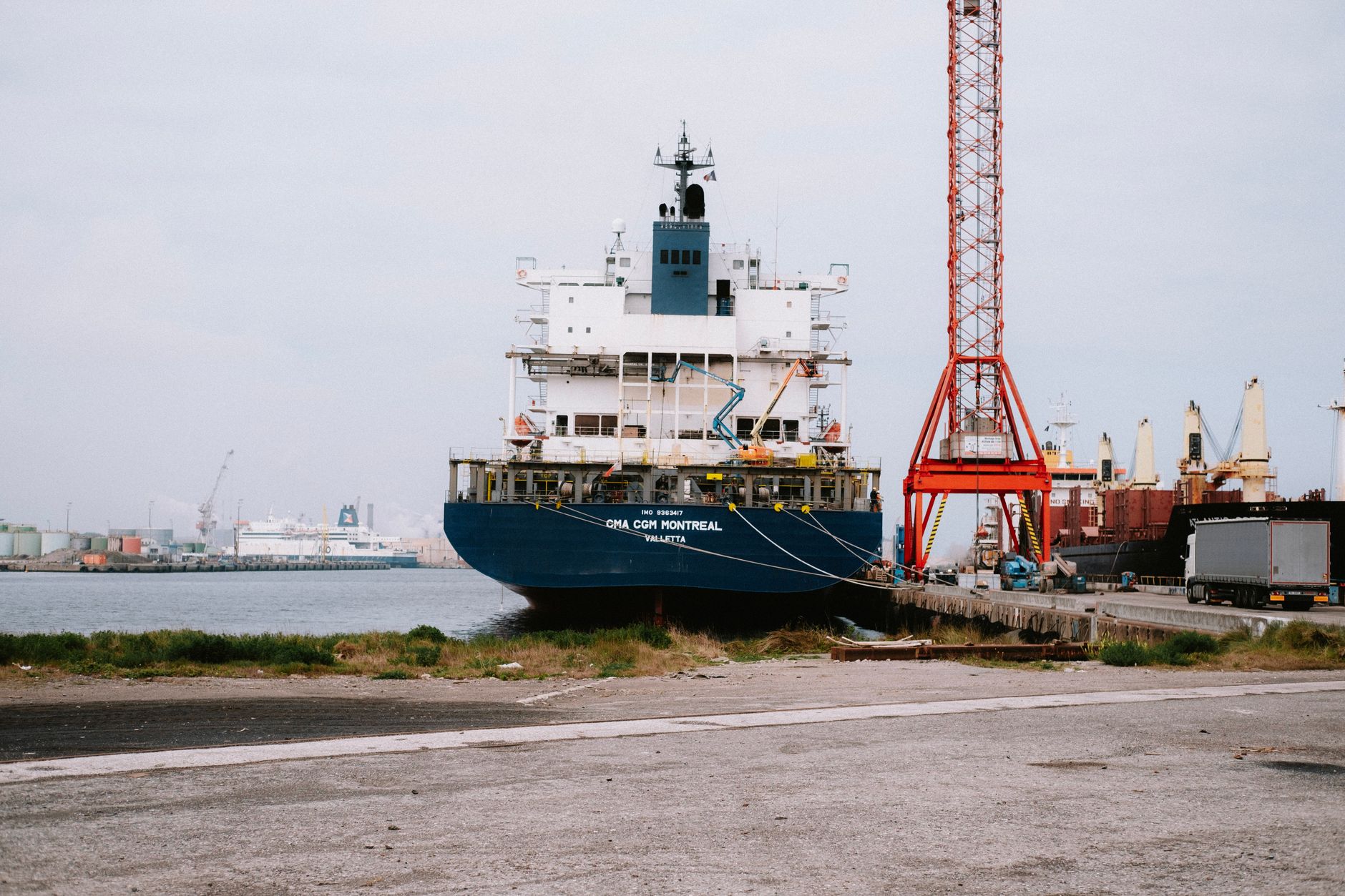
On that basis Liberia sits on the White List with 6,319 inspections and 276 detentions, the Marshall Islands is also White with 5,166 inspections and 167 detentions, and Panama moved up from Grey to White on 5,731 inspections and 338 detentions. All three of the largest registers are now white-listed, out of 40 flags on the list in total. The best performers are mostly smaller registers, and the top of the 2026 table belongs to Denmark and Norway, followed by the Marshall Islands, Bermuda and the Netherlands.
The Grey List is the more instructive read, because it is not populated by obscure registers. South Korea and India appear on it for this period, as do Russia, the Philippines, Lithuania and Latvia. Several of those are significant maritime nations with national fleets, which is the clearest available evidence that flag performance tracks inspection outcomes rather than reputation or size.
A grey-listed flag does not mean a bad ship, and a white-listed one is not a guarantee. Individual vessels vary far more than flags do, and Liberia's own White List position comes with 276 detentions behind it, Panama's with 338. What the grading changes is the probability of a targeted inspection, and an inspection that finds deficiencies can hold a vessel for days. If your cargo is on that ship, the flag has just become a schedule risk.
The world fleet these rankings divide up
For scale: the world fleet reached 2.5 billion dwt of carrying capacity as of 1 January 2026, up 85 million dwt on the year. Against that total, Liberia's 447 million dwt is close to a fifth of everything afloat under one register, and the top five registers between them hold 58 percent.
Growth of 85 million dwt in a single year is roughly the entire Marshall Islands register from a decade ago arriving in twelve months. It lands unevenly by segment, which is why capacity can be tight in one trade while another has more ships than cargo.
What I check on the flag before I book
Flag is one field in a booking confirmation and takes a minute to check. What I look at, in order:
- Paris MoU or Tokyo MoU standing. White, Grey or Black for the current list period. Grey is a reason to look at the specific ship, not a veto.
- The ship's own detention history. Vessel-level records beat flag averages every time, and a recent detention on the specific hull matters more than the colour of the list.
- Age against segment. A 20-year-old bulker on a grey flag in a marginal trade is a different proposition from a 5-year-old boxship on the same flag.
- Sanctions exposure. Registry, ownership and management can sit in three jurisdictions, and the compliance question follows all three rather than the flag alone.
- Who the manager is. Technical managers have their own performance records, and a good manager on a mediocre flag usually outperforms the reverse.
- Where the ship is calling next. Port state control regimes differ in intensity, so the same flag carries different inspection odds in Rotterdam and in a port outside the MoU networks.
Three lists, one fleet
Liberia leads the register table, Greece leads on owned deadweight, China leads on fleet value, and none of those facts contradicts the others. They describe registration, control and capital, and each is the right answer to a different question.
For a cargo owner the useful order is roughly the reverse of the headlines. The register tells you something about inspection risk on the specific voyage. Ownership tells you who to talk to when a schedule slips. Fleet value tells you about market power over the medium term and almost nothing about next month. If you want the vessel-level view of the ships doing the actual carrying, our ranking of the biggest container ships and shipping lines covers the fleets that move manufactured cargo.
Frequently asked questions
Which country has the largest merchant fleet in the world?
It depends on the measure. Liberia has the largest register at 447 million dwt. Greece has the largest beneficially owned fleet at 397 million dwt. China has the most valuable fleet at USD 291 billion across 9,375 vessels.
Is Panama still the largest ship registry?
No. Liberia now leads with 447 million dwt against Panama's 350 million dwt. Panama's register has been broadly flat for a decade while Liberia grew quickly, particularly after 2018, so older sources naming Panama first are out of date rather than wrong for their time.
What is a flag of convenience, and does it mean a lower-quality ship?
An open register lets owners of any nationality register ships, which is why Greek and Japanese owners hold Liberian and Marshallese tonnage. Quality varies by ship rather than by flag. For the list period from 1 July 2026 every one of the three largest open registers sits on the Paris MoU White List, Panama having moved up from Grey. Several established national flags, South Korea and India among them, sit on the Grey List instead, so an open register is not the marker of low standards it is often assumed to be.
Why does China lead on fleet value but not on deadweight?
Because value follows vessel type. Deadweight favours bulk carriers and tankers, which are inexpensive per tonne of capacity, while containerships and gas carriers cost far more for the same tonnage. China's fleet mix is weighted toward higher-value tonnage, and Greece's toward capacity.
Register and ownership figures are UNCTAD data as of the start of 2026; fleet asset values are Veson Nautical's 2026 estimates. Paris MoU classifications apply from 1 July 2026 to 6 July 2027 and are based on inspections from 2023 to 2025. Because these three series are compiled on different bases, figures should not be summed or compared as one table.