


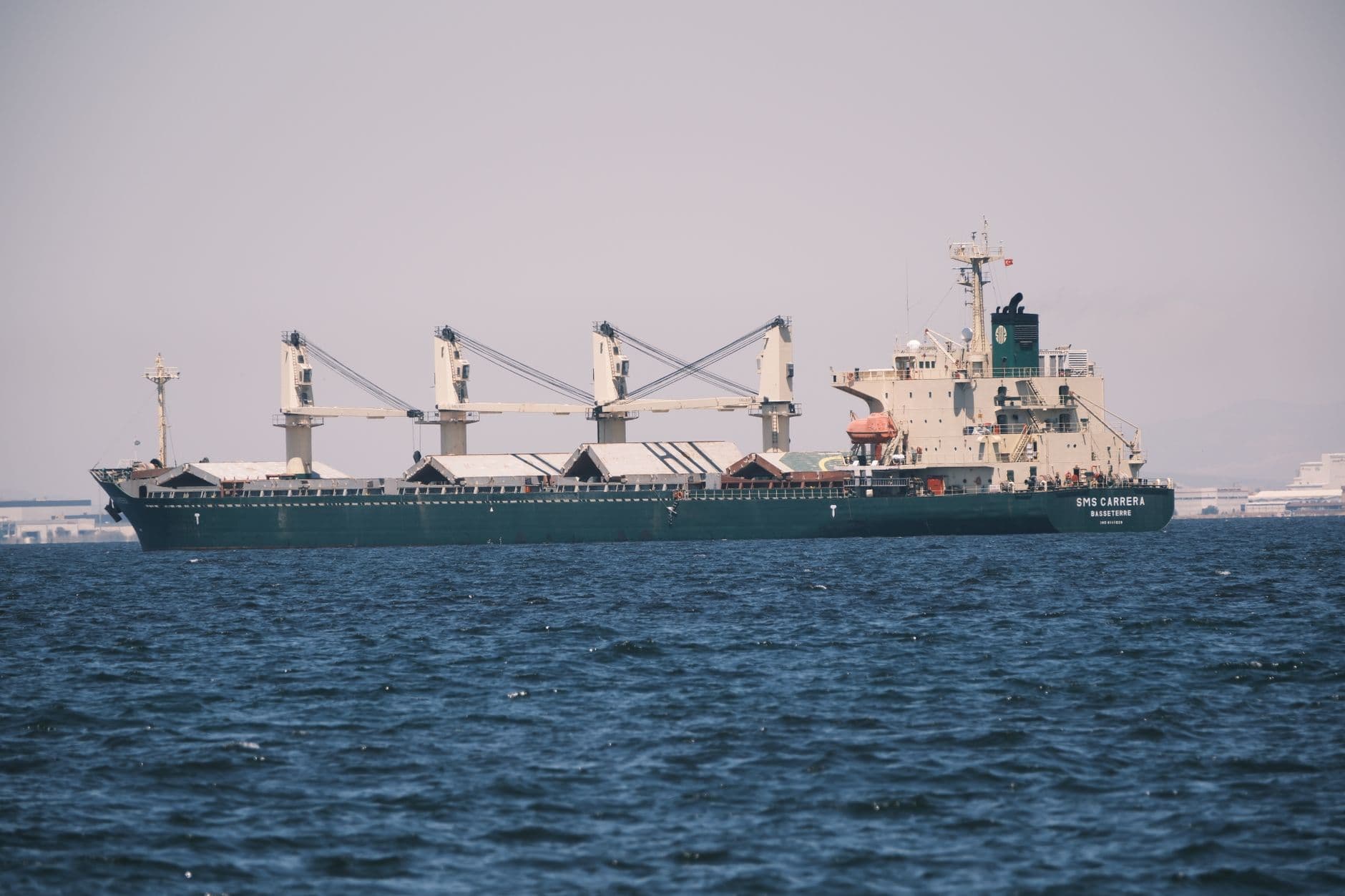

When an exporter calls our freight desk in the first quarter and asks for a sailing out of Brazil, I already know the conversation is going to come back to one word. Santos. The Port of Santos is the largest port in Latin America and the main gateway for Brazil's agricultural exports, and in 2025 it broke its own record by handling 186.4 million tonnes, up 3.6 percent on the 179.8 million it moved in 2024. That is a wonderful headline for the port authority. For a shipper trying to keep a schedule honest during the harvest peak, it is also the reason the berth you wanted is gone.
GetTransport.com matches carriers on Brazilian export lanes through every part of the calendar, so what follows is the operational version of the Santos story rather than the press-release one. The record volumes are real, the congestion they create is real, and the good news is that Brazil now has more than one credible exit. This is a practical guide to why Santos jams, what the delay actually costs, and how a shipper routes around the bottleneck without pretending it does not exist.
Why Santos is jammed
The simple answer is that the crop grew faster than the quay. Brazil's 2025/26 soybean harvest is now forecast at a record 180.3 million tonnes, with exports projected at a record 116.1 million tonnes, and the country's total grain crop is pegged at a record 358.6 million tonnes. Corn adds to it, with a harvest near 138.6 million tonnes and exports forecast around 46.5 million. All of that grain hits the coast in a narrow window, and a large share of it still tries to leave through one place.
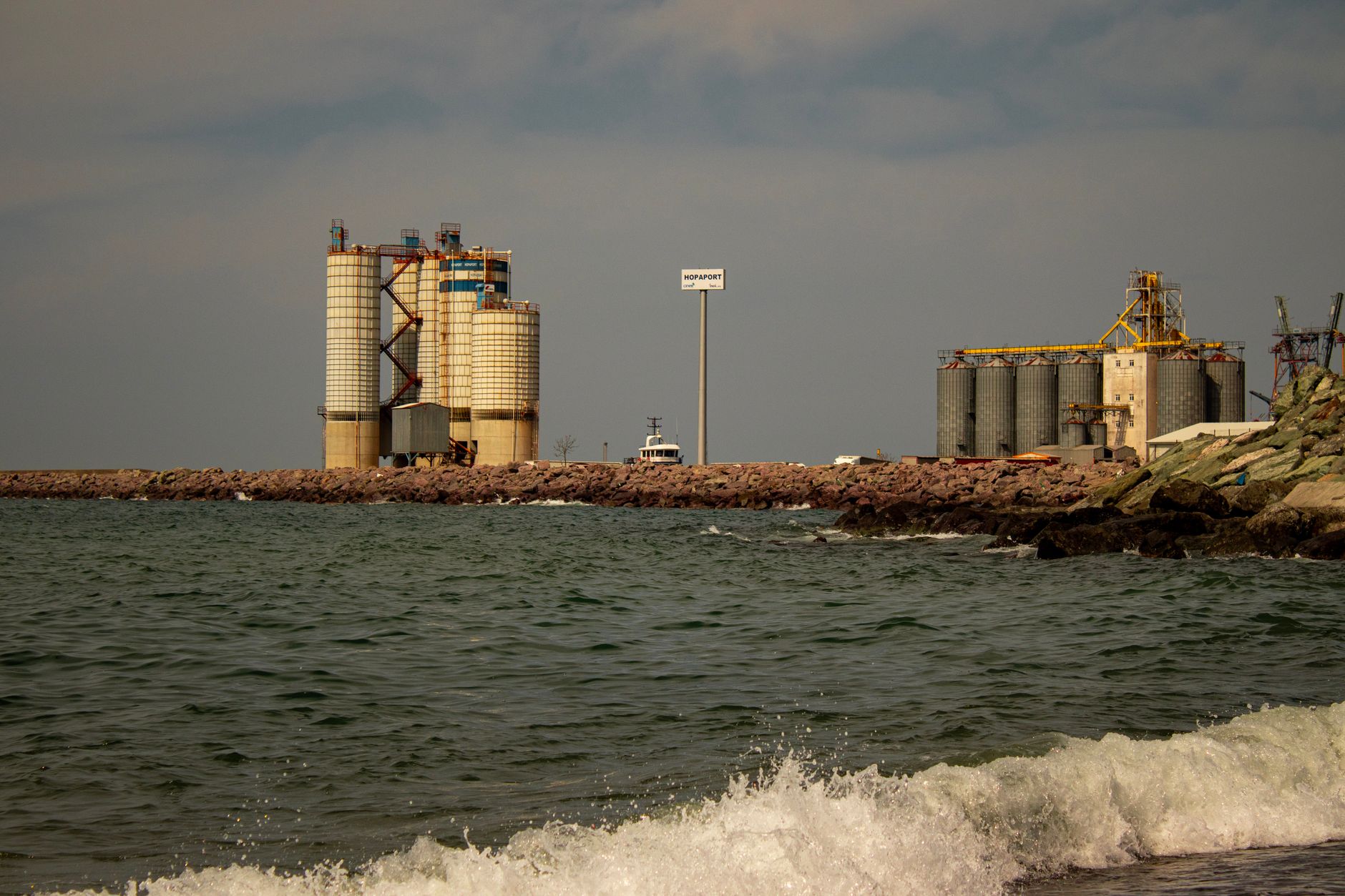
Santos handled 44.9 million tonnes of soybeans in 2025, plus 24.1 million tonnes of sugar, 15.2 million tonnes of corn and 9.8 million tonnes of pulp. It was also the main coffee gateway, shipping 23.1 million bags in the first nine months of the year, about 79 percent of the national total. Stack those flows on top of a container business that crossed 5.9 million TEU, and the result is a port doing several record jobs at once. Solid bulk alone reached 94.5 million tonnes. The quay is busy every month, but during the soy push it is simply oversubscribed.
What the congestion costs you
The cost shows up as waiting, and waiting is expensive on a chartered vessel. Earlier in 2025, when the bulk terminals were fully booked, vessels at Santos and Paranagua were waiting an average of more than five days to load, and in the worst stretches the queue ran past two weeks. A ship sitting at anchor still bills demurrage, and that meter runs whether the cargo is grain, sugar or a container booking caught behind the bulk rush.
There is a physical limit underneath the scheduling one. Santos has been trying to dredge its navigation channel deeper, with the port authority awarding a contract in mid-2025 to take the channel from 15 to 16 metres as part of a wider modernisation plan worth about R$12.6 billion. Deeper water would let larger vessels call, eventually up to the 18,000-TEU class. The catch in 2026 is that the relief has stalled. A court suspended the dredging after the tender award was challenged, which leaves the winning contractor barred from starting, and the planned STS10 container terminal is itself at risk for 2026 amid lawsuits and a government dispute over the bidding model. So the port is absorbing record cargo on infrastructure sized for less, with no near-term capacity rescue in sight. A shipper who books into the peak and assumes a clean berth window is gambling, and the house edge favours delay.
The new 2026 risk: strikes and gate shutdowns
Two factors that were not on the 2025 radar now sit on top of the berth queue. The first is labour. In May 2026 dock workers staged a national stoppage across 32 major Brazilian ports including Santos, a twelve-hour strike that froze loading mid-season. At that point the average wait at Santos was running at about 116 hours, close to five days, and at some terminals the queue was far worse, with Vila do Conde in the north reaching 242 hours, more than ten days. A strike does not have to last long to push a ship past its laycan when the line behind it is already that deep.
The second is the land side. In June 2026 the Santos port authority invoked a contingency regime because the roads feeding the terminals were so congested that truck entry into the port was halted entirely for several hours. That is the part exporters underestimate, because a berth means nothing if the cargo cannot reach it by road. When the quay queue, a possible strike and a blocked gate can all land in the same week, the case for not betting a whole programme on a single Santos slot stops being theoretical.
Paranagua, the southern alternative
The first place I look when Santos tightens is Paranagua, in Parana state, which is the principal alternative on the southern coast and a serious grain port in its own right. It handled 66.4 million tonnes across 2025 and kept breaking records, including a single-month grain mark in August 2025 above 2 million tonnes that beat a level standing since 2015, and it shipped 11.3 million tonnes of soybeans worth about US$4.5 billion in the first eight months of the year. By October 2025 it posted another record and its operators reported grain vessels not queuing to dock even at high volume, which tells you the team there has been investing in throughput rather than coasting.
The practical read is that Paranagua sometimes clears vessels faster than Santos during the same week, because its port operations team reported grain ships not queuing to dock even as volumes climbed. It is not a magic exit, and it has its own congested stretches, but for a shipper with cargo originating in Parana, Santa Catarina or southern Mato Grosso do Sul, routing to Paranagua can shave both the inland haul and the berth wait. The decision is rarely Santos or nothing. It is which southern gate is moving this month.
The northern arc is the real release valve
The structural shift, and the one I push hardest with exporters who have flexible origins, is north. The northern arc ports, what Brazilians call the Arco Norte, have been taking a steadily larger slice of the grain trade. Between January and October 2025 they shipped 37.38 million tonnes of soybeans, about 37.2 percent of the national total, and handled 41.3 percent of the corn, anchored by Itaqui in Maranhao and Barcarena in Para. Across the full year the northern ports moved 163.3 million tonnes and posted the fastest growth of any Brazilian region at 10.33 percent. Together with Santos and Paranagua, the arc helped account for more than 80 percent of Brazil's corn and soybean exports.
The reason this works is geography. Cargo grown in the central states of Mato Grosso and Goias can travel a shorter overland distance to a northern port than south to Santos, which cuts trucking cost and feeds a less crowded quay. That advantage has been compounding, with northern ports posting some of the fastest national growth in 2025. For a soy or corn exporter sitting in the interior, the northern arc is not an exotic option anymore. It is often the cheaper and faster one, and it sidesteps the Santos queue entirely.
It is not only grain fighting for the berth
One trend that catches exporters off guard is the rise in vehicle-carrier calls at Santos and Paranagua. New direct Asia to East Coast South America services are adding weekly capacity into both ports, and Asian automakers are building out Brazilian operations, with BYD rolling out its first Brazil-made vehicle from Camacari in mid-2025 and that plant expected to be fully functional by late 2026. More RoRo and container loops mean more competition for berth windows and for the tight inland links that feed the quay.
So the bottleneck is not purely an agri story. A grain shipper, a sugar trader and a car carrier are all bidding for the same scarce slot during the busy months. That is exactly the kind of multi-cargo congestion a marketplace view is built for, because the question that decides your sailing is not which port looks biggest on a map, it is which carrier holds a real slot out of which terminal this week.
Keeping a schedule honest
The exporters who hold their dates through the peak tend to do the same handful of things. They treat the port choice as a live decision rather than a default, they book the berth window early instead of assuming one, and they price the demurrage risk into the deal instead of discovering it at anchor.
- Book your terminal slot early, especially for the February to May soy peak, rather than chasing one when the queue is already forming.
- Match the origin to the port. Central-state cargo often clears cheaper and faster through the northern arc than through Santos.
- Keep Paranagua as a live second option for southern-origin grain, and check which southern gate is actually moving the week you load.
- Budget for demurrage. A wait of five days or more at anchor is a real cost line in peak season, not a rounding error.
- Watch for non-grain competition. Rising vehicle-carrier and container calls tighten berth windows even when your cargo is soy.
- Build in a buffer for labour and road disruption, because a port strike or a contingency gate closure can stall even a confirmed berth in 2026.
- Confirm the draft. Channel depth limits which vessels can call fully laden, and the deepening that would ease it is suspended by a court challenge.
Brazil is a top global exporter of soybeans, sugar and coffee, and the volumes are not shrinking. The country shipped over 26 million tonnes of sugar in the first eleven months of 2025 and earned record coffee revenue above US$15 billion the same year, even as the harvest strained every quay. The lane out of Brazil is won by the shipper who treats the port as a choice and the schedule as something to be defended, which is where having a live view of who is sailing from where beats loyalty to a single famous berth.
If your Brazilian cargo is heading into Europe under the new trade framework, the customs side deserves its own planning, and we cover it in our guide to the EU-Mercosur 2026 rules of origin. For exporters weighing a Pacific routing rather than the Atlantic crush, the wider South American reshuffle is worth reading alongside our look at the Chancay port reroute toward Asia-Pacific.
Frequently asked questions
Why is the Port of Santos congested in 2026?
Record agricultural volumes are arriving faster than the port can expand. Santos handled 186.4 million tonnes in 2025, an all-time high, including 44.9 million tonnes of soybeans, 24.1 million tonnes of sugar and 15.2 million tonnes of corn. A record 2025/26 soybean harvest near 180.3 million tonnes, part of a record 358.6 million tonne grain crop, pushes even more cargo onto the same quay during the harvest peak, while planned channel deepening has been suspended by a court challenge, so near-term relief is uncertain. The result is full berths and vessel queues during the busy months.
How long do ships wait at Santos and Paranagua?
It varies sharply by season and by how booked the bulk terminals are. Earlier in 2025, average waits at Santos and Paranagua ran past five days when terminals were fully reserved, and the worst stretches exceeded two weeks. During a national port strike in May 2026 the average wait at Santos was about 116 hours, close to five days, while some northern terminals ran far longer. Paranagua's operators later reported grain vessels not queuing even as volumes rose, which is why the faster gate can change month to month. A chartered ship at anchor still accrues demurrage, so the wait is a direct cost.
What are the alternatives to shipping through Santos?
The two main alternatives are Paranagua on the southern coast and the northern arc ports such as Itaqui and Barcarena. Paranagua suits southern-origin grain, handled 66.4 million tonnes in 2025 and reported no vessel queue even at record volume. The northern arc shipped 37.38 million tonnes of soybeans from January to October 2025, about 37.2 percent of the national total, moved 163.3 million tonnes across the year with the fastest regional growth in Brazil, and is often cheaper for cargo grown in the central states because the overland haul is shorter.
When is the worst time to ship grain out of Brazil?
The tightest window is the soybean harvest peak, roughly February through May, when the bulk of the crop reaches the coast at once and competes for the same berths. Booking your terminal slot before that window forms, matching origin to the least crowded port, and budgeting for demurrage are the practical ways to hold a schedule through the crush rather than getting caught in the queue.