
Alexander Petrunin
遗留归因
此档案按历史作者标签分组。身份和作者身份尚未根据我们当前的编辑流程进行核实。
文章

安全运输 MCP 服务器:OAuth 2.1、工具投毒和暴露实例
货运 MCP 系列的第三部分:一旦代理能够预订真实的货物,如何防止它为错误的人预订错误的东西?一个按读写拆分的、与供应商无关的安全模型,用于写工具的 OAuth 2.1 和 PKCE,工具中毒和暴露实例问题,以及一个市场服务器必须强制执行但单个承运商可以跳过的东西。

2026年7月起生效的欧亚经济联盟新海关条例:运往哈萨克斯坦、俄罗斯及联盟各国的货物
自2026年7月1日起,欧亚经济联盟将为跨境电子商务提供明确的海关制度(欧亚经济委员会理事会决定):每件货物的200欧元门槛保持不变,但高于此门槛的包裹将根据国家规定征收5%的关税(最低1欧元/公斤)以及增值税,其中哈萨克斯坦的增值税将为16%。以下是实际操作的解读:谁在边境支付、DDP与DAP的区别,以及为什么联盟侧的仓库会成为一项优势。

2026年货运MCP服务器:Warp、CargoMART和市场服务器必须暴露的内容
对 2026 年实际发货的货运 MCP 服务器(Warp、CargoMART、freightutils、Easyship)进行并排拆解:工具出现、预订受限之处、报价有效期陷阱、stdio 与托管 HTTP,以及多承运人市场服务器必须公开的内容。

自2025年10月起,所有出口沙特阿拉伯的货物都必须持有 SABER 认证。以下是 SABER 和 FASAH 的协同工作方式、PCoC 与 SCoC 的区别、分步流程、2026 年 HS 编码变更以及证书被拒的主要原因。
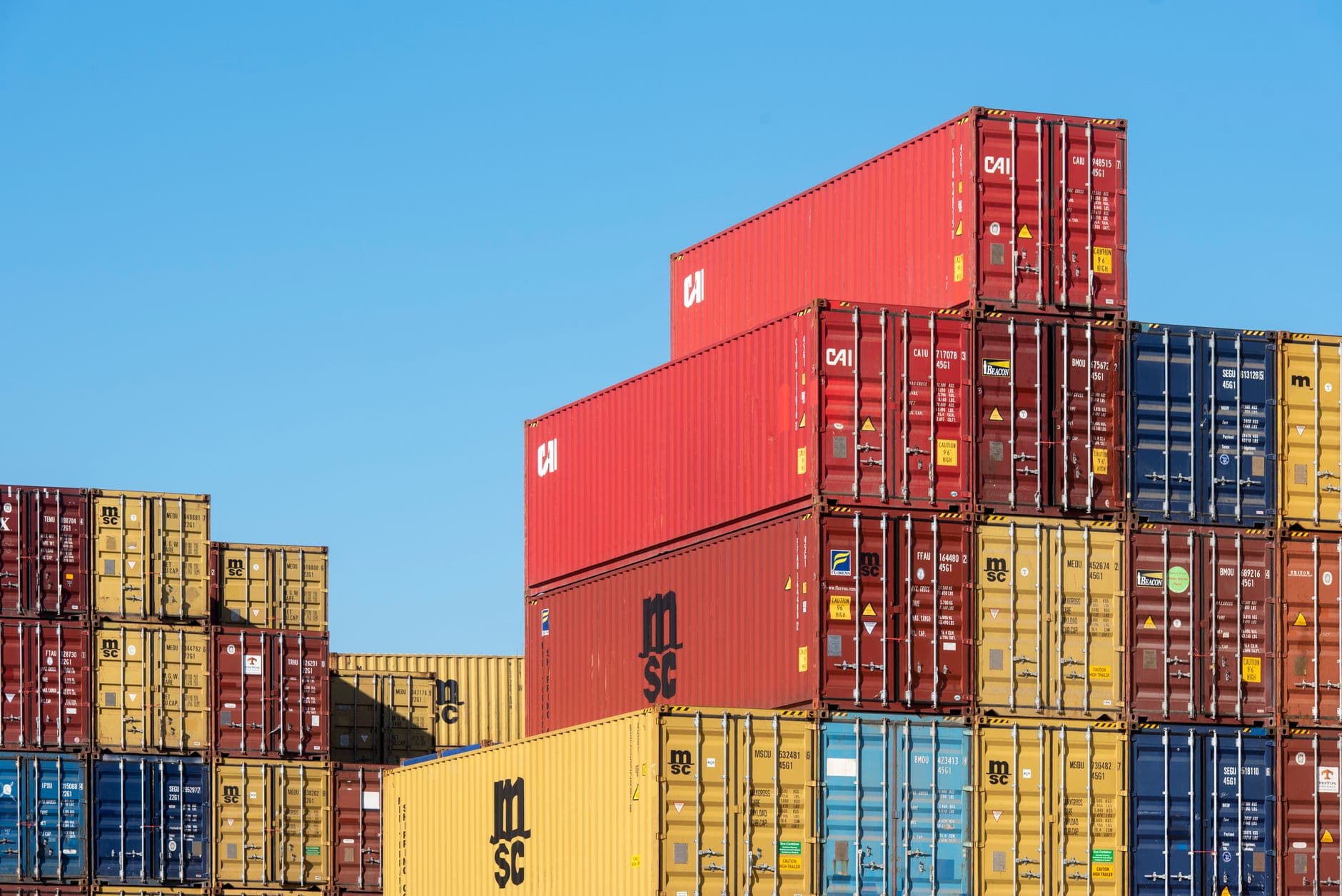
一项开放标准现已允许人工智能代理通过单一 API 集成来引用、预订和跟踪货运。本文将介绍 MCP 的工作原理,一个最小服务器示例,2026 年谁会运行它,以及如何确保其安全。
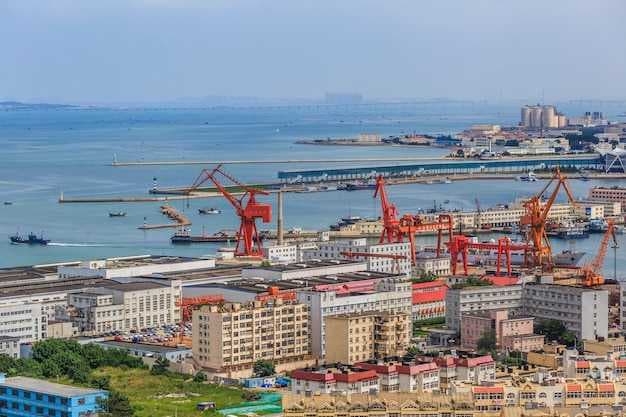
Portugal Freight Transport Trends and Logistics
Portugal’s freight transport sector is undergoing a transformation driven by globalization, e-commerce growth, and strategic investments in port infrastructure. The country’s Atlantic edge, access to the Iberian Corridor, and proximity to both European and African markets position it as a key node in multimodal supply chains. In recent years, ports such as Port of Lisbon , Port of Leixões , and Port of Sines have expanded capacity, diversified cargo profiles, and improved hinterland connections to support containerized, bulk, and Ro-Ro traffic. Shifts toward intermodal solutions are accelerating, aided by ongoing TEN-T corridor enhancements, improved rail-first shipping lanes, and

Next Gen Freight Platforms for European Carriers
Next-gen freight platforms are digital ecosystems that connect European carriers, shippers, and logistics services through unified workflows and real-time data sharing. By integrating transport modes, customs compliance, and payment flows, these platforms create a seamless operating picture across the continent's diverse supply chains. They enable dynamic capacity matching , end-to-end visibility , and data-driven decision making , reducing manual touchpoints and accelerating tender cycles across cross-border corridors. For European carriers, benefits include lower empty miles , access to cross-border loads, improved on-time performance, and new revenue streams from value-added services
 AI 辅助插画
Future European Freight Platforms for Carriers
European freight markets are transitioning to platform-based ecosystems that connect carriers, shippers, and logistics providers on a single digital interface. Fragmentation across borders, languages, and regulatory regimes creates friction; next-generation platforms aim to consolidate capacity, pricing, and compliance, delivering visibility and speed to carriers. These platforms will be built on open data standards and an API-first design, enabling seamless data exchange across modes, customs authorities, insurers, and payments. Real-time capacity matching, dynamic pricing , and multi-leg routing reduce empty miles and improve utilization. Interoperability across European borders remains

Future Freight Platforms for European Carriers
Future freight platforms are reshaping the European carrier landscape by connecting shippers, freight forwarders, and operators through unified digital marketplaces. They reduce empty miles, sharpen real-time visibility , and enable cross-border coordination across road, rail, sea, and air. These platforms converge legacy IT systems into interoperable ecosystems based on open APIs, standardized data models, and digital documentation. Interoperability and data standardization are the core enablers, reducing friction at borders and speeding up operational cycles. In the European regulatory context, platform design emphasizes transparency, compliance, and sustainability. Regulatory alignment

EU Carriers Marketplaces vs Traditional Brokers
The European freight market is shifting from traditional brokers to digital carrier marketplaces, platforms that directly connect shippers with a wide pool of carriers. These marketplaces optimize capacity along EU corridors, enable faster tendering, and standardize data flows, offering new options for both small and large shippers. Marketplace platforms deliver transparency , real-time capacity, dynamic pricing, and streamlined operations by aggregating quotes, tracking, and payments in a single interface. Shippers can compare routes, transit times, and service levels across multiple carriers, often with APIs that integrate to existing ERP or TMS systems. Traditional brokers still provide

EU Carrier Marketplaces vs Traditional Brokers
In the European freight market, carrier marketplaces bring shippers, carriers, and forwarders onto digital platforms that enable real-time capacity matching. Marketplaces deliver price transparency , rapid quotations, and standardized workflows, while traditional brokers rely on long-standing relationships, local knowledge, and bespoke risk management. Marketplaces scale by aggregating lanes across EU borders, enabling shippers to compare rates, transit times, and service levels in real time. Traditional brokers contribute lane expertise and customized solutions for complex shipments, including regulatory compliance, carrier vetting based on trust, and hands-on contingency planning for

Marketplaces vs Traditional Brokers for EU Carriers
EU Carriers Marketplaces are digital platforms that connect shippers with a network of carriers through real-time bidding, automated matching, and instant quotes, enabling a more fluid flow of capacity across the European Union. Unlike traditional brokers who manually source carriers and negotiate rates, marketplaces scale visibility and speed, reducing friction in cross-border shipments and enabling standardized workflows across multiple countries. These marketplaces improve price discovery and transparency by displaying carrier rates, transit times, and load histories in near-real time, allowing shippers to compare options without intermediaries. For carriers, the platforms offer access