
Alexander Petrunin
遗留归因
此档案按历史作者标签分组。身份和作者身份尚未根据我们当前的编辑流程进行核实。
文章
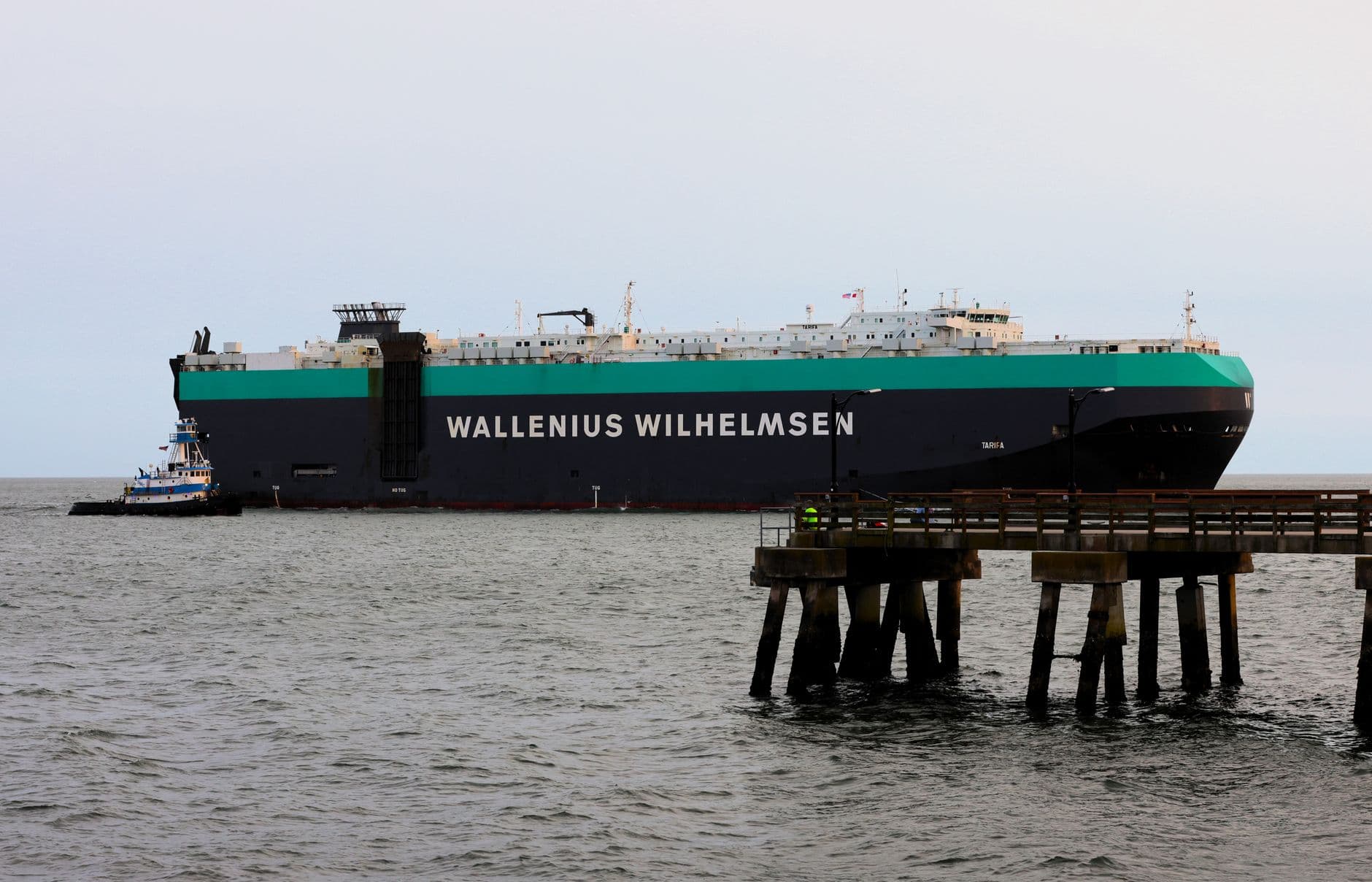
2026年进口二手车到沙特阿拉伯:五年规则、SABER和滚装船
2026年将汽车运往沙特阿拉伯及海湾合作委员会(GCC)的货运指南:五年车龄规定、左舵驾驶及欧六b标准、SABER符合性证书及SASO能效评级、已计算的关税和增值税示例,以及实际的杰贝阿里至达曼滚装船航线。
MCP 携手 ERP:将货运预订写回 SAP TM、Oracle 和 NetSuite
货运 MCP 系列的第四部分:一旦代理商预订了货物,该预订就必须进入记录系统。一个供应商中立的参考流程,用于将货运预订写回 SAP TM、Oracle 和 NetSuite,每个系统的对象模型映射,导致重复预订的幂等性陷阱,作用域服务标识,以及市场 MCP 必须公开的内容以保持账簿的清洁。
GCC 法规遵从性超越 SABER:ECAS、SASO、G-Mark 以及谁需要它们
SABER 仅适用于沙特阿拉伯,其他地区不适用。海湾地区符合性认证的中立视图:SABER (SASO) 对决 ECAS,阿联酋质量标志 (MoIAT) 对决海湾合作委员会范围内的 G-Mark (GSO),以及 SFDA 的产品类别陷阱,整合在一个矩阵和装船前检查清单中。

安全运输 MCP 服务器:OAuth 2.1、工具投毒和暴露实例
货运 MCP 系列的第三部分:一旦代理能够预订真实的货物,如何防止它为错误的人预订错误的东西?一个按读写拆分的、与供应商无关的安全模型,用于写工具的 OAuth 2.1 和 PKCE,工具中毒和暴露实例问题,以及一个市场服务器必须强制执行但单个承运商可以跳过的东西。

2026年7月起生效的欧亚经济联盟新海关条例:运往哈萨克斯坦、俄罗斯及联盟各国的货物
自2026年7月1日起,欧亚经济联盟将为跨境电子商务提供明确的海关制度(欧亚经济委员会理事会决定):每件货物的200欧元门槛保持不变,但高于此门槛的包裹将根据国家规定征收5%的关税(最低1欧元/公斤)以及增值税,其中哈萨克斯坦的增值税将为16%。以下是实际操作的解读:谁在边境支付、DDP与DAP的区别,以及为什么联盟侧的仓库会成为一项优势。
2026年货运MCP服务器:Warp、CargoMART和市场服务器必须暴露的内容
对 2026 年实际发货的货运 MCP 服务器(Warp、CargoMART、freightutils、Easyship)进行并排拆解:工具出现、预订受限之处、报价有效期陷阱、stdio 与托管 HTTP,以及多承运人市场服务器必须公开的内容。
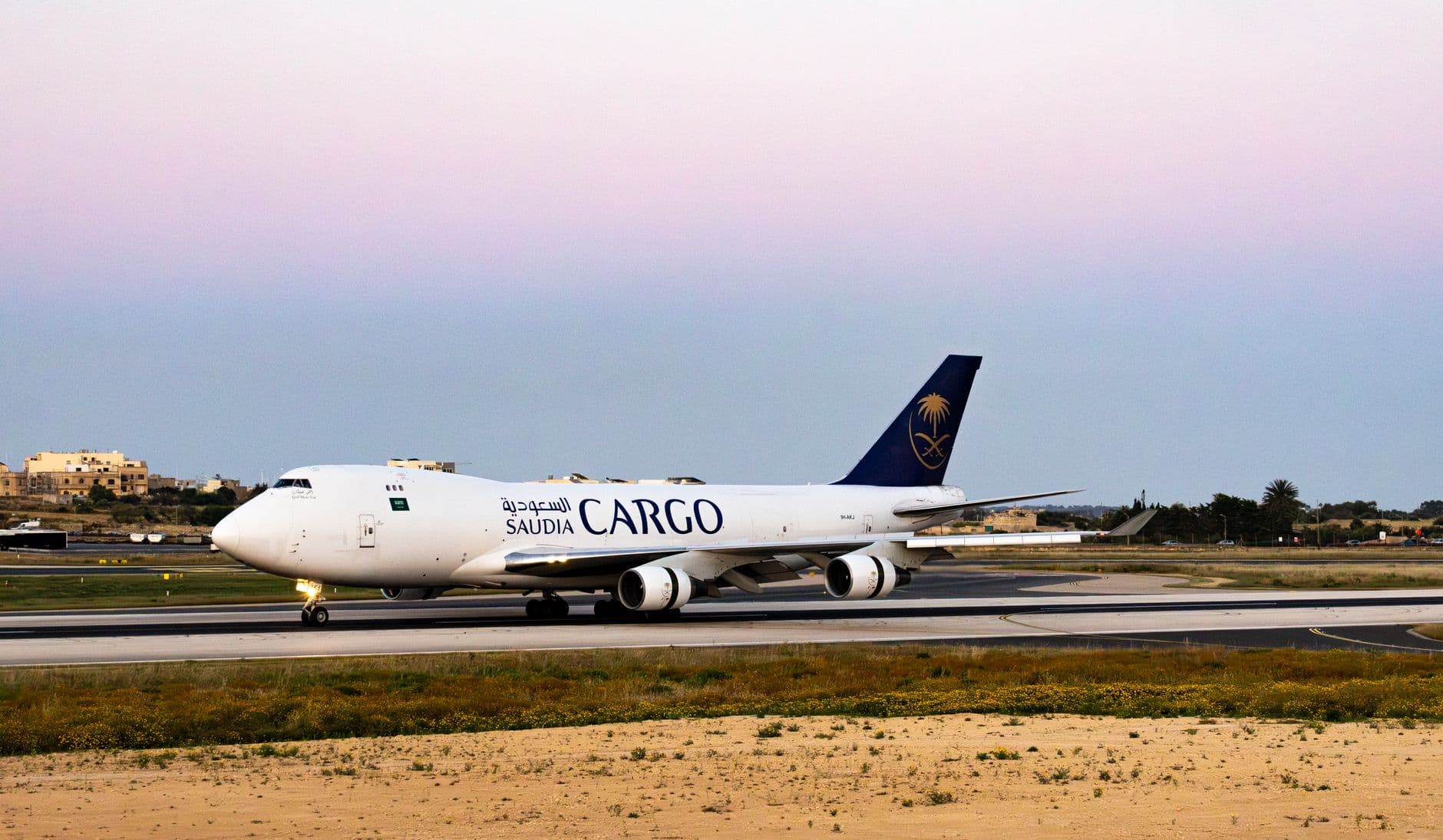
自2025年10月起,所有出口沙特阿拉伯的货物都必须持有 SABER 认证。以下是 SABER 和 FASAH 的协同工作方式、PCoC 与 SCoC 的区别、分步流程、2026 年 HS 编码变更以及证书被拒的主要原因。
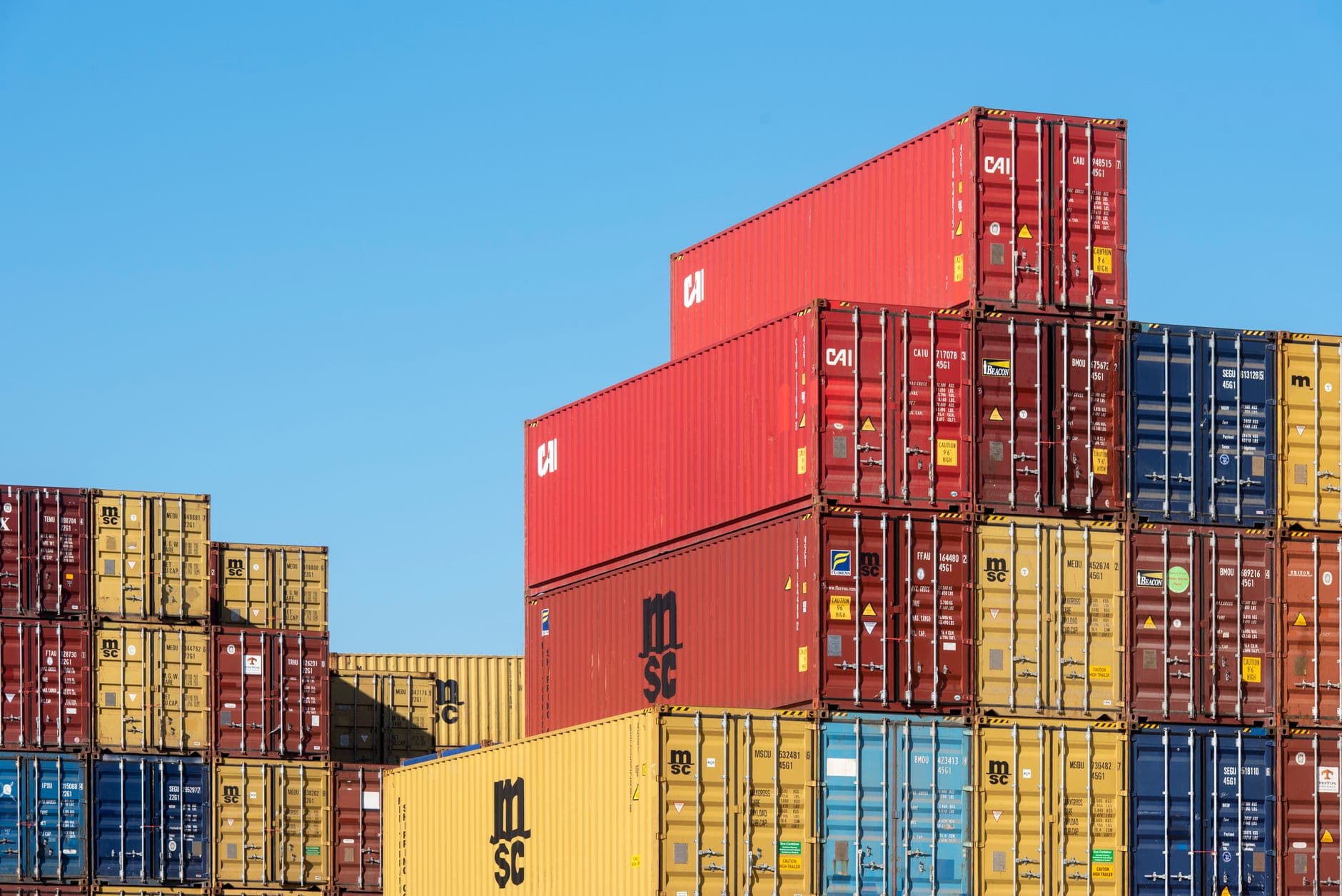
一项开放标准现已允许人工智能代理通过单一 API 集成来引用、预订和跟踪货运。本文将介绍 MCP 的工作原理,一个最小服务器示例,2026 年谁会运行它,以及如何确保其安全。
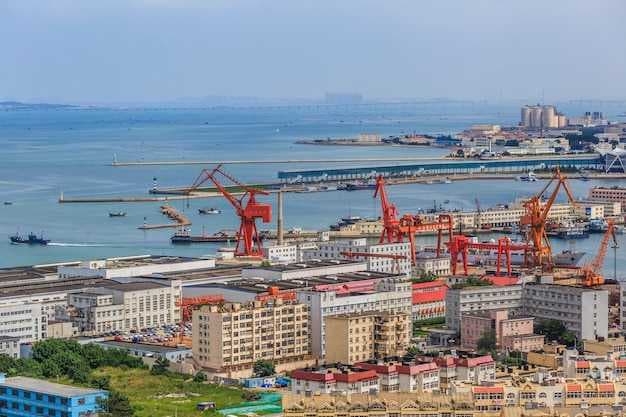
Portugal Freight Transport Trends and Logistics
Portugal’s freight transport sector is undergoing a transformation driven by globalization, e-commerce growth, and strategic investments in port infrastructure. The country’s Atlantic edge, access to the Iberian Corridor, and proximity to both European and African markets position it as a key node in multimodal supply chains. In recent years, ports such as Port of Lisbon , Port of Leixões , and Port of Sines have expanded capacity, diversified cargo profiles, and improved hinterland connections to support containerized, bulk, and Ro-Ro traffic. Shifts toward intermodal solutions are accelerating, aided by ongoing TEN-T corridor enhancements, improved rail-first shipping lanes, and
Freight Transport in Portugal Trends and Logistics
Portugal’s freight transport landscape is undergoing rapid change driven by port expansion, intermodal development, and digital logistics tools. Strategic coastal access and enhanced inland connections position the country as a pivotal gateway for Iberian and Atlantic trade, integrating regional supply chains with broader European networks. The Port of Sines , the Port of Leixões , and the Port of Lisbon form the backbone of the national hub system, each expanding capacity for containers, bulk goods, and energy cargo. Sines’ deep-water facilities enable larger vessels and broader trade lanes, while Leixões and Lisbon upgrade terminals to speed up cargo handling and intermodal transfers.
Portugal's freight transport system combines strong maritime gateways with growing road and rail capacity. Maritime corridors are pivotal for international trade, while road networks handle the majority of domestic and regional freight movements. The sector shows a trend toward modal balance, efficiency gains, and digitalization to reduce transit times and costs. Port hubs at Sines and Leixões anchor much of the country's container and bulk logistics, complemented by the Lisbon area logistics zone. Investments in port capacity, hinterland connections, and multimodal terminals enable faster transfer from ships to rail and road, supporting just-in-time supply chains and regional distribution.

Transport services in Portugal provide a comprehensive network that links urban centers, regional towns, and coastal resorts through efficient rail, road, air, and urban mobility options. The system prioritizes connectivity, reliability and safety for residents and visitors alike. The rail network is led by CP – Comboios de Portugal , offering Alfa Pendular high-speed services between Lisbon and Porto, as well as Intercidades and regional routes that reach the Algarve, the north, and the interior. This network provides daily, frequent connections for business and tourism, with modern trains, comfortable seating, and onboard Wi‑Fi on main lines. Urban and metropolitan transport includes