


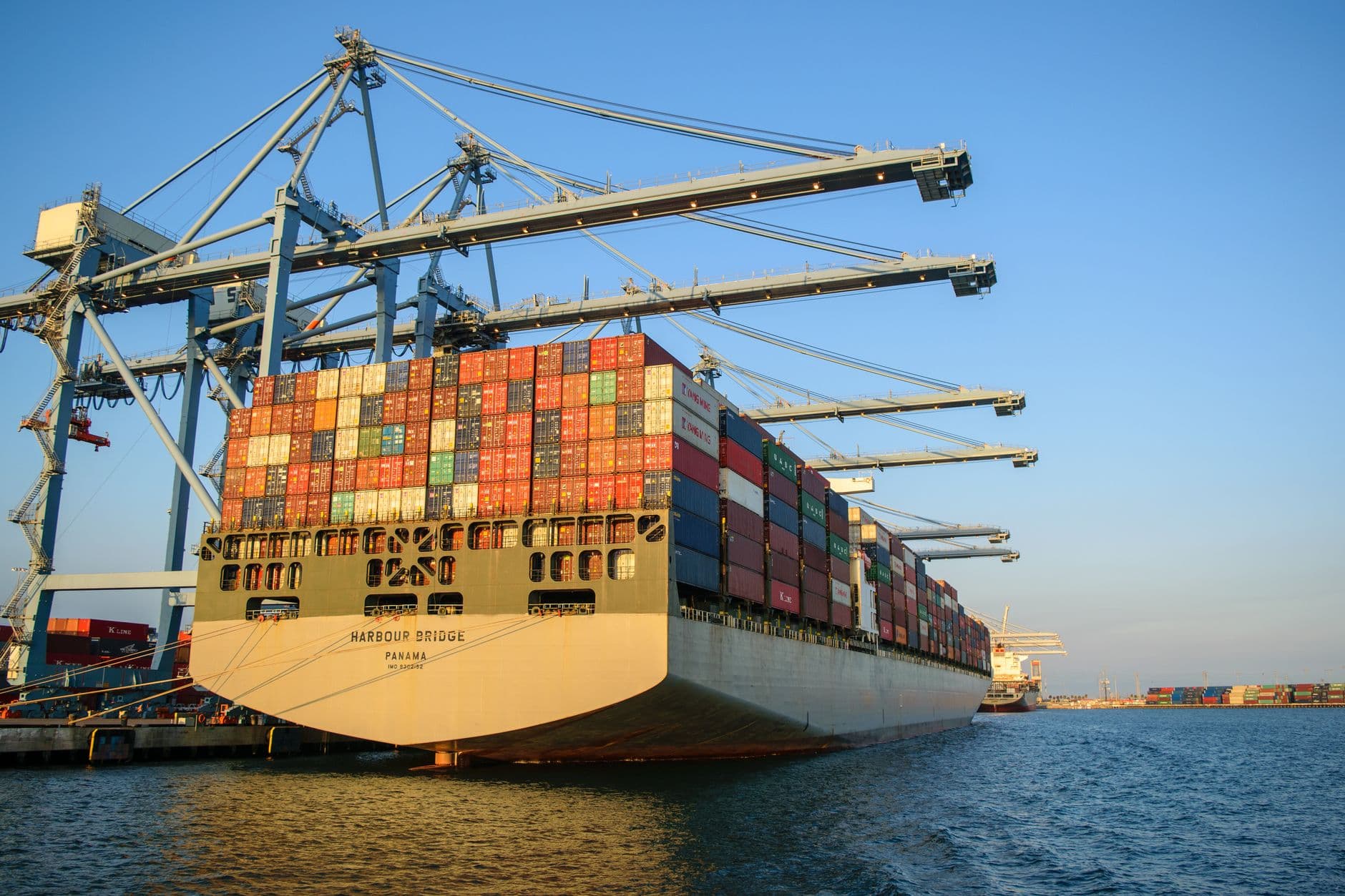

对于巴西出口商来说,在我们的报道中,2026年的决定性问题是美国将施加多大的压力。根据5月启动的301条款案件,针对几乎所有巴西商品的25%关税可能在7月15日左右生效,同时强迫劳动调查将使关税累积至37.5%。以下我们绘制了关税风险、背后的港口瓶颈以及货流的去向。
The global trade landscape has shifted decisively toward regional resilience and alternative corridors, leaving Brazilian shippers with a complex set of logistical challenges in 2026. With the United States moving in 2026 to impose a sweeping new tariff on Brazilian goods — not just the earlier steel and aluminum measures — the traditional trans-Atlantic route now carries a heavier and far less predictable financial burden than it did just three years ago. This economic reality forces export managers to recalculate their supply chain strategies, moving away from pure cost-minimization models toward ones that prioritize speed, reliability, and tariff avoidance. The stakes are higher than ever, as port congestion in Santos and Itajaí continues to fluctuate based on global demand cycles and local labor negotiations.
Shippers must now navigate a fragmented ecosystem where digital documentation is no longer optional but mandatory for efficiency. The integration of blockchain-based tracking systems and AI-driven route optimization has become the standard for competitive logistics providers. Companies that fail to adopt these technologies risk being left behind by competitors who can offer real-time visibility and faster turnaround times. This guide explores the critical factors shaping Brazil’s freight sector in 2026, offering actionable insights for navigating tariffs, port bottlenecks, and shifting export destinations.
美国关税对巴西出口的影响
The US tariff picture for Brazil escalated sharply in 2026. Beyond the earlier steel and aluminum measures, in May 2026 the US administration proposed a new 25% tariff on essentially all Brazilian goods under a Section 301 investigation, with a decision possible as early as 15 July 2026. This is far broader than the sector-specific duties that came before — it could touch more than half of Brazil's exports to the US — though important exclusions have been floated, including beef, coffee, orange juice and rare-earth minerals. A separate investigation into an additional 12.5% tariff tied to forced-labor allegations could stack duties as high as 37.5% on some goods. For Brazilian shippers, this turns the direct US route from a cost question into a live strategic risk, and margins already thinned by currency volatility are now exposed to a step-change rather than a gradual creep.
出口商正通过多元化其目的地组合来应对。发往欧盟的货运量显著增加,欧盟与巴西保持了更为稳定的贸易关系,同时发往东南亚新兴市场的货运量也在增加。这一转变需要显著的物流调整。通往亚洲的航线更长,通常从桑托斯到上海需要35至40天,而到纽约则需要18至22天。这种延长的运输时间增加了库存持有成本,并需要更复杂的需求预测。
战略性关税规避与近岸外包
Many Brazilian manufacturers are adopting a strategy of "tariff avoidance" by shifting final assembly operations to countries with favorable trade agreements with the US. Mexico and Colombia have become popular nearshoring destinations for Brazilian companies. By moving the final production stage to these nations, exporters can benefit from USMCA and other trade pacts, effectively bypassing the tariffs that would apply to goods shipped directly from Brazil. This strategy, however, adds complexity to the supply chain. It requires managing cross-border logistics within Latin America, dealing with varying customs regulations, and ensuring that the rules of origin are strictly met to qualify for preferential treatment.
对于托运人来说,这意味着拉丁美洲内部货运量的上升。连接巴西与其北部邻国的可靠卡车和铁路服务需求激增。专门从事这些跨境路线的物流提供商业务量增加,而那些仅专注于跨大西洋航运的提供商则面临停滞。在这种环境下取得成功的关键是灵活性。托运人必须能够根据最新的关税公告和市场状况,在直接出口和转运模式之间快速转换。
- 每周监控HS编码分类,因为微小的变化可能会在《美国301条款》行动下引发重大关税变化。
- 考虑通过巴拿马或哥伦比亚进行转运以利用自由贸易协定,尽管这会增加5-7天的运输时间。
- 与拥有东南亚专用航线的货运代理合作,因为直达中国的服务正在变得饱和。
- 避免在巴西收获高峰期(3月至5月)预订集装箱舱位,除非至少提前60天确保舱位。
港口吞吐能力与基础设施瓶颈
Brazil’s port infrastructure is a mix of modern, private terminals and older, public facilities that struggle to keep pace with growing export volumes. In 2026, the port of Santos remains the busiest in Latin America, handling over 40% of the country’s containerized cargo. However, its capacity is frequently tested by peak seasons and labor strikes. The port of Itajaí in Santa Catarina has emerged as a strong competitor, particularly for agribusiness exports, thanks to its deeper drafts and more efficient operations. Shippers must carefully evaluate which port to use based on their cargo type, destination, and urgency.
拥堵在Santos港口不仅仅是吞吐量的问题,同时也存在运营效率低下的情况。在高峰期,卡车周转时间可能超过24小时,导致滞期费和滞箱费迅速侵蚀利润。巴西政府已大力投资港口现代化,包括实施自动化闸口系统和数字化单证平台。然而,这些系统在不同码头的整合程度参差不齐。一些私营运营商,如APM Terminals和Santos Brasil,提供无缝的数字化体验,而其他运营商仍依赖纸质流程,拖慢了清关速度。
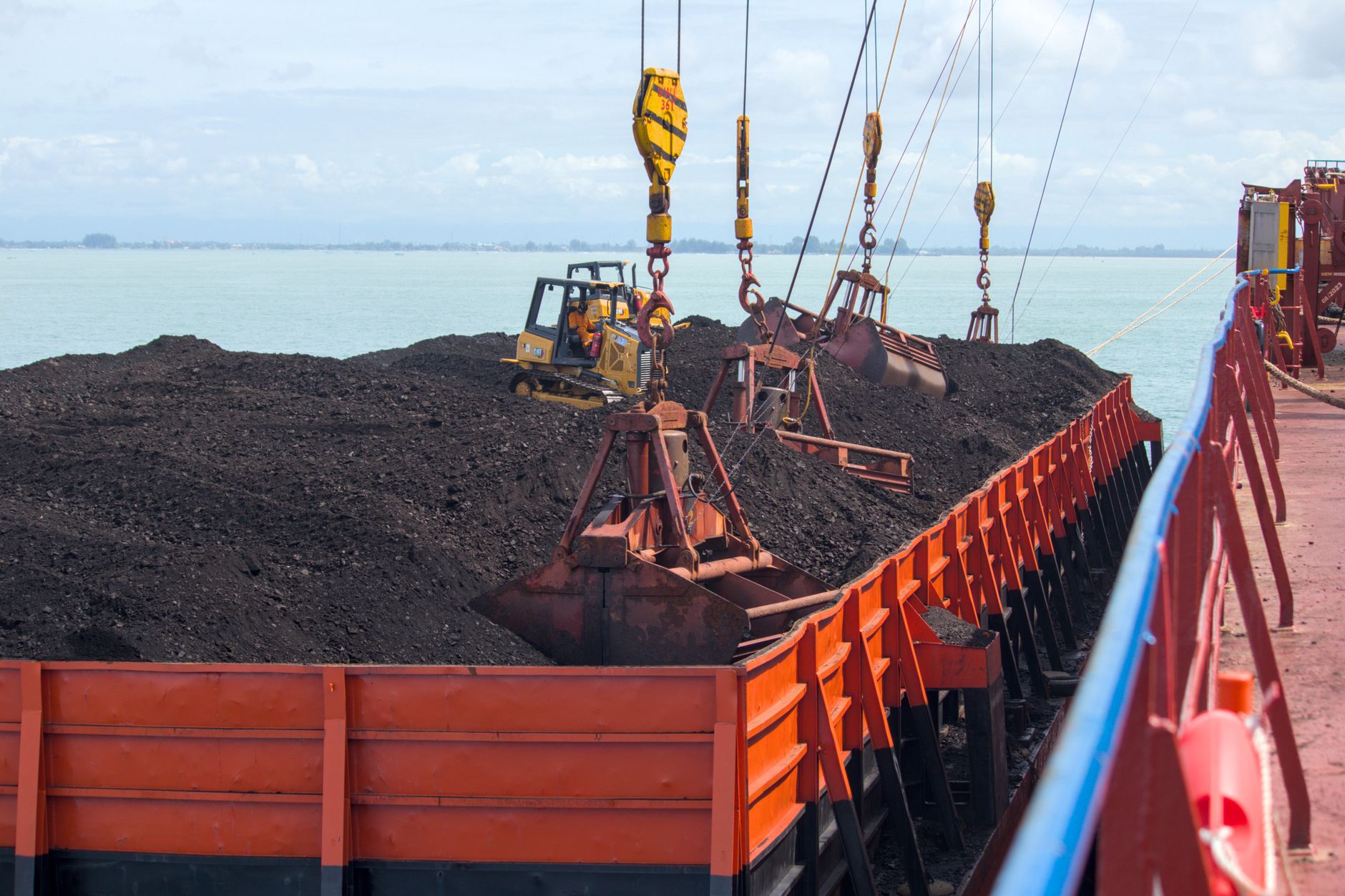
拥堵并不局限于Santos,而2026年给出了一个严厉的提醒。在2026年6月,巴西最大冷藏货柜码头Paranaguá的运营商描述了一场由需求激增和竞争港口中断造成的“完美风暴”,将平均船舶等待时间从约3.5小时推高至近48小时,促使CMA CGM增加了每个集装箱150美元的拥堵附加费。像这样的突发运营危机如今与可预测的收获季高峰一同成为规划风险,这表明应提早预订泊位并为意外附加费做好预算。
Relief is coming through new capacity, though not overnight. 预定于2026年举行的特许权拍卖包括桑托斯的STS-10码头,这将使该港口的吞吐能力增加约50%,以及圣塞巴斯蒂昂港的一个新农产品出口枢纽。同样重要的是一个新的向西选择:巴西已正式启动巴西-玻利维亚-太平洋一体化计划,这是一条通往智利和秘鲁港口的走廊,可能将运往亚洲的交货时间缩短至仅15天,并减少对拥堵的大西洋门户的依赖。
选择适合您货物的正确港口
For high-value, time-sensitive goods, the private terminals in Santos are often the better choice despite higher costs. They offer faster turnaround times and better security. For bulk commodities like soybeans and iron ore, the specialized terminals in Suape and Paranaguá are more efficient. These ports are designed for large-scale operations and have direct rail connections to major production areas. Shippers should also consider the emerging port of São Sebastião, which is expanding its capacity to handle more containerized cargo and reduce pressure on Santos.
管理港口吞吐能力问题的关键是主动规划。托运人应避免在已知的高峰期(如3月和4月的大豆收获季节)预订货物。如果无法避免,他们应提前确保集装箱舱位,并制定应急计划,例如选择备用港口或路线。与与码头运营商有牢固关系的货运代理合作也有助于减少延误。这些合作伙伴通常能为其客户争取到优先处理,确保货物快速装载和清关。
转移出口流:亚洲和非洲的崛起
The traditional dominance of the US and European markets in Brazilian exports is being challenged by the rapid growth of demand in Asia and Africa. China remains Brazil’s largest trading partner, but other Asian economies, such as India, Vietnam, and South Korea, are becoming increasingly important. These markets are driving demand for Brazilian beef, poultry, orange juice, and minerals. The shift toward Asia requires shippers to adapt to longer transit times and different regulatory environments.
非洲是巴西出口的另一个新兴市场,特别是在农业和工业领域。像尼日利亚、肯尼亚和南非这样的国家是不断增长的经济体,对巴西商品的需求日益增加。然而,非洲的物流较为复杂,直接航运服务有限,且港口运营效率往往低下。托运人必须为更长的交货期和潜在的延误做好准备。在这些国家建立与当地代理的牢固关系对于应对海关和确保顺利交付至关重要。
物流挑战的新市场
Shipping to Asia and Africa presents unique logistical challenges. The longer transit times require more robust inventory management and demand forecasting. Shippers must also be aware of the different regulatory requirements in these markets, such as phytosanitary certificates for agricultural products and specific labeling requirements for consumer goods. The use of digital tools, such as AI-driven demand forecasting and blockchain-based documentation, can help mitigate these challenges by providing greater visibility and control over the supply chain.
另一个关键因素是回程货物的可用性。许多从亚洲抵达巴西的船只都是空船,这可能导致出口运费上涨。托运人应寻找平衡货物流的机会,例如在出口大宗商品的同时从亚洲进口机械或消费品。这有助于降低成本并提高供应链的整体效率。与在这些新兴市场拥有强大网络的货运代理合作,对于确保具有竞争力的费率和可靠的服务也至关重要。
数字化与技术在货运管理中的应用
The adoption of digital technologies is no longer a luxury but a necessity for Brazilian shippers in 2026. The complexity of global trade, with its myriad of regulations, tariffs, and logistical challenges, requires real-time visibility and data-driven decision-making. Digital platforms that integrate freight forwarding, customs brokerage, and warehouse management are becoming the standard for efficient logistics operations. These platforms provide shippers with a single view of their supply chain, from origin to destination.
Blockchain技术也在巴西货运行业获得了关注。它提供了一种安全透明的方式来管理贸易文件,例如提单和原产地证书。这降低了欺诈风险并加快了清关流程。多个巴西主要港口和物流公司已经实施了区块链解决方案,预计将有更多公司效仿。托运人应寻找那些正在投资这些技术的合作伙伴,因为他们将更有能力应对现代贸易的复杂性。
集成也正在基础设施层面发生。2026年7月,DP World和MRS Logística在巴西推出了一个多式联运走廊,将港口运营与铁路连接起来,展示了如何将技术与物流结合以提高吞吐量并减少排放——这正是托运人在选择合作伙伴时现在应寻找的集成能力。
AI 与预测分析
Artificial intelligence (AI) and predictive analytics are transforming how shippers manage their logistics. AI algorithms can analyze vast amounts of data to predict demand, optimize routes, and identify potential bottlenecks. For example, AI can predict port congestion based on historical data and current weather conditions, allowing shippers to adjust their plans in advance. Predictive analytics can also help shippers optimize their inventory levels, reducing holding costs and improving cash flow.
在货运行业中,物联网(Internet of Things)设备的使用也在不断增加。这些设备,如GPS跟踪器和温度传感器,能够提供货物位置和状况的实时可见性。这对于易腐货物(如水果和蔬菜)尤为重要,因为它们需要严格的温度控制。托运人应投资于支持物联网的包装和跟踪系统,以确保货物的质量和安全。这不仅降低了腐败的风险,还通过提供更大的透明度提升了客户满意度。
常见问题解答
如何具体影响了美国在2026年对巴西钢铁出口的关税?
Steel 和铝是早期的目标,但更重大的 2026 年发展是一项提议对几乎所有巴西商品征收 25% 的 Section 301 关税,可能在 2026 年 7 月 15 日左右做出决定,并在一项强迫劳动调查下进一步增加 12.5%,可能使部分关税达到 37.5%。出口商正在向欧盟和亚洲多元化发展,一些出口商已将最终加工转移到墨西哥,以符合 USMCA 的优惠条件——尽管这一途径现在面临自身的转运和原产地规则审查。
哪个巴西港口目前拥堵程度最低?
The 伊塔雅伊港位于圣卡塔琳娜州,目前拥堵程度低于桑托斯港。伊塔雅伊港在自动化方面投入巨资,并拥有更高效的卡车周转系统。然而,其集装箱吞吐能力不及桑托斯港,因此可能不适合所有类型的货物。托运人应在选择港口前评估其具体需求。
什么是从桑托斯到主要亚洲枢纽的平均运输时间?
从桑托斯到上海的运输时间通常为35至40天,而到新加坡的航线大约需要30至35天。这些时间可能会因天气条件、港口拥堵以及所使用的具体航运公司而有所不同。托运人应为这些较长的交货期做好规划,并相应调整其库存管理策略。
如何能够减轻发货人在巴西港口罢工的风险?
Shippers可以通过多样化港口选择和与多个货运代理保持牢固关系来减轻港口罢工的风险。建议还应制定应急计划,例如备用路线或临时存储设施。监控劳资谈判并及时了解潜在的罢工行动,可以帮助shippers预测并为中断做好准备。
是否在巴西物流领域广泛采用了区块链技术?
Blockchain 的采用正在增长,但尚未普及。像 Santos 和 Itajaí 这样的主要港口,以及大型物流公司,正在实施区块链解决方案用于文档管理。然而,较小的参与者可能仍然依赖传统的纸质流程。托运人应询问其合作伙伴的数字化能力,并优先考虑那些正在投资区块链和其他先进技术的合作伙伴。
最终提示
The Brazilian freight landscape in 2026 is defined by volatility and opportunity. Shippers who can adapt to changing tariff regimes, navigate port bottlenecks, and leverage digital technologies will gain a significant competitive advantage. The key is to remain flexible and proactive. Do not rely on a single port or destination. Diversify your supply chain, build strong relationships with multiple logistics partners, and invest in digital tools that provide real-time visibility.
一个具体可行的建议是,在你的物流团队内建立一个“关税监测仪表板”,并将2026年7月中旬视为一个硬性检查点:跟踪预计在7月15日左右公布的301条款决定,确认你的产品是否属于拟议的排除范围(牛肉、咖啡、橙汁、稀土),并模拟关税累积至37.5%的下行风险。同时配合路线多样化——评估通过智利和秘鲁的新太平洋走廊,用于亚洲货物运输,并为帕拉纳瓜港6月份出现的那种突发港口附加费做好预算。在这些变化之前采取行动,能让你在竞争对手之前调整策略,从而保护利润率和韧性。