
Alexander Petrunin
Δικαίωμα αναφοράς κληρονομιάς
Αυτό το αρχείο ομαδοποιεί ιστορικές ετικέτες συγγραφέων. Η ταυτότητα και η συγγραφική ιδιότητα δεν έχουν επαληθευτεί υπό την τρέχουσα συντακτική μας διαδικασία.
Άρθρα

Ασφάλιση Διακομιστή Freight MCP: OAuth 2.1, Δηλητηρίαση Εργαλείων και Εκτεθειμένες Περιπτώσεις
Μέρος τρίτο της σειράς Freight MCP: αφού ένας πράκτορας μπορεί να κάνει κράτηση πραγματικών φορτίων, πώς τον εμποδίζετε να κάνει κράτηση του λάθος πράγματος για λάθος άτομο; Ένα μοντέλο ασφαλείας ανεξάρτητο από τον πωλητή, χωρισμένο σε ανάγνωση έναντι εγγραφής, OAuth 2.1 με PKCE για εργαλεία εγγραφής, τα προβλήματα δηλητηρίασης εργαλείων και εκτεθειμένης παρουσίας, και τι πρέπει να επιβάλει ένας διακομιστής αγοράς που ένας μεμονωμένος μεταφορέας μπορεί να παραλείψει.

Νέοι Τελωνειακοί Κανόνες ΕΑΕΣ από τον Ιούλιο 2026: Αποστολές στο Καζακστάν, τη Ρωσία και την Ένωση
Από την 1η Ιουλίου 2026, ο ΕΟΕΣ εισάγει ένα καθορισμένο τελωνειακό καθεστώς για το διασυνοριακό ηλεκτρονικό εμπόριο (αποφάσεις του Συμβουλίου της ΕΟΕΣ): το όριο των 200 ευρώ ανά αποστολή παραμένει, αλλά άνω αυτού ένα δέμα επιβαρύνεται με δασμό 5% (τουλάχιστον 1 ευρώ/κιλό) συν τον ΦΠΑ σύμφωνα με τους εθνικούς κανόνες, με τον ΦΠΑ του Καζακστάν πλέον στο 16%. Εδώ είναι η επιχειρησιακή ανάγνωση: ποιος πληρώνει στα σύνορα, DDP έναντι DAP, και γιατί μια αποθήκη στην πλευρά της ένωσης γίνεται πλεονέκτημα.

Freight MCP Servers το 2026: Warp, CargoMART και τι πρέπει να εκθέτει ένας διακομιστής Marketplace
Ανάλυση δίπλα-δίπλα των διακομιστών εμπορευματικών MCP που παραδόθηκαν πραγματικά το 2026 (Warp, CargoMART, freightutils, Easyship): εργαλεία, πού γίνεται η κράτηση, η παγίδα εγκυρότητας προσφορών, stdio έναντι φιλοξενούμενου HTTP και τι πρέπει να εκθέτει ένας διακομιστής αγοράς πολλαπλών μεταφορέων.
Επεξήγηση SABER & FASAH: Πιστοποίηση Εισαγωγών Σαουδικής Αραβίας Βήμα προς Βήμα
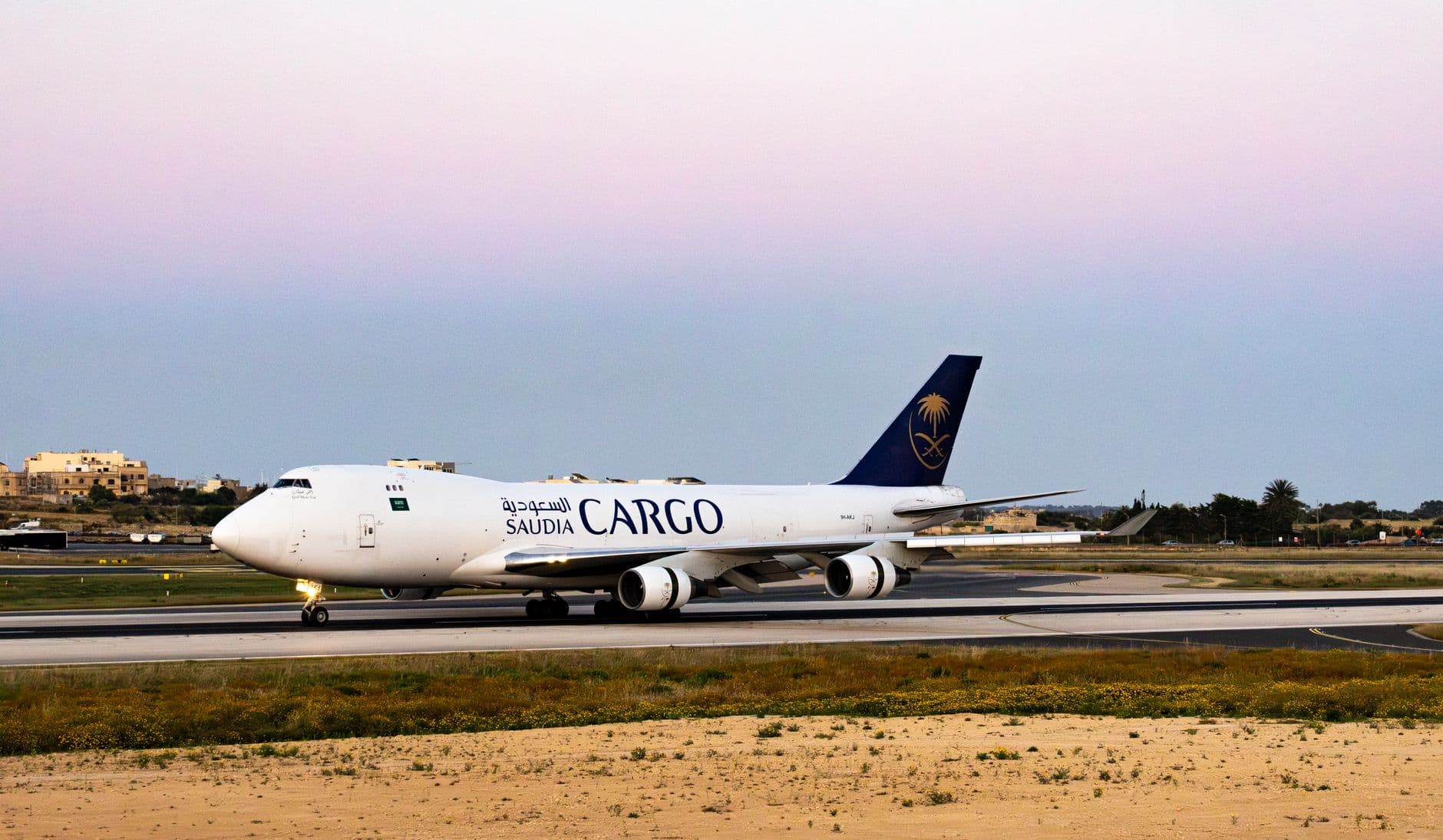
Από τον Οκτώβριο του 2025, καμία αποστολή δεν θα εκτελωνίζεται από τη Σαουδική Αραβία χωρίς πιστοποιητικό SABER. Εδώ εξηγείται πώς συνεργάζονται το SABER και το FASAH, η διαφορά μεταξύ PCoC και SCoC, η διαδικασία βήμα προς βήμα, η αλλαγή στους κωδικούς HS για το 2026 και οι κύριοι λόγοι απόρριψης των πιστοποιητικών.
MCP στα Logistics: Πώς να Συνδέσετε Agents Τεχνητής Νοημοσύνης με APIs Εμπορευμάτων
Ένα ανοιχτό πρότυπο επιτρέπει πλέον στους AI πράκτορες να αναφέρουν, να κάνουν κράτηση και να παρακολουθούν εμπορεύματα μέσω μίας μόνο ενσωμάτωσης API. Δείτε πώς λειτουργεί το MCP, ένα ελάχιστο παράδειγμα διακομιστή, ποιος το εκτελεί το 2026 και πώς να το διατηρήσετε ασφαλές.
Portugal Freight Transport Trends and Logistics
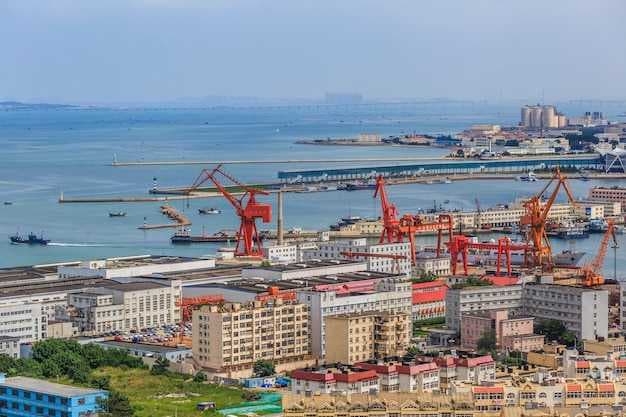
Portugal’s freight transport sector is undergoing a transformation driven by globalization, e-commerce growth, and strategic investments in port infrastructure. The country’s Atlantic edge, access to the Iberian Corridor, and proximity to both European and African markets position it as a key node in multimodal supply chains. In recent years, ports such as Port of Lisbon , Port of Leixões , and Port of Sines have expanded capacity, diversified cargo profiles, and improved hinterland connections to support containerized, bulk, and Ro-Ro traffic. Shifts toward intermodal solutions are accelerating, aided by ongoing TEN-T corridor enhancements, improved rail-first shipping lanes, and

Next Gen Freight Platforms for European Carriers
Next-gen freight platforms are digital ecosystems that connect European carriers, shippers, and logistics services through unified workflows and real-time data sharing. By integrating transport modes, customs compliance, and payment flows, these platforms create a seamless operating picture across the continent's diverse supply chains. They enable dynamic capacity matching , end-to-end visibility , and data-driven decision making , reducing manual touchpoints and accelerating tender cycles across cross-border corridors. For European carriers, benefits include lower empty miles , access to cross-border loads, improved on-time performance, and new revenue streams from value-added services
 Εικονογράφηση με τη βοήθεια της τεχνητής νοημοσύνης
Future European Freight Platforms for Carriers
European freight markets are transitioning to platform-based ecosystems that connect carriers, shippers, and logistics providers on a single digital interface. Fragmentation across borders, languages, and regulatory regimes creates friction; next-generation platforms aim to consolidate capacity, pricing, and compliance, delivering visibility and speed to carriers. These platforms will be built on open data standards and an API-first design, enabling seamless data exchange across modes, customs authorities, insurers, and payments. Real-time capacity matching, dynamic pricing , and multi-leg routing reduce empty miles and improve utilization. Interoperability across European borders remains

Future Freight Platforms for European Carriers
Future freight platforms are reshaping the European carrier landscape by connecting shippers, freight forwarders, and operators through unified digital marketplaces. They reduce empty miles, sharpen real-time visibility , and enable cross-border coordination across road, rail, sea, and air. These platforms converge legacy IT systems into interoperable ecosystems based on open APIs, standardized data models, and digital documentation. Interoperability and data standardization are the core enablers, reducing friction at borders and speeding up operational cycles. In the European regulatory context, platform design emphasizes transparency, compliance, and sustainability. Regulatory alignment

EU Carriers Marketplaces vs Traditional Brokers
The European freight market is shifting from traditional brokers to digital carrier marketplaces, platforms that directly connect shippers with a wide pool of carriers. These marketplaces optimize capacity along EU corridors, enable faster tendering, and standardize data flows, offering new options for both small and large shippers. Marketplace platforms deliver transparency , real-time capacity, dynamic pricing, and streamlined operations by aggregating quotes, tracking, and payments in a single interface. Shippers can compare routes, transit times, and service levels across multiple carriers, often with APIs that integrate to existing ERP or TMS systems. Traditional brokers still provide

EU Carrier Marketplaces vs Traditional Brokers
In the European freight market, carrier marketplaces bring shippers, carriers, and forwarders onto digital platforms that enable real-time capacity matching. Marketplaces deliver price transparency , rapid quotations, and standardized workflows, while traditional brokers rely on long-standing relationships, local knowledge, and bespoke risk management. Marketplaces scale by aggregating lanes across EU borders, enabling shippers to compare rates, transit times, and service levels in real time. Traditional brokers contribute lane expertise and customized solutions for complex shipments, including regulatory compliance, carrier vetting based on trust, and hands-on contingency planning for

Marketplaces vs Traditional Brokers for EU Carriers
EU Carriers Marketplaces are digital platforms that connect shippers with a network of carriers through real-time bidding, automated matching, and instant quotes, enabling a more fluid flow of capacity across the European Union. Unlike traditional brokers who manually source carriers and negotiate rates, marketplaces scale visibility and speed, reducing friction in cross-border shipments and enabling standardized workflows across multiple countries. These marketplaces improve price discovery and transparency by displaying carrier rates, transit times, and load histories in near-real time, allowing shippers to compare options without intermediaries. For carriers, the platforms offer access