
Alexander Petrunin
Dziedziczenie atrybucji
Ten zbiór grupuje historyczne etykiety autorów. Tożsamość i autorstwo nie zostały zweryfikowane zgodnie z naszym obecnym procesem redakcyjnym.
Artykuły
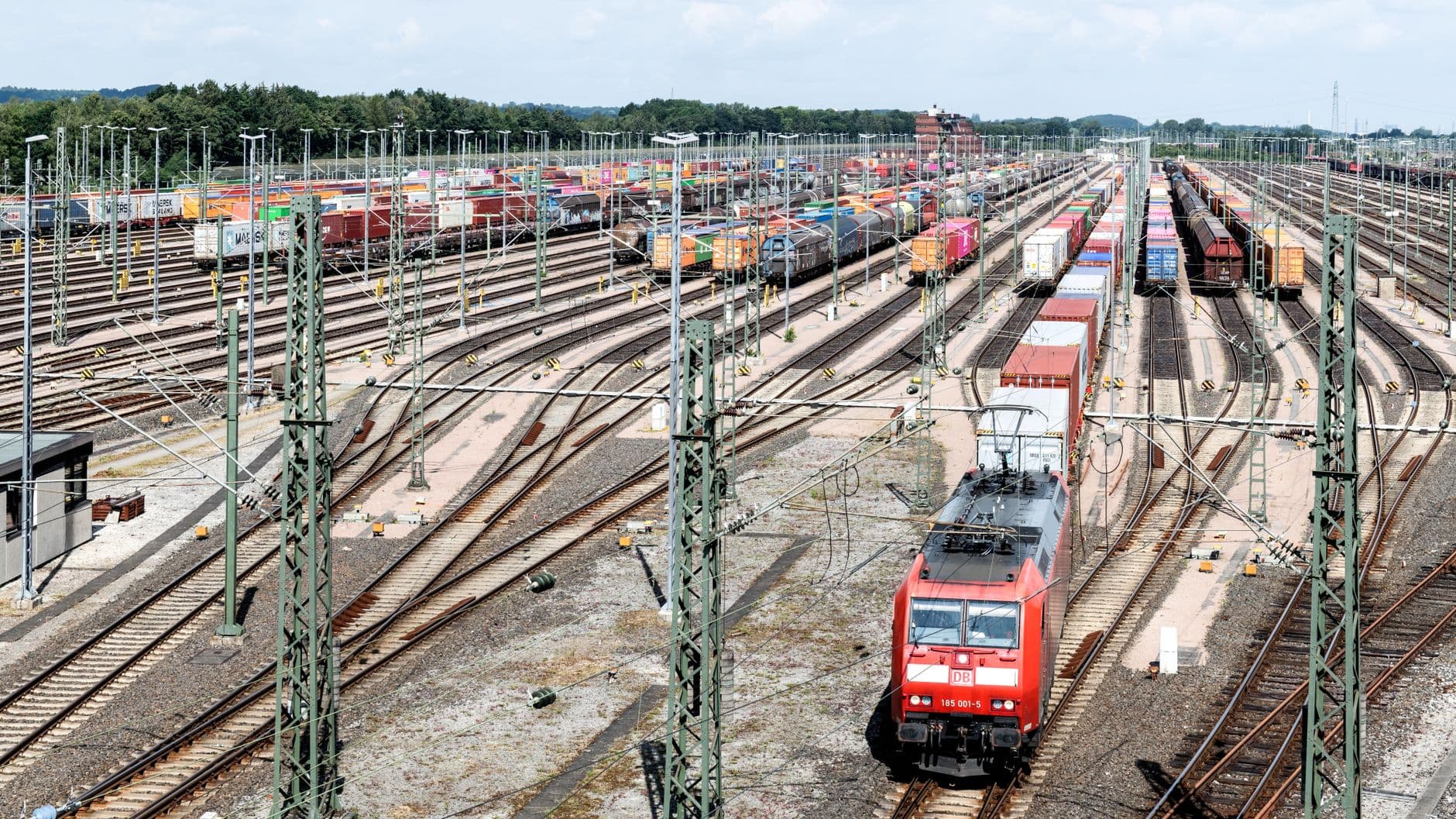
Generalsanierung (generalny remont) w Niemczech zamyka kluczowe korytarze towarowe do 2027 roku, kierując do 140 pociągów towarowych dziennie i obciążając trasy przez Austrię. Co kiedy jest zamykane, skutki uboczne dla europejskich towarów i podręcznik zmiany trasy dla spedytorów.

Freight Transport in Germany 2025: Complete Logistics Guide
Freight transport in Germany plays a central role in Europe’s logistics network. In 2025, modern infrastructure and efficient transport options help businesses move cargo quickly and cost-effectively. Germany’s central location supports both domestic deliveries and international trade across the EU and beyond.

Road Freight Germany 2025: Autobahn Cargo Delivery Guide
Road freight in Germany is the most common way to move cargo domestically and across borders. In 2025, the Autobahn network and modern logistics hubs support fast and flexible delivery. Businesses use road transport for everything from local deliveries to international trade shipments.

Kolejowy transport towarowy w Niemczech: Przewodnik po ładunkach masowych i logistyce intermodalnej
Transport kolejowy towarów w Niemczech jest opłacalnym i przyjaznym dla środowiska rozwiązaniem w zakresie przewozu towarów masowych i kontenerowych. W 2025 roku sieć kolejowa Niemiec będzie łączyć główne regiony przemysłowe z europejskimi korytarzami handlowymi. Dzięki nowoczesnym terminalom i opcjom intermodalnym transport kolejowy wspiera płynny przepływ ładunków na dużych dystansach.
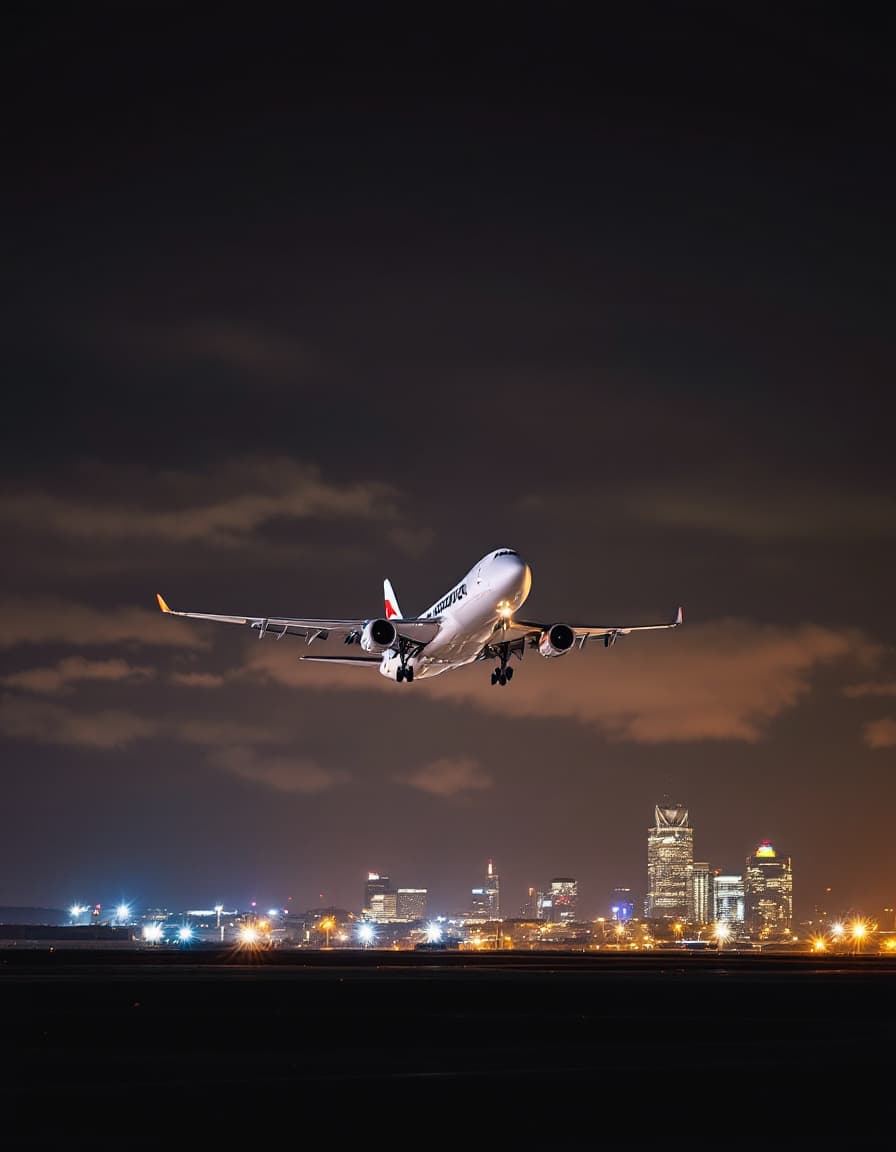
Air Freight Germany: Fast Cargo Delivery and Booking Guide
Air freight in Germany is essential for time-sensitive and high-value cargo. In 2025, major cargo airports like Frankfurt, Leipzig, and Munich connect Germany with global trade routes. Fast handling, secure storage, and digital booking systems make air cargo transport efficient for businesses needing quick delivery.

Transport morski Niemcy: Przewodnik po logistyce portów w Hamburgu i Bremie
Transport morski w Niemczech jest kluczowy dla handlu europejskiego i międzynarodowego. W 2025 roku porty w Hamburgu i Bremie służą jako główne bramy do transportu ładunków kontenerowych i masowych. Porty te łączą Niemcy z Azją, Ameryką Północną i innymi regionami. Dzięki efektywnej logistyce i cyfrowym platformom rezerwacyjnym firmy mogą teraz szybciej i bezpieczniej przewozić ładunki morskie.

Freight Germany to Poland 2025: Cross-Border Cargo Solutions
Freight transport from Germany to Poland supports key industries such as automotive, electronics, construction, and FMCG. In 2025, this route is among the busiest in Central Europe. With EU-standard infrastructure and digital logistics tools, cargo delivery across the Germany–Poland border is fast, compliant, and reliable.

Freight Germany to France and Benelux 2025: Western EU Cargo Guide
Freight transport from Germany to France and the Benelux countries (Belgium, Netherlands, Luxembourg) is essential for trade within Western Europe. In 2025, strong infrastructure, harmonized EU regulations, and advanced logistics systems enable seamless cargo delivery across borders. Businesses benefit from fast, reliable transport solutions connecting Germany to Paris, Brussels, Amsterdam, and beyond.

Local Freight Berlin: Urban Delivery and Logistics Solutions
Local freight in Berlin is essential for supporting the city's economy, including retail, construction, and e-commerce sectors. In 2025, urban logistics is shaped by sustainability goals, traffic regulations, and demand for fast delivery. Businesses rely on smart routing, eco-friendly vehicles, and digital platforms for efficient city transport.

Cold Chain Logistics Germany: Temperature-Controlled Transport Guide
Cold chain logistics in Germany is essential for moving temperature-sensitive cargo such as pharmaceuticals, food, and chemicals. In 2025, the demand for reliable, compliant, and efficient temperature-controlled transport is growing rapidly. Germany’s modern infrastructure, specialized vehicles, and digital tools support safe cold cargo delivery nationwide and across Europe.

Oversized and Heavy Freight Germany: Permits and Transport Solutions
Oversized and heavy freight transport in Germany requires meticulous planning, specialized vehicles, and regulatory compliance. In 2025, industries such as construction, energy, and manufacturing rely on efficient transport solutions for large machinery, turbines, steel structures, and other non-standard cargo. Germany's extensive road and rail infrastructure, along with digital booking tools, make complex logistics manageable and efficient.