Autor
James Miller especializa-se em logística global e dinâmicas da cadeia de abastecimento. O seu trabalho investigativo explora as complexidades do comércio internacional, desafios de infraestrutura e avanços tecnológicos que moldam o comércio moderno. Ele defende práticas sustentáveis e transparência nas operações da cadeia de abastecimento.

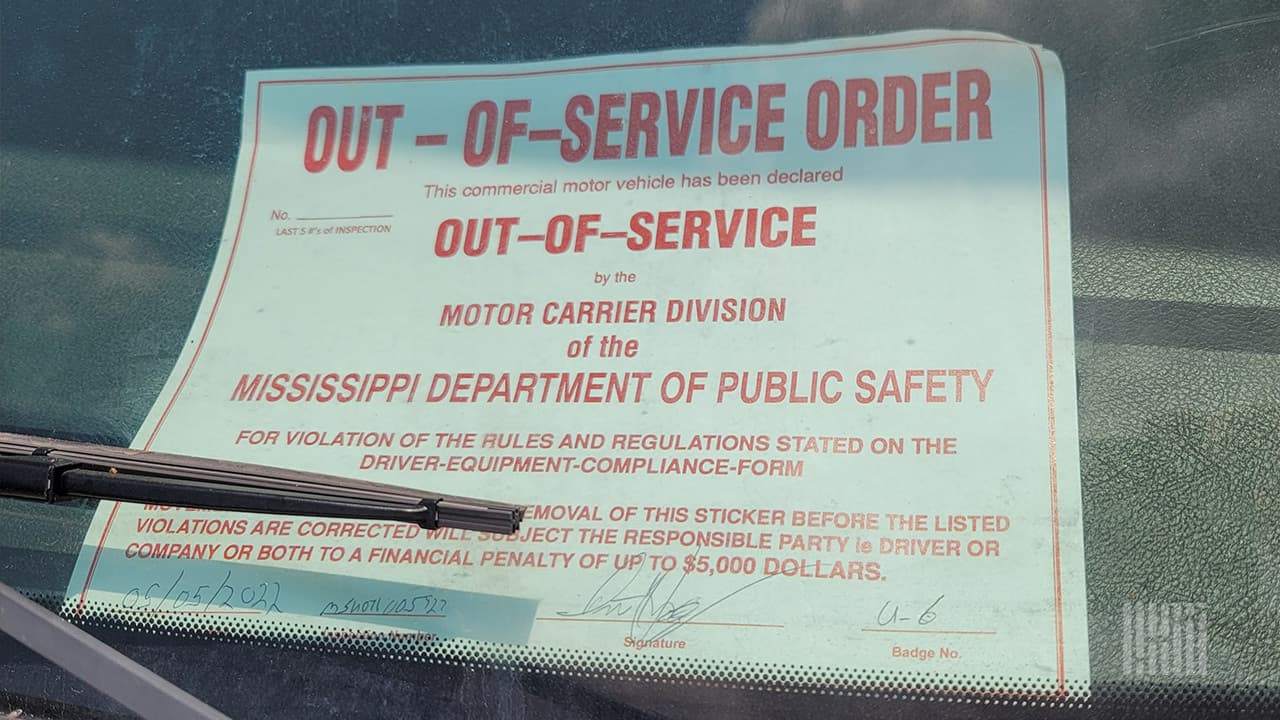
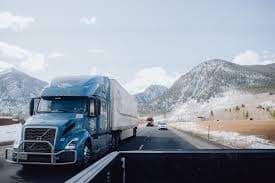
Pennsylvania’s CDL Licensing Issues and Their Ripple Effect on Trucking Operations Explained
Recently, Pennsylvania's Department of Transportation has been under the spotlight defending its Commercial Driver’s Licensing (CDL) program, which is facing criticism due to allegations about the issuance of licenses to non-domiciled or unauthorized individuals.

Eastern Shipbuilding’s Major Conversion of HOS Rocinante into a Leading U.S. Service Vessel
The transformation of a decade-old offshore supply vessel into a cutting-edge U.S.-flagged service operations vessel marks a significant milestone in maritime logistics and shipbuilding.

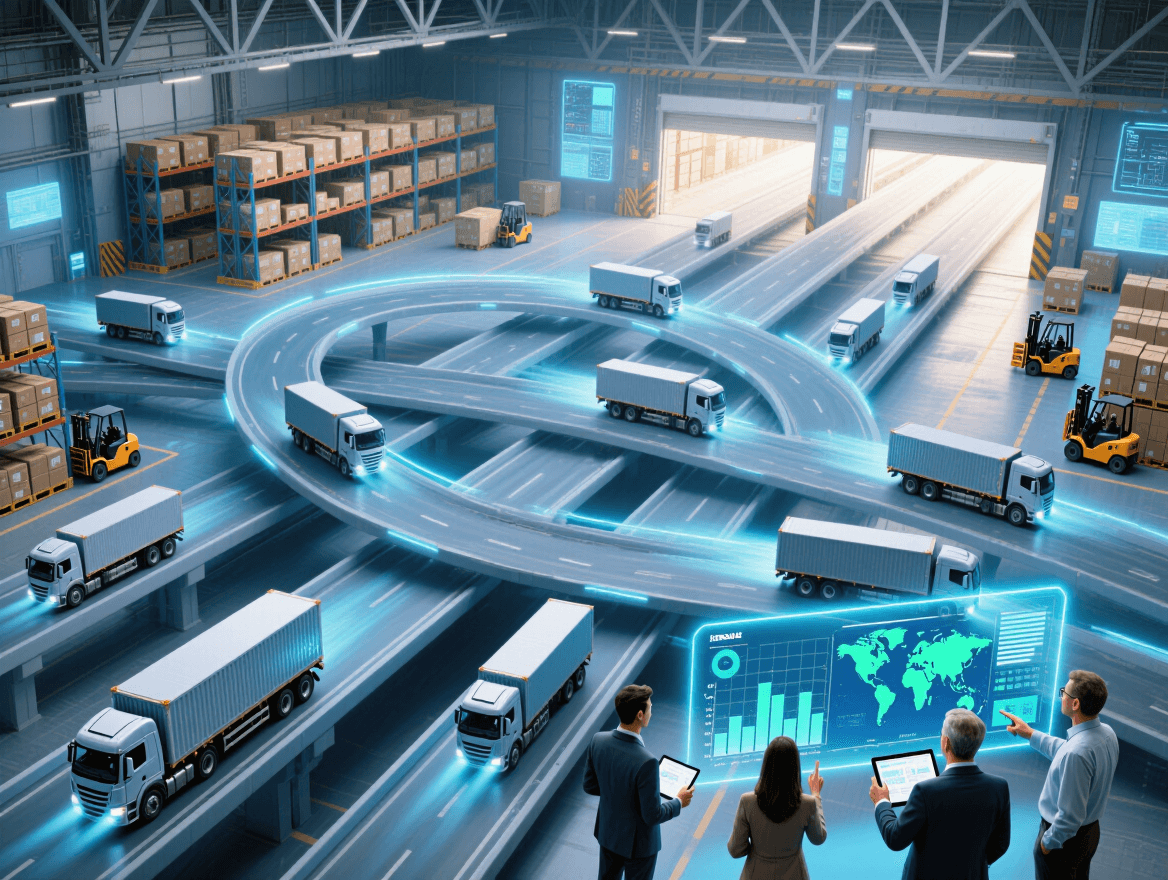
How Cutting Delays and Expenses Can Revolutionize Complex Supply Chains in Logistics
In today’s hyper-connected world, businesses frequently deal with supply chains sprawled across numerous countries and involving multiple types of transportation—from trucks and trains to ships and planes.

How Bouqs Uses Roadie’s Freelance Drivers for Faster Same-Day Flower Delivery
Flower delivery is blossoming beyond the traditional model, with companies like The Bouqs Co.

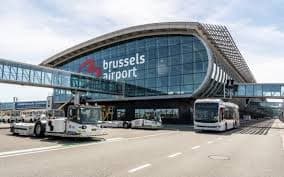
The Cyprus Shipping Chamber (CSC) recently participated in the 60th anniversary celebrations of the European Shipowners’ Association (ECSA) held in Brussels, marking a significant moment for the European maritime industry.

Surviving Freight Market Turmoil: Strategies Smart Carriers Use to Outlast the Storm
The freight market has been anything but stable lately, leaving many carriers struggling to keep their wheels turning.

How IKEA Uses AI to Revolutionize Home Delivery and What It Means for Logistics
IKEA’s recent acquisition of Locus, a U.S.-based AI-driven logistics software company, signals a bold step toward transforming its home delivery network.

How Dimerco Utilizes Asia Logistics Know-How to Master the Complex 2026 Freight Environment
The freight and logistics world is gearing up for a whirlwind in 2026, with shifting air and ocean freight capacities and tightened compliance requirements setting the stage.

Why Freight Broker Liability Under the F4A Safety Exception Is Heading to the Supreme Court
In an unusual coalition, 30 state Attorneys General—cutting across political lines—have united to challenge whether freight brokers should be shielded from state tort liability by the Federal Aviation Administration Authorization Act (F4A)’s “safety exception.” This debate centers on the Montgomery vs.

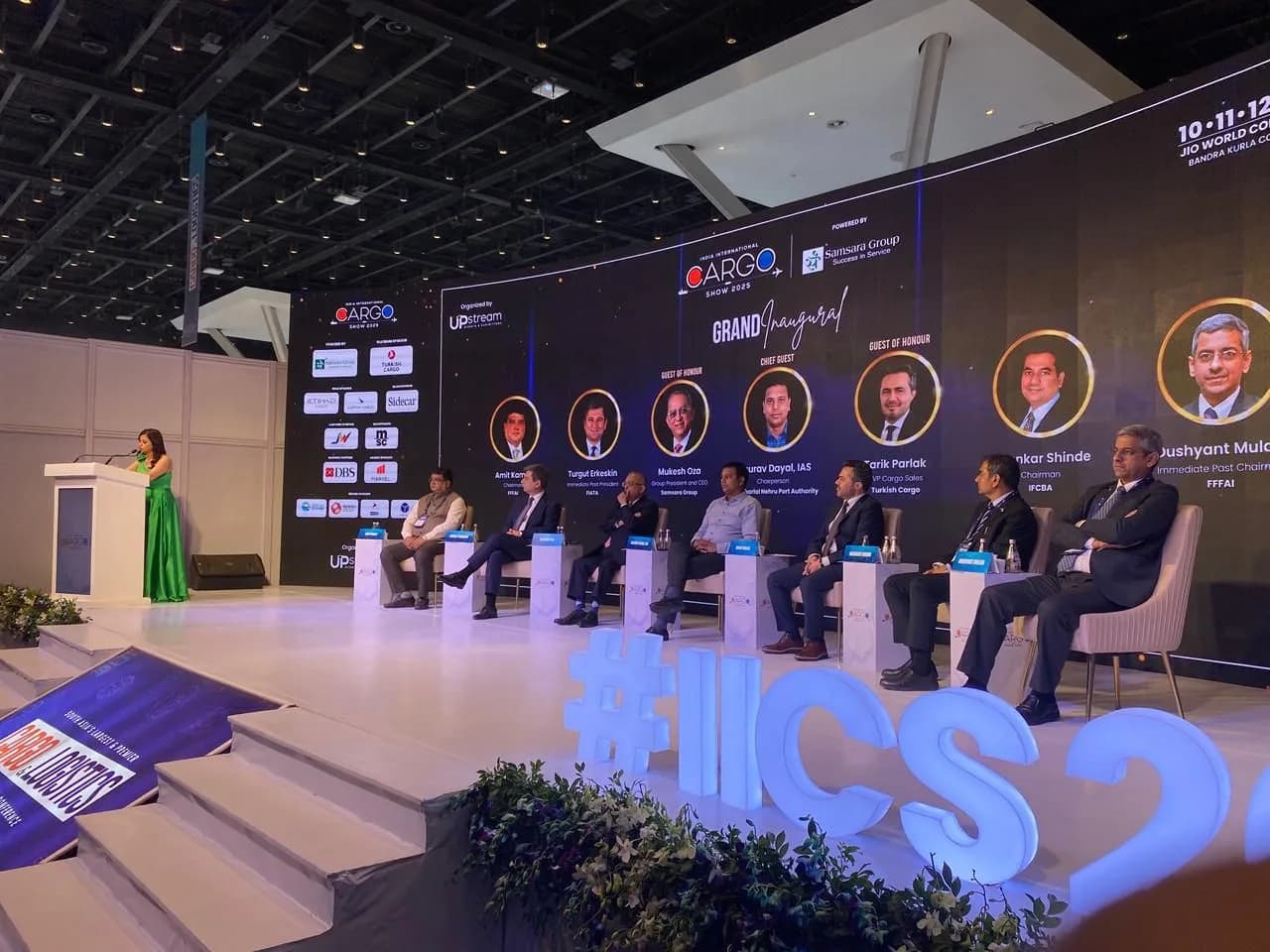
The Impact of Trade, Logistics, and Connectivity on Shaping the Next Wave of Economic Growth
National competitiveness today is no longer just about raw resources or manufacturing output; it hinges heavily on having a modern, digitally enabled, multimodal logistics system.

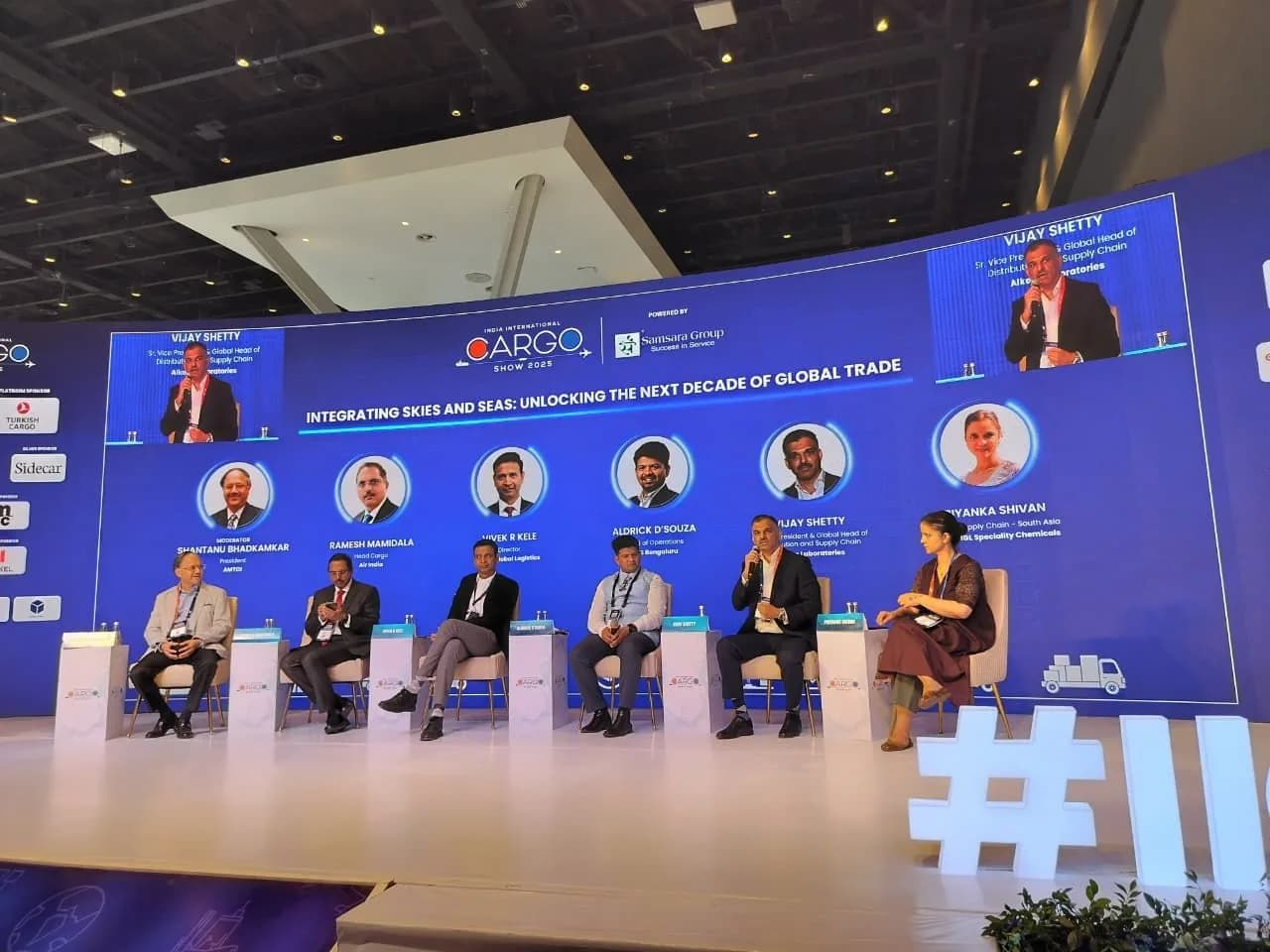
The Rise of Hybrid Air–Ocean Logistics Networks in Strengthening Supply Chains
Rethinking Global Supply Chains: The Shift to Hybrid Networks Global supply chains are undergoing a transformative shift. Gone are the days when businesses relied on a single mode of transport. Today, hybrid air–ocean networks have become the go-to backbone for building supply chain resilience, allowing companies to strike the perfect balance between cost efficiency, speed, and reliability. This development springs from a complex mix of challenges like geopolitical swings, regional shifts in manufacturing centers, and unpredictable transport capacity. The combined strengths of air and ocean freight offer an adaptive approach, making supply chains more robust and nimble in the face of

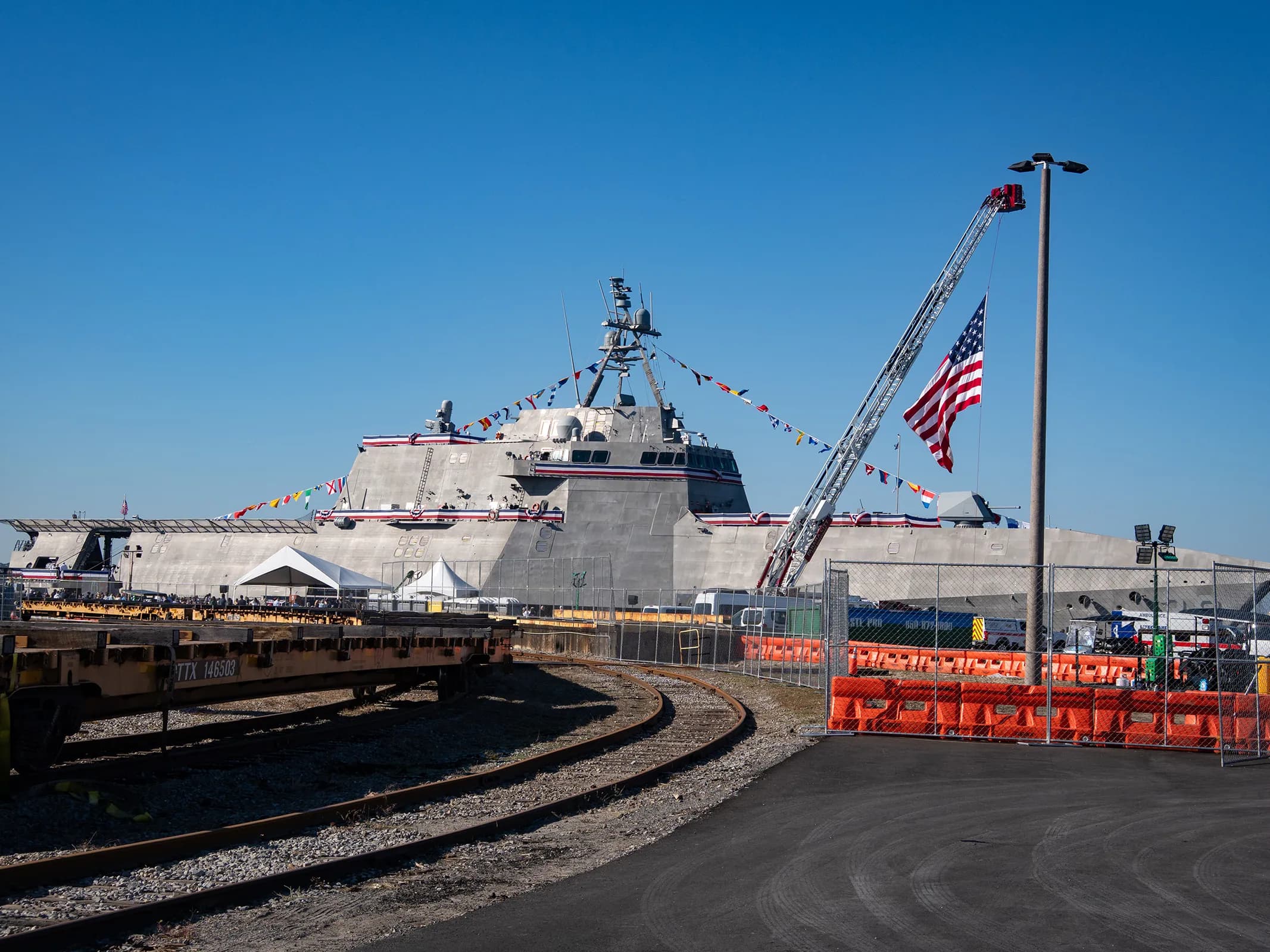
US Navy Invests $448M in AI and Autonomy to Modernize Shipbuilding Processes
The US Navy has announced a substantial $448 million investment aimed at integrating artificial intelligence (AI) and autonomy technologies to revolutionize shipbuilding operations across its maritime industrial base.