


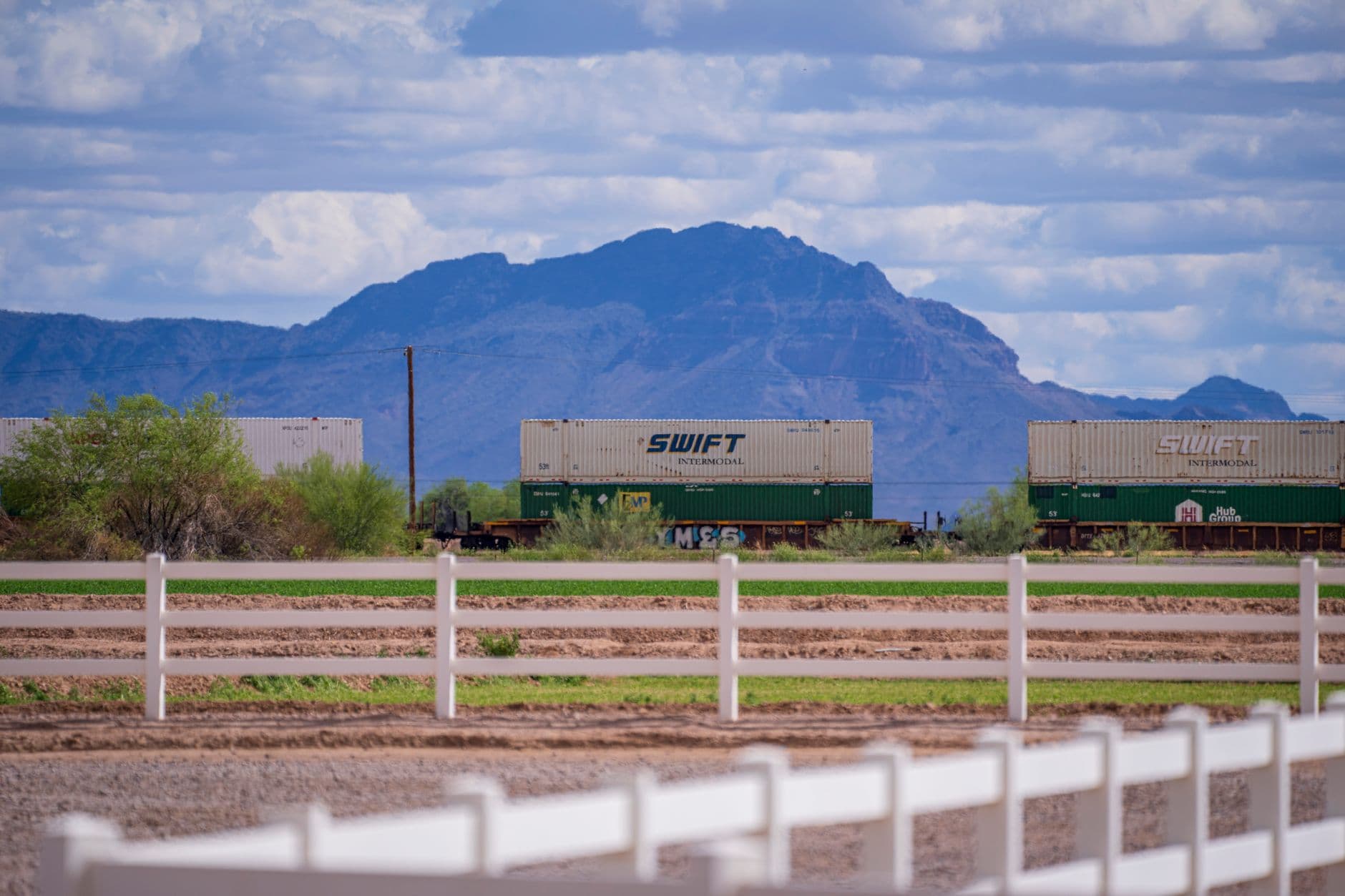

Quando um expedidor me pede para transportar resina ou plásticos industriais da China ocidental para o sul do Vietname, a minha resposta padrão durante anos foi aproximadamente camião até ao terminal ferroviário, terminal ferroviário até à costa, costa até ao navio, depois novamente um camião para o lado vietnamita. Essa resposta mudou a 3 de junho de 2026, quando o primeiro comboio internacional direto de carga da Província de Qinghai chegou à Estação de Trang Bom, em Dong Nai, transportando perto de 1.000 toneladas de plástico de PVC após uma viagem de aproximadamente 4.000 km. Travel And Tour World Tenho acompanhado este corredor desde que o lançamento foi anunciado, e na nossa área de trabalho merece uma análise adequada, porque visa uma lacuna que a maioria das rotas China-ASEAN ignora silenciosamente: origens profundas no interior, que não se situam perto de um porto de contentores.
O que ocorreu a 3 de junho?
Isto não foi uma "shuttle" de demonstração disfarçada para um corte de fita. O comboio inaugural de contentores partiu da estação ferroviária de Shuangzhai em Qinghai a 27 de maio de 2026, entrou no Vietname através da fronteira de Pingxiang para Dong Dang, passou pela alfândega na estação de Yen Vien, em Hanói, a 2 de junho, e chegou a Trang Bom, na província de Dong Nai, a 3 de junho. DTiNews A carga era um único produto, perto de 1.000 toneladas de plástico PVC, o que indica que o serviço foi desenvolvido em torno de um fluxo industrial real, em vez de mercadoria mista ao retalho.
O corredor foi estabelecido conjuntamente pelo Departamento Provincial de Comércio de Qinghai, pela Ferrovia Qinghai-Tibet e pela Corporação Ferroviária do Vietname. Travel And Tour World Essa estrutura tripartite é mais importante do que parece. Um serviço ferroviário transfronteiriço só funciona quando a província de origem, a ferrovia operacional e a transportadora nacional de destino estão todas a seguir o mesmo horário, porque qualquer um deles pode transformar um plano de 7 dias num caos de 12 dias ao reter vagões numa troca.
O percurso e onde atravessa a fronteira
A distância total aproxima-se dos 4.000 km, dividida em cerca de 2.178 km na China e mais de 1.700 km no Vietname. Travel And Tour World O comboio utiliza a travessia Pingxiang (Guangxi) para Dong Dang (Lang Son), que é o movimentado portão oriental para o Vietname, não a travessia Hekou para Lao Cai no lado ocidental que alimenta o corredor de Kunming. Se já enviou mercadorias pela Guangxi anteriormente, este é o mesmo portão fronteiriço que lida com a maior parte do crescente volume ferroviário China-Vietname, pelo que a maquinaria de alfândega e intercâmbio já está operacional.
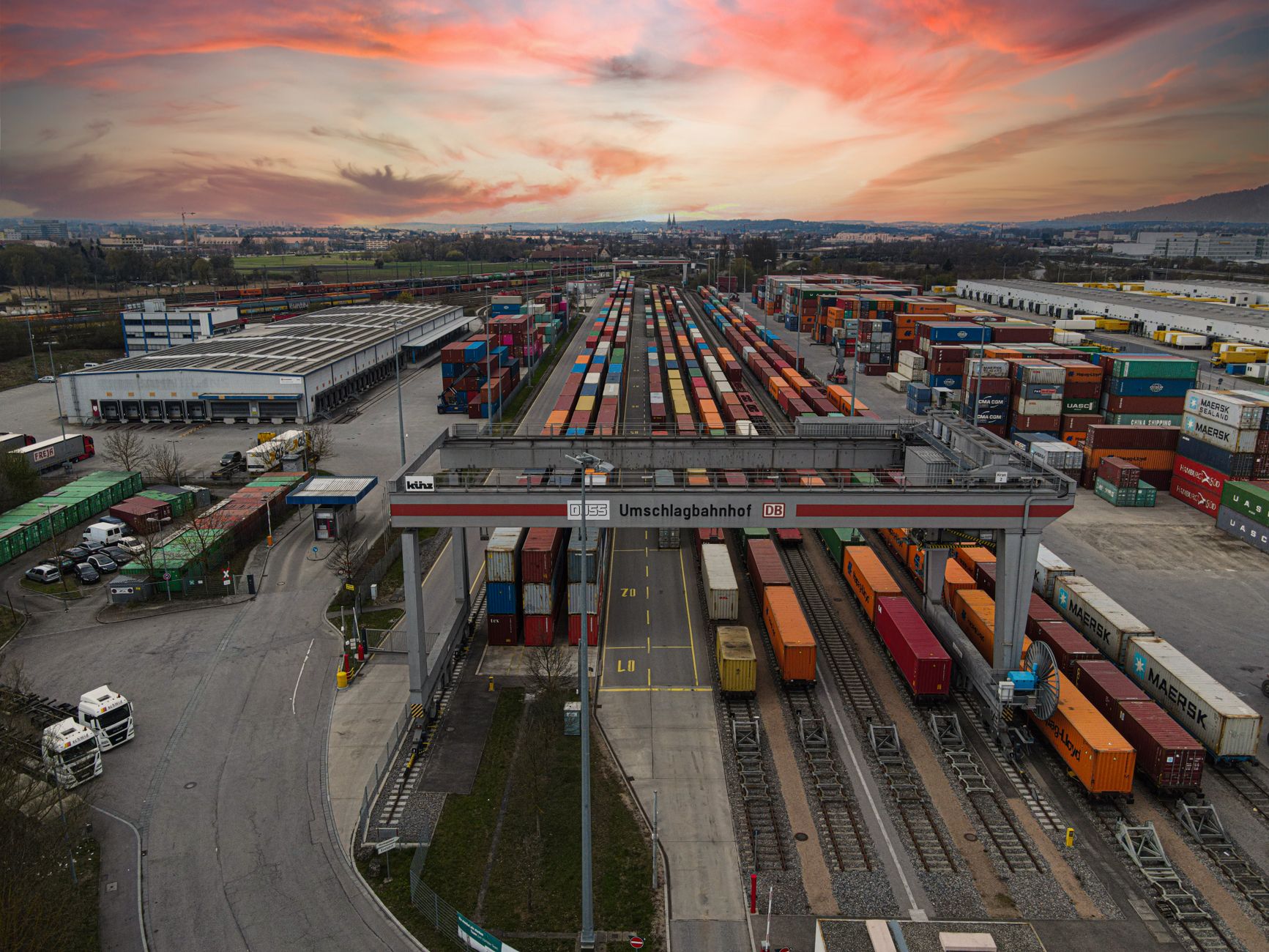
De Dong Dang, a carga segue para Yen Vien, o pátio de carga na periferia de Hanói, onde ocorre o desalfandegamento, e depois continua para sul na rede vietnamita até Trang Bom, que se situa no cinturão industrial de Dong Nai, a nordeste de Ho Chi Minh City. Dong Nai é o ponto que torna isto interessante para mim. É uma das zonas de fabrico mais densas do Vietname, perto do aglomerado de portos de águas profundas de Cai Mep e das fábricas que efetivamente consomem plásticos e maquinaria importados.
A realidade da bitola variável que ninguém põe no comunicado de imprensa
Este é o detalhe que decide se este corredor se mantém fluido com o aumento do volume. A China utiliza a bitola padrão de 1.435 mm, enquanto a rede nacional do Vietname é maioritariamente construída com bitola métrica de 1.000 mm, que cobre cerca de 85% das linhas do país. Wikipedia Estes dois sistemas não partilham rodas, pelo que algures perto da fronteira a carga tem de mudar de comboio ou a própria via tem de mudar.
O Vietname resolveu parte disto há décadas. A linha de Dong Dang a Hanói foi convertida para bitola mista, o que significa uma via de três carris que permite a circulação de comboios de bitola métrica e de bitola normal. Wikipedia É por isso que um comboio chinês de bitola normal pode chegar a Yen Vien sem uma transbordo imediato. Contudo, a sul de Hanói, a realidade da bitola métrica impõe-se novamente, e a carga destinada a Dong Nai é transferida para vagões da Ferrovia do Vietname para o longo percurso a sul até Trang Bom. DTiNews Na prática, isto significa um evento de manuseio adicional integrado no trânsito, e vale a pena incluí-lo em qualquer orçamento. O Vietname tem planeada uma linha de bitola normal de 392 km, de Hai Phong através de Hanói até à fronteira de Lao Cai, que eventualmente suavizaria isto, mas essa é infraestrutura futura, não algo que se possa reservar para este trimestre. Wikipedia
Tempo de trânsito versus mar: a comparação honesta
A manchete é que este serviço reduz o trânsito dos anteriores 12 a 15 dias de trânsito multimodal para cerca de 7 dias. Travel And Tour World Esta é uma melhoria genuína, mas tem de a ler contra o referencial correto. O transporte marítimo de um grande porto chinês como Xangai ou Ningbo para Ho Chi Minh, na cidade, demora cerca de 5 a 8 dias de porto a porto para um contentor completo, e pode ser tão curto quanto 5 dias nas viagens mais rápidas. Sino Shipping Portanto, em comparação com o tempo puro de transporte marítimo de porto a porto, 7 dias por comboio não é um feito impressionante.
A vantagem do transporte ferroviário surge quando a sua carga começa no interior. Qinghai situa-se no interior da China Ocidental, longe da costa oriental. Para chegar a um navio, esse PVC viajaria primeiro aproximadamente 2.000 km para leste apenas para chegar a um porto, depois esperaria por uma partida, depois ficaria retido no porto em ambas as extremidades. O serviço ferroviário funde esse transporte prévio no comboio direto, que é exatamente a razão pela qual o antigo número multimodal era de 12 a 15 dias, em vez de uns limpos 7. Para um expedidor da Guangdong costeira, o transporte marítimo ainda ganha em custo por tonelada. Para um expedidor do interior de Qinghai, a matemática inverte-se.
| Fatorar | Qinghai para Dong Nai direto por ferrovia | Transporte marítimo (portos da China para Ho Chi Minh) |
|---|---|---|
| Tempo de trânsito | Cerca de 7 dias, de ponta a ponta Travel And Tour World | Cerca de 5 a 8 dias FCL porto a porto, mais estadia no porto Sino Shipping |
| Benchmark substituído | Multimodal prévio de 12 a 15 dias Travel And Tour World | Linha de base estabelecida há muito tempo |
| Distância e rota | Quase 4.000 km, com aproximadamente 2.178 km na China e mais de 1.700 km no Vietname Travel And Tour World | Apenas milhas marítimas; necessita de um longo transporte terrestre interior a partir da China ocidental |
| Gestão de bordas | Transbordo na fronteira, carga transferida a sul de Hanói DTiNews | Sem problema de medidor; a congestão portuária é a variável |
| Melhor ajuste de carga | Mercadorias industriais pesadas de origens no interior, como a carga de PVC de 1.000 toneladas DTiNews | Transporte de mercadorias de alto volume de origem costeira de quase qualquer tipo |
Onde isto se encaixa na logística China-ASEAN
O contexto é tudo aqui. A China tem sido o maior parceiro comercial do Vietname há mais de 20 anos, e o comércio bilateral atingiu um recorde de cerca de 296 mil milhões de dólares em 2025, em comparação com os 260,65 mil milhões de dólares em 2024. Vietnam News Essa é uma base de carga colossal e, até recentemente, quase toda ela era transportada por mar ou por estrada através da fronteira terrestre do norte. O caminho de ferro é a mais recente via nesse leque, e está a crescer rapidamente.
Os números de crescimento não são subtis. Os comboios de carga transfronteiriços a sair de Guangxi aumentaram 1.153% em comparação com o ano anterior em 2024, atingindo 19.670 unidades equivalentes a vinte pés, e os operadores ferroviários aumentaram a capacidade de reboque na rota Pingxiang para Dong Dang de 1.000 toneladas para 1.300 toneladas, ao mesmo tempo que aumentaram a capacidade de desalfandegamento do portão da fronteira em 30%. China Daily As viagens semanais nesse corredor passaram de três para 14. Vietnam News O serviço de Qinghai não é um experimento isolado, é a extensão de longo curso de uma rede que já está a escalar. Se quiser ter uma visão mais ampla de como estes corredores interiores chineses se interligam, a nossa análise do Corredor ferroviário China-Quirguistão-Uzbequistão abrange a metade ocidental do mesmo impulso ferroviário.
O precedente a que todos no setor de fretes da ASEAN se referem é a Ferrovia China-Laos, que transportou mais de 80 milhões de toneladas de carga desde a sua inauguração e agora opera um comboio expresso de Kunming a Vientiane em cerca de 26 horas. Global Times Essa linha provou que o transporte ferroviário transfronteiriço para o Sudeste Asiático pode transportar cargas de grande volume de forma fiável. O serviço Qinghai-Dong Nai aplica a mesma lógica ao Vietname, e chegou juntamente com um segundo lançamento: um comboio de carga direto de Suzhou partiu a 10 de junho e chegou a Yen Vien a 16 de junho, após mais de 2.800 km em cerca de seis dias, transportando 37 contentores e reduzindo os custos logísticos em 10 a 15%. VOV Um serviço de seguimento de Suzhou estava previsto para meados de junho de 2026, o que sinaliza que os operadores esperam procura repetida em vez de um evento único. DTiNews
Para expedidores que pensam no comboio como uma categoria, isto insere-se na mesma família que as rotas do Corredor Central que cito noutros locais. O nosso artigo sobre o Corredor Baku-Tbilisi-Kars mostra como uma única nova ligação ferroviária pode redesenhar o mapa de custos de uma região, e a mesma dinâmica está a desenrolar-se aqui no eixo China-Vietname. Se simplesmente gosta de saber até onde estes sistemas chegam, o nosso resumo do as mais longas linhas ferroviárias do mundo coloca uma corrida de mercadorias de 4.000 km em perspetiva.
Como avaliaria este corredor como expedidor
O meu primeiro filtro é sempre a geografia de origem. Se a sua carga começar na China ocidental ou central, esta rota merece um orçamento, porque o transporte terrestre interno até um porto é exatamente o custo que o comboio expresso remove. Se carregar em Guangdong ou Zhejiang, perto de um terminal de contentores, o transporte marítimo será quase sempre mais vantajoso em preço por tonelada, e eu não perseguiria o número ferroviário por si só.
O meu segundo filtro é o tipo de carga. A carga inaugural foi PVC, e isso é revelador. Bens industriais densos, estáveis e não perecíveis, como resinas, plásticos e maquinaria pesada, viajam bem de comboio e beneficiam do trânsito de 7 dias sem necessitarem de refrigeração ou manuseamento especial. O comboio de Suzhou transportou mercadorias destinadas a fábricas em Ninh Binh, Hai Phong e Phu Tho, o que aponta para o mesmo perfil de insumos de fabrico. VOV Eletrónicos de alto valor que justificam o transporte aéreo, ou matérias-primas a granel que só compensam por via marítima, não são o nicho ideal.
O meu terceiro filtro é a honestidade sobre a maturidade. Este corredor foi lançado em junho de 2026 e a frequência ainda está a aumentar. Ainda não está a reservar uma partida diária, pelo que trato-o como um serviço programado para planear, em vez de uma opção de mercado à vista que posso agarrar com pouca antecedência. A transbordo de bitola diferente a sul de Hanói é um toque de manuseamento real que pode adicionar um dia se uma troca de vagões for apertada, pelo que compenso as estimativas dos meus clientes em conformidade. Mesmo com essas ressalvas, uma corrida fiável de 7 dias do interior para Dong Nai é uma ferramenta que não tinha na minha mesa há um ano, e a posição de Dong Nai adjacente a Ho Chi Minh City torna o destino genuinamente útil para distribuição posterior.
Perguntas frequentes
Quanto tempo demora o comboio de mercadorias de Qinghai para Dong Nai?
O corredor demora cerca de 7 dias de ponta a ponta, menos os 12 a 15 dias que o roteamento multimodal anterior necessitava. O comboio inaugural partiu da estação Shuangzhai em Qinghai a 27 de maio de 2026 e chegou a Trang Bom em Dong Nai a 3 de junho de 2026. DTiNews
Que fronteira o comboio utiliza?
Atravessa pelo posto de Pingxiang (Guangxi) para Dong Dang (Lang Son), depois faz o desalfandegamento em Yen Vien, perto de Hanói, antes de seguir para sul. Esta é a mesma passagem oriental que registou um aumento de 1.153% no transporte de mercadorias por via férrea entre a China e o Vietname em 2024. China Daily
Por que a carga muda de comboio dentro do Vietname?
A China utiliza a bitola padrão de 1.435 mm, enquanto a rede do Vietname é maioritariamente de bitola métrica de 1.000 mm, cobrindo cerca de 85% das suas linhas. Wikipedia O troço de Dong Dang a Hanói é de bitola dupla, mas a carga que continua para Dong Nai é transferida para vagões da Vietnam Railways para a via de bitola métrica a sul. DTiNews
O transporte ferroviário é mais barato que o marítimo para a rota China-Vietname?
Depende de onde a sua carga começa. Para origens costeiras chinesas, o frete marítimo de 5 a 8 dias de porto a porto geralmente vence em custo. Sino Shipping Para origens interiores como Qinghai, o comboio remove um longo pré-transporte e o serviço de Suzhou mostrou cortes nos custos de logística de 10 a 15% nesse padrão. VOV
Se está a ponderar este novo corredor em comparação com vias marítimas, rodoviárias ou os portões ferroviários de Guangxi para a sua própria carga China-ASEAN, a forma mais rápida de ver números reais é comparar cotações de transportadoras em tempo real lado a lado. Em GetTransport.com pode publicar uma rota China-Vietname e obter ofertas concorrentes de transitários e transportadoras em todo o mercado, para que possa julgar se o serviço ferroviário Qinghai-Dong Nai, ou um transporte marítimo costeiro, se adequa realmente à sua origem, à sua mercadoria e ao seu prazo de entrega.