
Alexander Petrunin
Атрибуция по наследству
Этот архив объединяет исторические авторские метки. Идентичность и авторство не были проверены в соответствии с нашим текущим редакционным процессом.
Статьи
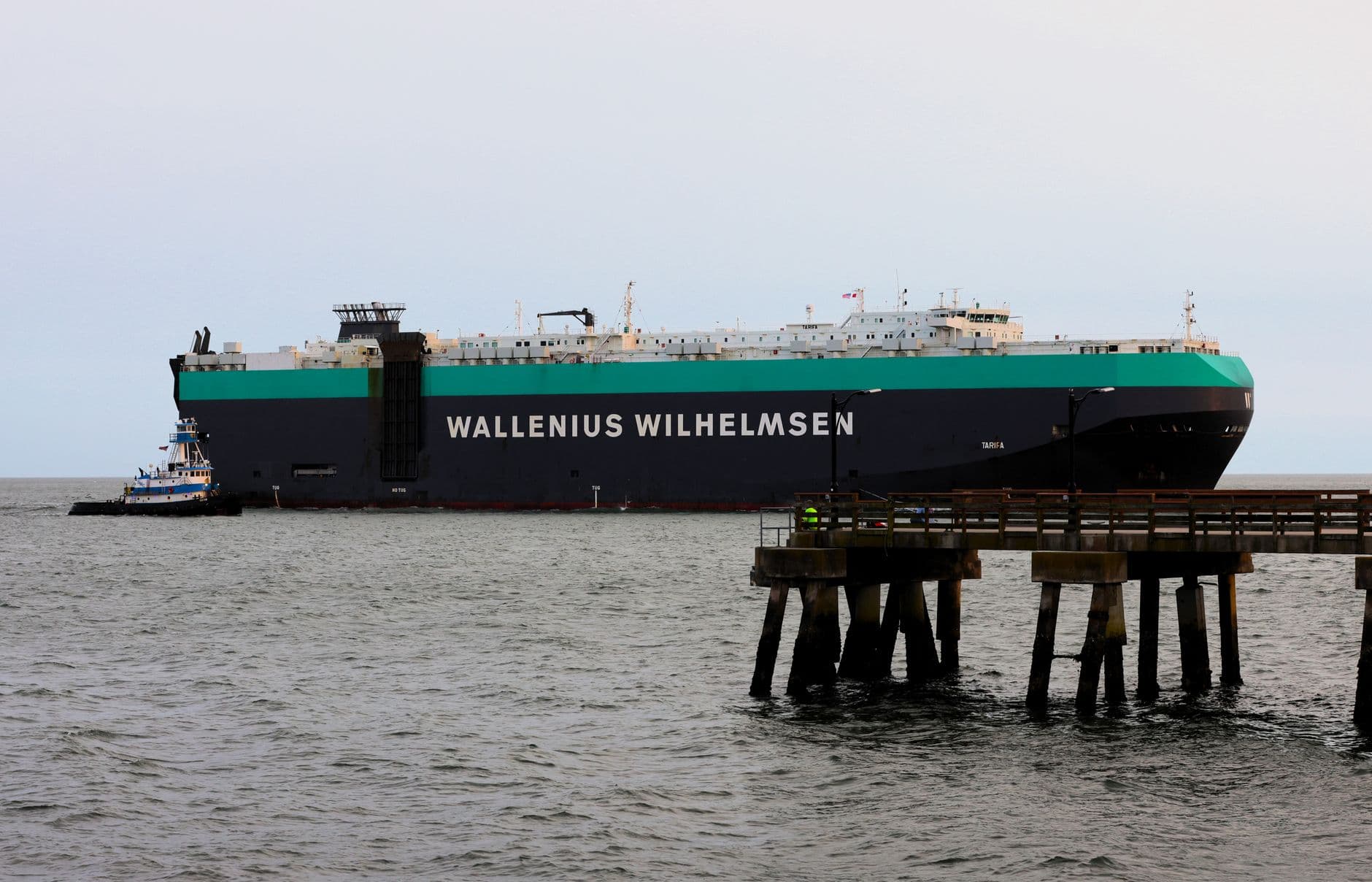
Импорт подержанного автомобиля в Саудовскую Аравию в 2026 году: правило 5 лет, SABER и RORO
Freight desk: руководство по отправке подержанного автомобиля в Саудовскую Аравию и страны GCC в 2026 году: правило 5-летнего возраста автомобиля, левостороннее рулевое управление и соответствие стандарту Euro 6b, сертификат соответствия SABER и энергомаркировка SASO, расчет пошлины и НДС с примером, а также реальный маршрут RORO из Джебель-Али в Даммам.

MCP встречается с ERP: запись данных фрахтовых накладных обратно в SAP TM, Oracle и NetSuite
Часть четвертая серии MCP для грузоперевозок: после того, как агент забронировал груз, это бронирование должно попасть в основную систему. Универсальный эталонный поток для записи бронирований грузов обратно в SAP TM, Oracle и NetSuite, сопоставление объектных моделей для каждой, ловушка идемпотентности, которая приводит к двойному бронированию, идентификация области обслуживания и что MCP маркетплейса должен предоставлять, чтобы вести чистый учет.
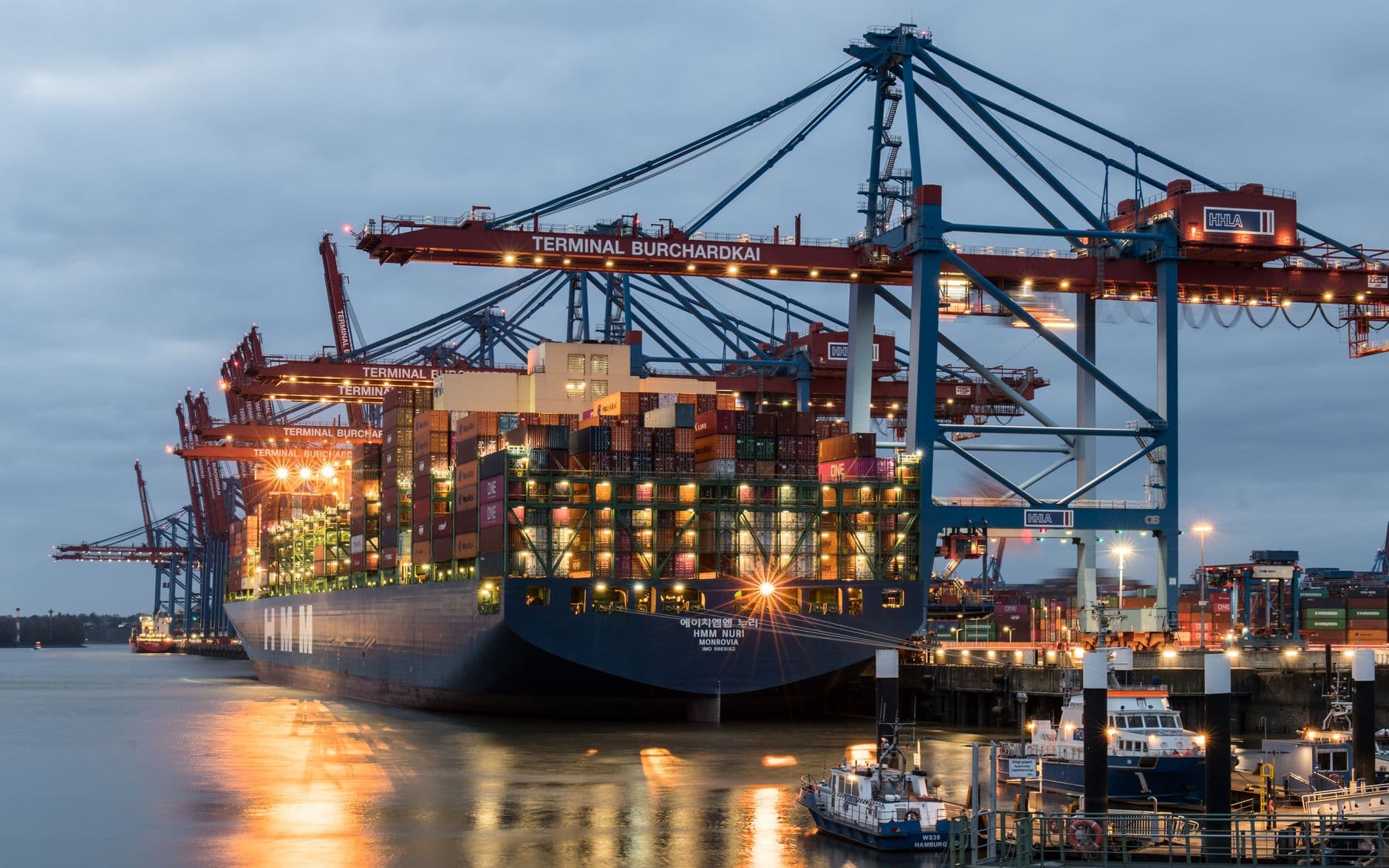
Соответствие GCC за пределами SABER: ECAS, SASO, G-Mark и кто что требует
SABER охватывает Саудовскую Аравию и ничего больше. Нейтральная карта соответствия в Персидском заливе: SABER (SASO) против ECAS и Emirates Quality Mark (MoIAT) против общерегионального G-Mark (GSO), плюс ловушка SFDA для категорий продуктов, в одной матрице и контрольный список перед отправкой.

Защита сервера Freight MCP: OAuth 2.1, отравление инструментов и открытые экземпляры
Третья часть серии freight MCP: как только агент сможет бронировать реальные грузы, как не допустить, чтобы он забронировал не то для не того человека? Независимая от поставщика модель безопасности, разделенная на чтение и запись, OAuth 2.1 с PKCE для инструментов записи, проблемы отравления инструментов и раскрытой инстанции, а также то, что сервер торговой площадки должен обеспечивать, а одиночный перевозчик может пропустить.

Новые таможенные правила ЕАЭС с июля 2026 года: доставка в Казахстан, Россию и Союз
С 1 июля 2026 года ЕАЭС вводит определённый таможенный режим для трансграничной электронной коммерции (решения Совета ЕЭК): порог в 200 евро за отправление сохраняется, но сверх него на посылку начисляется пошлина 5% (не менее 1 евро/кг) плюс НДС по национальным правилам, при этом НДС в Казахстане составит 16%. Вот как это будет работать: кто платит на границе, DDP против DAP и почему склад на стороне союза становится преимуществом.

Грузовые серверы MCP в 2026 году: Warp, CargoMART и что должен предоставлять сервер Marketplace
Сравнительный разбор серверных компонентов freight MCP, поставленных в 2026 году (Warp, CargoMART, freightutils, Easyship): инструменты, места, где бронирование является ограниченным, ловушка сроков действия котировок, stdio против размещенного HTTP и что должен предоставлять сервер мульти-перевозчиков.
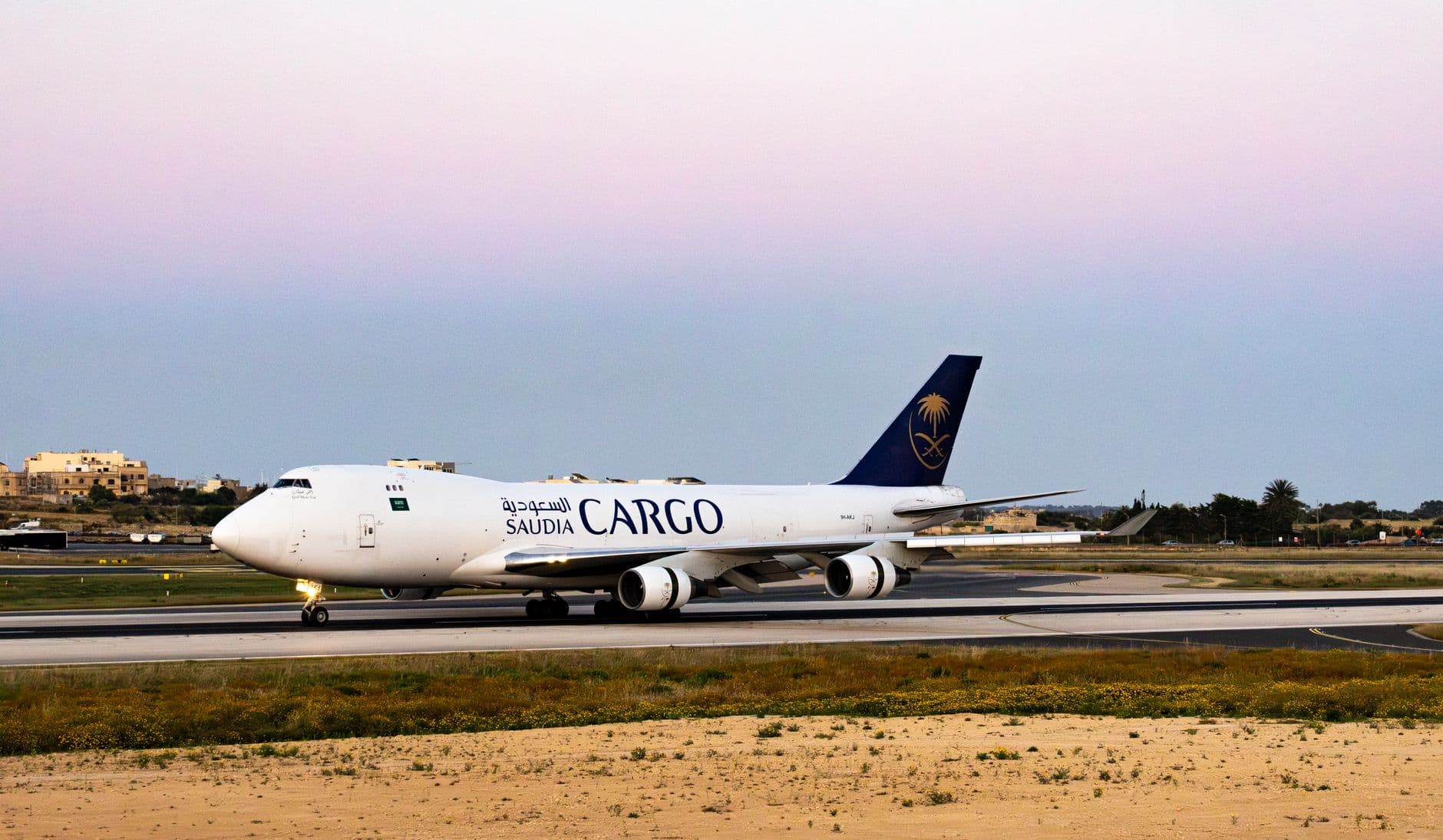
С октября 2025 года ни одна партия груза не пройдет саудовскую таможню без сертификата SABER. Вот как SABER и FASAH работают вместе, чем отличаются PCoC и SCoC, пошаговый процесс, изменение кода ТН ВЭД в 2026 году и основные причины отказа в выдаче сертификатов.
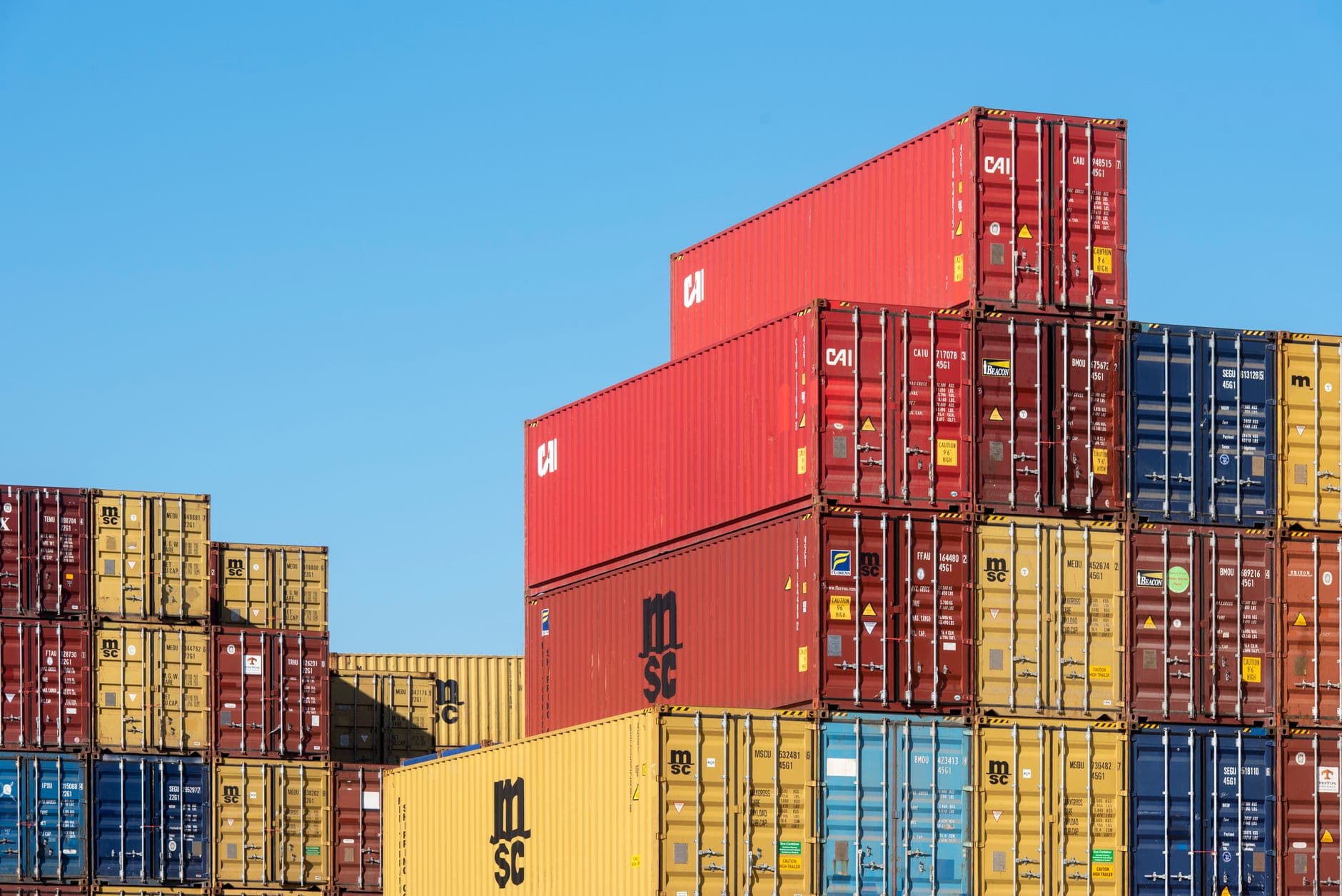
MCP в логистике: как подключить ИИ-агентов к API грузоперевозок
Открытый стандарт теперь позволяет ИИ-агентам цитировать, бронировать и отслеживать грузы через единую интеграцию API. Вот как работает MCP, минимальный пример сервера, кто управляет им в 2026 году и как обеспечить его безопасность.
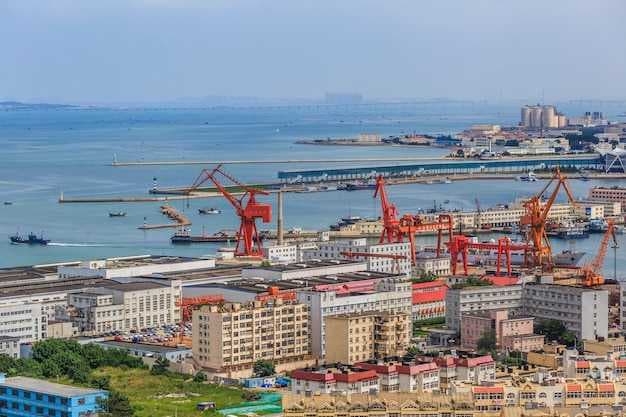
Portugal Freight Transport Trends and Logistics
Portugal’s freight transport sector is undergoing a transformation driven by globalization, e-commerce growth, and strategic investments in port infrastructure. The country’s Atlantic edge, access to the Iberian Corridor, and proximity to both European and African markets position it as a key node in multimodal supply chains. In recent years, ports such as Port of Lisbon , Port of Leixões , and Port of Sines have expanded capacity, diversified cargo profiles, and improved hinterland connections to support containerized, bulk, and Ro-Ro traffic. Shifts toward intermodal solutions are accelerating, aided by ongoing TEN-T corridor enhancements, improved rail-first shipping lanes, and
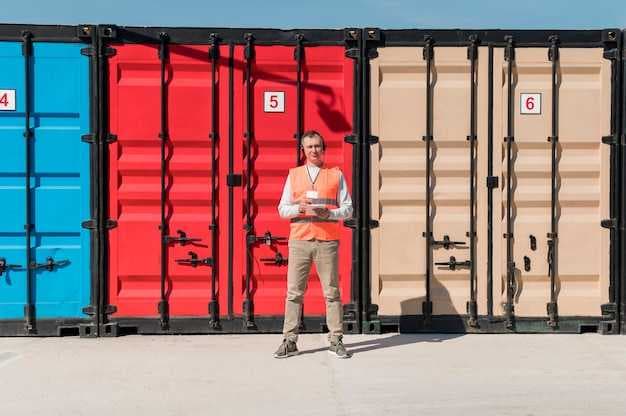
Freight Transport in Portugal Trends and Logistics
Portugal’s freight transport landscape is undergoing rapid change driven by port expansion, intermodal development, and digital logistics tools. Strategic coastal access and enhanced inland connections position the country as a pivotal gateway for Iberian and Atlantic trade, integrating regional supply chains with broader European networks. The Port of Sines , the Port of Leixões , and the Port of Lisbon form the backbone of the national hub system, each expanding capacity for containers, bulk goods, and energy cargo. Sines’ deep-water facilities enable larger vessels and broader trade lanes, while Leixões and Lisbon upgrade terminals to speed up cargo handling and intermodal transfers.

Portugal's freight transport system combines strong maritime gateways with growing road and rail capacity. Maritime corridors are pivotal for international trade, while road networks handle the majority of domestic and regional freight movements. The sector shows a trend toward modal balance, efficiency gains, and digitalization to reduce transit times and costs. Port hubs at Sines and Leixões anchor much of the country's container and bulk logistics, complemented by the Lisbon area logistics zone. Investments in port capacity, hinterland connections, and multimodal terminals enable faster transfer from ships to rail and road, supporting just-in-time supply chains and regional distribution.

Транспортные услуги Португалия
Transport services in Portugal provide a comprehensive network that links urban centers, regional towns, and coastal resorts through efficient rail, road, air, and urban mobility options. The system prioritizes connectivity, reliability and safety for residents and visitors alike. The rail network is led by CP – Comboios de Portugal , offering Alfa Pendular high-speed services between Lisbon and Porto, as well as Intercidades and regional routes that reach the Algarve, the north, and the interior. This network provides daily, frequent connections for business and tourism, with modern trains, comfortable seating, and onboard Wi‑Fi on main lines. Urban and metropolitan transport includes