
Alexander Petrunin
Dedičnosť atribúcie
Tento archív združuje historické označenia autorov. Identita a autorstvo neboli overené v rámci nášho súčasného redakčného procesu.
Články

European Freight Carriers Expand Orders Through Marketplaces
European freight carriers are increasingly turning to digital marketplaces to place and manage orders for rolling stock and related services. Marketplaces connect carriers with manufacturers, leasing firms, and maintenance partners, creating a broader, more competitive buying environment that reduces procurement friction and speeds allocation of capacity across Europe. In this shift, transparency and speed become the core benefits. Carriers can browse specifications, compare offers, and negotiate long-term leases or spot orders with real-time pricing . Standardized interfaces and data-rich catalogs help fleets plan modernization programs, aligning wagon types, coupler standards, and

Future of Digital Freight Platforms in Europe - Opportunities for Carriers
Future European freight platforms for carriers will emerge as integrated digital ecosystems that connect fleets, warehouses, and routes across borders. These platforms aim to replace fragmented silos with transparent, data-driven workflows that reduce empty miles, improve scheduling, and lower admin burden for operators of all sizes. By combining real-time visibility , automated pricing, and seamless payment rails, they will enable carriers to plan multi-modal journeys with confidence and scale their operations efficiently. In the next era, real-time capacity matching and dynamic routing will be the core services. AI-driven algorithms will analyze weather, regulation, port congestion, and

How Freight Marketplaces Help Carriers Optimize Pricing and Utilization
Freight marketplaces connect shippers with a network of carriers, enabling real-time visibility, competitive bidding, and data-driven decisions that reshape pricing dynamics and capacity usage. By aggregating demand from multiple shippers and exposing transparent rate signals , these platforms create a more elastic market where pricing efficiency responds to real-time supply and demand shifts, rather than static contract terms. Carriers benefit from enhanced utilization through better lane matching, dynamic pricing, and access to a broader pool of loads, reducing blank miles and improving fleet productivity . Shippers, in turn, gain predictability and control, leveraging instant quotes and

Step-by-Step Guide - Registering as a Carrier on a Freight Marketplace
Registering as a carrier on a freight marketplace unlocks access to a broad pool of shipments, real-time load matching, and predictable revenue opportunities. This guide outlines the essential steps, required documents, and best practices to start earning quickly and stay compliant. Prerequisites include establishing your business profile, securing the required insurance and operating authority , and having a reliable method to receive payments. In the United States, you typically need a valid MC/DOT authority, a registered legal entity, a tax ID, and proof of liability and cargo insurance that meets marketplace minimums. You will also need a bank account or payment method tied to your

How Small Transport Companies Compete with Giants via Freight Marketplaces
The freight marketplace revolution has fundamentally reshaped who holds leverage in freight deals. Through transparent listings, instant price feedback, and data-driven routing, small carriers can compete with giants on a level playing field where reputation, reliability, and speed often trump legacy scale. Access to live demand and dynamic pricing lets small fleets fill empty miles more efficiently, turning underutilized capacity into consistent revenue. Regional haulers and specialized carriers with flexible equipment can outperform oversized competitors when they can move quickly and communicate clearly with shipper networks. But giants still wield advantages: scale, integrated services,

Furniture Storage and Temporary Holding Services in France
Whether you're renovating a home, moving abroad temporarily, or downsizing, furniture storage in France offers a secure and flexible solution. Instead of rushing delivery or crowding limited space, you can place items in short- or long-term storage — with peace of mind that your belongings are safe, clean, and easily retrievable.
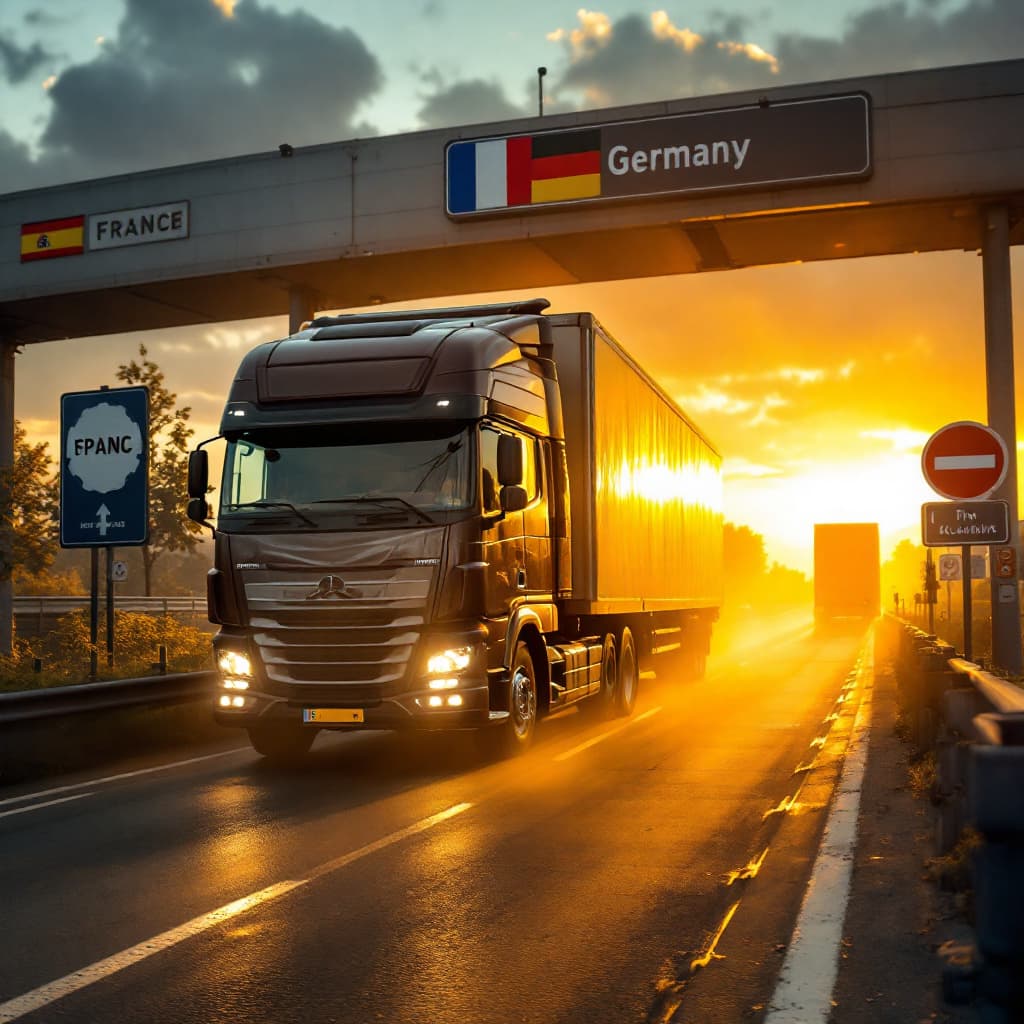
Furniture Transport from France to Germany, Spain, and Italy
With more people relocating, furnishing second homes, or selling goods across borders, furniture transport from France to Germany, Spain, and Italy has become increasingly common. Whether moving from Lyon to Barcelona, shipping antiques to Munich, or delivering new furniture to Milan, international transport requires coordination, care, and compliance.

International Freight Transport from France to Germany: Best Practices and Key Requirements
France and Germany are Europe’s two largest economies and trading partners. Every day, thousands of trucks cross the border, carrying everything from automotive parts and machinery to wine, electronics, and retail goods. International freight transport from France to Germany is essential for manufacturers, exporters, and distributors seeking fast and efficient delivery across the EU.

Freight Carriers in Faro and the Algarve: Serving Southern Portugal’s Economy
Southern Portugal’s Algarve region, with Faro as its logistical hub, is a unique market for freight carriers. In 2025, this area combines seasonal tourism, agricultural exports, and growing retail needs—creating year-round and seasonal freight opportunities for logistics providers.

The freight route from Boston to New York City is one of the busiest and most economically important cargo lanes in the northeastern United States. Spanning roughly 215 miles, this corridor connects Massachusetts’ capital with the largest metropolitan market in the country.

How to Comply with International Logistics Regulations
International logistics is a complex system governed by numerous regulations that ensure the smooth transportation of goods across borders. Compliance with these international standards helps companies avoid delays, penalties, and legal issues while optimizing supply chain efficiency. This article explores key regulatory requirements and strategies for adhering to global logistics norms.

Logistics in the Entertainment Industry: How to Organize Events
Event logistics is a crucial aspect of the entertainment industry, ensuring the smooth execution of concerts, festivals, film productions, and other large-scale events. From transporting equipment and coordinating staff to managing security and crowd control, efficient logistics planning determines the success of any entertainment project. This article explores the key challenges and best practices for organizing logistics in the entertainment sector.