
Alexander Petrunin
Dedičnosť atribúcie
Tento archív združuje historické označenia autorov. Identita a autorstvo neboli overené v rámci nášho súčasného redakčného procesu.
Články
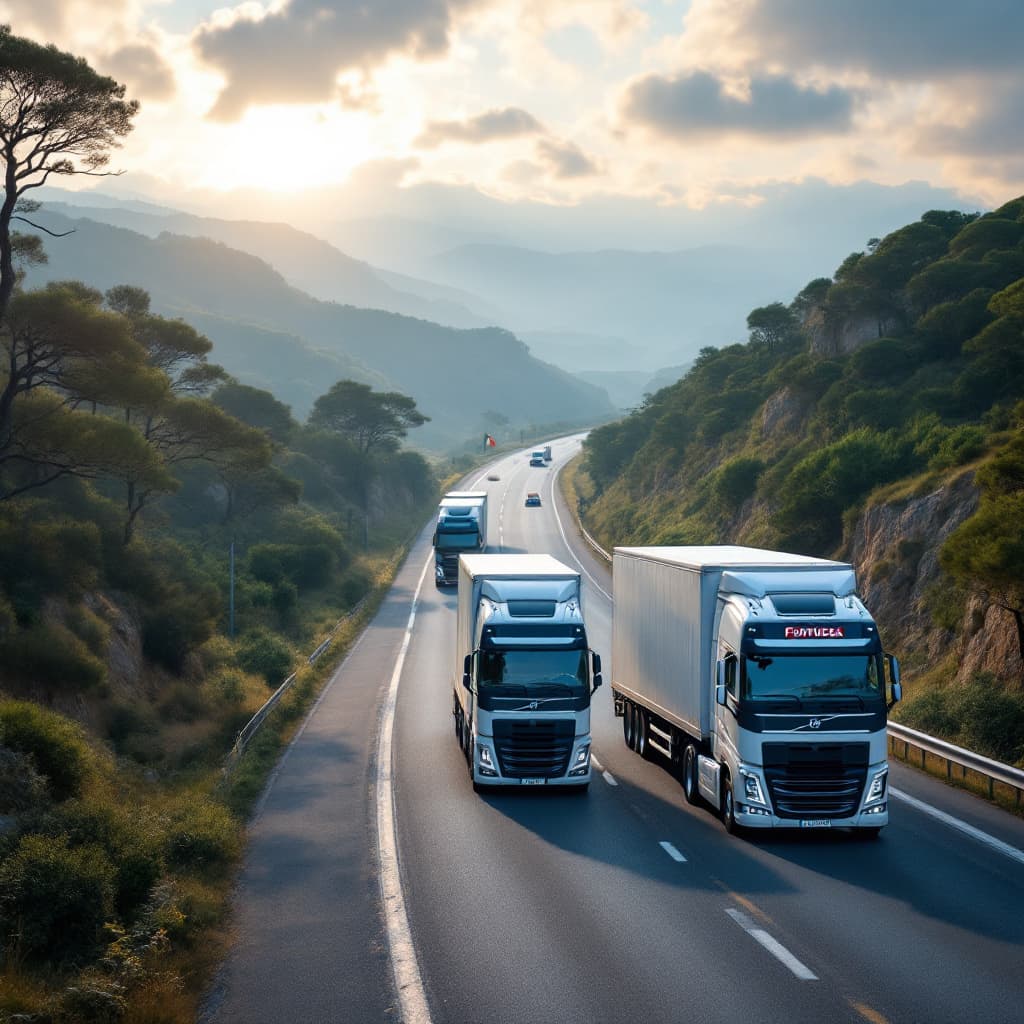
Coimbra – Guarda: Transporting Goods to the East and the Spanish Border
The Coimbra – Guarda route serves as a significant transport corridor in central Portugal, connecting the historic city of Coimbra with Guarda, a key gateway to the Spanish border.
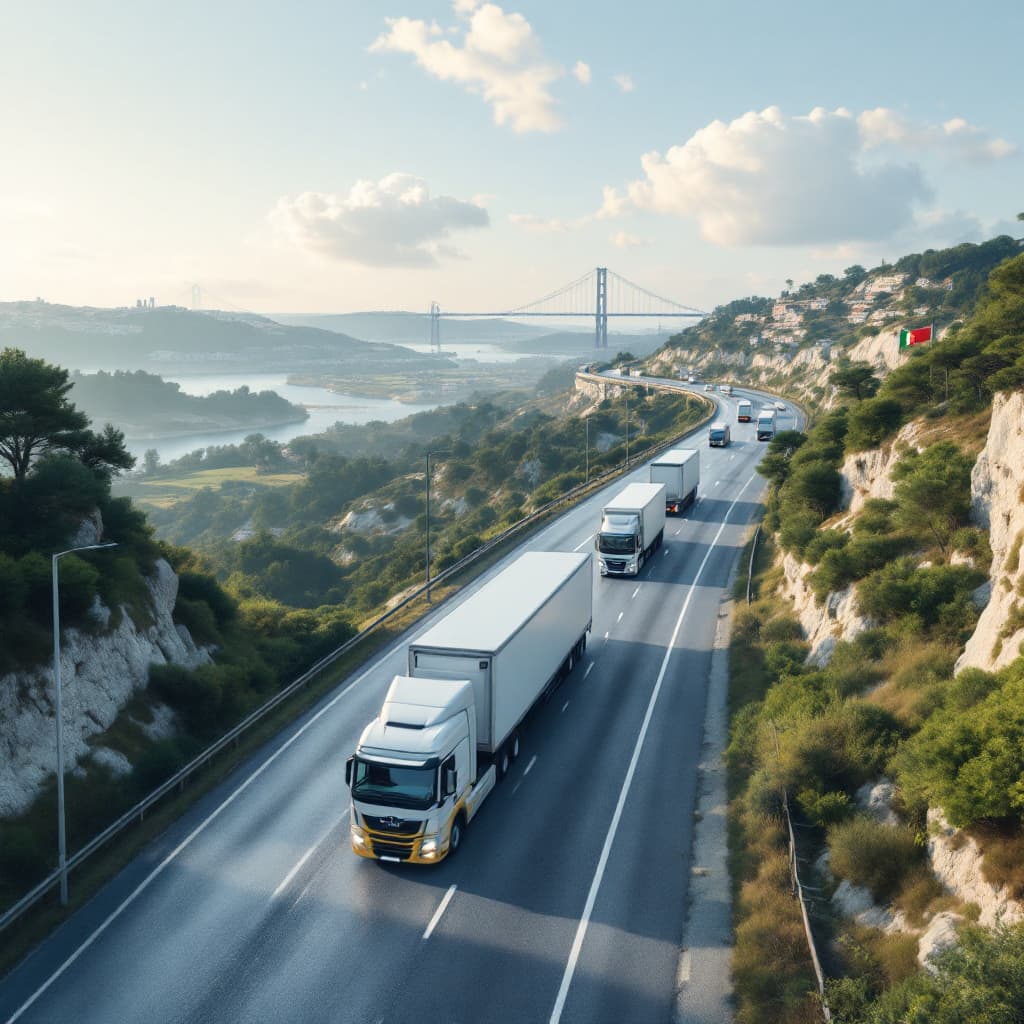
Porto – Bragança: An Essential Route for Domestic Freight
Spanning approximately 200 kilometers, this route connects Porto, The Porto – Bragança route is a vital transport corridor in northern Portugal
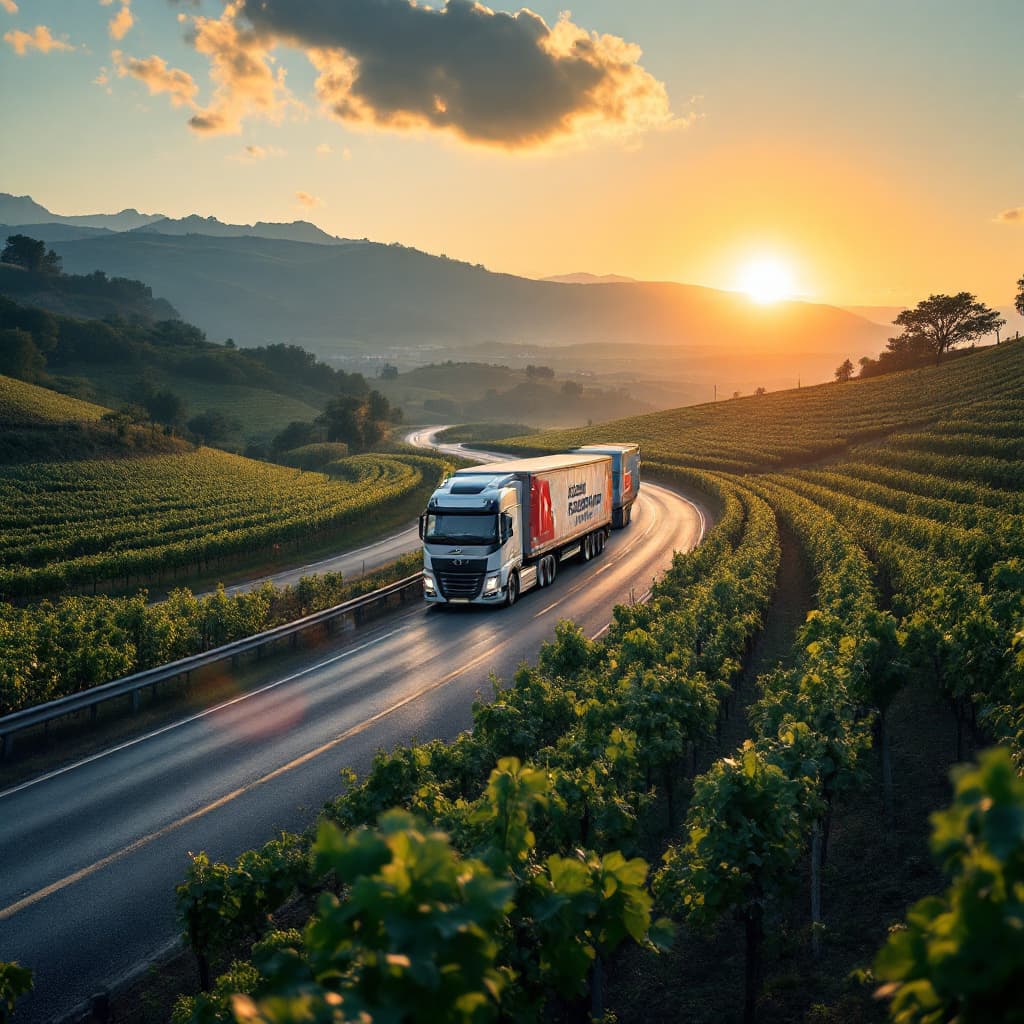
Lisbon – Vila Real: Transporting Agricultural and Wine Products from the Douro Region
The Lisbon – Vila Real route plays a strategic role in Portugal's transportation system, connecting the capital to the northern region
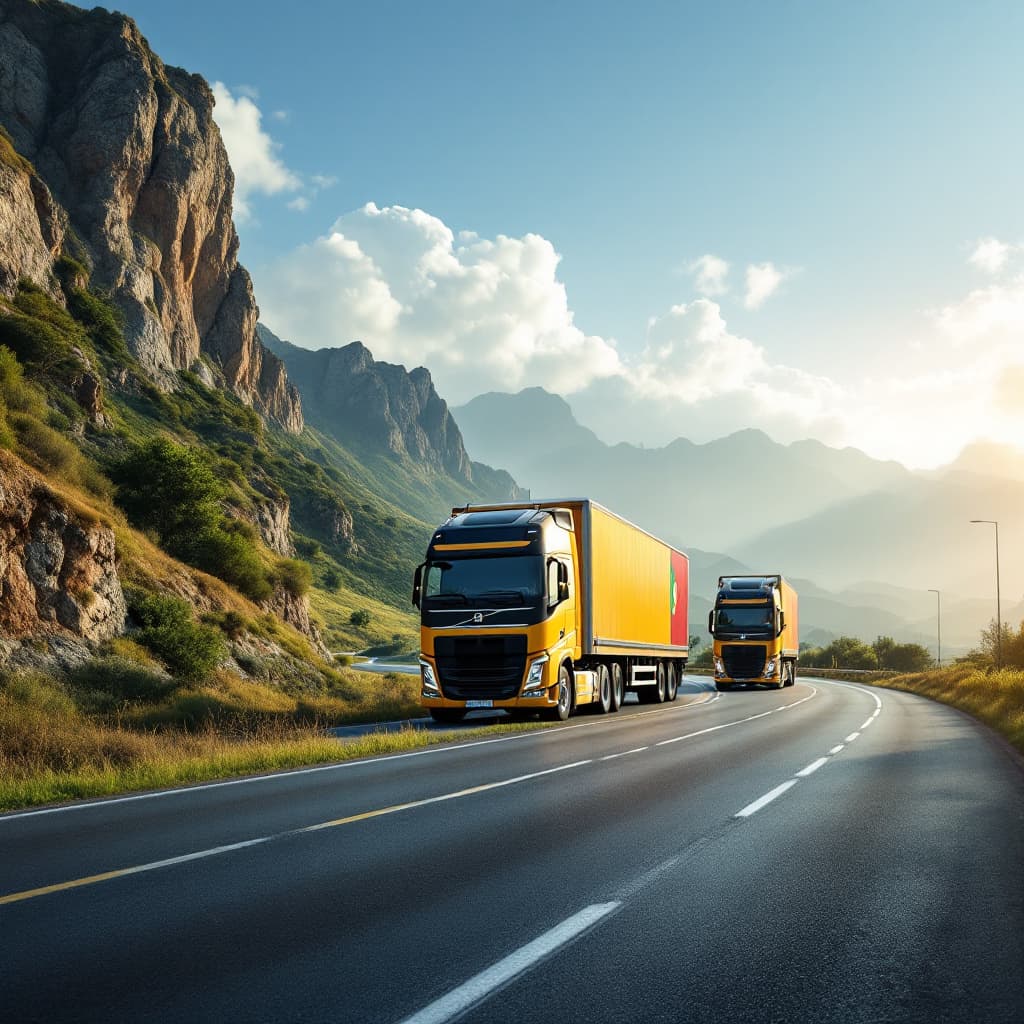
Porto – Chaves: A Key Trade Route to the Spanish Border
The Porto – Chaves route is a strategic trade corridor in northern Portugal, connecting the country’s second-largest city with the Spanish border. Spanning approximately 140 kilometers , this route takes around 1 hour and 40 minutes by car , making it a vital link for regional and cross-border commerce. As a gateway to Spain, this route supports the flow of goods between the two countries, enhancing economic integration and trade opportunities. Description of the Cities Porto – Known for its rich history and industrial dynamism, Porto is a leading economic hub in Portugal. The city’s port, Leixões, handles a significant portion of the country’s exports and imports, making it a key player in
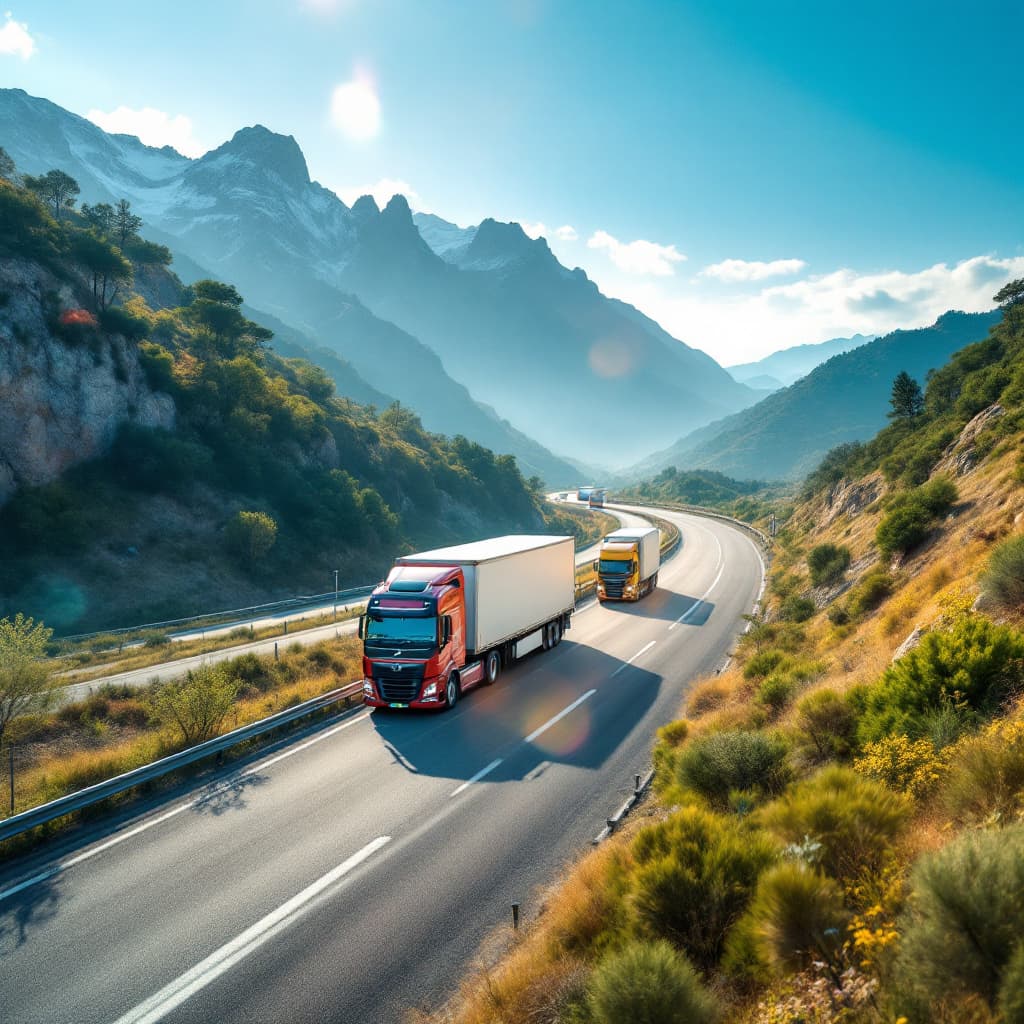
Braga – Guimarães: Short Industrial Freight Route
The Braga – Guimarães route is a vital short-distance freight corridor in the northern region of Portugal.
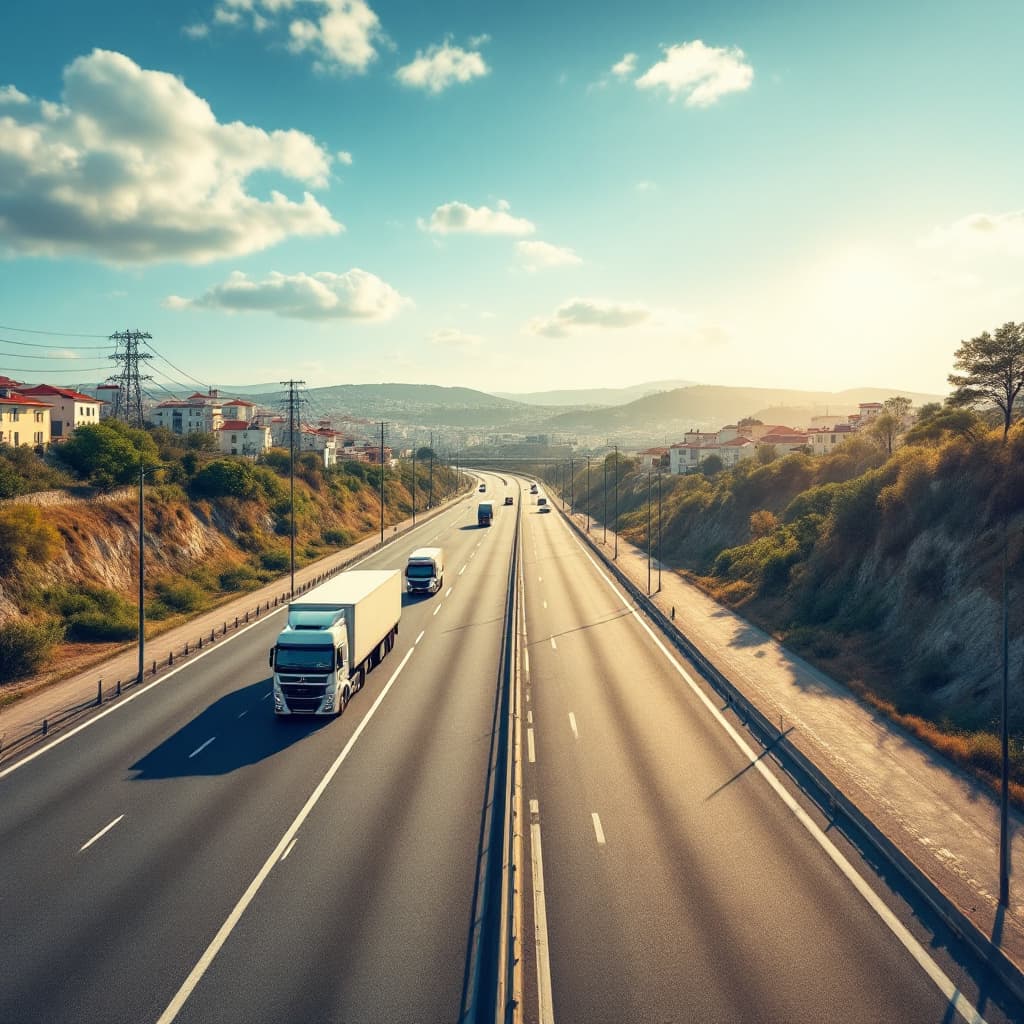
Faro – Porto: A High-Capacity Freight Route Along Portugal's Coast
The Faro – Porto route is one of the longest and most important logistics corridors in Portugal, spanning the entire western coastline of the country. Covering a distance of approximately 550 kilometers , the journey by road typically takes 5 to 6 hours . This route plays a vital role in freight transportation, connecting the southern Algarve region with the industrial and commercial hub of Porto in the north. With its high cargo volume, the Faro – Porto route supports diverse industries, including agriculture, tourism, and manufacturing. Description of the Cities Faro – Located in the Algarve region, Faro is known for its thriving tourism industry, agricultural exports, and a growing

Lisbon – Évora: An Important Route to the Alentejo Agricultural Region
The Lisbon – Évora route is a key transportation corridor connecting Portugal's capital with the historic and agricultural region of Alentejo. The distance between these two cities is approximately 130 kilometers , and a car journey takes about 1 hour and 30 minutes . This Lisbon – Évora route plays a significant role in the country's economy, facilitating the movement of goods, particularly agricultural products, and attracting tourists to the historic center of Évora. Description of the Cities Lisbon – A dynamic capital of Portugal that serves as the cultural, economic, and transportation hub of the country. The city boasts a well-developed infrastructure, including an international

Porto – Viseu: Distance by car
The Porto – Viseu: Distance route is one of the key directions in northern Portugal, connecting a major industrial and port hub with the inland regions of the country. The distance between these cities is approximately 120 kilometers , and a car journey takes around 1 hour and 20 minutes via major highways. This Porto – Viseu: Distance is critical for freight transportation , enabling the movement of goods between the Port of Leixões in Porto and the industrial areas of Viseu. Description of the Cities Porto – Portugal’s second-largest city and one of its most important economic centers. Porto is known for its industrial enterprises, wineries, and well-developed port infrastructure,

Lisbon – Leiria: Distance by Car
The Lisbon – Leiria: Distance is an essential freight transport route that connects Portugal’s capital with one of the country’s key industrial and construction hubs. Lisbon is a major economic center, while Leiria plays a crucial role in the production of construction materials, industrial goods, and furniture manufacturing. This article explores the logistics, transport characteristics, and best freight solutions for this corridor. Lisbon – Leiria: Distance by Car and Route The Lisbon – Leiria: Distance by Car is 145 km , primarily via the A1 highway . The driving time for freight transport is approximately 1.5 to 2 hours , depending on traffic and road conditions. Alternative routes: A8

Coimbra – Faro: Distance by Car
The Coimbra – Faro: Distance is a significant freight corridor connecting central Portugal with the southern Algarve region. Coimbra, known for its historical university and cultural influence, is a key economic and logistics hub in central Portugal. Faro, the capital of the Algarve, is a major tourist and commercial center, making this route vital for trade, construction, and consumer goods transportation. This article examines the logistics, transportation characteristics, and best freight solutions for this corridor. Coimbra – Faro: Distance by Car and Route The Coimbra – Faro: Distance by Car is 370 km , primarily via the A1 and A2 highways . The driving time for freight transport is

Porto – Aveiro: Distance by Car
The Porto – Aveiro: Distance is a key logistics corridor along Portugal’s Atlantic coast, connecting two major economic and industrial centers. Porto, Portugal’s second-largest city, is a significant hub for commerce and trade, home to one of the country’s busiest ports. Aveiro, located approximately 75 km south of Porto, is often referred to as the "Venice of Portugal" due to its network of canals. The city is a major center for logistics, seafood industries, and chemical production. This article explores the transportation characteristics, logistics operations, and best freight solutions along this route. Porto – Aveiro: Distance by Car and Route The Porto – Aveiro: Distance by Car is 75

Lisbon – Faro: Distance by Car and Transportation Features
The Lisbon – Faro: Distance is a crucial freight transport route connecting Portugal’s capital with the southern tourist region of the Algarve. Lisbon, a historic and economic hub, is known for its thriving business and cultural scene. Faro, the gateway to the Algarve, is a key destination for tourism and trade. This article explores the logistics, key transportation aspects, and optimal freight solutions for this corridor. Lisbon – Faro: Distance by Car and Route The Lisbon – Faro: Distance by Car is 278 km , with the primary route being the A2 highway . The driving time for freight transport is approximately 2.5 to 3 hours , depending on traffic conditions. Alternative routes: IC1 – a