
Alexander Petrunin
Miras atıfı
Bu arşiv, tarihsel yazar etiketlerini gruplandırmaktadır. Kimlik ve yazarlık, mevcut yayın sürecimiz kapsamında doğrulanmamıştır.
Makaleler
 Yapay Zeka Destekli Editöryel İllüstrasyon
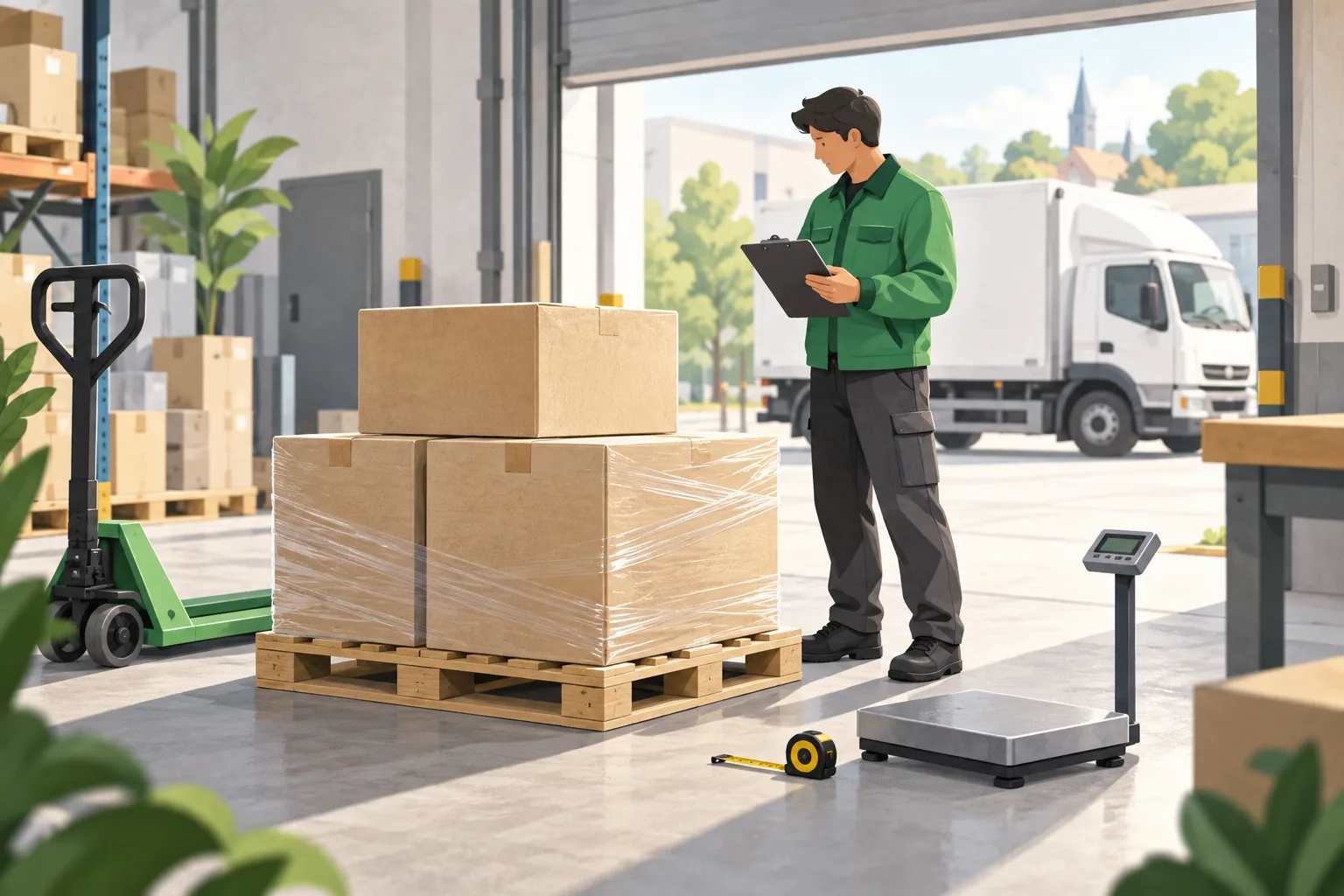
How to Choose the Optimal Route for International Delivery
Selecting the best route for international delivery is a critical factor in ensuring cost efficiency, timely arrivals, and smooth logistics operations. Various factors, including transit time, customs regulations, and transportation costs, must be considered. This article explores key strategies for determining the optimal delivery route while balancing efficiency, security, and cost-effectiveness.
 Yapay Zeka Destekli Editöryel İllüstrasyon
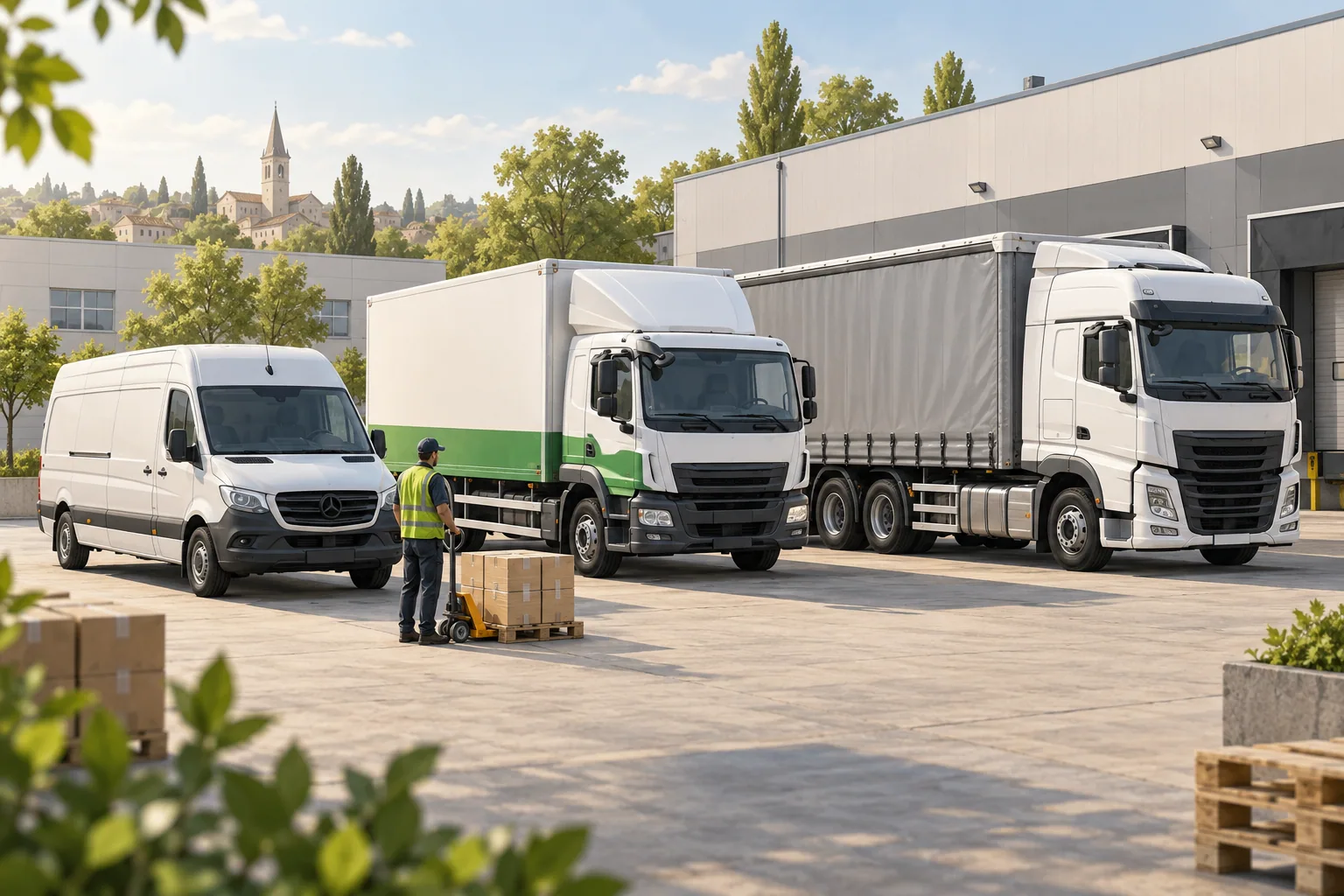
How to Manage Risks in International Logistics
International logistics presents various risks that can disrupt supply chains, increase costs, and impact business operations. From geopolitical instability to transportation delays, companies engaged in global trade must proactively identify and mitigate these risks. Effective risk management strategies enhance supply chain resilience and ensure smooth operations.
Yapay Zeka Destekli Editöryel İllüstrasyonLogistics and Currency Risks: How to Protect Your Business
In international logistics, currency fluctuations can significantly impact the cost of transportation, supplier payments, and overall profitability. Businesses operating across multiple countries must navigate currency risks to ensure financial stability and maintain competitive pricing. This article explores key currency risks in logistics and effective strategies to mitigate them.
Yapay Zeka Destekli Editöryel İllüstrasyonHow to Use Technology for Managing International Logistics
In the evolving landscape of global trade, technology plays a critical role in enhancing efficiency, reducing costs, and optimizing international logistics operations. Businesses leveraging digital solutions can streamline supply chains, improve real-time tracking, and mitigate risks. This article explores the latest technologies transforming international logistics and how companies can integrate them for better performance.
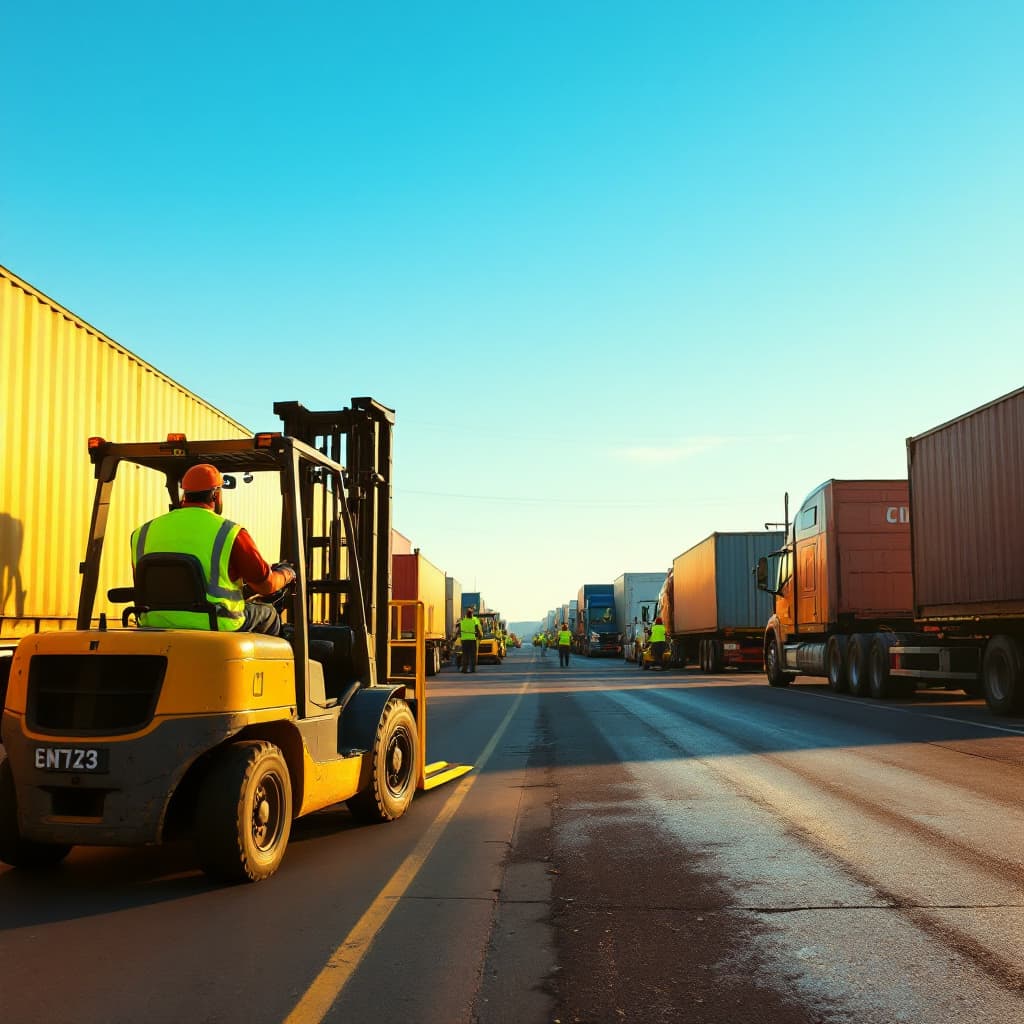
Construction Logistics: How to Manage Projects
Logistics plays a crucial role in construction projects by ensuring the efficient movement of materials, equipment, and workforce. Managing construction logistics effectively reduces costs, minimizes delays, and improves overall project efficiency. In an industry where timing and coordination are essential, having a well-planned logistics strategy can significantly impact project success.

Pharmaceutical Logistics: How to Ensure Safety
Pharmaceutical logistics plays a critical role in ensuring that medicines and healthcare products reach consumers safely and efficiently. The transportation and storage of pharmaceuticals require strict regulations, precise temperature control, and robust security measures to maintain product integrity. Any failure in logistics management can compromise patient safety and lead to financial losses. This article explores best practices for ensuring safety in pharmaceutical logistics.

Logistics in the Automotive Industry: Challenges and Solutions
The automotive industry relies on a highly complex and interconnected supply chain. Efficient logistics are essential for ensuring the smooth flow of raw materials, components, and finished vehicles. However, the industry faces multiple challenges, including supply chain disruptions, fluctuating demand, and sustainability concerns. This article explores key challenges and solutions for optimizing logistics in the automotive sector.
Yapay Zeka Destekli Editöryel İllüstrasyonLogistics in the Chemical Industry: Features and Requirements
Logistics in the chemical industry is one of the most complex and highly regulated sectors. The transportation, storage, and handling of chemicals require strict safety measures, compliance with environmental standards, and specialized equipment. Any mismanagement in logistics can lead to severe health risks, environmental hazards, and legal consequences. This article explores the key features, challenges, and best practices for ensuring the safe and efficient transportation of chemicals. Key Features of Chemical Industry Logistics Regulatory Compliance – Companies must adhere to national and international regulations, such as the ADR (European Agreement concerning the International

Trends in Packaging and Their Impact on Logistics
Packaging has always played a critical role in logistics, ensuring the safe transportation and storage of goods. However, in recent years, packaging trends have shifted significantly due to changing consumer demands, sustainability initiatives, and advancements in technology. These changes are reshaping how businesses approach logistics, impacting efficiency, costs, and environmental responsibility. This article explores the latest trends in packaging and how they influence the logistics landscape.

How Brexit Has Impacted Logistics in the UK
The United Kingdom's decision to leave the European Union, commonly known as Brexit, has reshaped the logistics landscape in profound ways. As businesses adapted to new regulations, customs procedures, and trade agreements, the logistics sector faced significant challenges. From increased paperwork to supply chain delays, Brexit has forced companies to rethink their logistics strategies. This article explores the key impacts of Brexit on UK logistics and how businesses can adapt to the new realities.
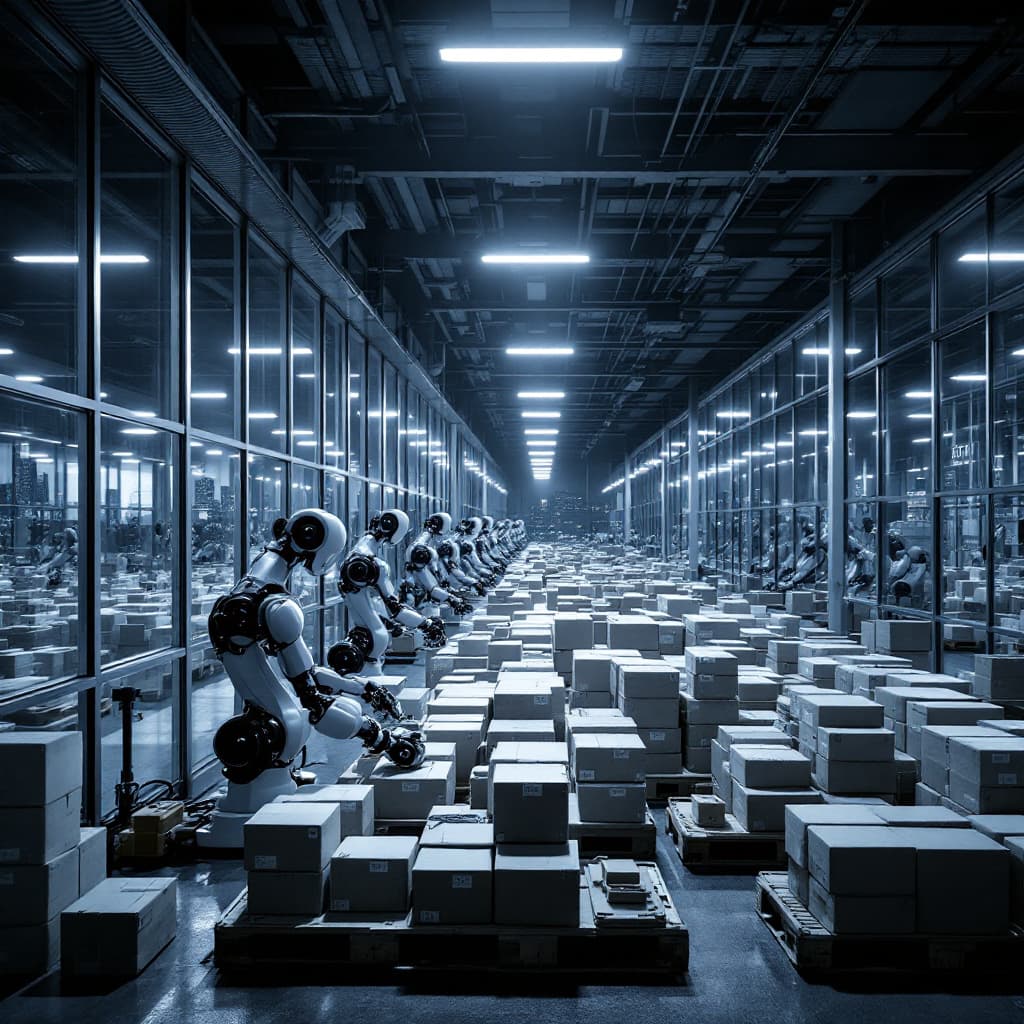
Warehouse Robotics: How It Works
Warehouse robotics is revolutionizing the logistics inWarehouse robotics is revolutionizing the logistics industry by automating various warehouse operations, including inventory management, order fulfillment, and transportation of goods. These robotic systems enhance efficiency, reduce labor costs, and minimize human errors. As businesses seek to optimize their supply chains, the adoption of robotics in warehousing continues to expand. Consequently, companies are focusing on integrating robotics to improve overall workflow. This article explores how warehouse robotics functions and the different types of robots used in modern warehouses.

The Impact of 5G on Logistics: What You Need to Know
The rise of 5G technology is transforming industries worldwide, and logistics is no exception. With faster data transmission, ultra-low latency, and enhanced connectivity, 5G is set to revolutionize supply chain management, transportation, and warehouse automation. As a result, businesses can expect greater efficiency and improved operations. This article explores how 5G is reshaping logistics, its key benefits, and what businesses need to know to stay ahead in a rapidly evolving landscape.