Отримати додаток


Автор
Джеймс Міллер спеціалізується на глобальній логістиці та динаміці ланцюгів поставок. Його дослідницька робота вивчає тонкощі міжнародної торгівлі, інфраструктурні виклики та технологічні досягнення, що формують сучасну комерцію. Він виступає за сталі практики та прозорість у ланцюгах поставок.

Love’s $700M 2026 expansion: 1,500 new truck parking spaces and expanded driver services
Love’s Travel Stops will add 1,500 truck parking spaces by the end of 2026 as part of a $700 million facility expansion and site update program, increasing its national designated truck parking capacity to more than 50,000 spaces.

AvSys provides piece-level tracking inside consolidated air cargo and supports automated customs flows, enabling stakeholders to reconcile order-level data with airwaybills and reduce misrouting during the middle mile.

The resumption of Ecocamionnage in December, production of electric trucks at Paccar's Sainte-Therese plant and the collapse of Lion Electric have together produced a mixed operational picture for Quebec fleets: some projects can restart, but the 15‑month program suspension and the impending end of federal incentives compress a narrow window for purchases and charger buildouts.

How DHL Hub Leipzig Built a People-First, Barrier-Free Air Network
DHL Hub Leipzig handles up to 400,000 shipments per night with a workforce exceeding 7,000 people, and about 380 colleagues with severe disabilities are integrated into frontline operational roles across sorting, load planning and ramp duties.

Battery-electric Class 8 tractors logged more than 200,000 km over 12 months in a Montreal-area commercial deployment, with daily routes typically between 150–200 km and measured energy use falling by over 60% compared to diesel equivalents.

DTNA has begun factory production of an Exterior Camera System that adds left-side, right-side and forward-facing views to the existing backup camera on Freightliner and Western Star vocational and medium-duty trucks, with in-cab touchscreen display and automatic activation tied to turn signals and reverse gear.
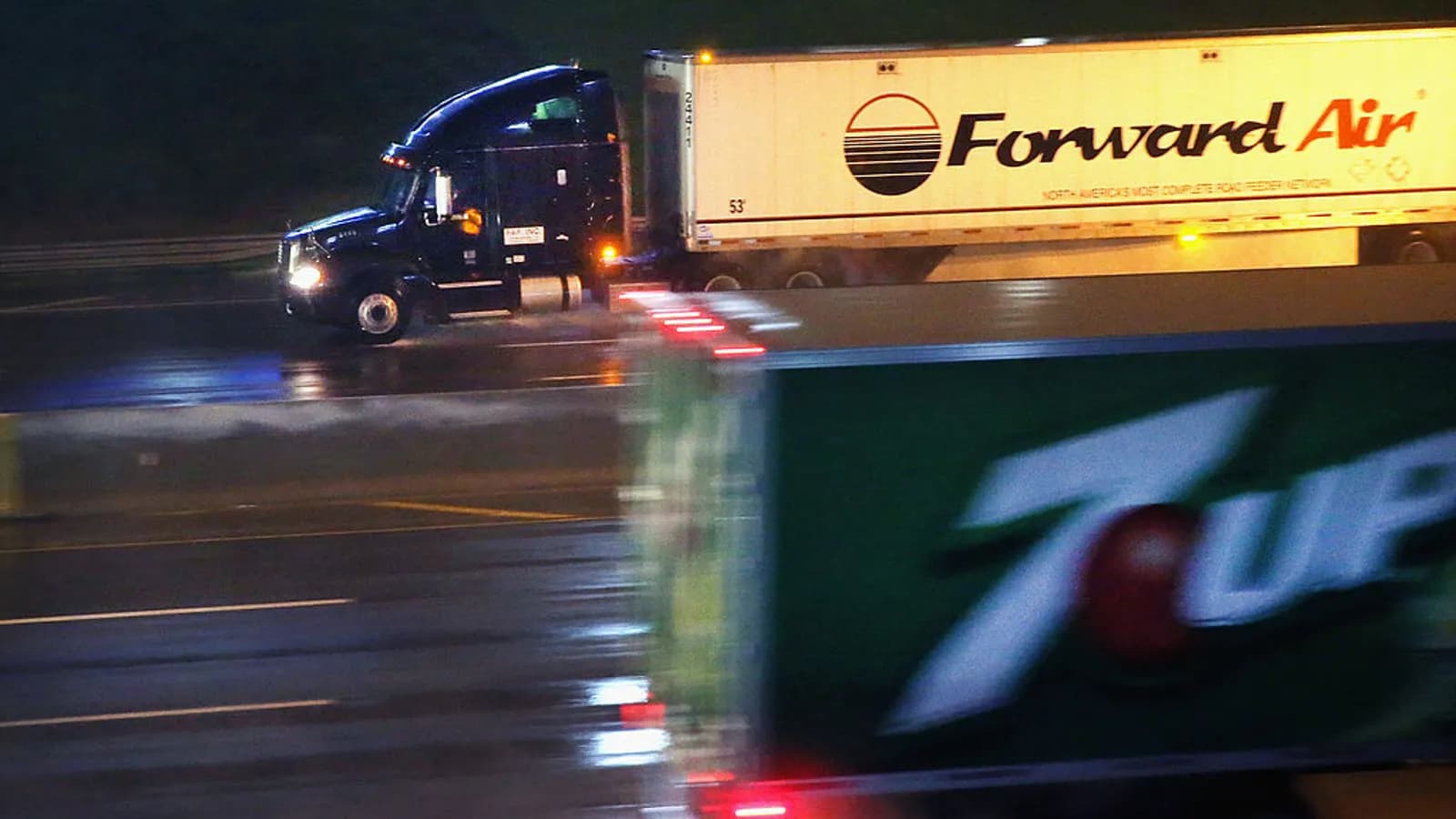
How Forward Air’s Omni integration shaped a $28.3M Q4 loss and what shippers should watch
Forward Air reported a Q4 net loss of $28.3 million, down from a $36.4 million loss a year earlier, as management cited weak freight market conditions and continued integration costs tied to the Omni Logistics acquisition.
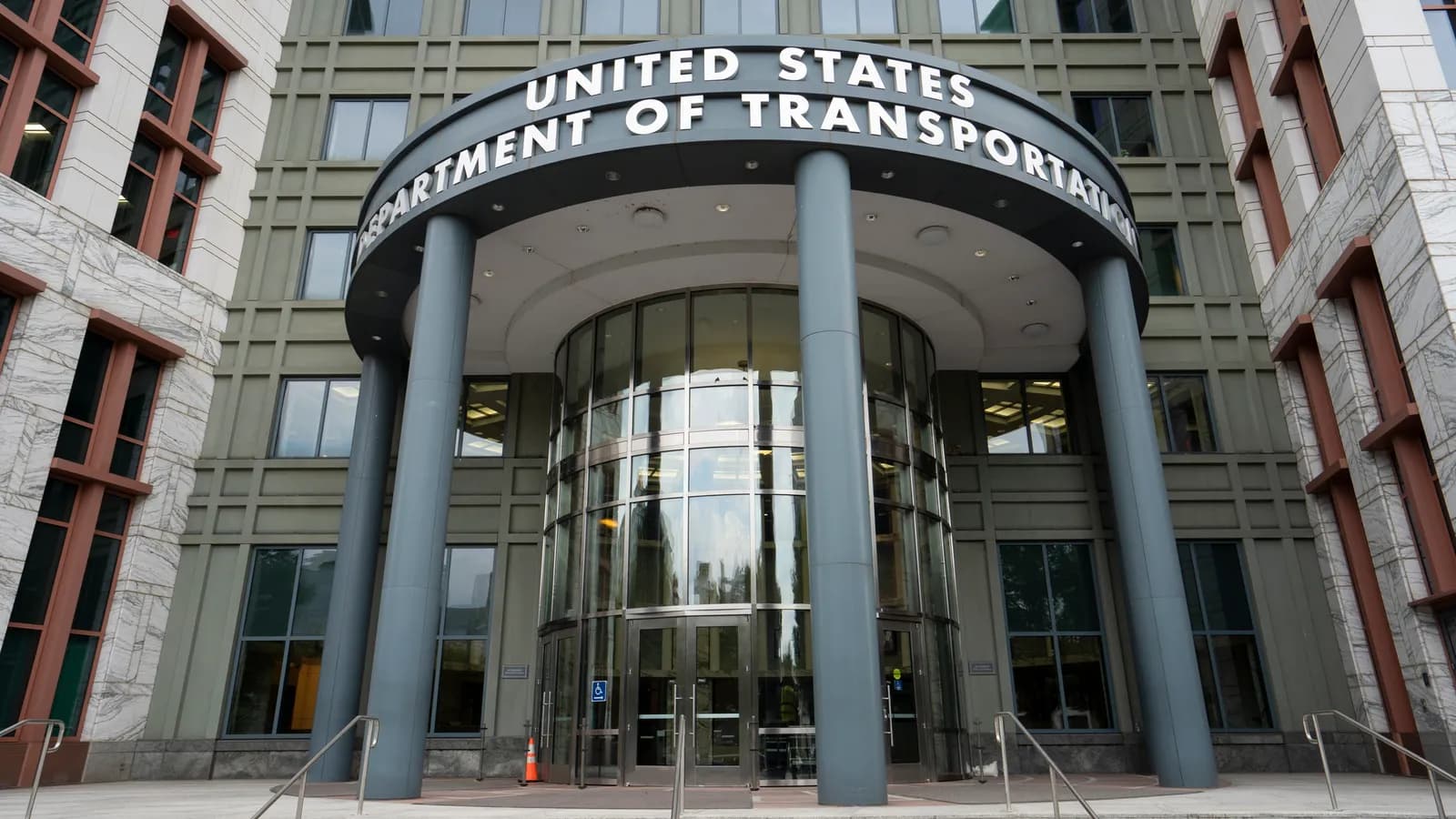
FMCSA moves to stop DOT-number switching, tighten carrier oversight and boost road safety
FMCSA announced three formal rulemakings and immediate enforcement changes to curb DOT-number switching by “chameleon carriers,” reinforcing requirements for a carrier’s principal place of business and physical records availability within 48 hours.
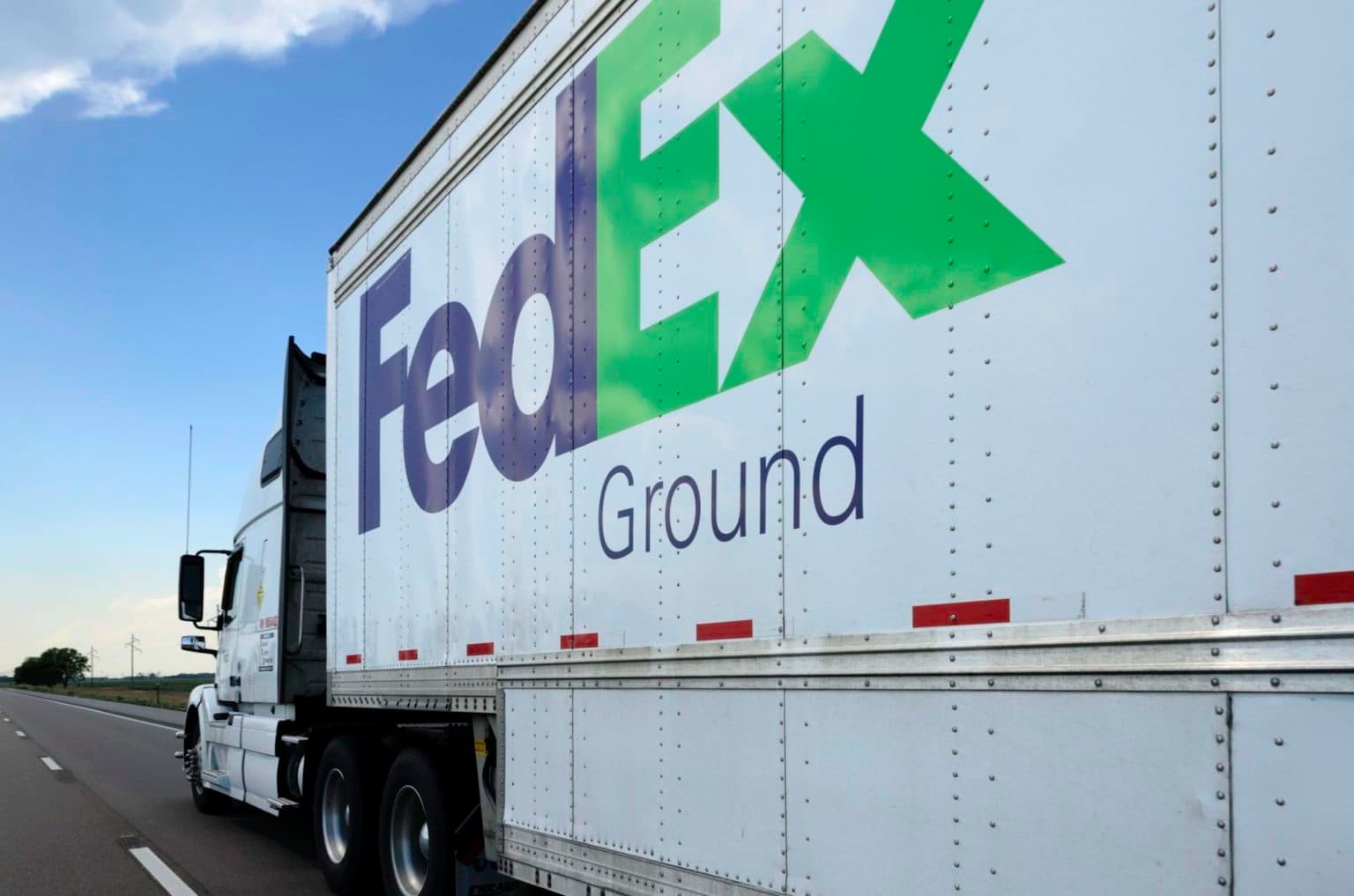
FedEx moves to recover tariffs paid under Trump-era measures after Supreme Court decision
FedEx filed suit in the U.S. Court of International Trade in New York seeking a full refund of duties paid under the Trump administration tariffs, challenging assessments tied to the International Emergency Economic Powers Act (IEEPA) and subsequent 15% global tariffs imposed under Section 122 of the Trade Act of 1974; that Section 122 duty is set to expire after 150 days unless Congress acts to extend it. What FedEx is asking the courts to do The company asserts its rights as an importer of record and has formally requested that U.S. Customs and Border Protection refund duties collected after the Supreme Court ruled the IEEPA-based tariffs unlawful. FedEx did not disclose a precise dollar
Fastfrate Group widens international reach by acquiring Omnitrans
Fastfrate Group will fold Omnitrans’ coverage of roughly 237 trade lanes and its direct operating presence in China into Fastfrate’s existing 46-location North American network, enabling end-to-end handling from origin pickup through customs brokerage to final delivery.

How Europe’s renewed industrial strength could change freight, ports and supply chains
With Europe still generating 14% of economic output from manufacturing and producing more than a quarter of the world’s science and technology graduates, regional freight patterns and modal demand are already starting to tilt toward increased inbound and intra‑EU shipments.
Why "Free" Shipping Sells More — and How It Shifts Cost into the Supply Chain
A $40 shirt plus a $10 shipping charge will often lose the sale, while the same shirt labeled as $50 with "free shipping" converts far better at checkout — a concrete behavioural fact retailers exploit to reduce cart abandonment and push more parcels into the last‑mile network.
