
Alexander Petrunin
Atribución de legado
Este archivo agrupa las etiquetas de autores históricos. La identidad y la autoría no han sido verificadas según nuestro proceso editorial actual.
Artículos

Asegurar un servidor Freight MCP: OAuth 2.1, envenenamiento de herramientas e instancias expuestas
Tercera parte de la serie MCP de carga: una vez que un agente puede reservar cargas reales, ¿cómo se evita que reserve lo incorrecto para la persona incorrecta? Un modelo de seguridad neutral en cuanto al proveedor, dividido entre lectura y escritura, OAuth 2.1 con PKCE para herramientas de escritura, los problemas de envenenamiento de herramientas e instancias expuestas, y qué debe hacer cumplir un servidor de mercado que un transportista individual puede omitir.

Nuevas normas aduaneras de la OAEU a partir de julio de 2026: Envío a Kazajistán, Rusia y la Unión
A partir del 1 de julio de 2026, la UEE otorga al comercio electrónico transfronterizo un régimen aduanero definido (decisiones del Consejo de la UEE): se mantiene el umbral de 200 euros por envío, pero por encima de este importe, un paquete llevará un arancel del 5% (mínimo 1 euro/kg) más el IVA según las normas nacionales, y el IVA de Kazajistán será ahora del 16%. Aquí está la lectura operativa: quién paga en la frontera, DDP frente a DAP, y por qué un almacén del lado de la unión se convierte en una ventaja.

Servidores MCP de Carga en 2026: Warp, CargoMART y lo que un servidor de Marketplace debe exponer
Un análisis comparativo de los servidores MCP de carga que realmente se enviaron en 2026 (Warp, CargoMART, freightutils, Easyship): superficies de herramientas, dónde se restringe la reserva, la trampa de validez de cotización, stdio frente a HTTP alojado y qué debe exponer un servidor de mercado multicarrier.

SABER y FASAH Explicados: Certificación de Importación Saudita Paso a Paso
Desde octubre de 2025, ningún envío podrá ser despachado por la aduana saudí sin un certificado SABER. Aquí te explicamos cómo funcionan juntos SABER y FASAH, la diferencia entre PCoC y SCoC, el proceso paso a paso, el cambio en el código HS para 2026 y las principales razones por las que se rechazan los certificados.
MCP en Logística: Cómo Conectar Agentes de IA a APIs de Carga
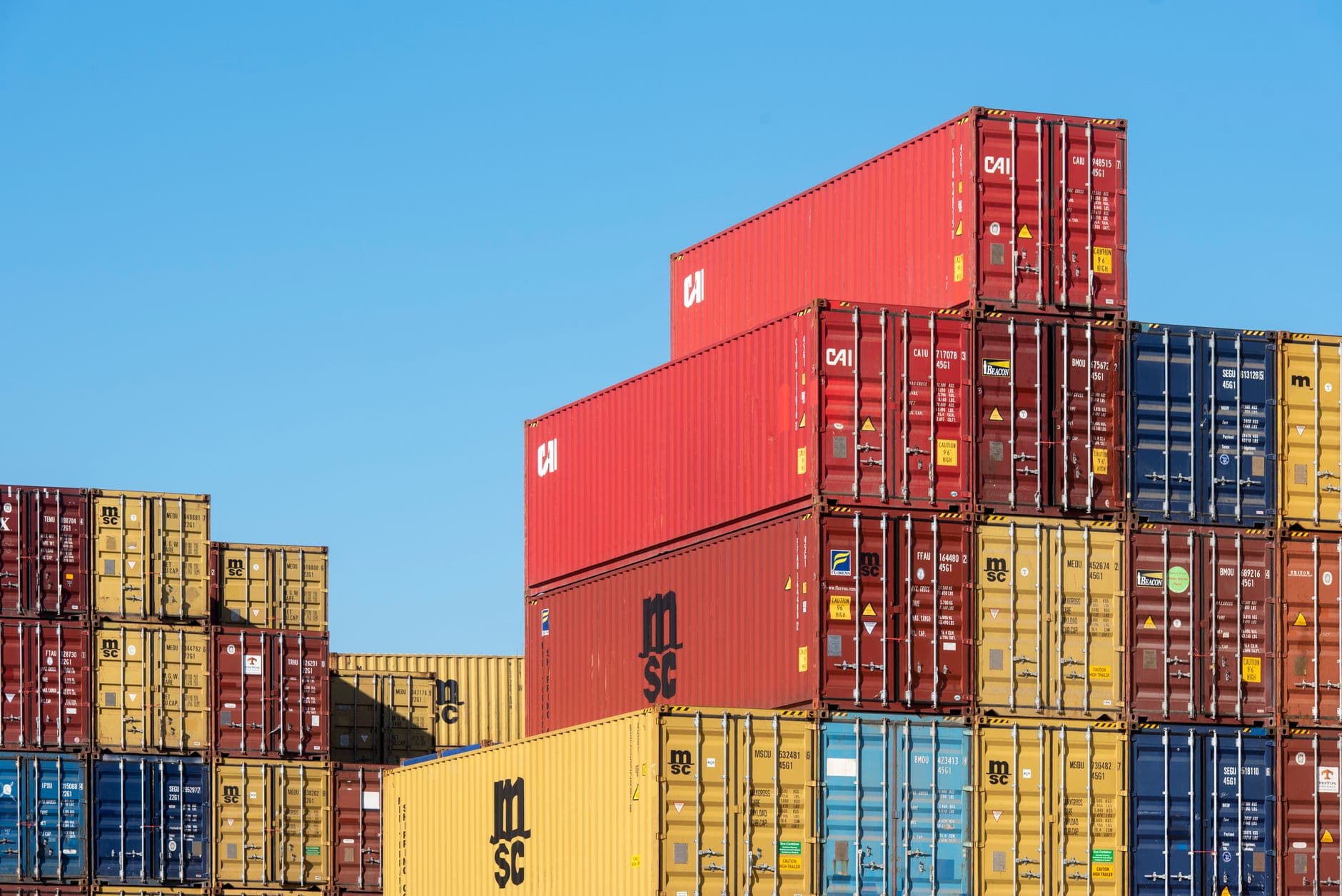
Un estándar abierto permite ahora que los agentes de IA coticen, reserven y rastreen carga a través de una única integración de API. Así es como funciona MCP, un ejemplo mínimo de servidor, quién lo ejecutará en 2026 y cómo mantenerlo seguro.

Portugal Freight Transport Trends and Logistics
Portugal’s freight transport sector is undergoing a transformation driven by globalization, e-commerce growth, and strategic investments in port infrastructure. The country’s Atlantic edge, access to the Iberian Corridor, and proximity to both European and African markets position it as a key node in multimodal supply chains. In recent years, ports such as Port of Lisbon , Port of Leixões , and Port of Sines have expanded capacity, diversified cargo profiles, and improved hinterland connections to support containerized, bulk, and Ro-Ro traffic. Shifts toward intermodal solutions are accelerating, aided by ongoing TEN-T corridor enhancements, improved rail-first shipping lanes, and

Next Gen Freight Platforms for European Carriers
Next-gen freight platforms are digital ecosystems that connect European carriers, shippers, and logistics services through unified workflows and real-time data sharing. By integrating transport modes, customs compliance, and payment flows, these platforms create a seamless operating picture across the continent's diverse supply chains. They enable dynamic capacity matching , end-to-end visibility , and data-driven decision making , reducing manual touchpoints and accelerating tender cycles across cross-border corridors. For European carriers, benefits include lower empty miles , access to cross-border loads, improved on-time performance, and new revenue streams from value-added services
 Ilustración editorial asistida por IA
Future European Freight Platforms for Carriers
European freight markets are transitioning to platform-based ecosystems that connect carriers, shippers, and logistics providers on a single digital interface. Fragmentation across borders, languages, and regulatory regimes creates friction; next-generation platforms aim to consolidate capacity, pricing, and compliance, delivering visibility and speed to carriers. These platforms will be built on open data standards and an API-first design, enabling seamless data exchange across modes, customs authorities, insurers, and payments. Real-time capacity matching, dynamic pricing , and multi-leg routing reduce empty miles and improve utilization. Interoperability across European borders remains

Future Freight Platforms for European Carriers
Future freight platforms are reshaping the European carrier landscape by connecting shippers, freight forwarders, and operators through unified digital marketplaces. They reduce empty miles, sharpen real-time visibility , and enable cross-border coordination across road, rail, sea, and air. These platforms converge legacy IT systems into interoperable ecosystems based on open APIs, standardized data models, and digital documentation. Interoperability and data standardization are the core enablers, reducing friction at borders and speeding up operational cycles. In the European regulatory context, platform design emphasizes transparency, compliance, and sustainability. Regulatory alignment

EU Carriers Marketplaces vs Traditional Brokers
The European freight market is shifting from traditional brokers to digital carrier marketplaces, platforms that directly connect shippers with a wide pool of carriers. These marketplaces optimize capacity along EU corridors, enable faster tendering, and standardize data flows, offering new options for both small and large shippers. Marketplace platforms deliver transparency , real-time capacity, dynamic pricing, and streamlined operations by aggregating quotes, tracking, and payments in a single interface. Shippers can compare routes, transit times, and service levels across multiple carriers, often with APIs that integrate to existing ERP or TMS systems. Traditional brokers still provide

EU Carrier Marketplaces vs Traditional Brokers
In the European freight market, carrier marketplaces bring shippers, carriers, and forwarders onto digital platforms that enable real-time capacity matching. Marketplaces deliver price transparency , rapid quotations, and standardized workflows, while traditional brokers rely on long-standing relationships, local knowledge, and bespoke risk management. Marketplaces scale by aggregating lanes across EU borders, enabling shippers to compare rates, transit times, and service levels in real time. Traditional brokers contribute lane expertise and customized solutions for complex shipments, including regulatory compliance, carrier vetting based on trust, and hands-on contingency planning for

Marketplaces vs Traditional Brokers for EU Carriers
EU Carriers Marketplaces are digital platforms that connect shippers with a network of carriers through real-time bidding, automated matching, and instant quotes, enabling a more fluid flow of capacity across the European Union. Unlike traditional brokers who manually source carriers and negotiate rates, marketplaces scale visibility and speed, reducing friction in cross-border shipments and enabling standardized workflows across multiple countries. These marketplaces improve price discovery and transparency by displaying carrier rates, transit times, and load histories in near-real time, allowing shippers to compare options without intermediaries. For carriers, the platforms offer access