
Alexander Petrunin
Attribution patrimoniale
Cette archive regroupe des notices d'auteurs historiques. L'identité et la paternité n'ont pas été vérifiées selon notre processus éditorial actuel.
Articles

Freight Transport in Brazil: Rio de Janeiro – Belo Horizonte Route
The Rio de Janeiro – Belo Horizonte freight corridor is a vital logistics link in southeastern Brazil, connecting the country’s second-largest city with Minas Gerais, a key hub for agriculture, mining, and manufacturing. This route plays an essential role in the transportation of steel, iron ore, agricultural products, and consumer goods. Due to the high volume of trade, logistics operations along this corridor depend on well-developed highways, rail networks, and air freight options.

Freight Transport in Brazil: Manaus – São Paulo Route
The Manaus – São Paulo freight corridor is one of Brazil’s most logistically complex routes, connecting the northern Amazon region with the country’s main industrial and economic hub. This route is essential for transporting raw materials, electronics, and consumer goods between the Free Economic Zone of Manaus and São Paulo’s extensive distribution networks. Due to its geographical challenges, logistics operations rely on a mix of road, river, and air transport to ensure efficient freight movement.

Freight Transportation in Brazil: São Paulo – Rio de Janeiro Corridor
The São Paulo – Rio de Janeiro corridor is one of Brazil’s most crucial freight transportation routes, connecting two of the largest metropolitan regions in the country. This corridor plays a key role in supporting Brazil’s economy by facilitating the movement of goods, raw materials, and manufactured products between industrial and commercial hubs. With a well-developed logistics infrastructure, including highways, railways, ports, and airports, this route ensures efficient and timely delivery of goods across various sectors.

Milan: Italy’s Commercial and Logistics Powerhouse
Milan, the financial and industrial capital of Italy, is one of the country’s most important logistics hubs. Located in northern Italy, it serves as a critical gateway for freight transport across Europe. The city boasts an advanced infrastructure that connects it to national and international trade routes. With its strong manufacturing base, Milan plays a central role in handling consumer goods, fashion, pharmaceuticals, and high-value shipments. The combination of road, rail, air, and multimodal logistics makes Milan a highly efficient center for freight movement.

How to Comply with International Logistics Regulations
International logistics is a complex system governed by numerous regulations that ensure the smooth transportation of goods across borders. Compliance with these international standards helps companies avoid delays, penalties, and legal issues while optimizing supply chain efficiency. This article explores key regulatory requirements and strategies for adhering to global logistics norms.

Barcelona – Madrid: Spain’s Most Important Freight Corridor
Route Overview The Barcelona-Madrid route is one of the busiest freight corridors in Spain, spanning approximately 625 km . This corridor connects the country’s two largest economic centers, facilitating the movement of goods between Madrid’s commercial hub and Barcelona’s industrial and maritime infrastructure. Main Types of Cargo Automotive Parts & Vehicles – Barcelona has a strong automotive manufacturing sector. Consumer Goods – Electronics, furniture, and clothing are frequently transported. Pharmaceuticals – Barcelona’s biotech and pharmaceutical industries drive a high volume of shipments. Industrial & Construction Materials – Machinery, metals, and building supplies move frequently.

Barcelona – Zaragoza: Connecting Catalonia and Aragon
The Barcelona – Zaragoza freight corridor is a crucial logistics connection between Catalonia’s industrial and commercial hub and Aragon’s growing manufacturing sector. This route facilitates domestic trade and serves as a key link for exports to Europe.

Freight Transport in Spain: Key Logistics Hubs and Trade Corridors
Spain has a highly developed freight transport network, making it a strategic trade gateway between Europe, Latin America, and North Africa. The country’s modern ports, highways, and rail infrastructure support domestic and international supply chains. This article explores Spain’s key logistics hubs, major freight corridors, and future trends in transportation.

Logistics in the Entertainment Industry: How to Organize Events
Event logistics is a crucial aspect of the entertainment industry, ensuring the smooth execution of concerts, festivals, film productions, and other large-scale events. From transporting equipment and coordinating staff to managing security and crowd control, efficient logistics planning determines the success of any entertainment project. This article explores the key challenges and best practices for organizing logistics in the entertainment sector.
 Illustration éditoriale assistée par IA
How to Choose the Optimal Route for International Delivery
Selecting the best route for international delivery is a critical factor in ensuring cost efficiency, timely arrivals, and smooth logistics operations. Various factors, including transit time, customs regulations, and transportation costs, must be considered. This article explores key strategies for determining the optimal delivery route while balancing efficiency, security, and cost-effectiveness.
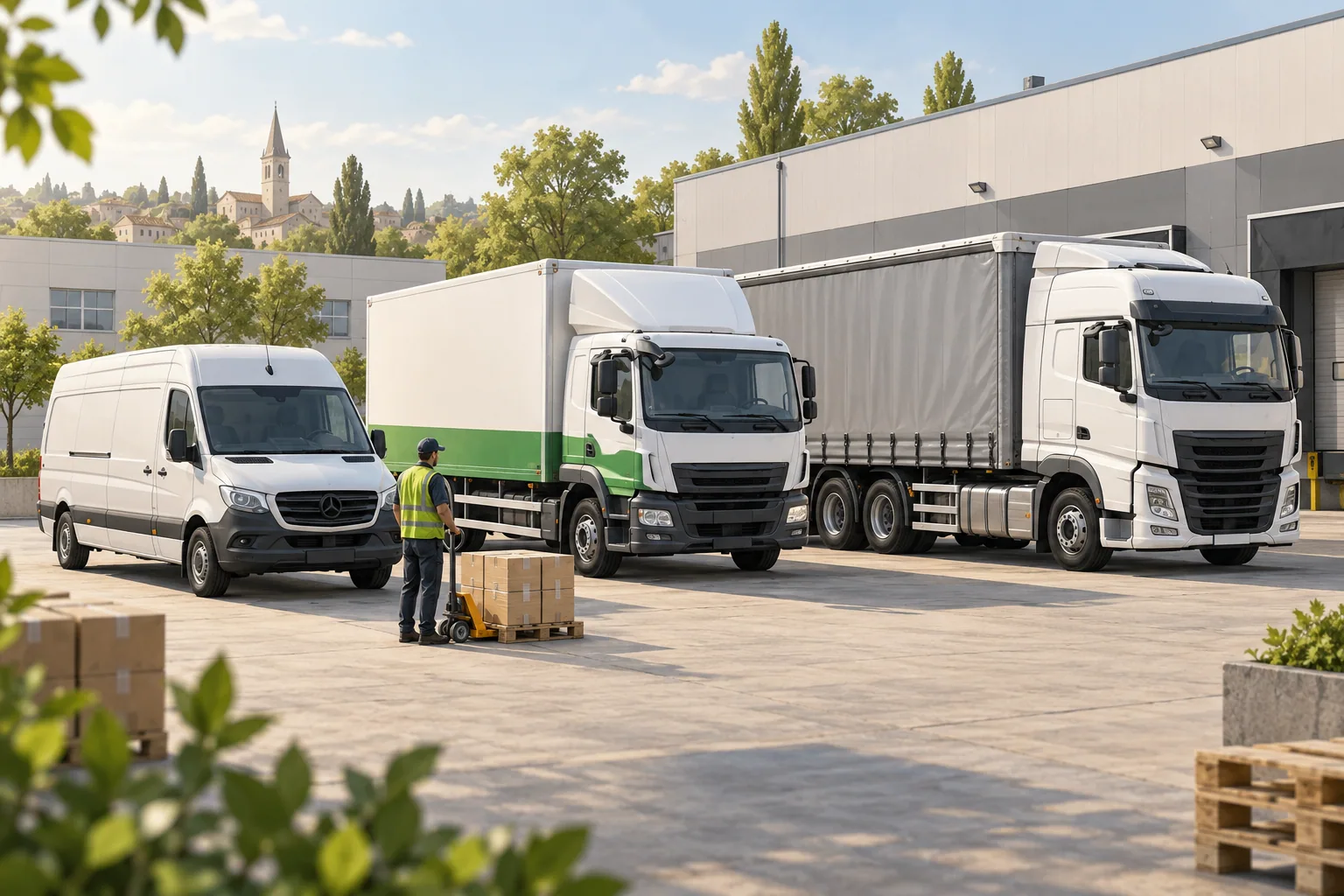 Illustration éditoriale assistée par IA
How to Manage Risks in International Logistics
International logistics presents various risks that can disrupt supply chains, increase costs, and impact business operations. From geopolitical instability to transportation delays, companies engaged in global trade must proactively identify and mitigate these risks. Effective risk management strategies enhance supply chain resilience and ensure smooth operations.
Illustration éditoriale assistée par IALogistics and Currency Risks: How to Protect Your Business
In international logistics, currency fluctuations can significantly impact the cost of transportation, supplier payments, and overall profitability. Businesses operating across multiple countries must navigate currency risks to ensure financial stability and maintain competitive pricing. This article explores key currency risks in logistics and effective strategies to mitigate them.