
Alexander Petrunin
Hagyatéki jóváírás
Ez az archívum történelmi szerzői jelzéseket csoportosít. Az identitást és a szerzőiséget jelenlegi szerkesztői folyamatunk keretében nem ellenőriztük.
Cikkek

Egységek teher MCP szerverének biztosítása: OAuth 2.1, eszköztmérgezés és közzétett példányok
A fuvarszervező MCP-sorozat harmadik része: ha egy ügynök képes valódi fuvart foglalni, hogyan akadályozzuk meg, hogy rossz dolgot foglaljon a rossz személynek? Olvasás és írás szerinti megosztású, gyártófüggetlen biztonsági modell, OAuth 2.1 PKCE-vel az íróeszközökhöz, az eszközmérgezés és a kitett példányok problémái, valamint mit kell a piactéri szervernek kikényszerítenie, amit egyetlen fuvarozó kihagyhat.

Új EAEU vámrendeletek 2026 júliusától: Szállítás Kazahsztánba, Oroszországba és az Unióba
2026. július 1-jétől az EAEU egy meghatározott vámeljárást vezet be a határon átnyúló e-kereskedelem számára (EBK Tanácsának határozatai): a csomagonkénti 200 eurós értékhatár továbbra is érvényes, de efölött 5%-os vám (legalább 1 euró/kg) plusz az ÁFA a nemzeti szabályok szerint, Kazahsztánban az ÁFA most 16%. Itt a működési olvasat: ki fizet a határon, DDP kontra DAP, és miért lesz előnyös egy uniós raktár.

Freight MCP szerverek 2026-ban: Warp, CargoMART és mit kell kínálnia egy Marketplace szervernek
A teherfuvarozási MCP szerverek szembesítéses lebontása, amelyek ténylegesen 2026-ban kerültek piacra (Warp, CargoMART, freightutils, Easyship): eszközfelületek, ahol a foglalás korlátozott, az árajánlat érvényességi csapdája, stdio vs. hostolt HTTP, és mit kell közzétennie egy több fuvarozót kiszolgáló piactéri szervernek.

SABER & FASAH magyarázata: Szaúdi importtanúsítvány lépésről lépésre
2025 októberétől kezdve egyetlen szállítmány sem lép át a szaúdi vámhatóságon SABER tanúsítvány nélkül. Íme, hogyan működik együtt a SABER és a FASAH, a PCoC és az SCoC közötti különbség, a lépésről lépésre történő folyamat, a 2026-os HS-kód változás, valamint a tanúsítványok elutasításának leggyakoribb okai.
MCP a logisztikában: Hogyan csatlakoztassunk AI-ügynököket teherszállítási API-khoz
Egy nyílt szabvány mostantól lehetővé teszi az MI ügynökök számára, hogy egyetlen API-integráción keresztül árajánlatot kérjenek, foglaljanak és kövessenek nyomon szállítmányokat. Íme, hogyan működik az MCP, egy minimális szerverpélda, ki futtatja 2026-ban, és hogyan lehet biztonságban tartani.
Portugal Freight Transport Trends and Logistics
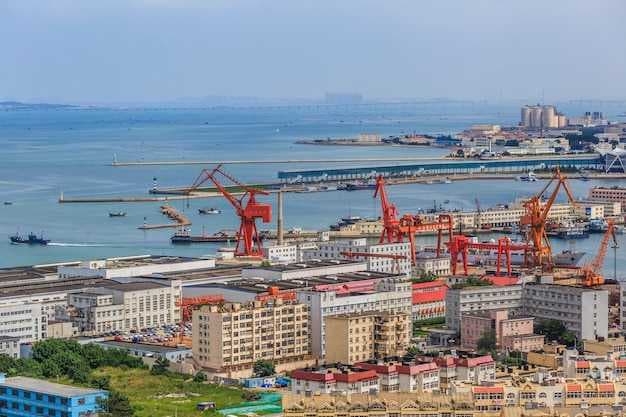
Portugal’s freight transport sector is undergoing a transformation driven by globalization, e-commerce growth, and strategic investments in port infrastructure. The country’s Atlantic edge, access to the Iberian Corridor, and proximity to both European and African markets position it as a key node in multimodal supply chains. In recent years, ports such as Port of Lisbon , Port of Leixões , and Port of Sines have expanded capacity, diversified cargo profiles, and improved hinterland connections to support containerized, bulk, and Ro-Ro traffic. Shifts toward intermodal solutions are accelerating, aided by ongoing TEN-T corridor enhancements, improved rail-first shipping lanes, and

Next Gen Freight Platforms for European Carriers
Next-gen freight platforms are digital ecosystems that connect European carriers, shippers, and logistics services through unified workflows and real-time data sharing. By integrating transport modes, customs compliance, and payment flows, these platforms create a seamless operating picture across the continent's diverse supply chains. They enable dynamic capacity matching , end-to-end visibility , and data-driven decision making , reducing manual touchpoints and accelerating tender cycles across cross-border corridors. For European carriers, benefits include lower empty miles , access to cross-border loads, improved on-time performance, and new revenue streams from value-added services
 AI-vezérelt szerkesztői illusztráció
Future European Freight Platforms for Carriers
European freight markets are transitioning to platform-based ecosystems that connect carriers, shippers, and logistics providers on a single digital interface. Fragmentation across borders, languages, and regulatory regimes creates friction; next-generation platforms aim to consolidate capacity, pricing, and compliance, delivering visibility and speed to carriers. These platforms will be built on open data standards and an API-first design, enabling seamless data exchange across modes, customs authorities, insurers, and payments. Real-time capacity matching, dynamic pricing , and multi-leg routing reduce empty miles and improve utilization. Interoperability across European borders remains

Future Freight Platforms for European Carriers
Future freight platforms are reshaping the European carrier landscape by connecting shippers, freight forwarders, and operators through unified digital marketplaces. They reduce empty miles, sharpen real-time visibility , and enable cross-border coordination across road, rail, sea, and air. These platforms converge legacy IT systems into interoperable ecosystems based on open APIs, standardized data models, and digital documentation. Interoperability and data standardization are the core enablers, reducing friction at borders and speeding up operational cycles. In the European regulatory context, platform design emphasizes transparency, compliance, and sustainability. Regulatory alignment

EU Carriers Marketplaces vs Traditional Brokers
The European freight market is shifting from traditional brokers to digital carrier marketplaces, platforms that directly connect shippers with a wide pool of carriers. These marketplaces optimize capacity along EU corridors, enable faster tendering, and standardize data flows, offering new options for both small and large shippers. Marketplace platforms deliver transparency , real-time capacity, dynamic pricing, and streamlined operations by aggregating quotes, tracking, and payments in a single interface. Shippers can compare routes, transit times, and service levels across multiple carriers, often with APIs that integrate to existing ERP or TMS systems. Traditional brokers still provide

EU Carrier Marketplaces vs Traditional Brokers
In the European freight market, carrier marketplaces bring shippers, carriers, and forwarders onto digital platforms that enable real-time capacity matching. Marketplaces deliver price transparency , rapid quotations, and standardized workflows, while traditional brokers rely on long-standing relationships, local knowledge, and bespoke risk management. Marketplaces scale by aggregating lanes across EU borders, enabling shippers to compare rates, transit times, and service levels in real time. Traditional brokers contribute lane expertise and customized solutions for complex shipments, including regulatory compliance, carrier vetting based on trust, and hands-on contingency planning for

Marketplaces vs Traditional Brokers for EU Carriers
EU Carriers Marketplaces are digital platforms that connect shippers with a network of carriers through real-time bidding, automated matching, and instant quotes, enabling a more fluid flow of capacity across the European Union. Unlike traditional brokers who manually source carriers and negotiate rates, marketplaces scale visibility and speed, reducing friction in cross-border shipments and enabling standardized workflows across multiple countries. These marketplaces improve price discovery and transparency by displaying carrier rates, transit times, and load histories in near-real time, allowing shippers to compare options without intermediaries. For carriers, the platforms offer access