
Alexander Petrunin
레거시 귀속
이 아카이브는 역사적인 저자 레이블을 그룹화합니다. 현재 편집 과정을 통해 신원과 저자임이 확인되지 않았습니다.
기사

프레이트 MCP 서버 보안: OAuth 2.1, 도구 오염 및 노출된 인스턴스
화물 MCP 시리즈의 세 번째 파트: 에이전트가 실제 화물을 예약할 수 있게 되었을 때, 잘못된 사람에게 잘못된 것을 예약하는 것을 어떻게 막을 수 있을까요? 읽기 대 쓰기의 벤더 중립적 보안 모델, 쓰기 도구에 대한 PKCE를 포함한 OAuth 2.1, 도구 오염 및 노출된 인스턴스 문제, 그리고 단일 운송업체는 건너뛸 수 있지만 마켓플레이스 서버는 강제해야 하는 것은 무엇인가요?

2026년 7월부터 적용되는 새로운 EAEU 관세 규정: 카자흐스탄, 러시아 및 연합으로의 배송
2026년 7월 1일부터 EAEU는 국경 간 전자상거래에 대한 정의된 통관 제도(EEC 위원회 결정)를 시행합니다. 배송 건당 200유로의 기준은 유지되지만, 그 이상은 관세 5%(최소 1유로/kg)와 함께 각 국가 규정에 따른 VAT가 부과될 예정이며, 카자흐스탄의 VAT는 현재 16%입니다. 운영상 고려사항은 다음과 같습니다. 국경에서 누가 세금을 납부하는가, DDP 대 DAP, 그리고 왜 연합 측 창고가 유리한지가 중요해집니다.

2026년: 화물 MCP 서버 - 워프, 카고마트 및 마켓플레이스 서버가 제공해야 할 것
2026년에 실제로 출시된 화물 MCP 서버(Warp, CargoMART, freightutils, Easyship)의 병렬 분해: 도구 표면, 예약이 제한되는 곳, 견적 유효 기간 함정, stdio 대 호스팅 HTTP, 멀티 캐리어 마켓플레이스 서버가 노출해야 하는 것.

SABER & FASAH 설명: 사우디아라비아 수입 인증 단계별 안내
2025년 10월부터 SABER 인증서 없이는 사우디 세관에서 어떠한 선적도 통관되지 않습니다. SABER와 FASAH의 연동 방식, PCoC와 SCoC의 차이점, 단계별 절차, 2026년 HS 코드 변경, 그리고 인증서가 거부되는 주요 사유를 설명해 드립니다.
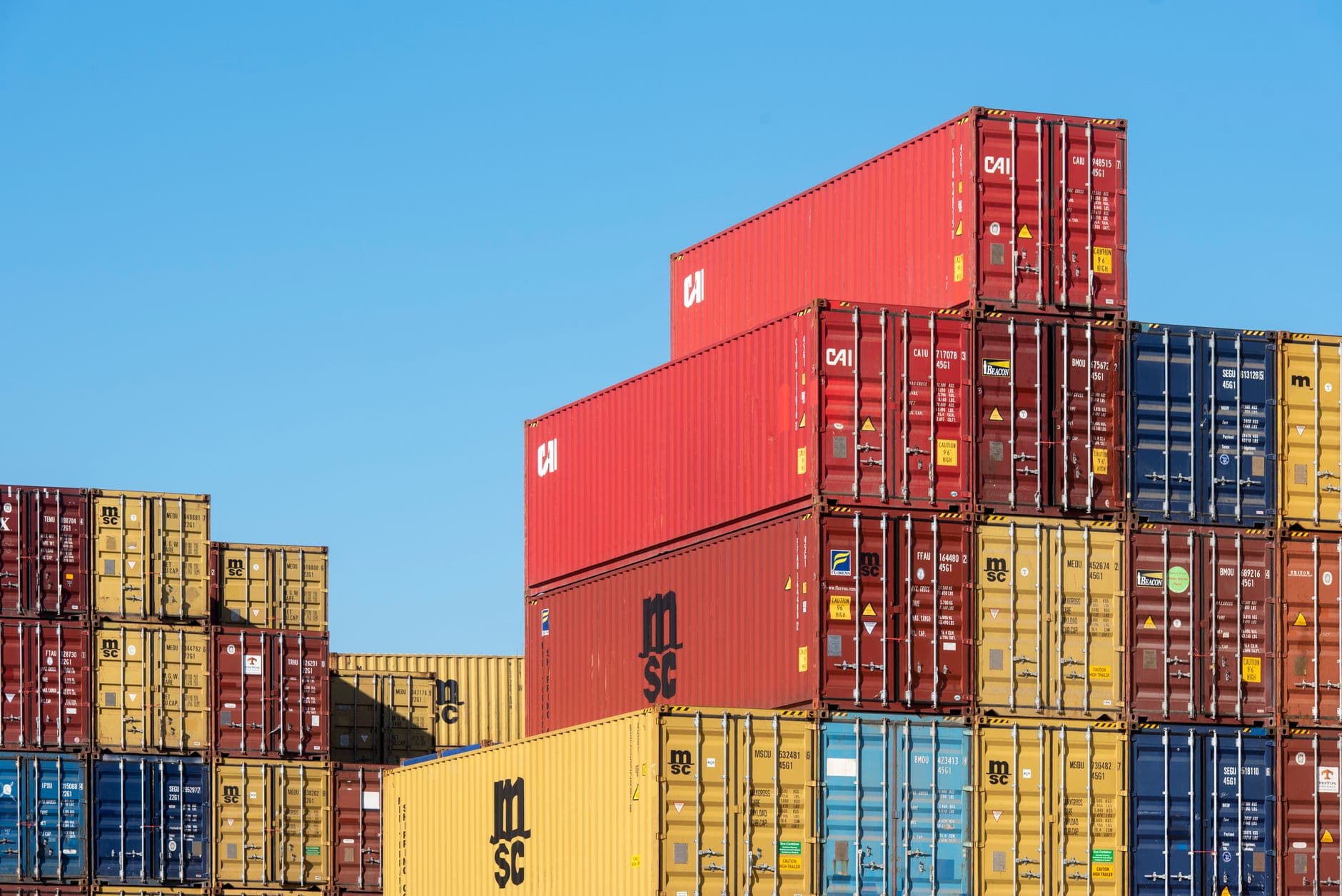
물류 MCP: AI 에이전트를 운송 API에 연결하는 방법
이제 오픈 표준을 통해 AI 에이전트가 단일 API 통합으로 화물을 예약, 주문 및 추적할 수 있습니다. MCP가 작동하는 방식, 최소 서버 예제, 2026년에 누가 이를 실행할 것인지, 그리고 이를 안전하게 유지하는 방법에 대해 알아보겠습니다.
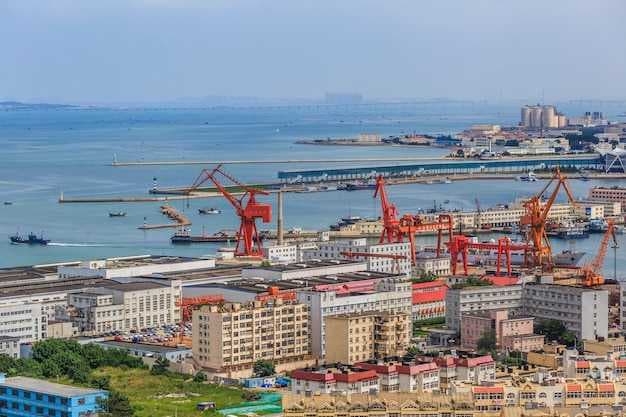
Portugal Freight Transport Trends and Logistics
Portugal’s freight transport sector is undergoing a transformation driven by globalization, e-commerce growth, and strategic investments in port infrastructure. The country’s Atlantic edge, access to the Iberian Corridor, and proximity to both European and African markets position it as a key node in multimodal supply chains. In recent years, ports such as Port of Lisbon , Port of Leixões , and Port of Sines have expanded capacity, diversified cargo profiles, and improved hinterland connections to support containerized, bulk, and Ro-Ro traffic. Shifts toward intermodal solutions are accelerating, aided by ongoing TEN-T corridor enhancements, improved rail-first shipping lanes, and

Next Gen Freight Platforms for European Carriers
Next-gen freight platforms are digital ecosystems that connect European carriers, shippers, and logistics services through unified workflows and real-time data sharing. By integrating transport modes, customs compliance, and payment flows, these platforms create a seamless operating picture across the continent's diverse supply chains. They enable dynamic capacity matching , end-to-end visibility , and data-driven decision making , reducing manual touchpoints and accelerating tender cycles across cross-border corridors. For European carriers, benefits include lower empty miles , access to cross-border loads, improved on-time performance, and new revenue streams from value-added services
 AI 기반 편집 일러스트레이션
Future European Freight Platforms for Carriers
European freight markets are transitioning to platform-based ecosystems that connect carriers, shippers, and logistics providers on a single digital interface. Fragmentation across borders, languages, and regulatory regimes creates friction; next-generation platforms aim to consolidate capacity, pricing, and compliance, delivering visibility and speed to carriers. These platforms will be built on open data standards and an API-first design, enabling seamless data exchange across modes, customs authorities, insurers, and payments. Real-time capacity matching, dynamic pricing , and multi-leg routing reduce empty miles and improve utilization. Interoperability across European borders remains

Future Freight Platforms for European Carriers
Future freight platforms are reshaping the European carrier landscape by connecting shippers, freight forwarders, and operators through unified digital marketplaces. They reduce empty miles, sharpen real-time visibility , and enable cross-border coordination across road, rail, sea, and air. These platforms converge legacy IT systems into interoperable ecosystems based on open APIs, standardized data models, and digital documentation. Interoperability and data standardization are the core enablers, reducing friction at borders and speeding up operational cycles. In the European regulatory context, platform design emphasizes transparency, compliance, and sustainability. Regulatory alignment

EU Carriers Marketplaces vs Traditional Brokers
The European freight market is shifting from traditional brokers to digital carrier marketplaces, platforms that directly connect shippers with a wide pool of carriers. These marketplaces optimize capacity along EU corridors, enable faster tendering, and standardize data flows, offering new options for both small and large shippers. Marketplace platforms deliver transparency , real-time capacity, dynamic pricing, and streamlined operations by aggregating quotes, tracking, and payments in a single interface. Shippers can compare routes, transit times, and service levels across multiple carriers, often with APIs that integrate to existing ERP or TMS systems. Traditional brokers still provide

EU Carrier Marketplaces vs Traditional Brokers
In the European freight market, carrier marketplaces bring shippers, carriers, and forwarders onto digital platforms that enable real-time capacity matching. Marketplaces deliver price transparency , rapid quotations, and standardized workflows, while traditional brokers rely on long-standing relationships, local knowledge, and bespoke risk management. Marketplaces scale by aggregating lanes across EU borders, enabling shippers to compare rates, transit times, and service levels in real time. Traditional brokers contribute lane expertise and customized solutions for complex shipments, including regulatory compliance, carrier vetting based on trust, and hands-on contingency planning for

Marketplaces vs Traditional Brokers for EU Carriers
EU Carriers Marketplaces are digital platforms that connect shippers with a network of carriers through real-time bidding, automated matching, and instant quotes, enabling a more fluid flow of capacity across the European Union. Unlike traditional brokers who manually source carriers and negotiate rates, marketplaces scale visibility and speed, reducing friction in cross-border shipments and enabling standardized workflows across multiple countries. These marketplaces improve price discovery and transparency by displaying carrier rates, transit times, and load histories in near-real time, allowing shippers to compare options without intermediaries. For carriers, the platforms offer access