
Alexander Petrunin
레거시 귀속
이 아카이브는 역사적인 저자 레이블을 그룹화합니다. 현재 편집 과정을 통해 신원과 저자임이 확인되지 않았습니다.
기사

Temperature-Controlled Shipping: The Key to Preserving Cargo Quality
In today’s world, logistics plays a vital role in ensuring the continuity of supply chains. Temperature-controlled transportation holds a special place as it ensures the quality and safety of goods that require strict temperature regulation. Such transportation is widely used across various industries, including pharmaceuticals, the food industry, and clinical research.

"Lisbon – Stockholm" Route: Overview of Opportunities and Features
The route between Lisbon (Portugal) and Stockholm (Sweden) spans approximately 3,100 kilometers and typically takes 30–32 hours of driving time by road. This strategic corridor connects southwestern Europe to the heart of Scandinavia, fostering trade and strengthening economic ties between the regions. Below, we delve into the key aspects, challenges, and advantages of this essential freight route.

"Porto – Budapest" Route: Overview of Opportunities and Features
The "Porto – Budapest" route is a vital link connecting western Europe with central Europe, enabling efficient trade and logistics operations. By leveraging advanced infrastructure, sustainable practices, and multimodal transport solutions, businesses can optimize supply chains and capitalize on the opportunities provided by this essential corridor.

"Lisbon – Antwerp" Route: Overview of Opportunities and Features
The route between Lisbon (Portugal) and Antwerp (Belgium) covers approximately 2,000 kilometers, with an average transit time of 20–22 hours by road. This critical corridor connects the southwestern edge of Europe to one of its major maritime and logistics hubs. Below, we examine the economic impact, infrastructure, cargo types, and challenges associated with this route.

Freight Transportation on the "Porto – Warsaw" Route: Overview
The route between Porto (Portugal) and Warsaw (Poland) spans approximately 2,800 kilometers and typically takes 28–30 hours of driving time by road. This vital corridor connects western Europe with central and eastern Europe, facilitating the efficient movement of goods and strengthening trade links between the regions. This article explores the opportunities, challenges, and essential features of freight transportation along this route.
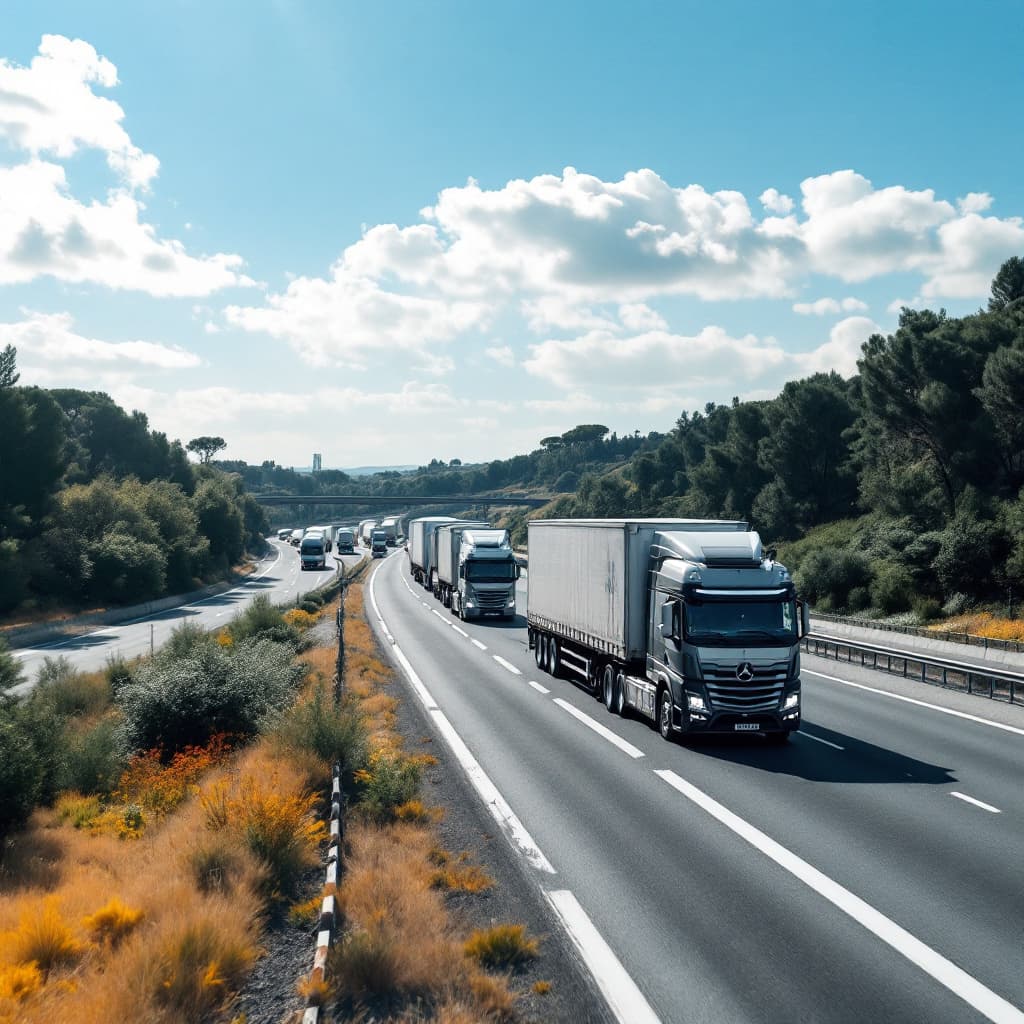
Freight Transportation on the "Lisbon – Rome" Route
The route between Lisbon (Portugal) and Rome (Italy) spans approximately 2,100 kilometers and typically takes 21–23 hours of driving time by road. This key corridor links southwestern Europe with the heart of Italy, fostering trade and economic collaboration between the two regions. This article explores the opportunities, challenges, and critical aspects of freight transportation along this route.

The "Porto – Geneva" route is a vital logistics link connecting southern and central Europe. By leveraging advanced infrastructure, sustainable practices, and reliable partnerships, businesses can optimize supply chains and capitalize on the opportunities provided by this essential corridor.

"Lisbon – Amsterdam" Route: Overview of Opportunities and Features
The route between Lisbon (Portugal) and Amsterdam (Netherlands) spans approximately 2,200 kilometers and typically takes 22–24 hours of driving time by road. This strategic corridor connects Portugal’s capital with one of Europe’s major logistics and trade hubs, enabling the efficient movement of goods across multiple countries. This article explores the key aspects, challenges, and advantages of freight transportation along this route.

Freight Transportation on the "Coimbra – Brussels" Route
The "Coimbra – Brussels" route is a vital logistics corridor that connects southern and northern Europe. By leveraging advanced infrastructure, sustainable practices, and reliable partnerships, businesses can enhance their supply chains and capitalize on the opportunities provided by this essential trade link.

"Faro – Madrid" Route: Overview of Opportunities and Features
The route between Faro (Portugal) and Madrid (Spain) spans approximately 650 kilometers and typically takes 6–8 hours of driving time by road. This corridor serves as a vital connection between the Algarve region of Portugal and the Spanish capital, facilitating efficient transportation of goods across the Iberian Peninsula.

The route between Lisbon (Portugal) and London (United Kingdom) spans approximately 2,200 kilometers and typically takes 22–24 hours of driving time, including ferry crossings. This vital corridor connects southwestern Europe with one of the world’s most significant financial and trading hubs, enabling the efficient movement of goods. This article explores the opportunities, challenges, and key features of freight transportation along this route.

"Porto – Hamburg" Route: Overview of Opportunities and Features
The "Porto – Hamburg" route serves as a vital logistics link connecting southwestern and northern Europe. By leveraging advanced infrastructure, multimodal solutions, and sustainable practices, businesses can optimize their supply chains and strengthen their position in the European market.