Autor
James Miller este specializat în logistică globală și dinamica lanțului de aprovizionare. Munca sa de investigație explorează complexitățile comerțului internațional, provocările legate de infrastructură și progresele tehnologice care modelează comerțul modern. El pledează pentru practici durabile și transparență în operațiunile lanțului de aprovizionare.

How Echo Global Logistics’ bottom-up AI approach is reshaping workflows and logistics performance
Echo Global Logistics reported productivity improvements of as much as 70% when teams redesigned tasks rather than simply automating legacy processes.

DOL’s 64,716 H-2B Supplemental Visas: Opportunity for Seasonal Transport and Remaining Roadblocks
The Department of Labor’s temporary rule releases 64,716 supplemental H-2B visas allocated in three tranches and explicitly lists transportation among the critical sectors that may draw relief.

Hexagon Agility Secures $12M CNG Fueling System Order from Top Mexican Fleet
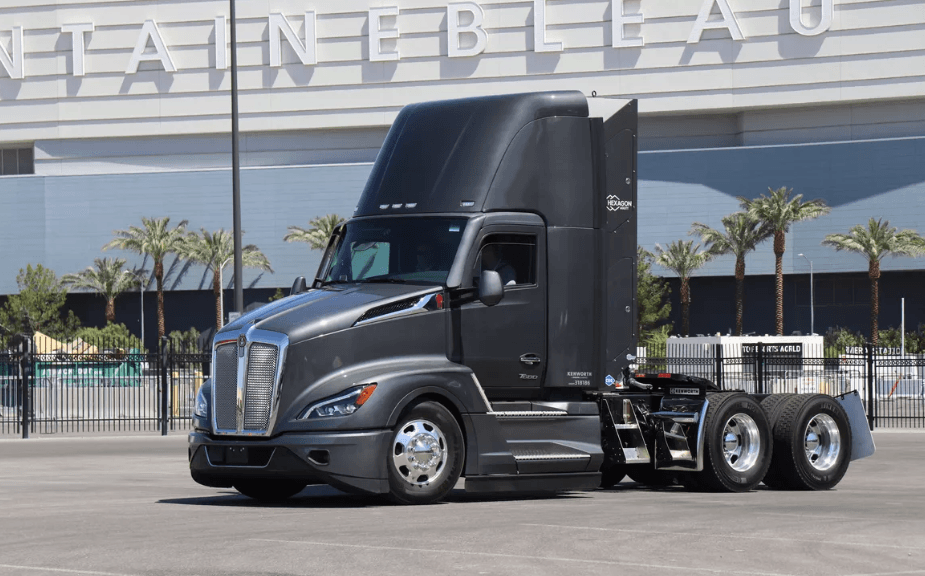
Hexagon Agility has received a $12-million order for compressed natural gas (CNG) fueling systems from a leading Mexican fleet that piloted heavy-duty natural gas trucks over the past year.

Veho’s FlexSave lets merchants trade guaranteed delivery days for lower-cost windows using MaestroAI
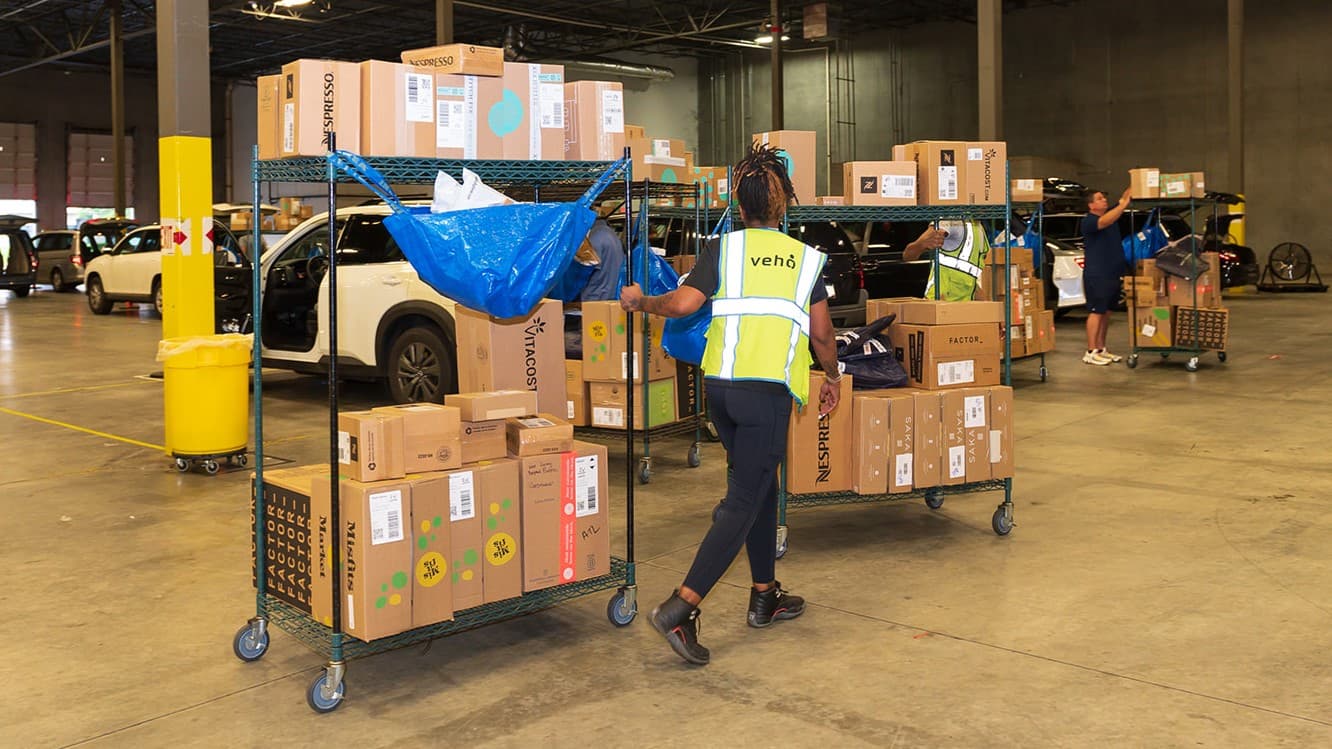
Veho is introducing FlexSave, an AI-enabled delivery option that deliberately relaxes day-definite promises in order to lower last‑mile costs for price-sensitive e‑commerce brands.

How IKEA's eActros rollout reshapes container transport between Genoa, La Spezia and Piacenza
Since October, two Mercedes‑Benz eActros 600 battery electric vehicles (BEVs) have been assigned to scheduled container rotations linking the ports of Genoa and La Speiea with IKEA’s distribution hub in Piacenza and retail outlets across northern Italy.

How AI training for workers could transform US supply chains, warehouses and GDP
Pearson’s analysis projects that augmenting jobs with AI and targeted upskilling could add between $4.8 trillion and $6.6 trillion to U.S.

Total machine tool orders in December 2025 reached 158.64 billion yen, a 15.8% month-on-month rise from November’s 137.01 billion yen and a 10.9% year-on-year increase from December 2024’s 143.09 billion yen, according to the Japan Machine Tool Builders’ Association (JMTBA).

Practical steps to prevent wheel separations on trucks and trailers
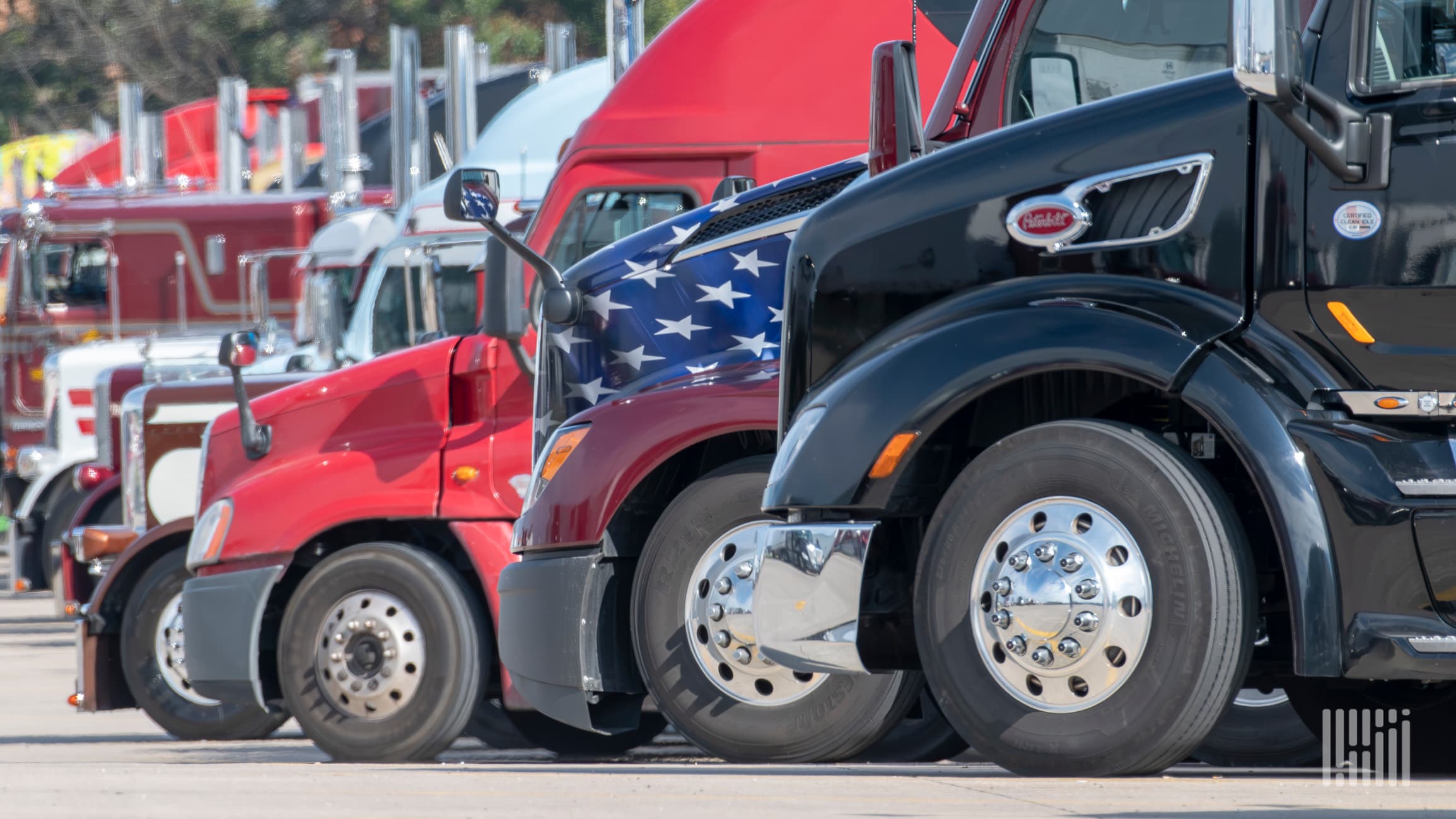
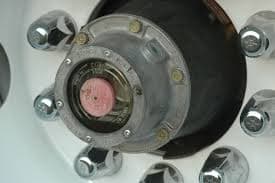
Wheel separations on tractor-trailers typically start with visible signs such as oil streaks on inner tire sidewalls or hubs running hotter than normal; a strict routine of retorquing wheels 10–100 miles after any hub service and documenting inspections with photos cuts the majority of risk.

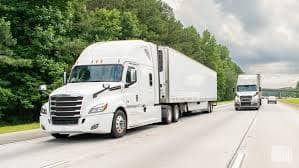
Logistics Managers’ Index recorded transportation capacity at 47.1 in January, signaling a continued contraction in available truckload supply even as the rate of drawdown slowed from December’s steep decline.

Port and border-driven development reshapes Texas logistics landscape
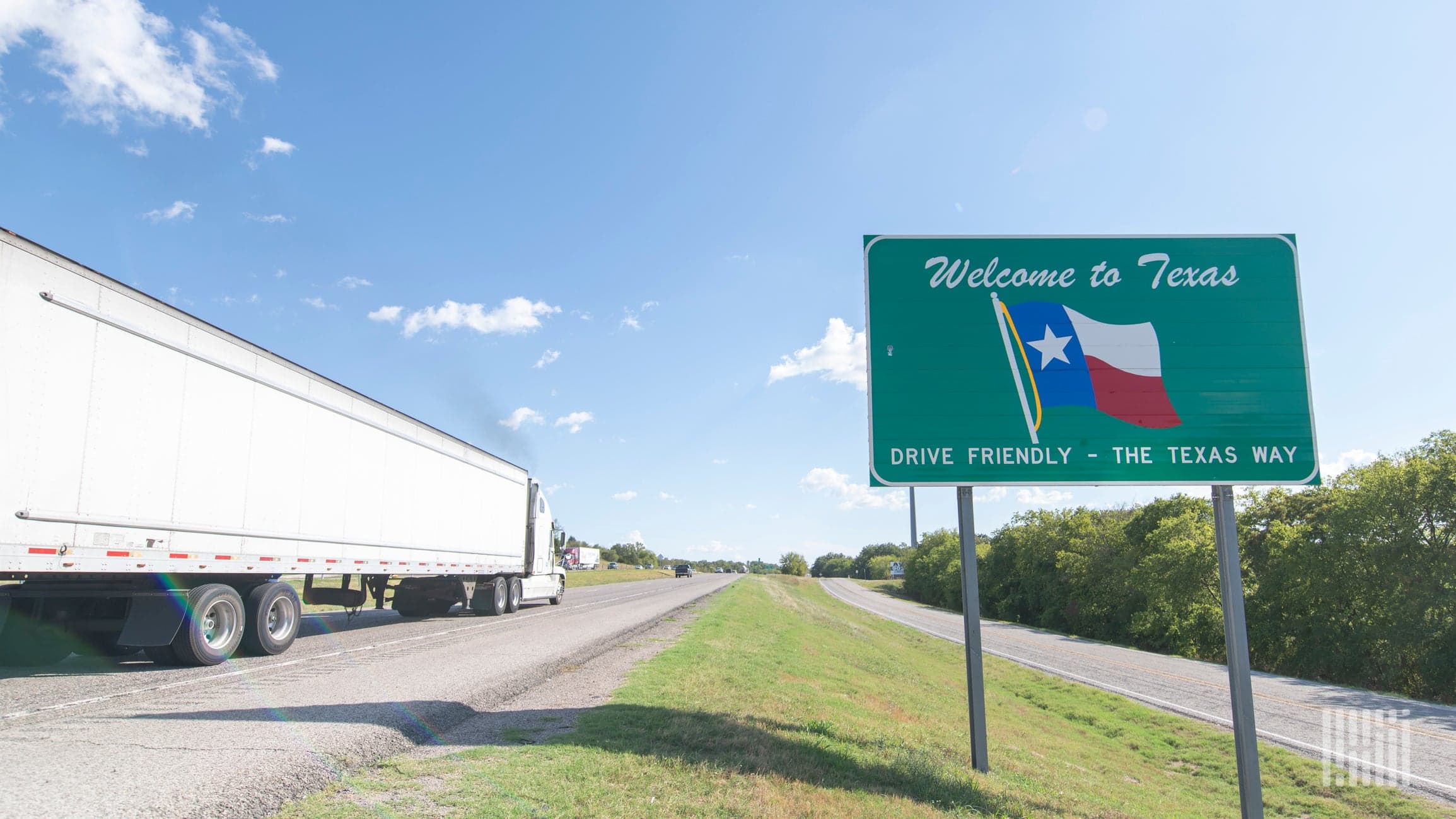
Since late January, land transactions and groundbreakings in Texas have concentrated within port-adjacent corridors, Interstate 35 development zones and border crossings—most notably the Roma–Ciudad Miguel Alemán corridor—signaling a targeted build-out of warehousing, cold storage and distribution capacity tied to cross-border trade and Gulf Coast import flows.

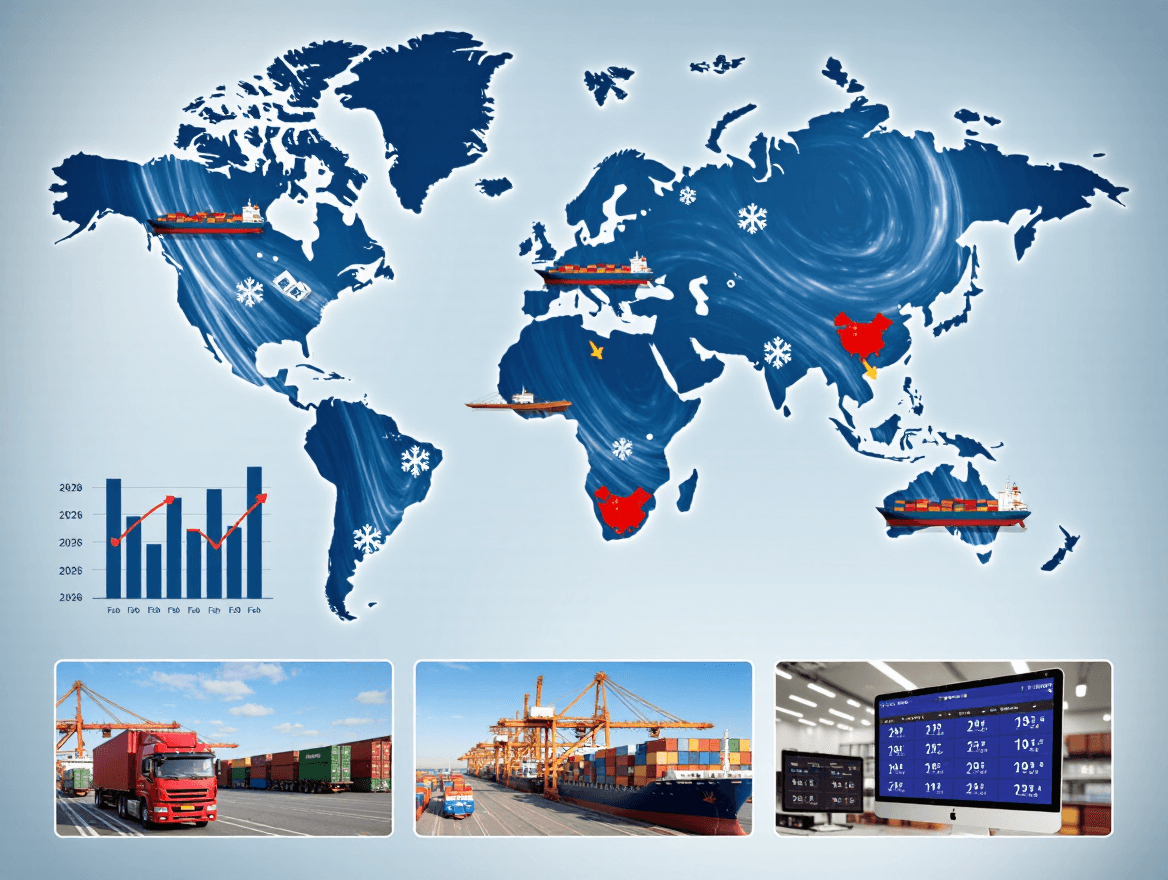
Winter storms forced temporary closures and slowed vessel transits across the North Atlantic and West Mediterranean, creating multi-day delays and raising congestion risk at several Northern Europe container terminals while US Southeast and southern Midwest road networks continued recovery operations.

How agentic TMS and live planning keep routes stable when tariffs, capacity and weather change
Routes that once ran to a predictable weekly beat are now interrupted mid-cycle by sudden tariff moves, carrier capacity shifts and localized weather or labour events, forcing rapid reallocation of loads and on-the-fly ETA recalculations.