


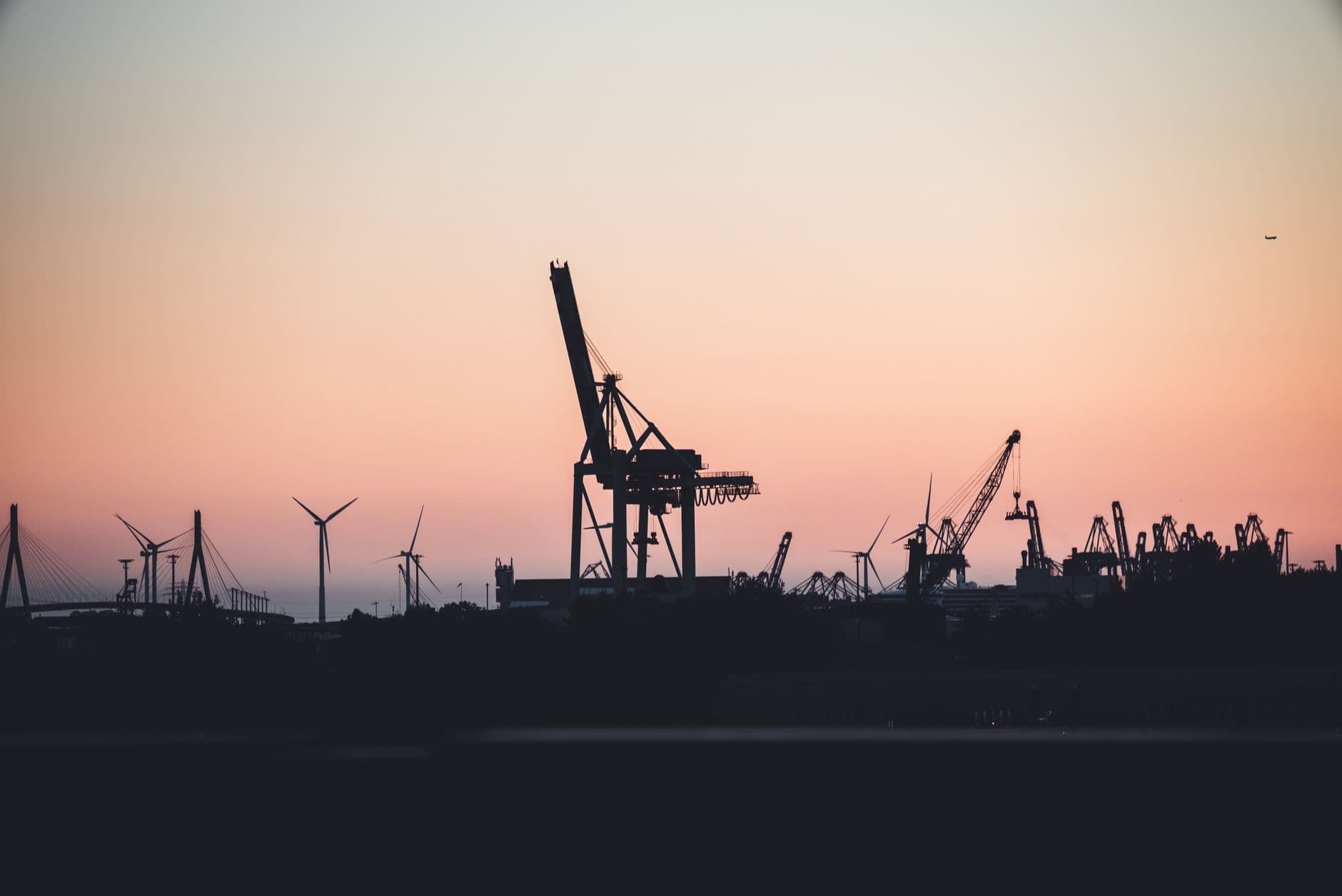

Jebel Ali is the largest port in the Middle East: 15.6 million TEU in 2025, ninth in the world. Saudi Arabia's ports handled 8,317,235 TEU across the whole network, and AD Ports moved 7.7 million. Those are the volumes. In 2026 a second column matters just as much, and no ranking publishes it: which side of the Strait of Hormuz each port sits on.
That column stopped being theoretical on 28 February 2026, when strikes tipped the region into open conflict. A truce followed on 17 June. Maersk, MSC, Hapag-Lloyd and CMA CGM are still holding indefinite suspensions, and the United Nations has flagged roughly 500 vessels with around 6,000 seafarers caught inside the Gulf. A 15.6 million TEU port with a contested approach channel and a 1.1 million TEU port on open water are not competing on throughput any more.
The biggest Middle East ports, ranked by volume and by exposure
| # | Port | Country | Volume | Hormuz transit needed |
|---|---|---|---|---|
| 1 | Jebel Ali | UAE | 15.6 m TEU (2025) | Yes |
| 2 | Khalifa Port | UAE | Most of AD Ports' 7.7 m TEU | Yes |
| 3 | Jeddah Islamic Port | Saudi Arabia | Largest share of 8.32 m TEU national total | No, Red Sea |
| 4 | Salalah | Oman | 2.03 m TEU in H1 2025, up 21% | No, Arabian Sea |
| 5 | King Abdullah Port | Saudi Arabia | Red Sea transshipment hub | No, Red Sea |
| 6 | Hamad Port | Qatar | 1.46 m TEU national total (2025) | Yes |
| 7 | King Abdulaziz Port, Dammam | Saudi Arabia | Kingdom's main Gulf gateway | Yes |
| 8 | Sohar | Oman | About 943,000 TEU (2024) | No, Gulf of Oman |
| 9 | Fujairah and Khor Fakkan | UAE | Bunkering and relay volumes | No, Gulf of Oman |
Read the last column first if you are booking in the second half of 2026. Everything inside the Gulf, including the region's two biggest box ports, depends on a passage that four of the world's largest carriers currently decline to use on a scheduled basis.
Is the strait open? Three answers, all current
This is where a shipper has to hold contradictory facts at once, because the official picture and the operational picture do not match. US Central Command states that the southern route through the strait remains free and open to all commercial vessels and reports having assisted more than 1,000 ships through safely. Iran says it is in final-stage talks with Oman over designating a temporary safe corridor, and frames the status of the water as dependent on American conduct until a permanent arrangement exists. Kpler tracking, meanwhile, counted six vessels through the strait in a recent 24 hour period.
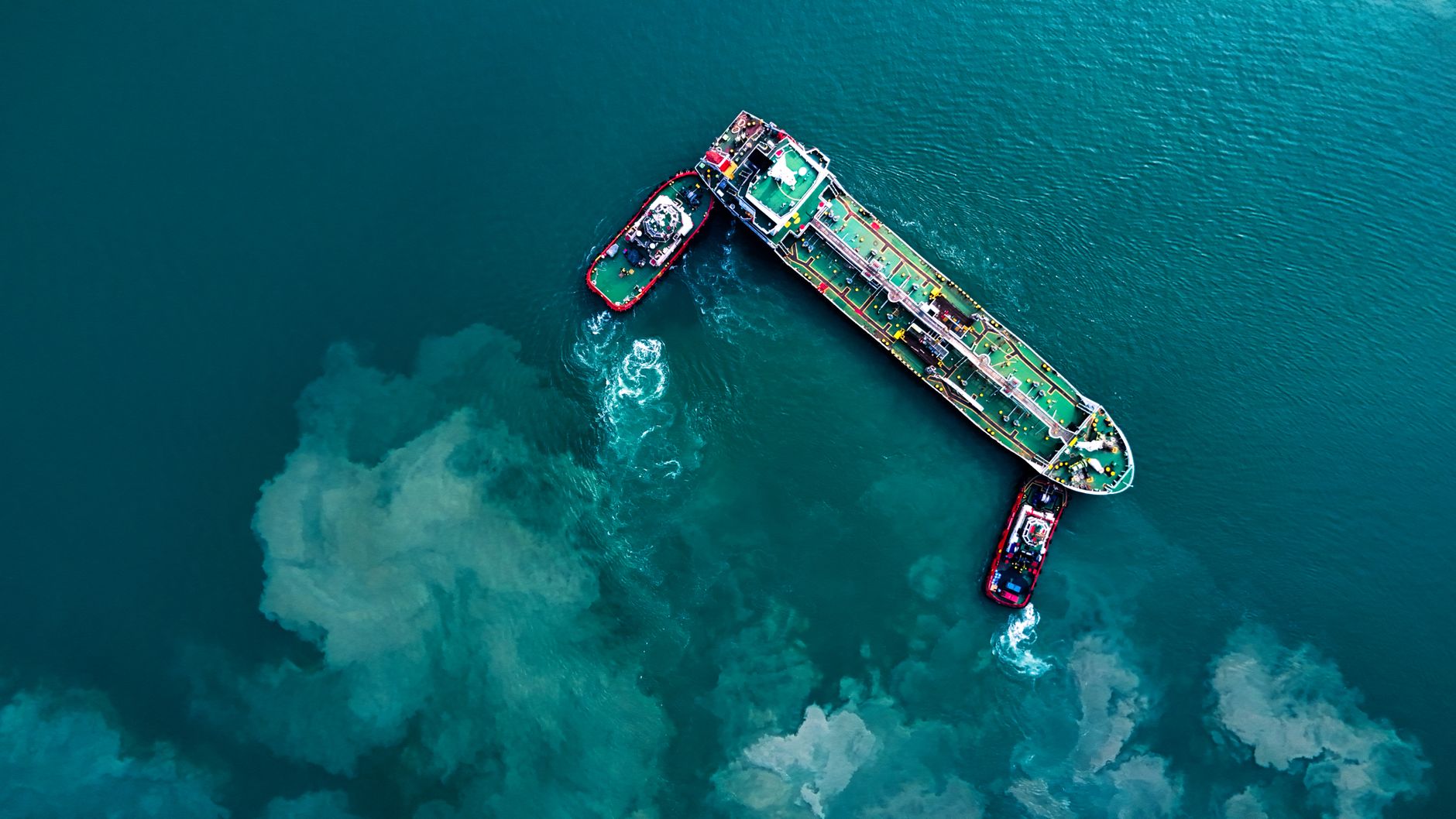
Those three positions are all true and they lead to opposite conclusions. Legally the strait is passable. Politically it is provisional. Commercially it is close to empty, because underwriters and crew agreements move slower than diplomatic statements, and no carrier wants to be the test case. When I price a Gulf routing now, I treat the official opening as the best case and the vessel count as the planning case.
Jebel Ali: still first, and now the most exposed
Jebel Ali handled 15,536,000 TEU on the Lloyd's List count, taking ninth place globally, and DP World reported roughly 9 percent growth in origin and destination volumes for 2025. Group gross throughput rose 5.8 percent to 93.4 million TEU, revenue hit a record 24.4 billion dollars with 6.4 billion in EBITDA, and profit climbed 32.2 percent to 1.96 billion. Breakbulk at the port rose 23 percent to 5.4 million tonnes. In one month of the year the terminal set a record at 1.4 million TEU.
The 2026 position is different in kind rather than in degree. Jebel Ali is now flagged as congested with waiting time around 5.4 days, and the volume that used to arrive at the quay is arriving by land: close to 200,000 TEU has reached the port through overland corridors by rail and truck. DP World's own first-half 2026 profit rose 52 percent, driven substantially by demand for storage, which tells you what shippers are doing with cargo they cannot move on schedule.
The strength of the 2025 numbers is exactly why the exposure matters. A port whose gateway share is high, meaning cargo genuinely destined for the UAE rather than relayed onward, cannot simply be replaced by another hub. Its cargo has to reach Dubai. That is why the group has been building out Fujairah on the Gulf of Oman coast, and why the road bridge between Omani ports and Dubai warehouses became a routing product rather than a contingency. I walked through the mechanics of that in our Strait of Hormuz bypass guide, and the war risk and insurance side in the Hormuz routing and war risk guide.
Saudi Arabia: two coastlines, which is the point
Mawani reported 8,317,235 TEU for 2025, up 10.58 percent from 7,521,306. The split is instructive: 3,146,003 TEU exported, 3,243,884 imported and 1,927,348 transshipped, with transshipment growing fastest at 11.78 percent. Total cargo tonnage edged up 1.06 percent to 242,068,641 tonnes while passenger traffic jumped 47.07 percent to 1,082,668.
The 2026 monthly series is where the conflict becomes visible in the data. January 2026 was still growing, at 738,111 TEU and 2.01 percent year on year. By April, Saudi container throughput was down 18.65 percent year on year with total tonnage down 34.58 percent. That is the sharpest swing in any Gulf port series I follow, and it happened without a single berth closing.
The Kingdom is the only Gulf state with major container capacity on both the Red Sea and the Gulf, which in 2026 is a structural hedge rather than a redundancy. Investment is following the Red Sea side, including projects worth more than 640 million Saudi riyals at Jeddah Islamic Port for berth deepening to take vessels of up to 24,000 TEU. Jeddah has its own congestion history, which I documented in the Jeddah and Gulf land bridge playbook, and the land bridge across the peninsula is what converts a Red Sea call into Riyadh and Dammam delivery.
Oman: the quiet winner of a bad year
Omani ports handled 137 million tonnes and 4.2 million TEU in 2024. Salalah, Sohar and Duqm together moved 2,427,195 TEU in the first half of 2025 against 2,173,508 a year earlier, and Salalah alone accounted for 2.03 million of that, growing 21 percent. A 300 million dollar expansion lifted Salalah's container capacity from 4.5 million to 6.5 million TEU.
Salalah also placed third in the World Bank and S&P Global Container Port Performance Index for 2025, behind Fuzhou and Dalian and ahead of every other port outside China. Efficiency plus a berth that never requires a Hormuz transit is a rare pairing right now. Duqm grew fastest of the three, with volumes across all cargo types up 152 percent in 2024, from a small base.
Abu Dhabi and Qatar: capacity arriving into a disrupted market
AD Ports grew container throughput 23 percent to 7.7 million TEU in 2025, with 85 percent of the first-half volume moving through Khalifa Port. Group container capacity reached 11.8 million TEU, of which Khalifa accounts for 9.6 million, and Khalifa climbed to 39th in the Lloyd's List top 100 for 2025. The CMA Terminals facility that opened in December 2024 hit 87 percent quarterly utilisation by the third quarter of 2025 and handled close to a million TEU year to date.
Qatar's ports moved 1.46 million TEU in 2025 with transshipment close to half the total. That mix is worth noting because relay cargo is the most mobile category in the region: it can be re-routed to Salalah or Jeddah by a carrier network decision, without a single shipper changing supplier. Gateway cargo cannot.
How to use this ranking in the current market
- Separate gateway from relay before comparing ports. Saudi transshipment was 1.93 million TEU of an 8.32 million total, roughly 23 percent. Qatar's is near half. High relay share means volume can move fast, in both directions.
- Price the inland leg as part of the port choice. A Sohar or Fujairah call plus a truck run to Dubai has a cost and a customs sequence. Compare that against the war risk premium on a Jebel Ali call rather than against the base freight rate.
- Check capacity that is already built. Salalah at 6.5 million TEU and Khalifa at 9.6 million have room. Capacity that exists before demand shifts is what makes a re-route feasible at short notice.
- Watch the rail links, not just the berths. The UAE network changes the economics of an east coast call, which I covered in the Etihad Rail freight guide.
- Assume carrier suspensions outlast the headlines. The truce came in June, the strait was declared open to commercial traffic, and the suspensions were still in force weeks later at six transits a day. Booking policy follows insurance and crew agreements, not the ceasefire announcement.
- Budget for storage, not just for freight. Congestion of around 5.4 days at Jebel Ali and a 52 percent jump in DP World's first-half profit on warehousing demand are the same fact seen from two sides. Cargo that cannot move on schedule has to sit somewhere, and that space is being priced accordingly.
What the region looks like once traffic normalises
My working assumption is that Jebel Ali stays first. Its gateway base, its free zone and 5.4 million tonnes of breakbulk are not portable, and DP World's 93.4 million TEU network gives it pricing power that Omani and Qatari terminals cannot match. What has permanently changed is that every large shipper in the Gulf now has a tested east coast alternative and knows what it costs. That knowledge does not expire when the strait reopens.
Set against the world's busiest container ports, the Middle East's leaders are unusual in how much of their volume is relay traffic serving three continents, which is also why terminal operators fight so hard for them. The ownership picture behind these berths is in our ranking of the largest port operators.
Frequently asked questions
What is the biggest port in the Middle East?
Jebel Ali in Dubai, which handled 15.6 million TEU in 2025 and ranks ninth worldwide. Khalifa Port in Abu Dhabi is second in the region, within AD Ports' 7.7 million TEU total for the year.
Is the Strait of Hormuz open in August 2026?
Formally yes, operationally barely. US Central Command describes the southern route as free and open and has assisted more than 1,000 vessels through, while Iran negotiates a temporary corridor with Oman. Kpler counted six transits in a recent 24 hour window, and Maersk, MSC, Hapag-Lloyd and CMA CGM maintain indefinite suspensions.
Which Gulf ports do not require a Strait of Hormuz transit?
Salalah, Duqm and Sohar in Oman, Fujairah and Khor Fakkan in the UAE, and the Saudi Red Sea ports of Jeddah and King Abdullah Port. Jebel Ali, Khalifa Port, Hamad Port and Dammam all sit inside the Gulf.
How efficient are Middle East ports compared with Asia?
Salalah ranked third in the 2025 Container Port Performance Index, behind Fuzhou and Dalian, making it the highest placed port outside China. The index measures total vessel time in port, including waiting time.
How much Saudi container volume is transshipment?
1,927,348 TEU of the 8,317,235 TEU handled in 2025, about 23 percent, and it grew 11.78 percent year on year, faster than imports or exports.
Volumes come from operator and authority reporting: DP World's 2025 results, the Saudi Ports Authority annual container release, AD Ports Group quarterly statements, Oman's transport ministry data and the Lloyd's List one hundred ports table. Reporting bases differ, so some figures are full-year 2025, some first-half 2025 and some 2024. Port capacity is not the same as handled volume. Monthly 2026 throughput figures come from the Saudi Ports Authority releases, and the strait status, congestion and transit counts reflect US Central Command statements, Iranian government comments and Kpler vessel tracking as reported in early August 2026. Official statements about the strait, carrier suspensions and observed transit counts have repeatedly pointed in different directions during this crisis: verify current carrier notices, congestion figures and war risk terms before fixing cargo.