Get The App


Author
James Miller specializes in global logistics and supply chain dynamics. His investigative work explores the intricacies of international trade, infrastructure challenges, and technological advancements shaping modern commerce. He advocates for sustainable practices and transparency in supply chain operations.
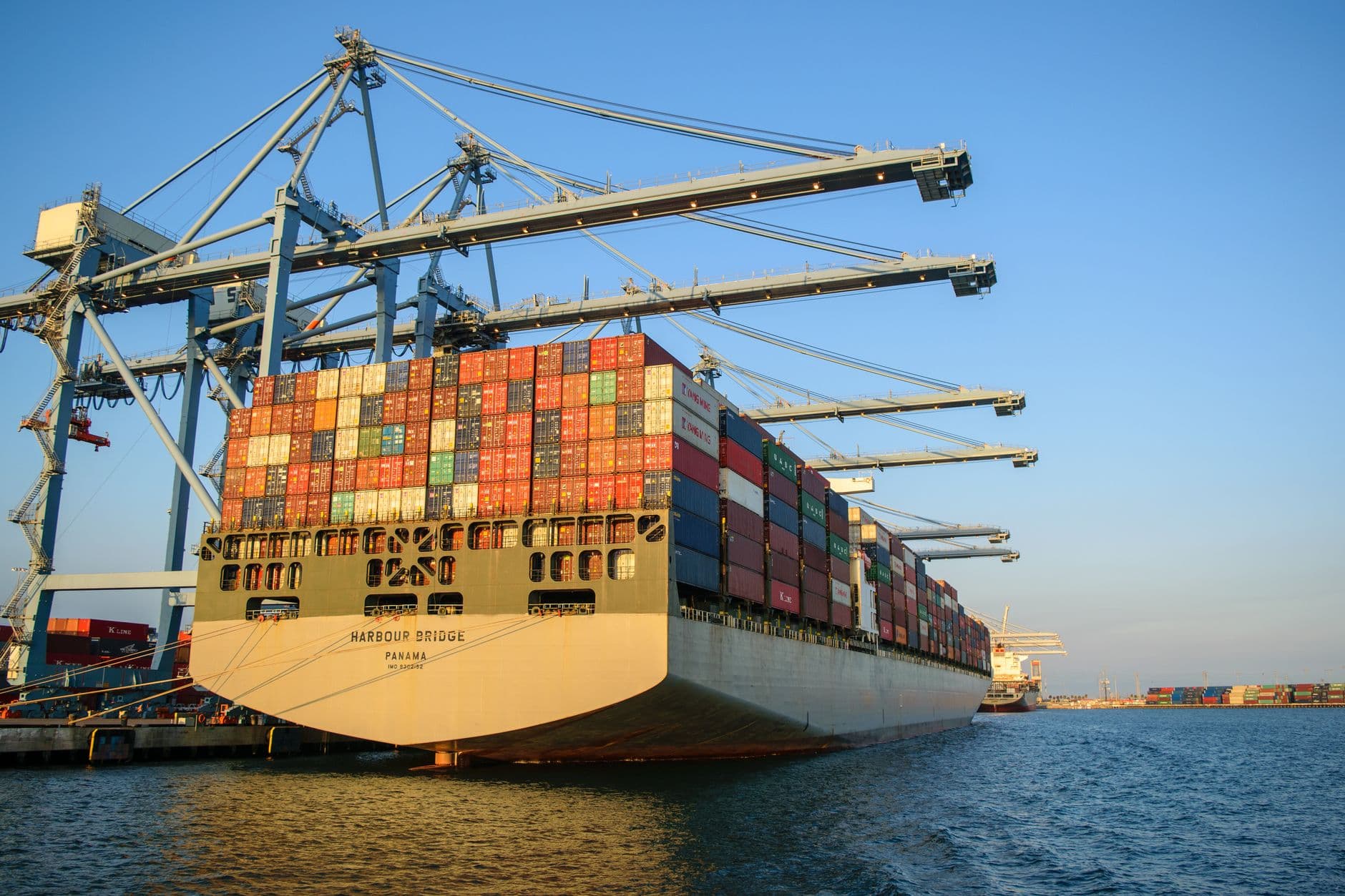
Brazil Freight in 2026: US Tariffs, Port Capacity and Shifting Export Flows
How US tariffs are reshaping Brazilian export flows in 2026, the port-capacity bottlenecks behind the shift, and what the diversification toward the EU and Asia means for shippers planning routes and landed cost.
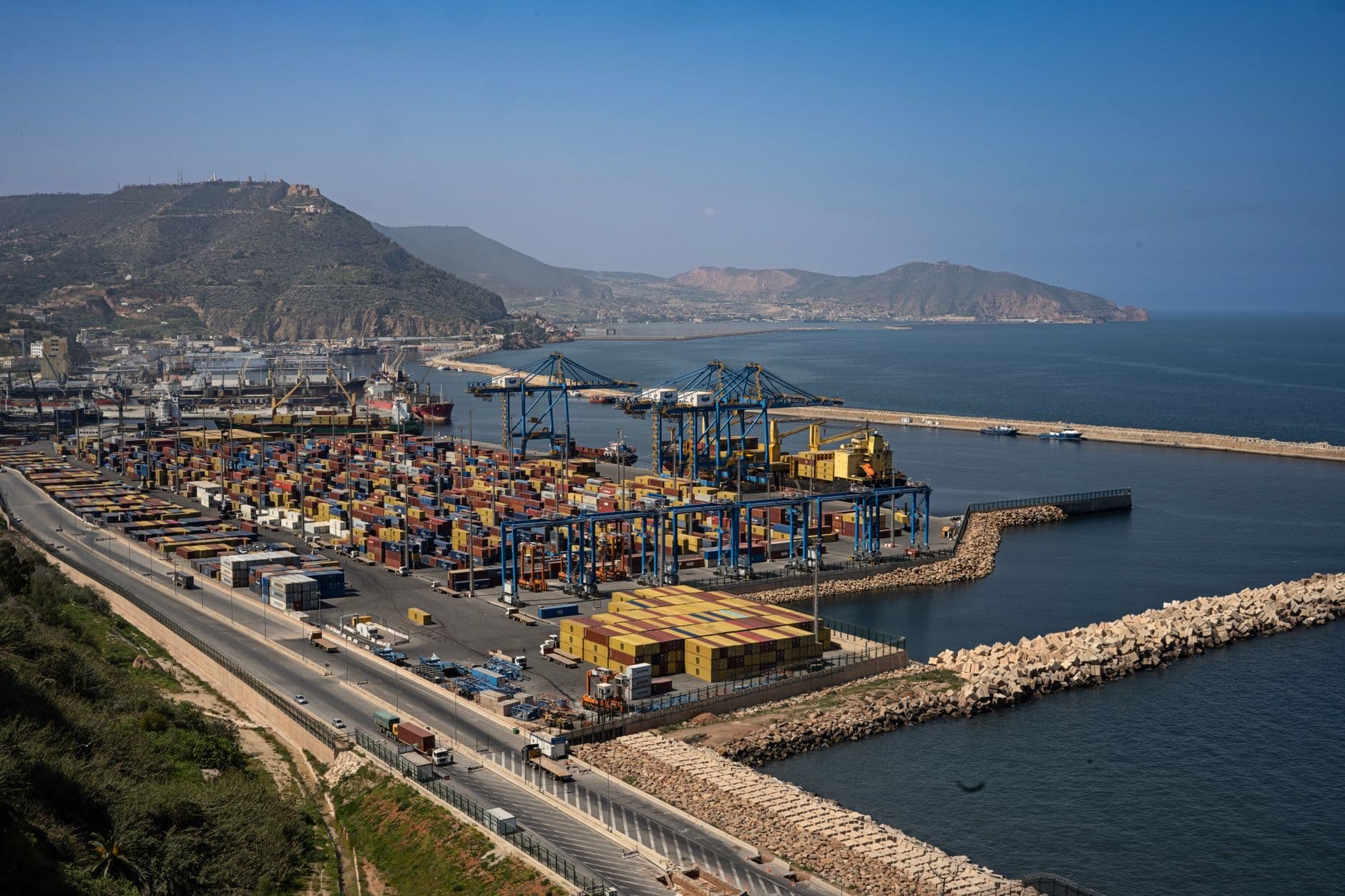
Morocco as Europe’s Nearshoring Hub: Tanger Med, the Automotive Boom and a 2026 Sourcing Playbook
Why Morocco has become Europe’s nearshoring hub: Tanger Med’s scale, the automotive cluster around Renault and Stellantis, the 14 km hop to Europe, and a practical sourcing playbook for buyers weighing a move in 2026.

USMCA 2026 Review: What the No-Renewal Decision Means for Shippers
On 1 July 2026 the US declined to renew USMCA, triggering a decade of annual reviews plus separate US-Mexico and US-Canada talks. What the outcome means for cross-border freight — the proposed rules-of-origin tightening, Section 232 tariffs, and how to plan when the deal is reopened every year.

Reefer Container Capacity and Rates in 2026: The Real Numbers Behind the Squeeze
Global reefer capacity runs on plug counts, not box counts. Real 2025/26 fleet, trade and seasonal data (Chilean cherries, South African citrus, Peruvian avocados) shows why booking timing beats negotiating after the peak hits.
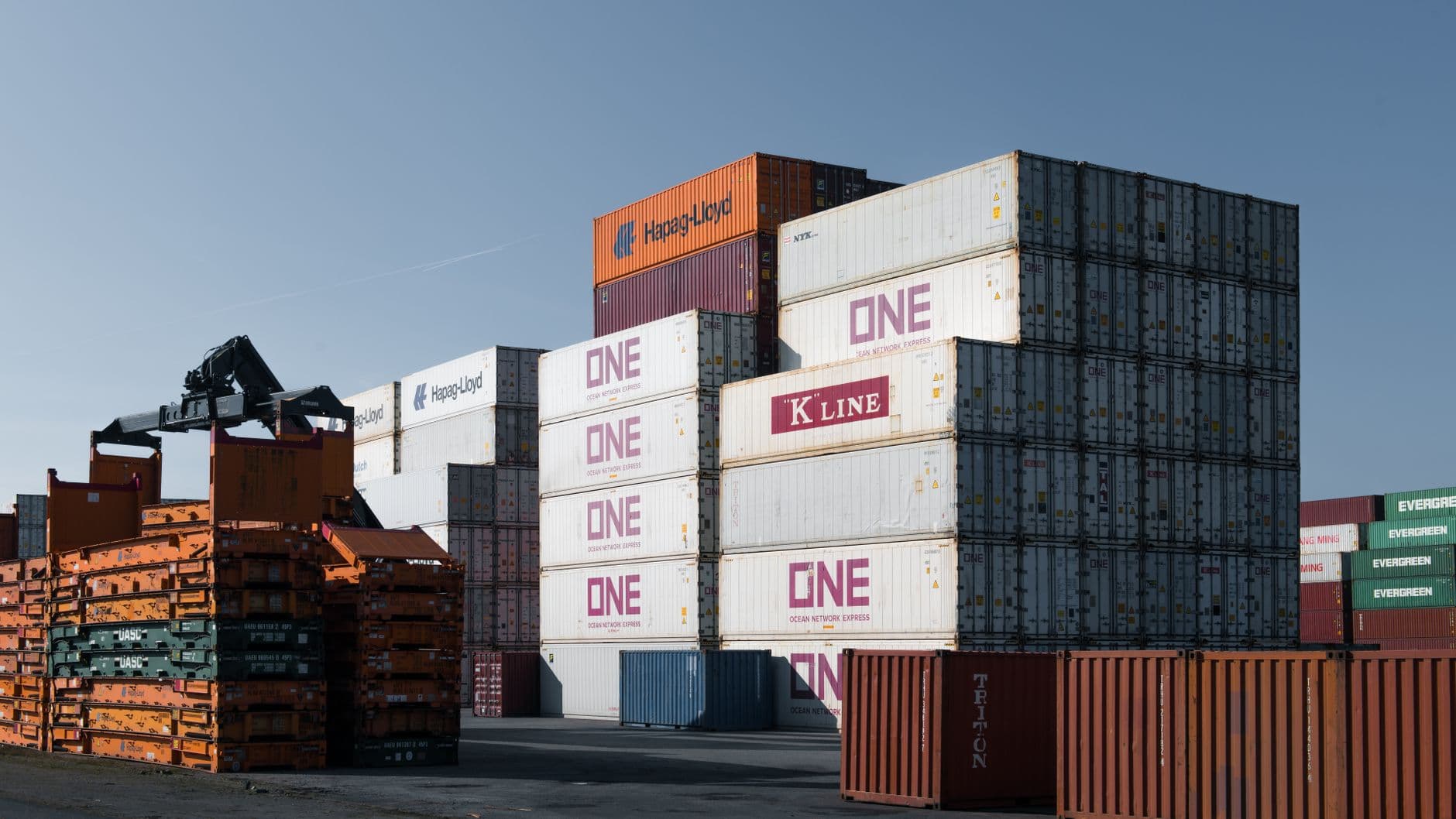
US FMC Demurrage & Detention Billing Rules in 2026: A Shipper Guide
A shipper operational guide to the FMC demurrage and detention billing rule: required invoice data elements, the 30-day billing and dispute windows, and how the 2025 court ruling on who can be billed changes the picture in 2026.
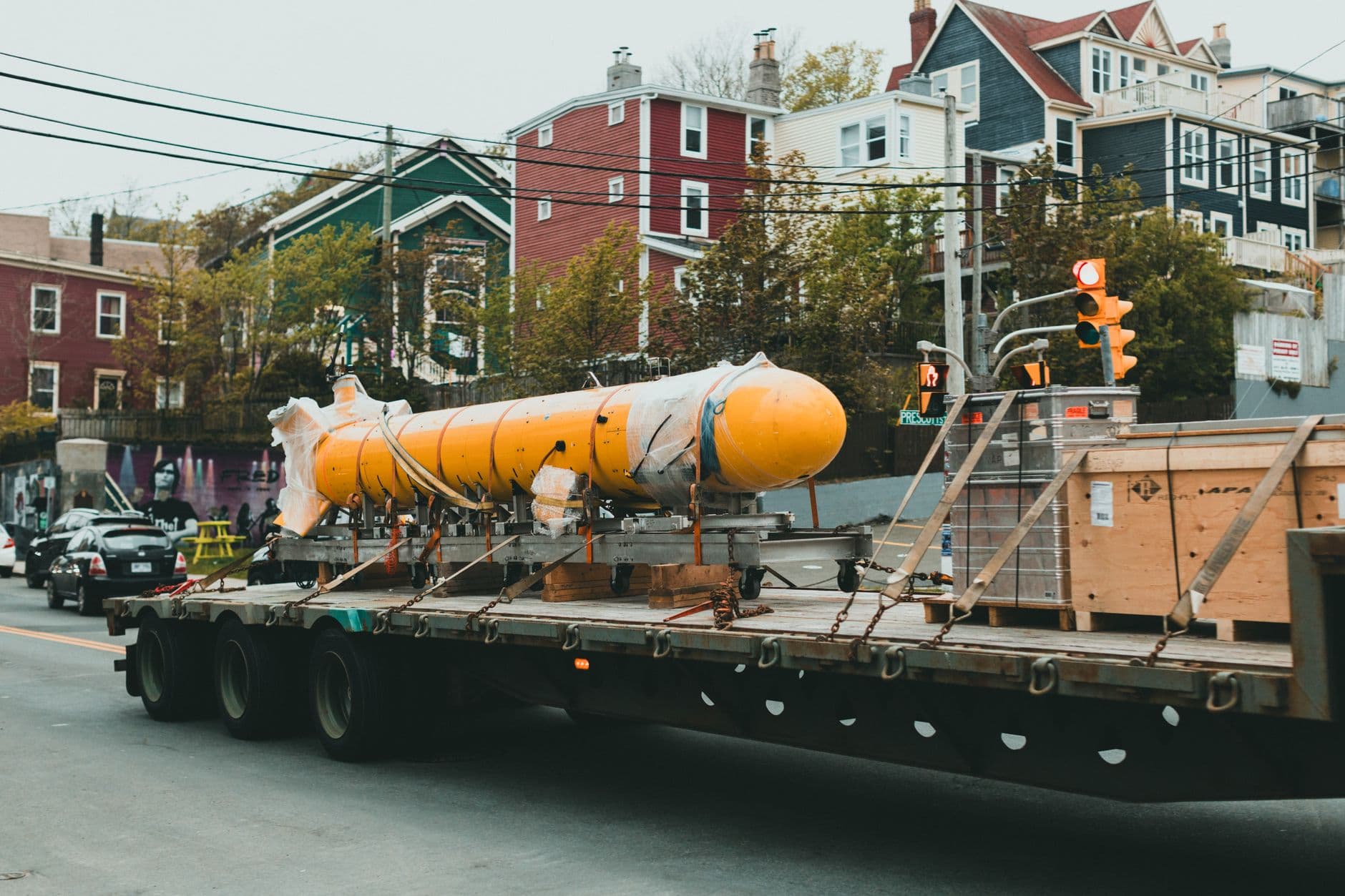
Shipping Project, Out-of-Gauge and Breakbulk Cargo: A Practical 2026 Guide
When a piece is too long, too wide, too tall or too heavy for a container, ordinary freight rules stop applying. A practical guide to project, out-of-gauge and breakbulk cargo: the dimension thresholds that push you out of standard equipment, breakbulk vs RoRo vs heavy-lift vessels, permits and lashing, and how to plan an oversized move in a tighter 2026 market.
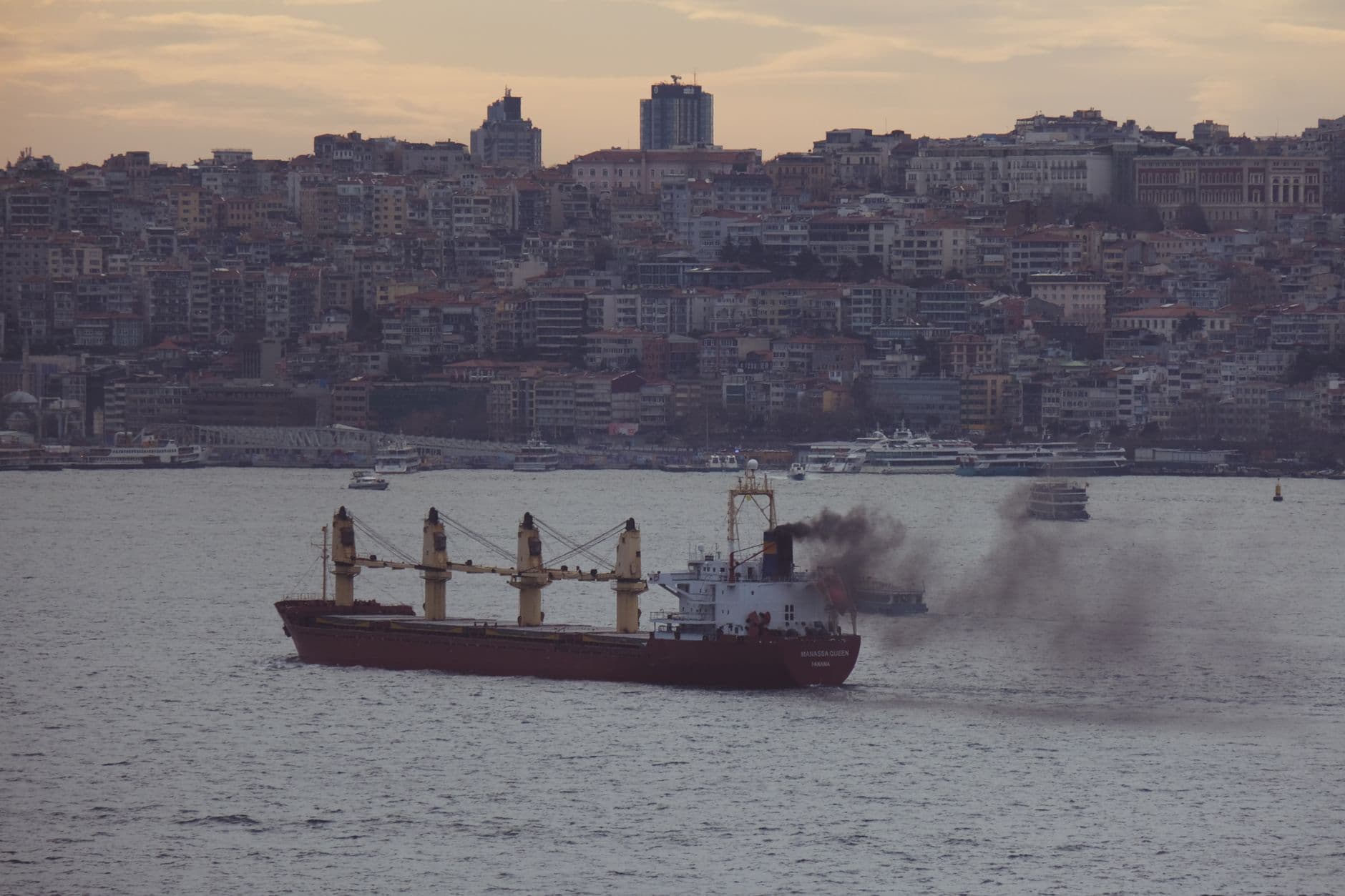
IMO Net-Zero Framework 2026: An Ocean Freight Buyer's Guide to the Global Carbon Price
The IMO approved a global carbon price for shipping in April 2025 — then the October 2025 adoption session collapsed and pushed the decision to autumn 2026. Approved in principle, stalled in practice. What the Net-Zero Framework says, why it stalled, how it differs from FuelEU, and what ocean freight buyers should plan for now.
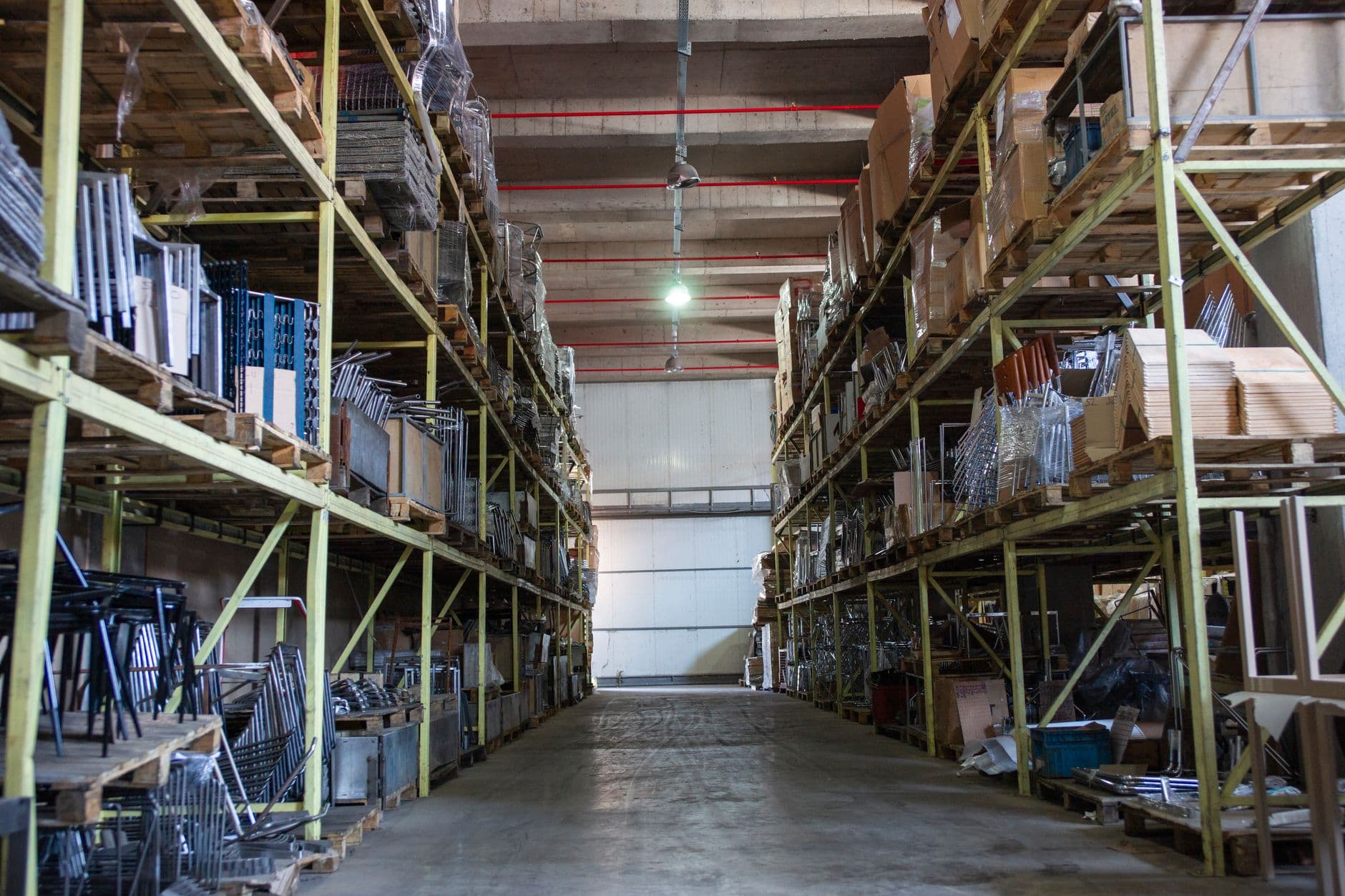
Bonded Warehouse as a Tariff Shield in 2026: Duty Deferral Playbook
Search interest in bonded warehouse solutions grew 150% in 2025. We explain exactly how duty deferral works under US CBP and EU rules, the critical rate-on-withdrawal detail, permitted warehouse activities, and when a bonded warehouse beats an FTZ or duty drawback.

FuelEU Maritime 2025-2030: What Ocean Freight Buyers Must Do Now
FuelEU Maritime Regulation (EU) 2023/1805 is live — and its first hard deadlines fell in April and June 2026. Ocean freight buyers who treat compliance as a carrier-only problem will get caught by surcharges and rate volatility they never budgeted for. This guide explains the regulation, the 2026 deadlines, CII ratings, and the specific questions every procurement team must ask carriers now.
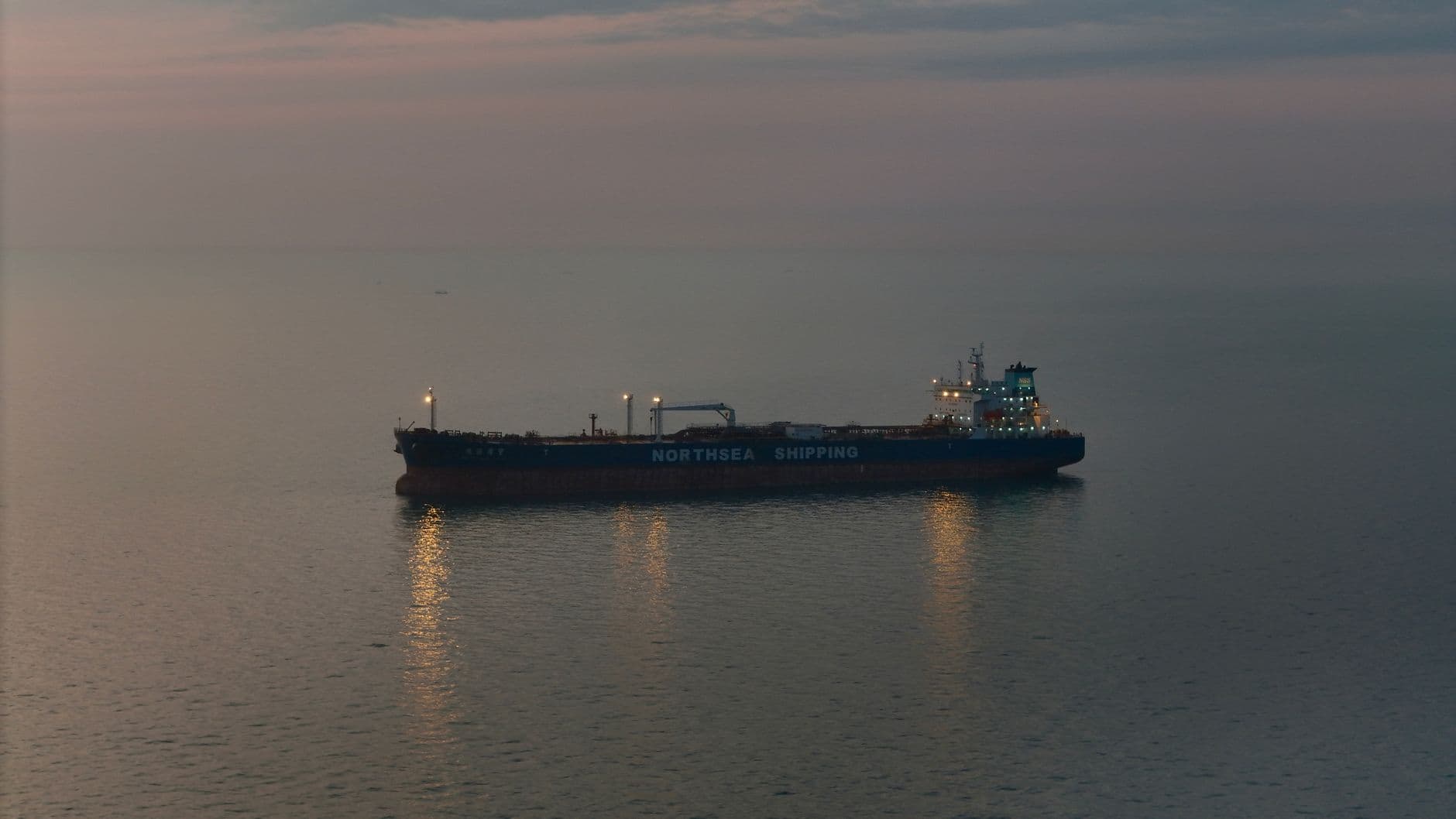
Strait of Hormuz 2026: Routing and War Risk Insurance Action Guide for Shippers
War risk cover near 5% of vessel value with P&I cancelled in the Gulf and the strait effectively closed, a US $40bn backstop that never wrote a policy, and security risk keeping most tonnage out — here is what freight buyers and operators actually need to do about the Strait of Hormuz in 2026.
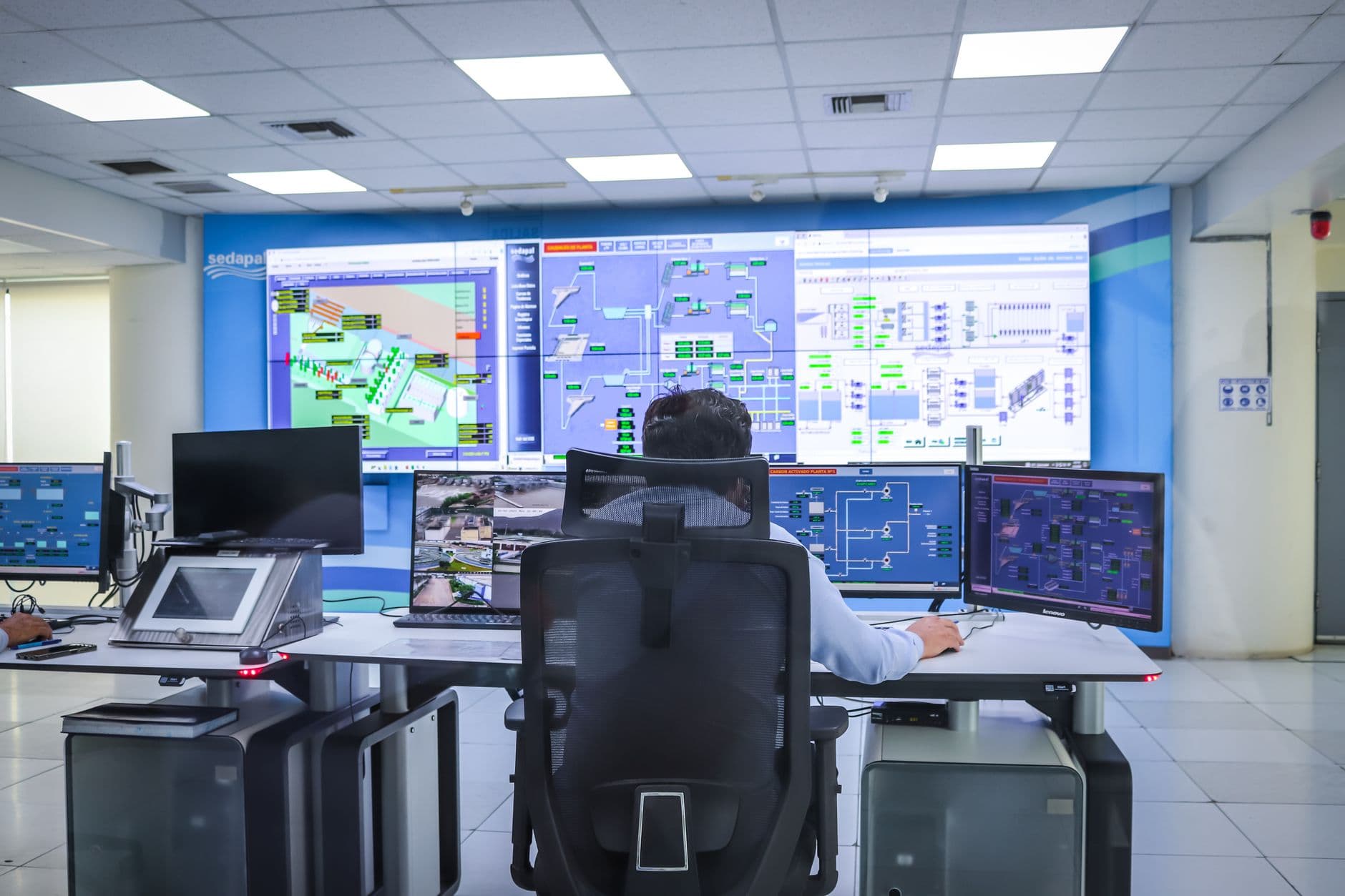
AI Agents for Freight Brokers in 2026: Automating Quoting, Carrier Email and Tracking
A practitioner's guide to what AI agents now automate on a brokerage desk in 2026: carrier email triage, sub-minute quoting, negotiation, check calls and settlement. We cover the results that hold up, how agents plug into your TMS via APIs and MCP, what stays human, and how to roll one out safely.
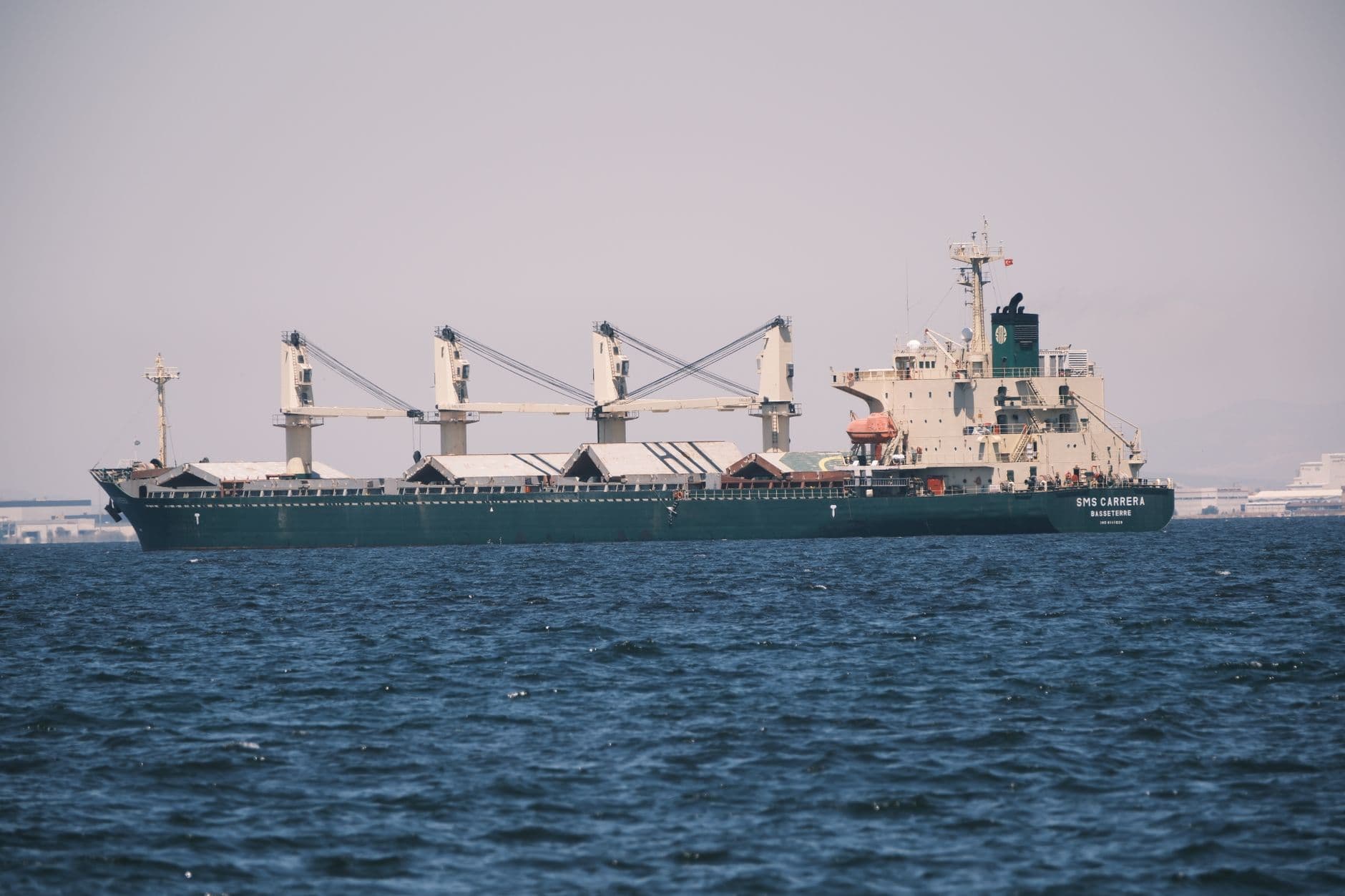
Shipping Out of Brazil in 2026: Santos Congestion and the Agri-Export Bottleneck
The Port of Santos broke its own record in 2025 at 186.4 million tonnes, and a record 2025/26 soy harvest is straining the quay again. A practical exporter's guide to why Santos jams at the harvest peak, what the vessel queues cost, and how to route around it through Paranagua and the northern arc.
