Get The App


Author
James Miller specializes in global logistics and supply chain dynamics. His investigative work explores the intricacies of international trade, infrastructure challenges, and technological advancements shaping modern commerce. He advocates for sustainable practices and transparency in supply chain operations.

For logtech teams, 3PLs and digital forwarders launching a branded freight booking experience in 2026: white-label software versus building in-house, the API surface that matters across LTL, FTL and parcel, carrier network access, marketplace economics, and where MCP and AI agents now fit.
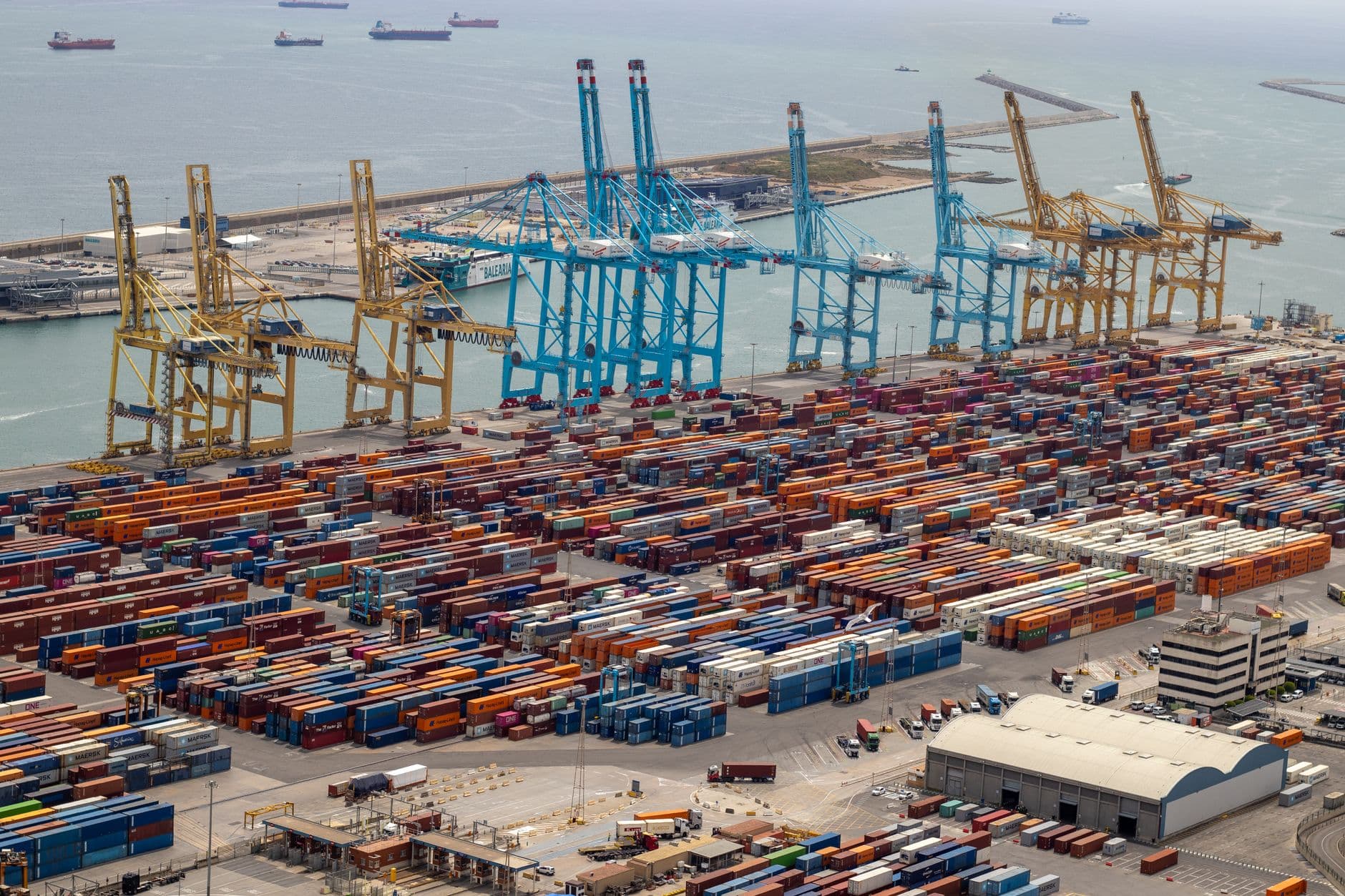
Manzanillo, Mexico's busiest Pacific gateway, jammed in 2026 as nearshoring imports outran its capacity, with customs holds past 72 hours and a cost penalty up to 20 percent. This shipper's guide explains how to route around it via Lazaro Cardenas, Ensenada and the Gulf.
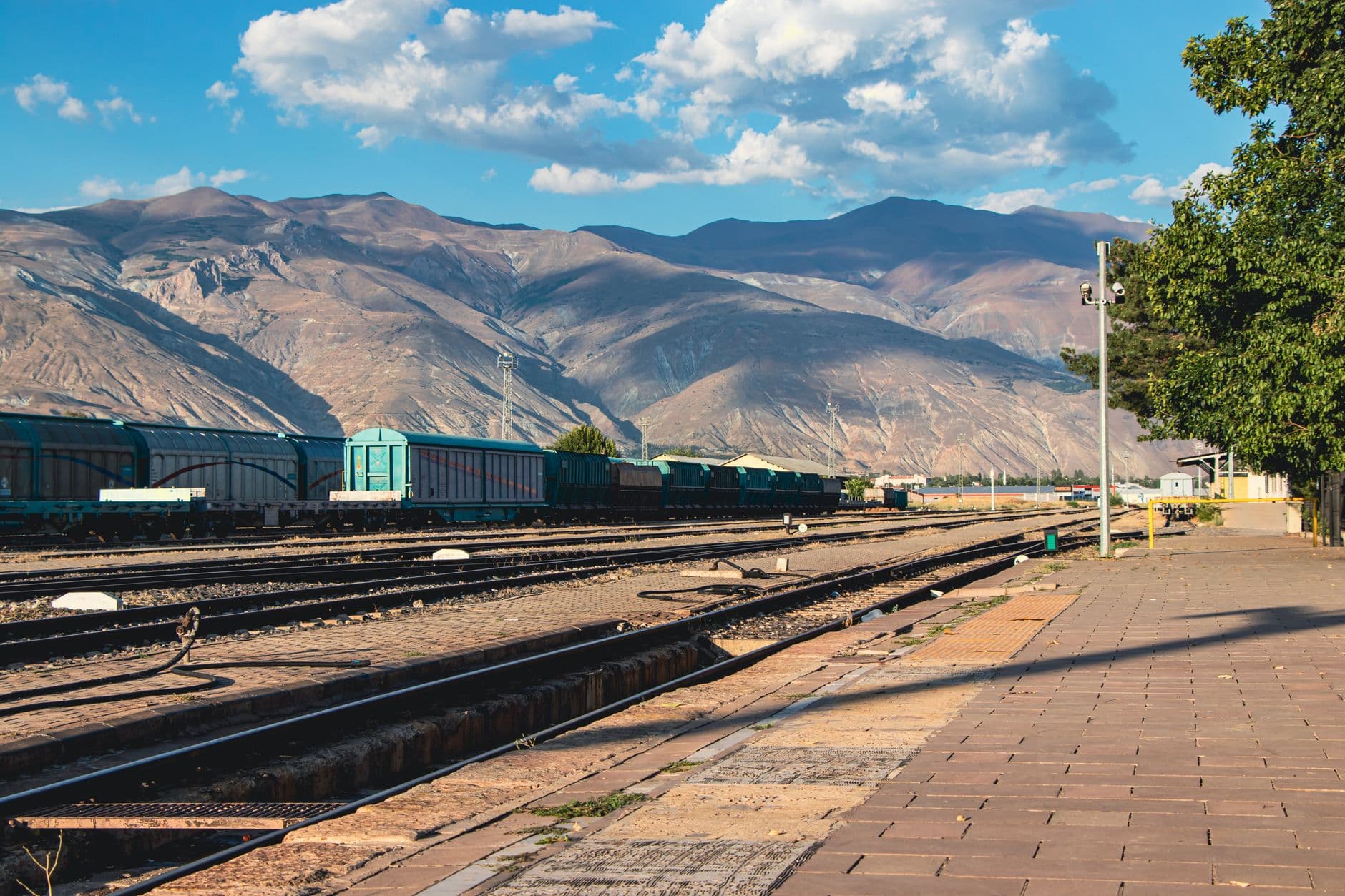
Baku-Tbilisi-Kars at Full Capacity in 2026: The New Türkiye-Caucasus-Central Asia Rail Lane
A freight-desk guide to the Baku-Tbilisi-Kars railway at full 5-million-tonne capacity from June 2026: the end-to-end lane, the Akhalkalaki gauge break, how it links the Caspian crossing and the Middle Corridor, and when it beats Russian transit.
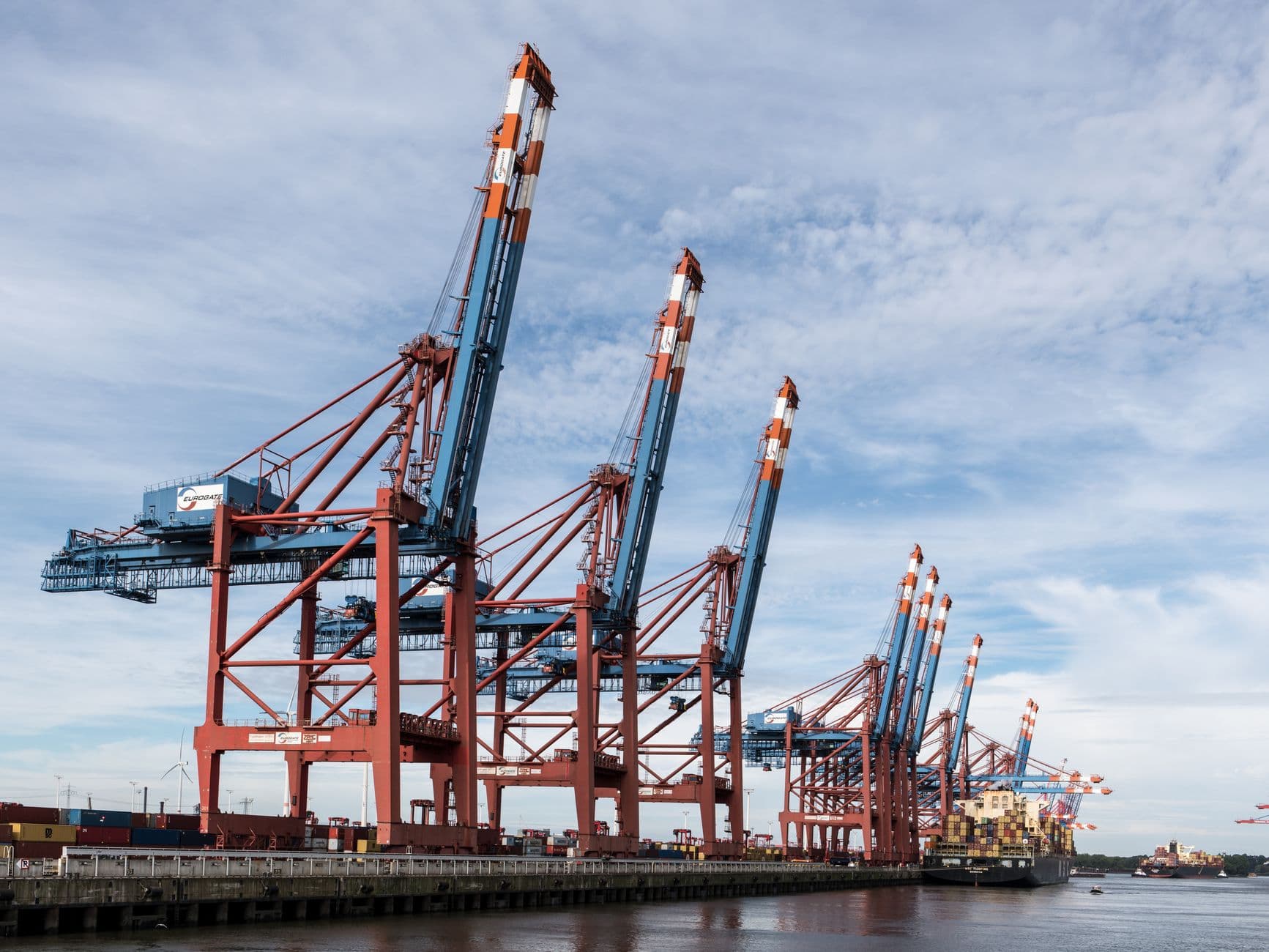
The Port of Chancay in 2026: How Peru's COSCO Megaport Reroutes Pacific Trade
How Peru's COSCO-built Chancay megaport reshapes Asia to west-coast South America trade in 2026: the 42-to-23-day transit shift, the vehicle gateway, the Chancay versus Callao decision, and the caveats to price in.
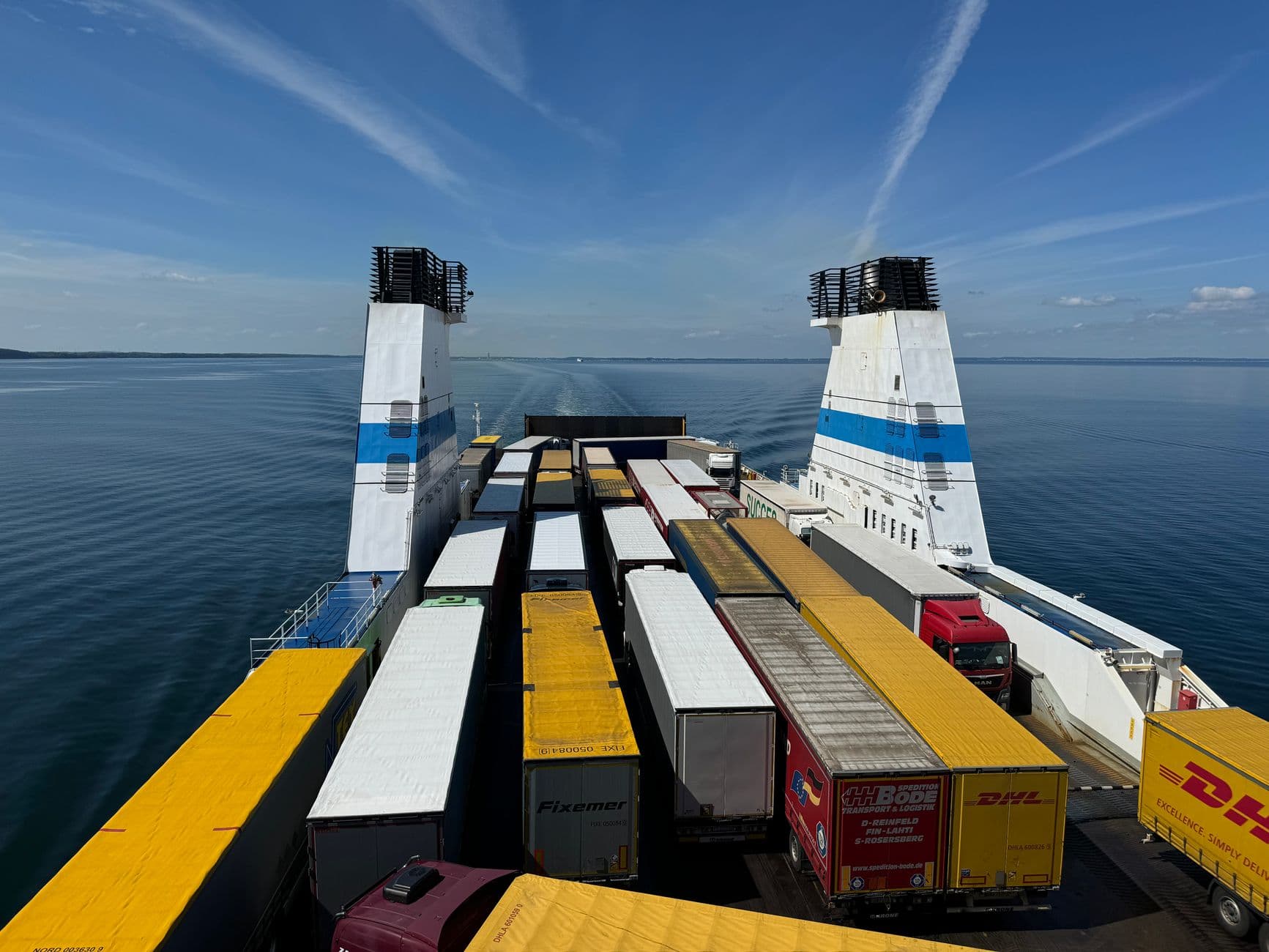
Crossing the Caspian in 2026: Aktau and Baku Ferry Freight, Queues and Capacity
A practical guide to the Caspian Sea freight crossing on the Middle Corridor in 2026: RORO versus rail ferries, the Aktau and Kuryk to Baku lanes, why the queue not the sailing is the delay, and the new vessel capacity arriving this year.
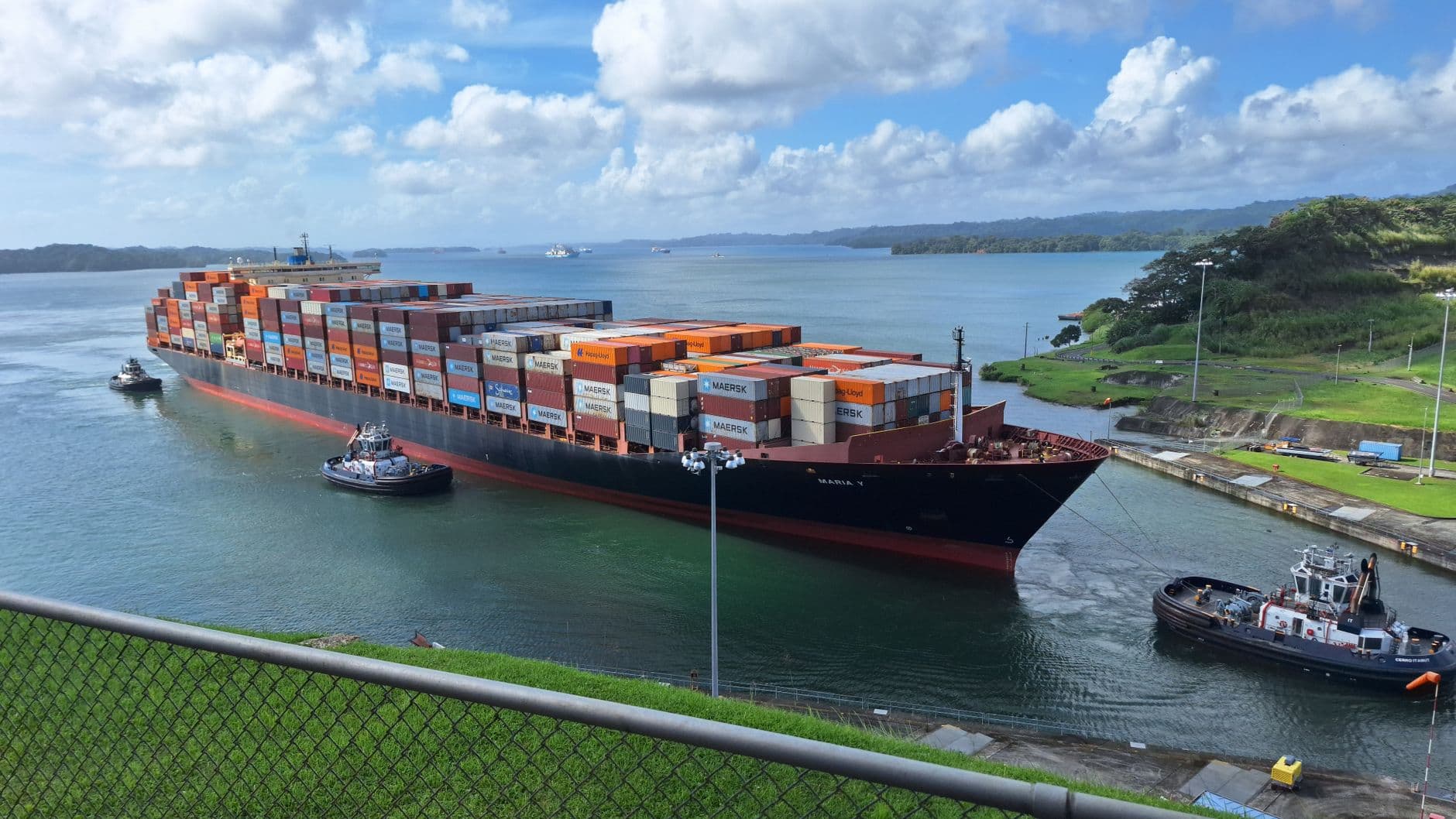
Panama Canal LoTSA 2.5 and the 2026 Booking Window: A Shipper's Slot Strategy
LoTSA 2.5 is written for ship operators, but its slot pricing lands in your ocean rate. A vendor-neutral, cargo-owner read on the Panama Canal's 2026 booking window (July 5 to January 2), the Fix/Flex/Flex+ packages, the $135K-to-$4M auction signal, the July draft cut to 15.09 m, and when to reroute.

How XPO’s AI photo checks are reshaping dock operations and service response
XPO has implemented an AI-driven photo-analysis system that examines images dockworkers take of loaded trailers and provides real-time feedback on whether a trailer can be closed safely and why it cannot, with pilots running across the company’s service centers following demonstrations at SMC³ Jump Start.

How the US 10% Global Tariff Alters Freight Costs, Customs and Supply Chains
On Feb. 24 the United States began collecting a 10% global tariff, immediately adding a discrete duty layer to import valuations and affecting containerized shipments, customs clearance timelines and landed-cost calculations for ocean and air freight alike. Timeline and legal framework The sequence of legal actions and administrative notices matters for carriers, customs brokers and importers: Date Action Logistics implication Feb. 20 Supreme Court struck down tariffs imposed under the International Emergency Economic Powers Act (IEEPA) Previous IEEPA-based duties became legally vulnerable; uncertainty for refunds and retrospective claims Feb. 21 President Donald Trump signed an order
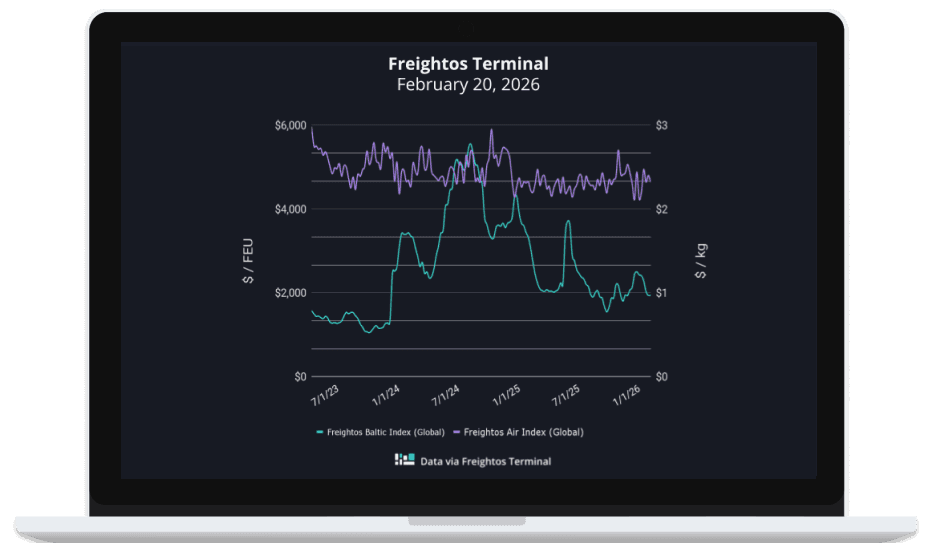
How the new Section 122 global tariff reshapes container flows, airfreight and importer planning
The United States implemented a 10% global tariff under Section 122 of the Trade Act of 1974 this Tuesday, immediately affecting transpacific volumes and contributing to last week’s movements: FBX01 (Asia–US West Coast) down 3%, FBX03 (Asia–US East Coast) down 1%, and FBX11 (Asia–N.

Trump calls for federal limits on state CDL issuance after Dalilah Coleman crash
States currently issue Commercial Driver’s Licenses (CDLs) under federal standards, but President Donald Trump urged Congress on Feb.
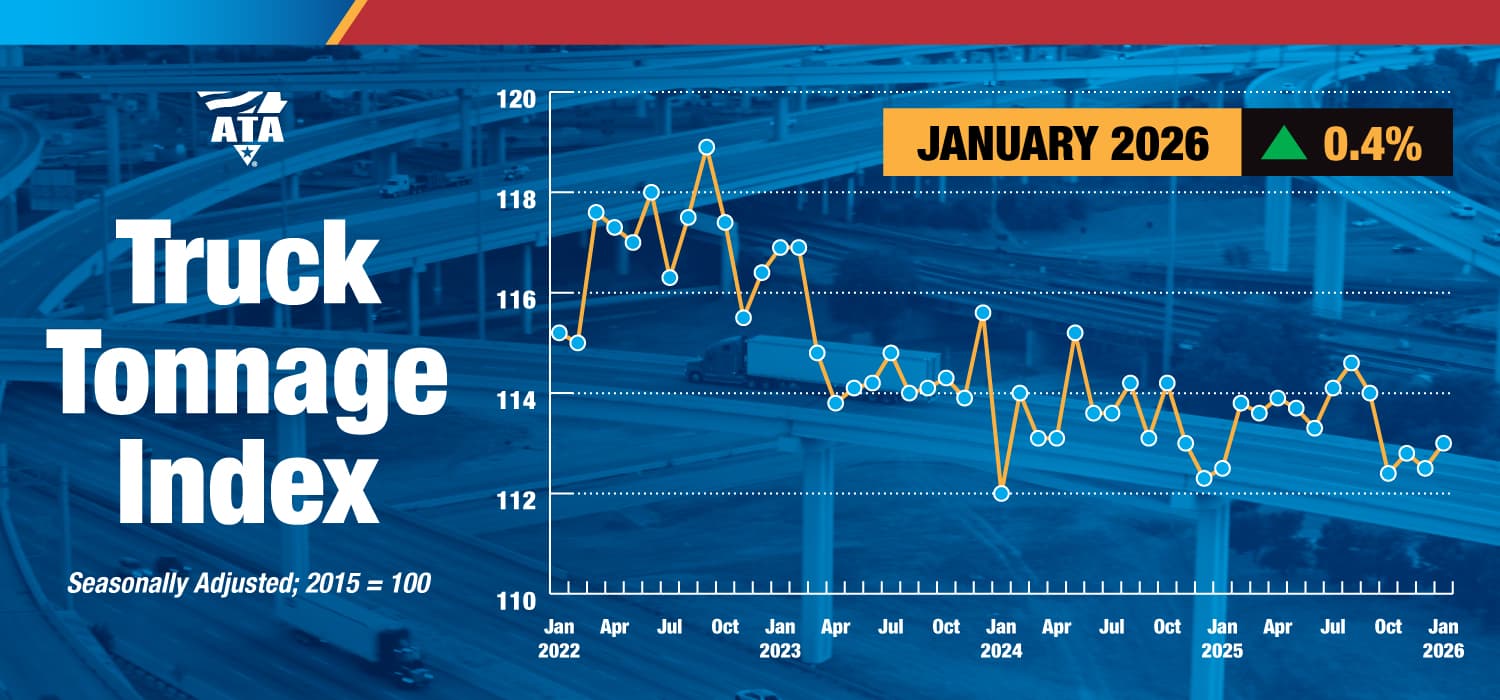
U.S. truck tonnage nudges higher in January as carriers benefit from tighter capacity
The ATA advanced seasonally adjusted for-hire truck tonnage index rose to 113 in January, up 0.4% from December, marking a modest uptick after the late-2025 slump and indicating that carriers continue to operate in a tighter-capacity environment.

Total Cost to Serve: Unmasking the Real Logistics Price Behind Per-Pallet Rates
In many distribution networks, transport alone accounts for 40–60% of logistics spend, yet the complete bill—when warehousing, labour, inventory and returns are included—can add another 20–40% to the real cost per pallet.
