
Alexander Petrunin
Legacy-Zuordnung
Dieses Archiv fasst historische Autorenbezeichnungen zusammen. Identität und Autorschaft wurden nach unserem aktuellen redaktionellen Prozess nicht verifiziert.
Artikel
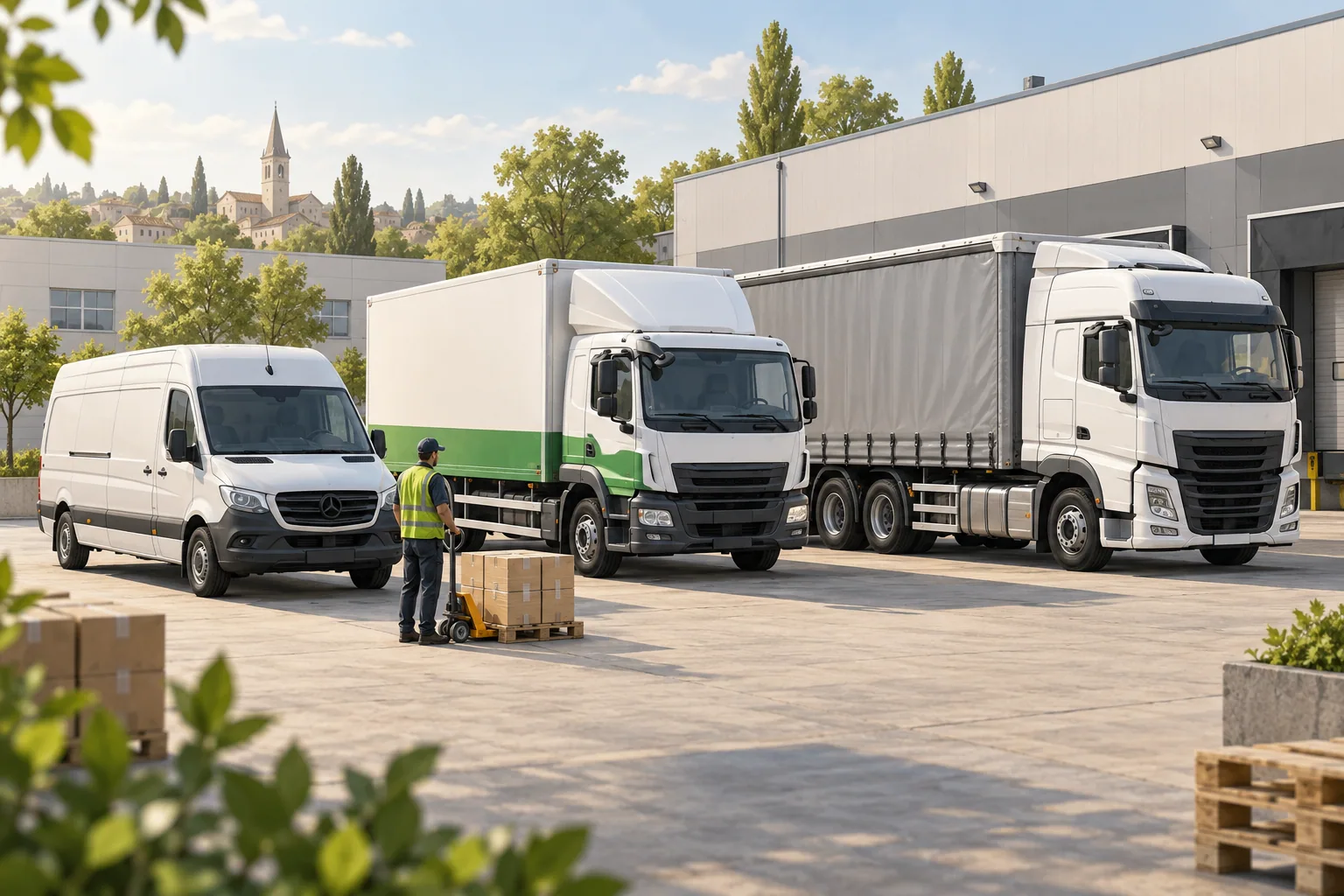 KI-gestützte redaktionelle Illustration
How to Use Technology for Managing International Logistics
In the evolving landscape of global trade, technology plays a critical role in enhancing efficiency, reducing costs, and optimizing international logistics operations. Businesses leveraging digital solutions can streamline supply chains, improve real-time tracking, and mitigate risks. This article explores the latest technologies transforming international logistics and how companies can integrate them for better performance.
Construction Logistics: How to Manage Projects
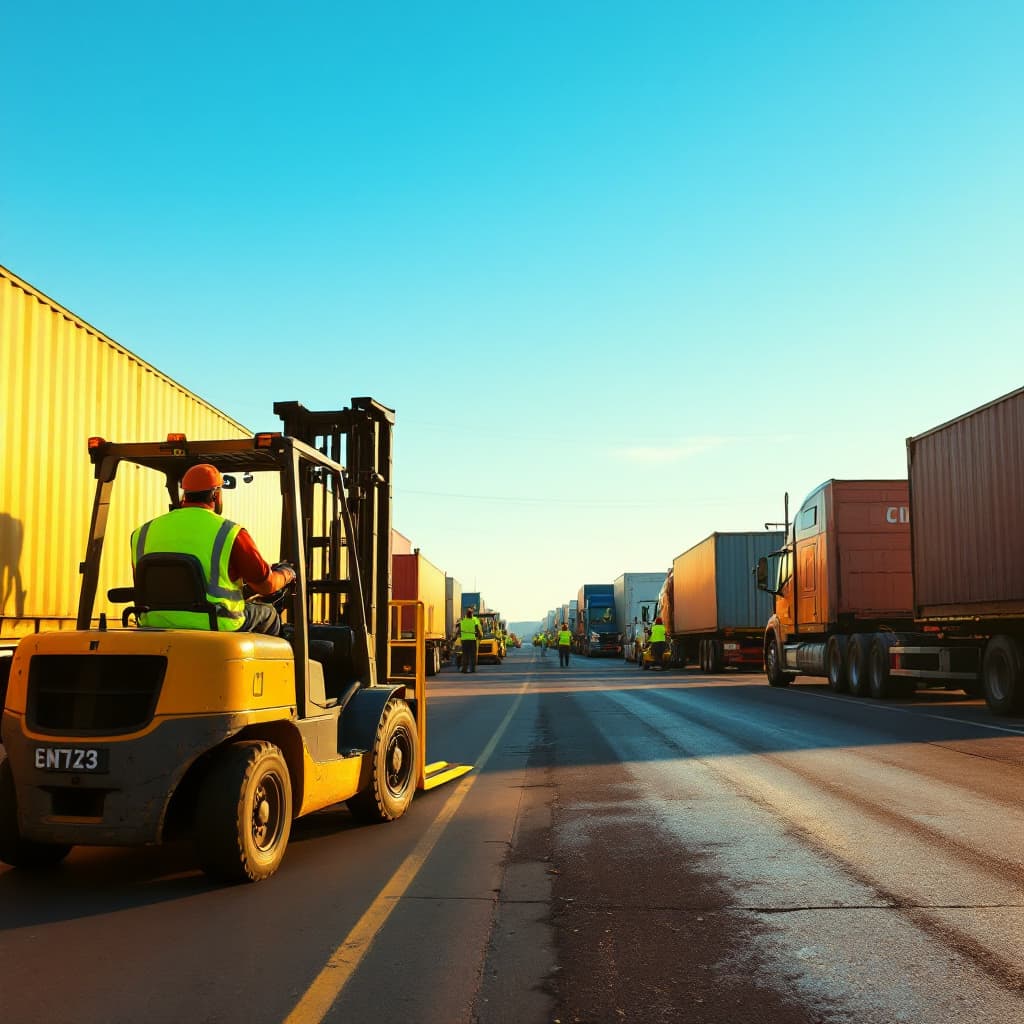
Logistics plays a crucial role in construction projects by ensuring the efficient movement of materials, equipment, and workforce. Managing construction logistics effectively reduces costs, minimizes delays, and improves overall project efficiency. In an industry where timing and coordination are essential, having a well-planned logistics strategy can significantly impact project success.

Pharmaceutical Logistics: How to Ensure Safety
Pharmaceutical logistics plays a critical role in ensuring that medicines and healthcare products reach consumers safely and efficiently. The transportation and storage of pharmaceuticals require strict regulations, precise temperature control, and robust security measures to maintain product integrity. Any failure in logistics management can compromise patient safety and lead to financial losses. This article explores best practices for ensuring safety in pharmaceutical logistics.

Logistics in the Automotive Industry: Challenges and Solutions
The automotive industry relies on a highly complex and interconnected supply chain. Efficient logistics are essential for ensuring the smooth flow of raw materials, components, and finished vehicles. However, the industry faces multiple challenges, including supply chain disruptions, fluctuating demand, and sustainability concerns. This article explores key challenges and solutions for optimizing logistics in the automotive sector.
KI-gestützte redaktionelle IllustrationLogistics in the Chemical Industry: Features and Requirements
Logistics in the chemical industry is one of the most complex and highly regulated sectors. The transportation, storage, and handling of chemicals require strict safety measures, compliance with environmental standards, and specialized equipment. Any mismanagement in logistics can lead to severe health risks, environmental hazards, and legal consequences. This article explores the key features, challenges, and best practices for ensuring the safe and efficient transportation of chemicals. Key Features of Chemical Industry Logistics Regulatory Compliance – Companies must adhere to national and international regulations, such as the ADR (European Agreement concerning the International
Trends in Packaging and Their Impact on Logistics
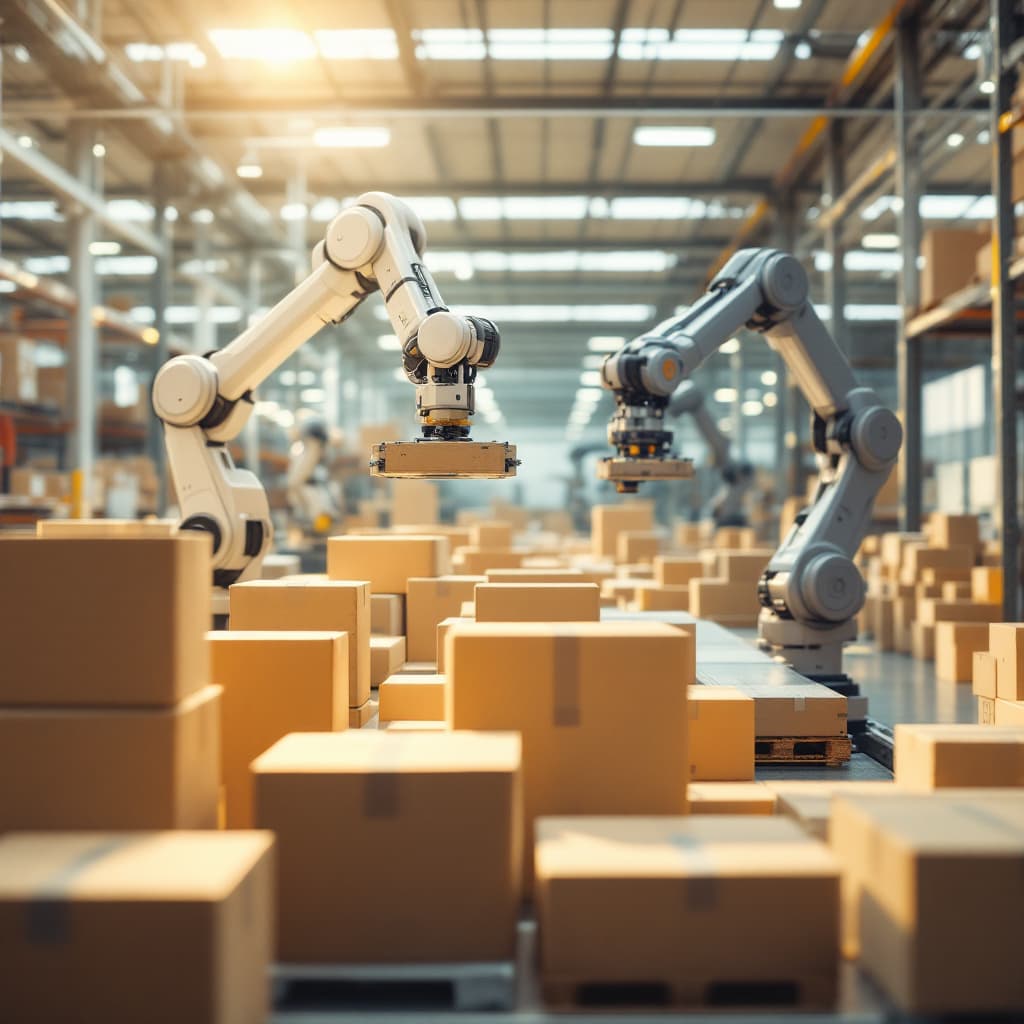
Packaging has always played a critical role in logistics, ensuring the safe transportation and storage of goods. However, in recent years, packaging trends have shifted significantly due to changing consumer demands, sustainability initiatives, and advancements in technology. These changes are reshaping how businesses approach logistics, impacting efficiency, costs, and environmental responsibility. This article explores the latest trends in packaging and how they influence the logistics landscape.

How Brexit Has Impacted Logistics in the UK
The United Kingdom's decision to leave the European Union, commonly known as Brexit, has reshaped the logistics landscape in profound ways. As businesses adapted to new regulations, customs procedures, and trade agreements, the logistics sector faced significant challenges. From increased paperwork to supply chain delays, Brexit has forced companies to rethink their logistics strategies. This article explores the key impacts of Brexit on UK logistics and how businesses can adapt to the new realities.
Logistics in China: Managing a Complex Supply Chain
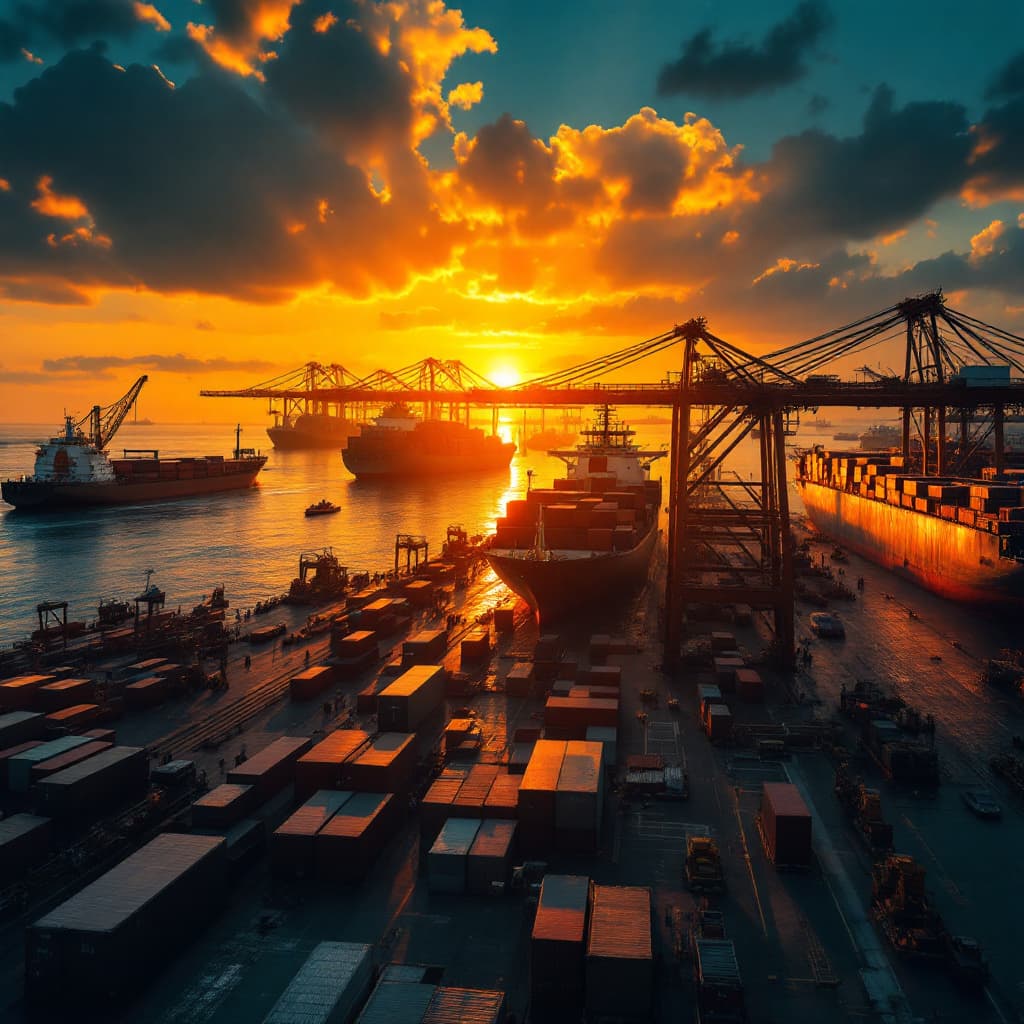
China, as the world's largest exporter and a global manufacturing hub, has one of the most intricate and dynamic logistics networks. Managing supply chains in this vast country presents unique challenges and opportunities. From its extensive infrastructure and technological advancements to regulatory nuances and regional disparities, understanding how to navigate China's logistics landscape is critical for businesses seeking operational efficiency and global competitiveness. This article examines the complexities of logistics in China and provides strategies for effectively managing supply chains.

Logistics in Germany: Efficiency and Innovation
Germany is often hailed as the logistics hub of Europe, renowned for its highly efficient infrastructure, advanced technologies, and commitment to innovation. With its strategic location at the heart of Europe, Germany’s logistics sector plays a crucial role in facilitating trade within the continent and globally. This article explores the key factors that make Germany’s logistics system a global benchmark, as well as the innovations driving its continued success.
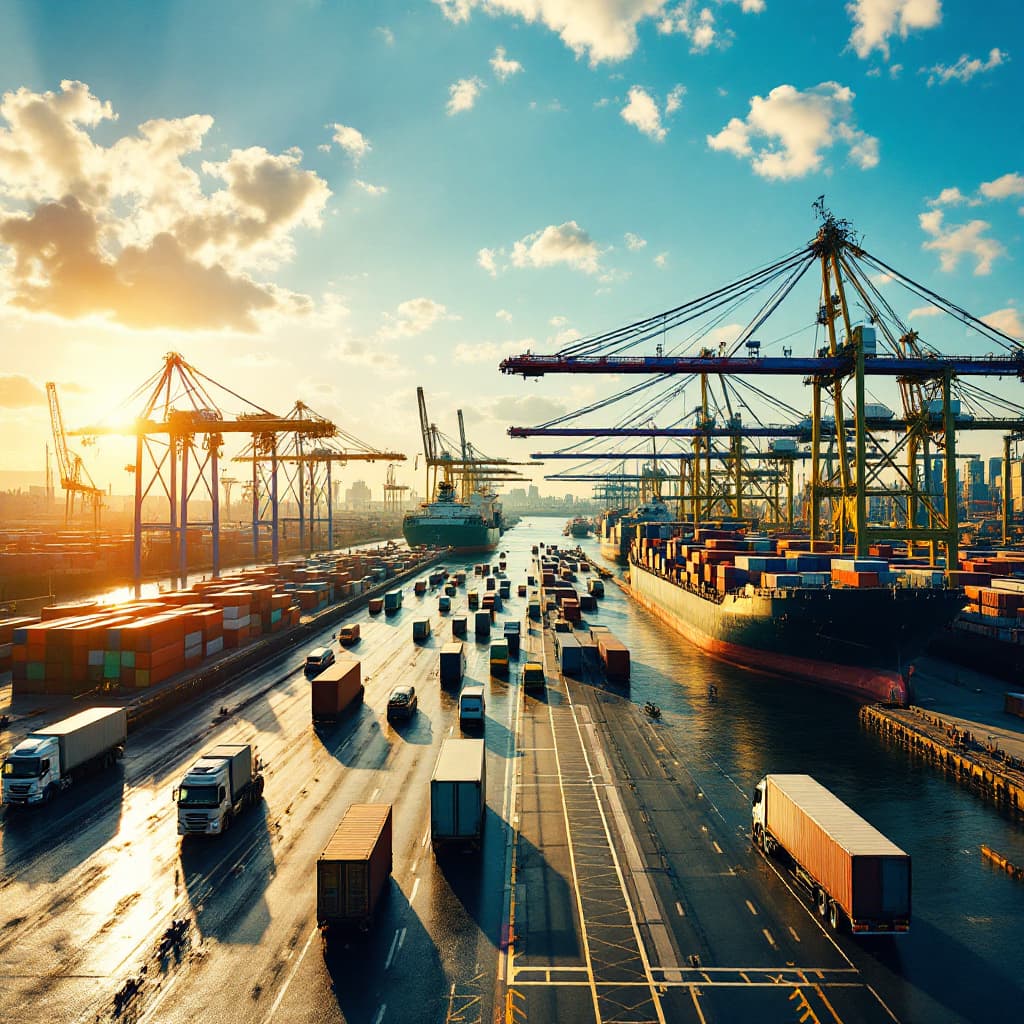
Logistics in Australia: Managing Remote Regions
Australia, known for its vast landscapes and remote communities, presents unique challenges for logistics and supply chain management. The country's major cities, such as Sydney and Melbourne, are well-connected, but transporting goods to rural and remote areas requires advanced planning, innovative solutions, and significant investment. Despite these challenges, Australia has developed a robust logistics network that continues to evolve with technological advancements and infrastructure improvements. This article explores the key obstacles in Australian logistics and the strategies used to ensure efficient supply chain operations.

Logistik im Nahen Osten: Wie sich die Märkte entwickeln
Der Nahe Osten entwickelt sich zu einem kritischen Logistikzentrum, das durch strategische Handelskorridore Europa, Asien und Afrika verbindet. Das rasante Wirtschaftswachstum der Region, Investitionen in die Infrastruktur und fortlaufende Handelspolitiken haben sie zu einem wichtigen Akteur in globalen Lieferketten gemacht. Einzigartige Herausforderungen wie geopolitische Spannungen, extreme klimatische Bedingungen und regulatorische Unterschiede stellen jedoch Hürden für Logistikunternehmen dar. Dieser Artikel untersucht, wie sich die Logistik im Nahen Osten entwickelt, welche Herausforderungen sie birgt und welche Wachstumschancen es gibt.
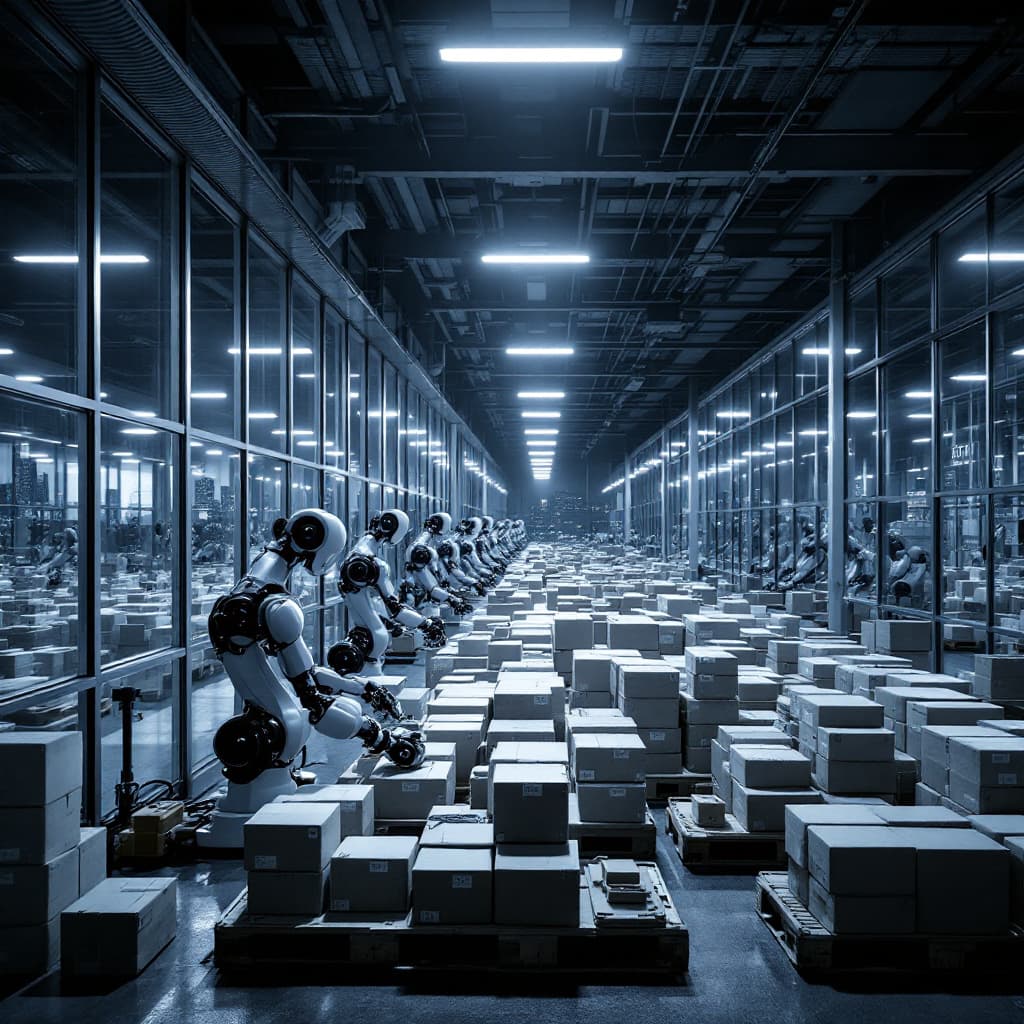
Warehouse Robotics: How It Works
Warehouse robotics is revolutionizing the logistics inWarehouse robotics is revolutionizing the logistics industry by automating various warehouse operations, including inventory management, order fulfillment, and transportation of goods. These robotic systems enhance efficiency, reduce labor costs, and minimize human errors. As businesses seek to optimize their supply chains, the adoption of robotics in warehousing continues to expand. Consequently, companies are focusing on integrating robotics to improve overall workflow. This article explores how warehouse robotics functions and the different types of robots used in modern warehouses.