Autor
James Miller ist spezialisiert auf globale Logistik und Supply-Chain-Dynamiken. Seine Forschungsarbeit untersucht die Feinheiten des internationalen Handels, infrastrukturelle Herausforderungen und technologische Fortschritte, die den modernen Handel prägen. Er setzt sich für nachhaltige Praktiken und Transparenz in den Lieferketten ein.

Why procurement uses AI widely but struggles to scale it with confidence
The gap between widespread AI usage and genuine, scalable readiness in procurement will be unpacked here.

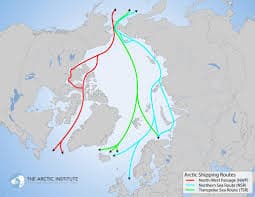
How the Greenland Disagreement Is Reshaping Transatlantic Trade Routes and Freight Planning
This piece examines the fallout from the Greenland disagreement and what it means for U.S.-E.U.

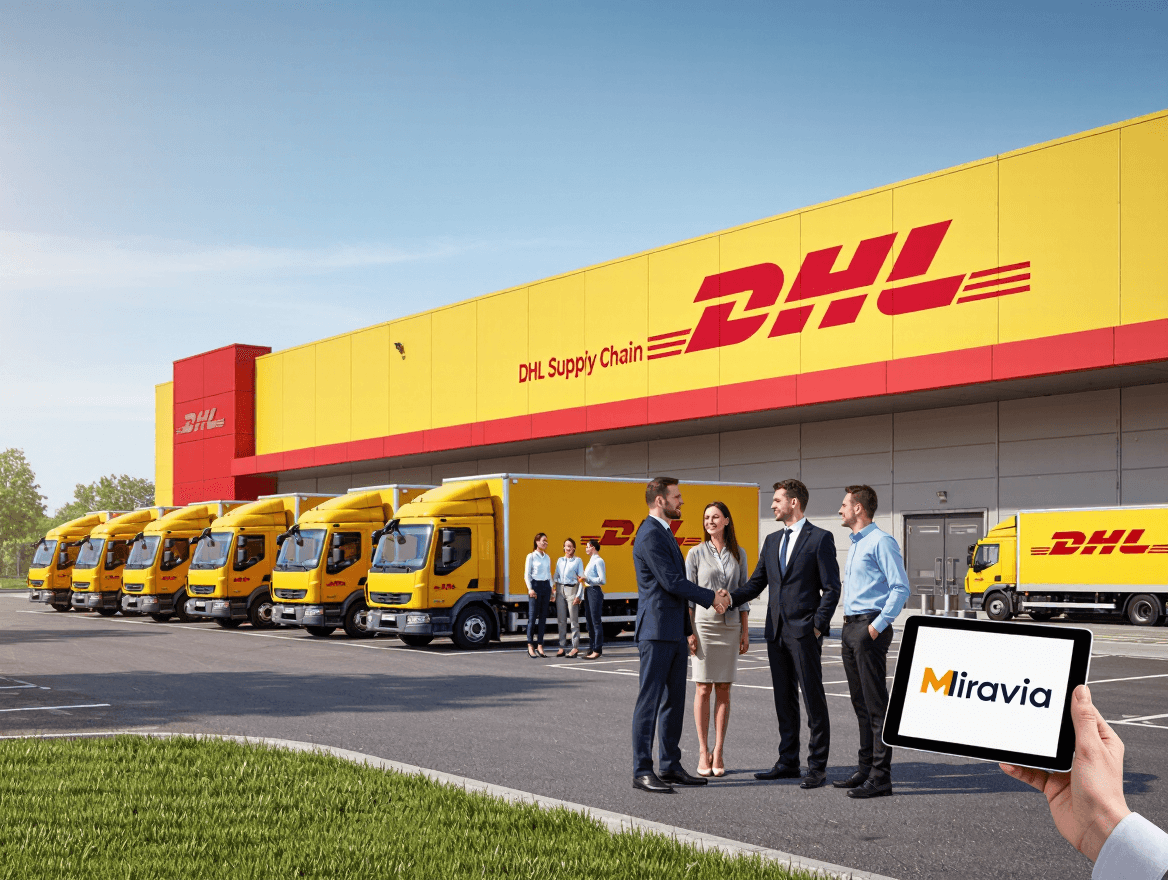
DHL Supply Chain partners with Miravia to serve the Iberian eCommerce market
The logistics partnership between DHL Supply Chain and Miravia for the Iberian market will be examined in this article.

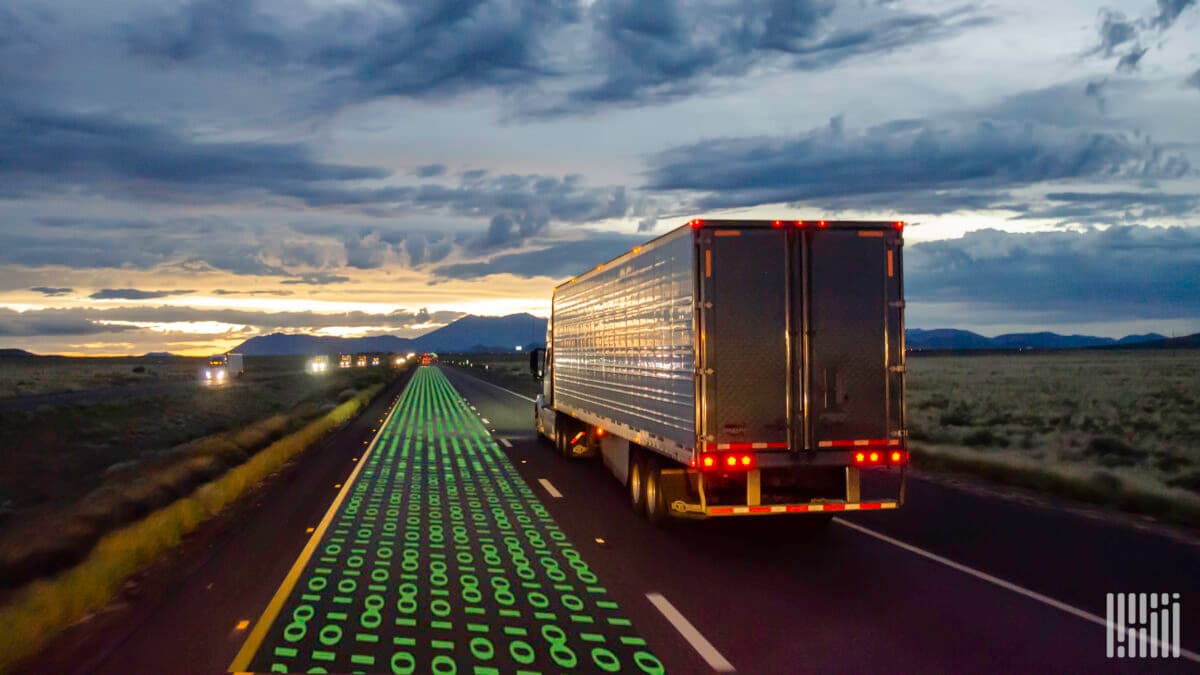
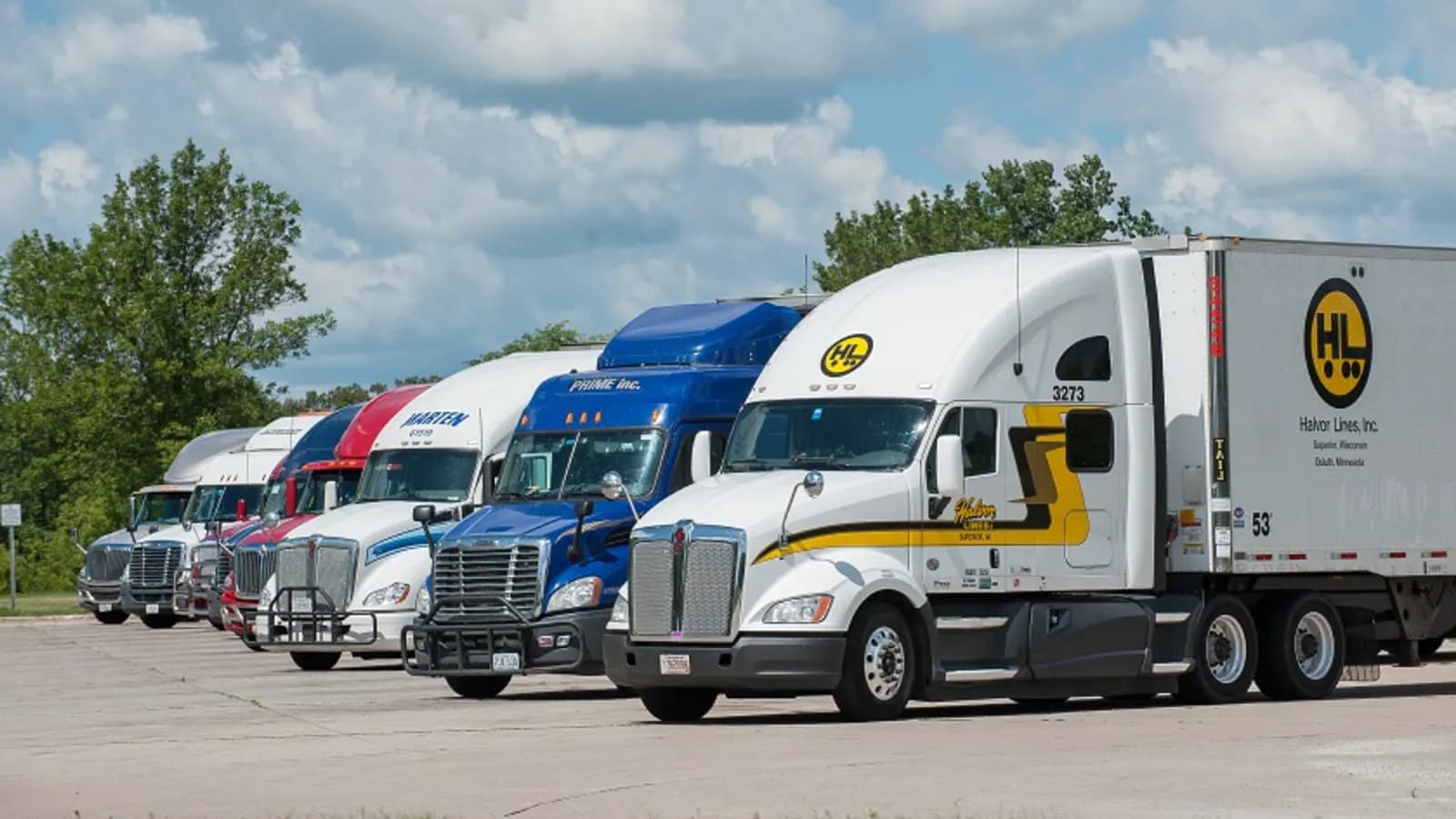
Minnesota moves to upgrade truck parking sensors and safety cameras at state rest areas
The state of Minnesota is funding technology upgrades to improve truck parking accuracy and safety at seven state-operated rest areas, with work planned in the 2028–2029 biennium.

Dave Evans named president and CEO of Misumi Americas after Misumi’s $350M Fictiv buy
This piece examines the appointment of Dave Evans to lead Misumi Americas and the operational integration following Misumi’s acquisition of Fictiv.

Musket Transport launches fully funded A/Z training grant for a woman at CHET in 2026
This piece reveals Musket Transport’s 2026 initiative to fully fund A/Z driver training for an aspiring woman through its Commercial Heavy Equipment Training (CHET) facility.

USPS Announces Bidding for Expanded Last‑Mile Delivery Network, David Steiner Comments
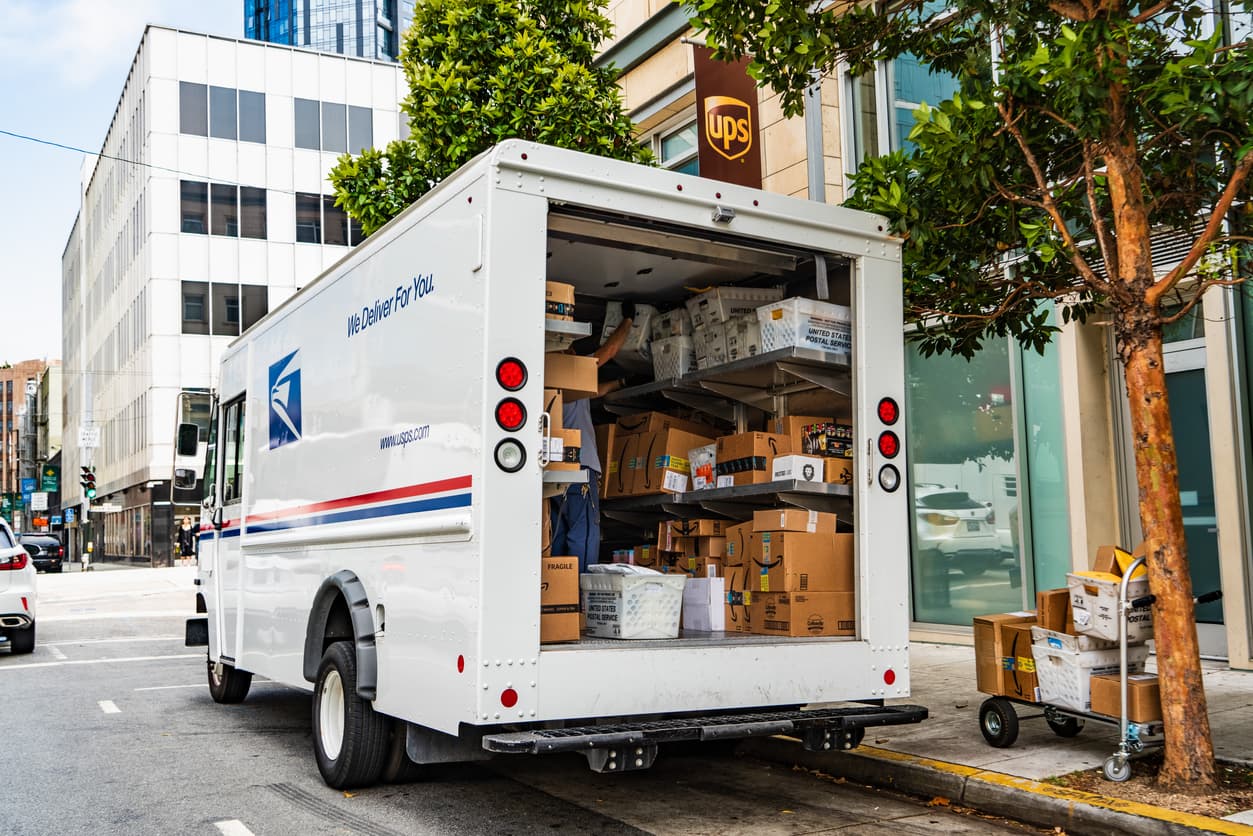
The U.S. Postal Service has opened a formal bidding process for participation in its expanded last-mile delivery network , inviting carriers and shippers to propose service offers for thousands of local delivery points. What’s being offered: a quick overview USPS has made more than 18,000 destination delivery units (DDUs) and local processing centers (LPCs) available through a dedicated solicitation platform. Bidders can propose combinations of volume, pricing and tender times for service at individual DDUs, specifying either same‑day or next‑day deliveries. Successful bidders are expected to be notified in the second quarter of 2026, with service rollouts planned for the third quarter. Why

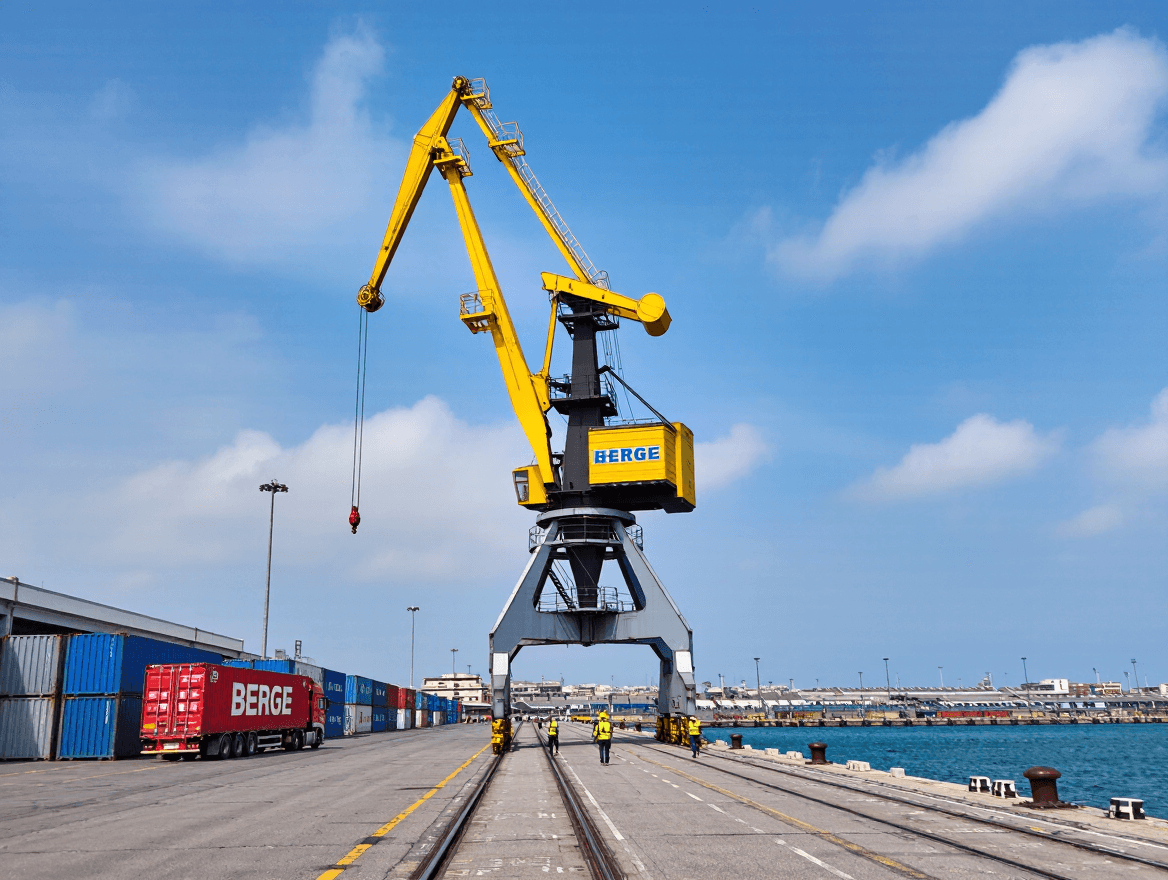
BERGÉ strengthens Santander terminal with a new Liebherr LHM 550 to improve operations
The arrival of a new Liebherr LHM 550 at the Port of Santander marks the next step in BERGÉ’s asset modernization and operational upgrade program.

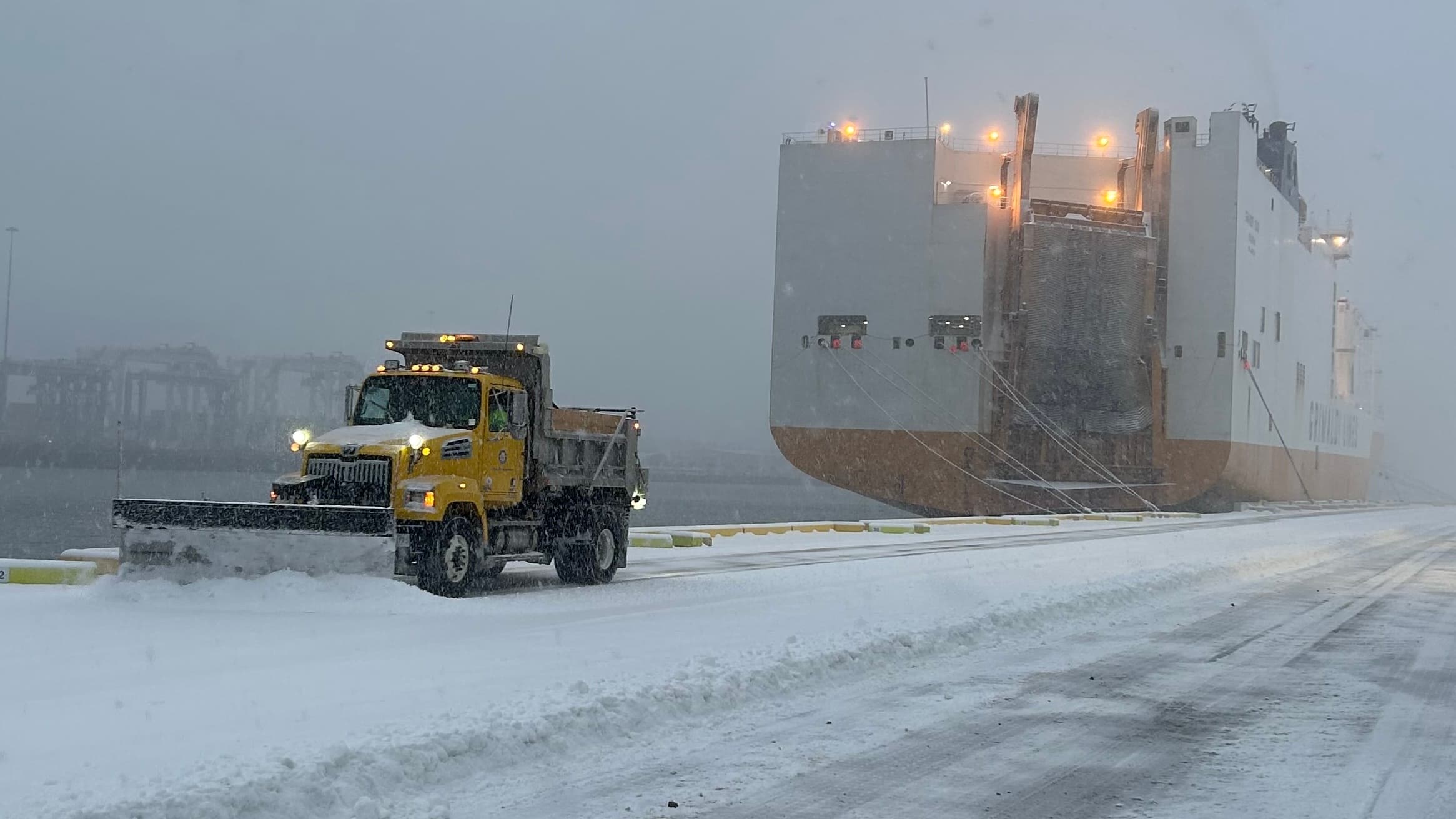
How Winter Storm Fern Could Disrupt Freight, Power and Regional Transport
This piece reveals the likely impacts of Winter Storm Fern on roads, power and freight movement across a broad swath from Georgia to Texas and up the Eastern Seaboard.

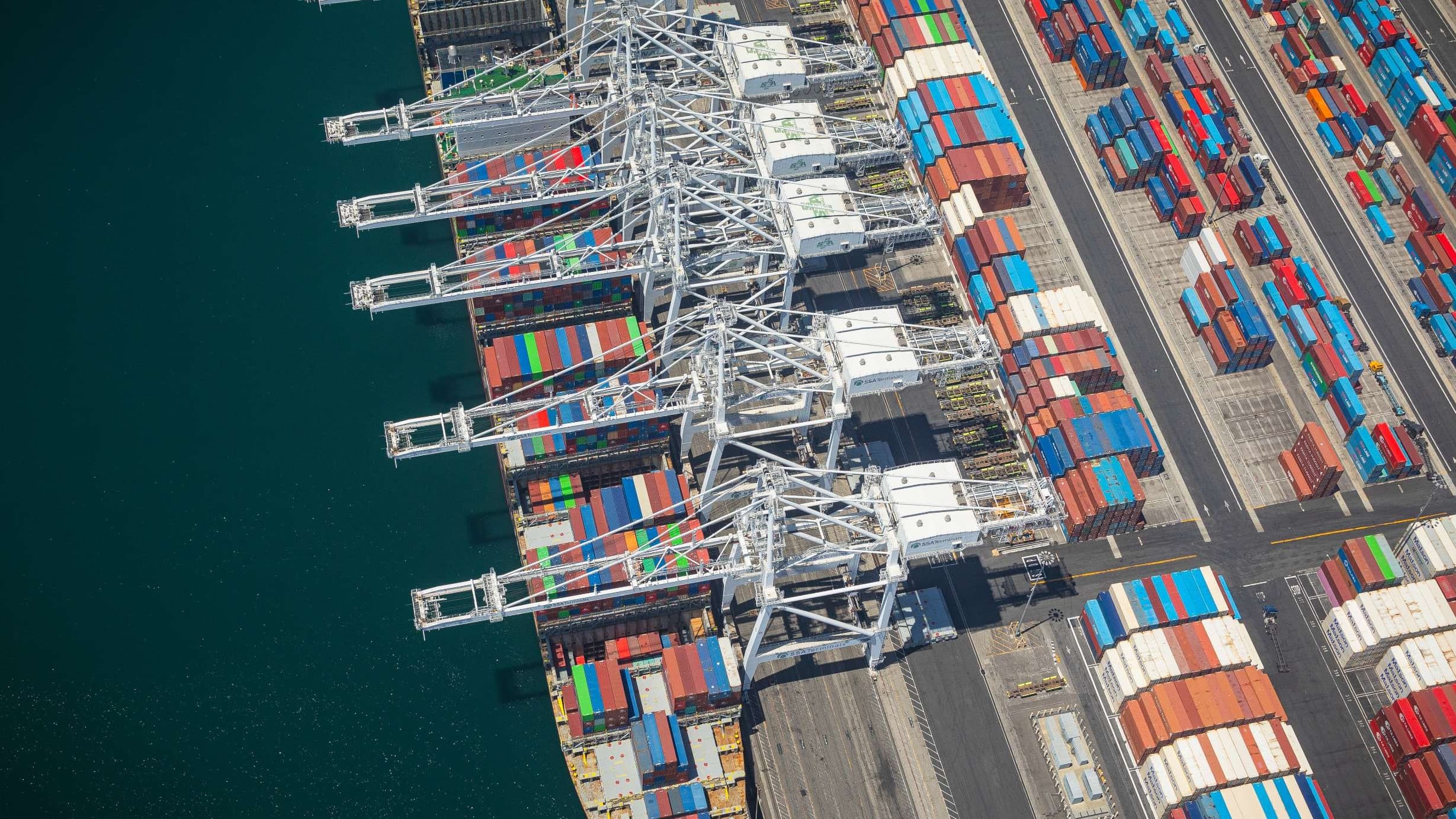
Dr. Noel Hacegaba Represents the Port of Long Beach at Davos on Trade and Resilience
Opening: what happened in Davos and why it matters Dr. Noel Hacegaba, the new chief executive of the Port of Long Beach , attended the World Economic Forum in Davos to discuss the future of trade, supply chains and economic resilience with global leaders and industry heads. Ports at the crossroads of trade, geopolitics and technology Hacegaba emphasized that ports are “at the intersection of trade , geopolitics , climate and technology .” That’s no throwaway line—ports are literally where containers meet policy, where tariffs ripple through schedules, and where an outage can force weeks of rerouting. In short: ports aren’t just docks; they’re barometers of the global economy. At Davos, he

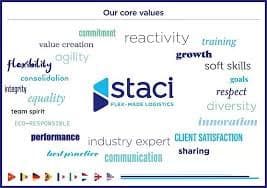
How Staci Americas Links People, Processes and Technology for Scalable Fulfillment
This piece reveals how connecting people, processes, and technology can turn chaotic fulfillment into predictable, scalable operations.

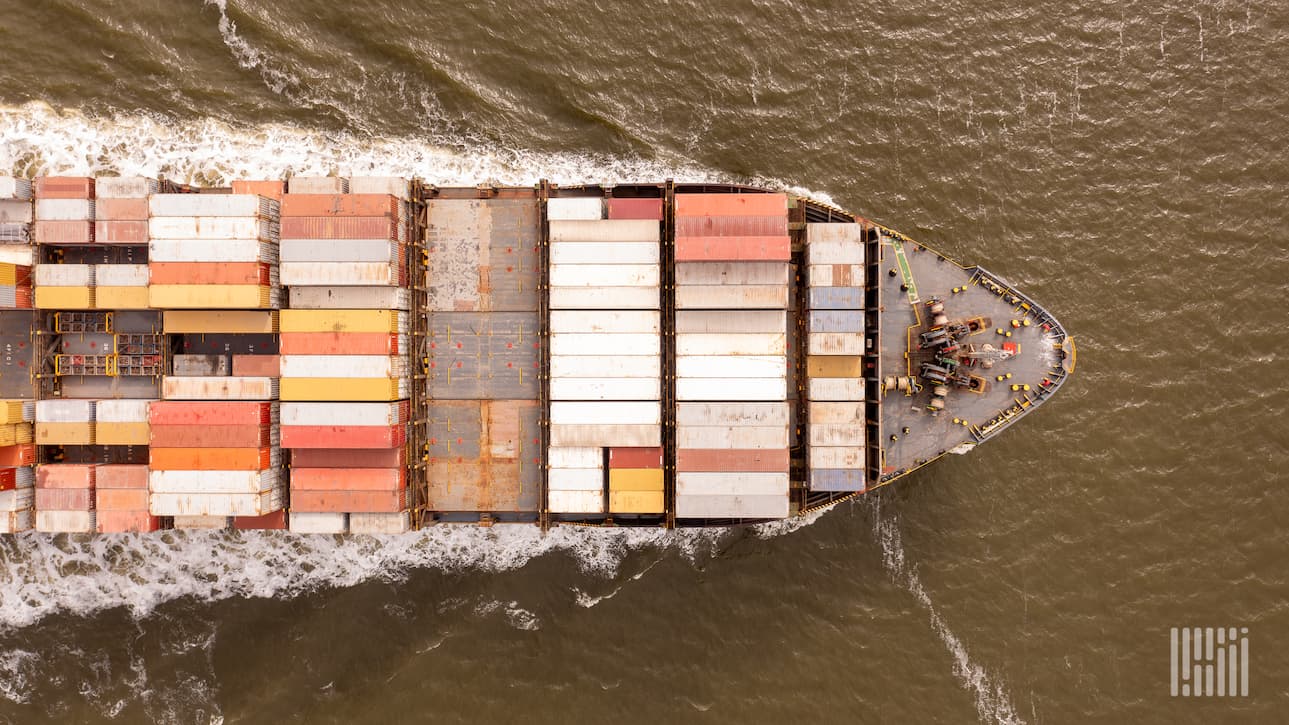
Dieser Artikel untersucht, wie Maersk und CMA CGM gegensätzliche Ansätze für die Durchfahrten durch das Rote Meer und den Suezkanal verfolgt haben und welche Bedeutung diese Entscheidungen für Verlader und Lieferketten haben.