
Alexander Petrunin
Attribution patrimoniale
Cette archive regroupe des notices d'auteurs historiques. L'identité et la paternité n'ont pas été vérifiées selon notre processus éditorial actuel.
Articles

Sécurisation d'un serveur Freight MCP : OAuth 2.1, empoisonnement d'outils et instances exposées
Troisième partie de la série MCP du fret : une fois qu'un agent peut réserver de vraies chargements, comment l'empêcher de réserver la mauvaise chose pour la mauvaise personne ? Un modèle de sécurité neutre vis-à-vis du fournisseur, divisé entre lecture et écriture, OAuth 2.1 avec PKCE pour les outils d'écriture, les problèmes d'empoisonnement des outils et d'instance exposée, et ce qu'un serveur de place de marché doit imposer qu'un seul transporteur peut ignorer.

À partir du 1er juillet 2026, l'Union économique eurasiatique (UEE) se dote d'un régime douanier défini pour le commerce électronique transfrontalier (décisions du Conseil de l'UEE) : le seuil de 200 euros par expédition est maintenu, mais au-delà, un colis est soumis à un droit de 5 % (au minimum 1 euro/kg) plus la TVA selon les règles nationales, la TVA du Kazakhstan étant désormais de 16 %. Voici l'interprétation opérationnelle : qui paie à la frontière, DDP vs DAP, et pourquoi un entrepôt côté union devient un avantage.

Serveurs MCP Cargo en 2026 : Warp, CargoMART et ce qu'un serveur Marketplace doit exposer
Une analyse comparative des serveurs MCP de fret réellement expédiés en 2026 (Warp, CargoMART, freightutils, Easyship) : outils, où la réservation est conditionnée, le piège de la validité des devis, stdio vs HTTP hébergé, et ce qu'un serveur de place de marché multi-transporteurs doit exposer.

SABER & FASAH expliqués : la certification d'importation saoudienne étape par étape
Depuis octobre 2025, aucune expédition ne passera la douane saoudienne sans certificat SABER. Voici comment SABER et FASAH fonctionnent ensemble, la différence entre PCoC et SCoC, le processus étape par étape, le changement de code SH en 2026 et les principales raisons de rejet des certificats.
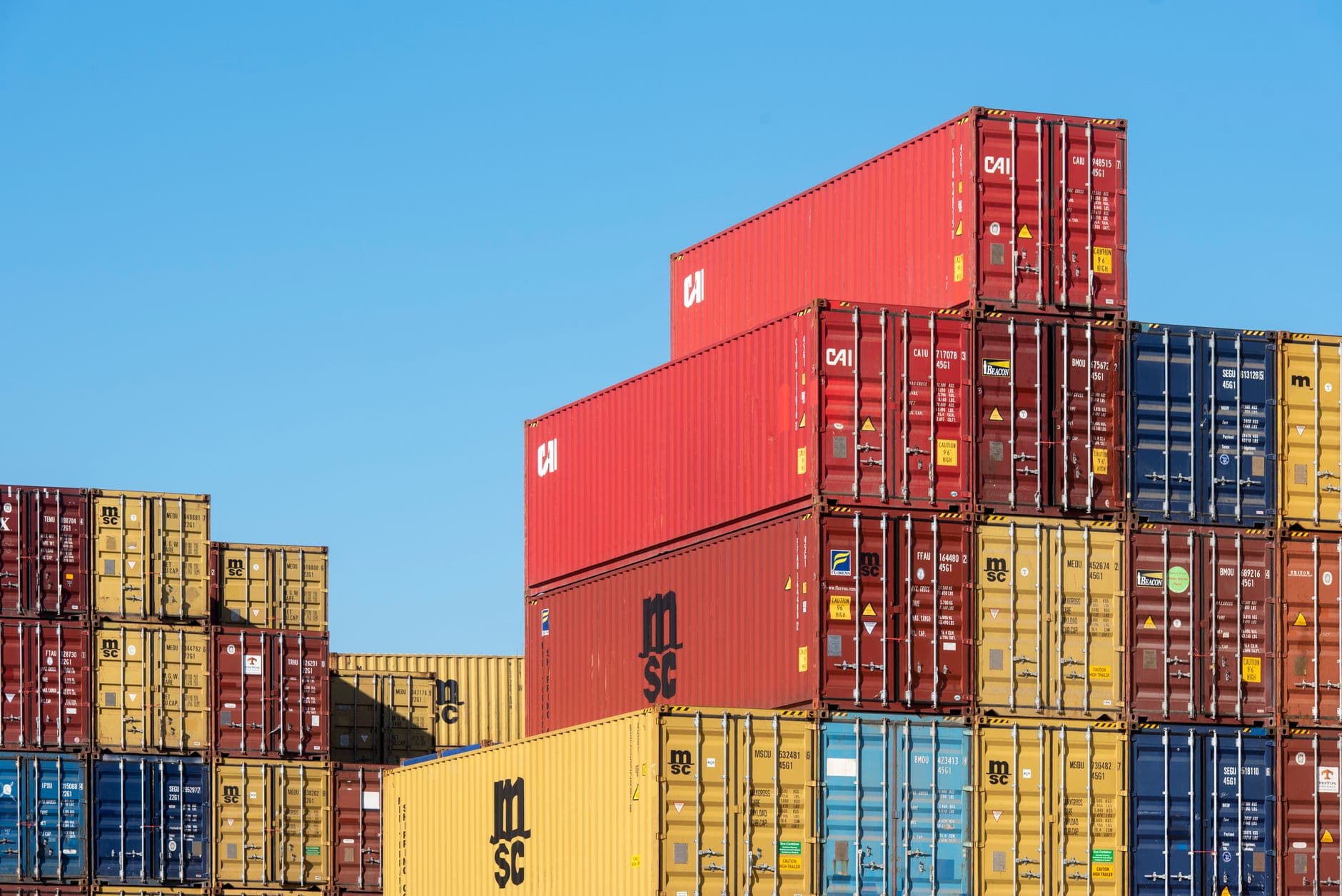
ACP dans la logistique : Comment connecter des agents IA aux API de fret
Une norme ouverte permet désormais aux agents d'IA de citer, réserver et suivre le fret via une seule intégration API. Voici comment fonctionne MCP, un exemple de serveur minimal, qui l'exécute en 2026 et comment le sécuriser.

Portugal Freight Transport Trends and Logistics
Portugal’s freight transport sector is undergoing a transformation driven by globalization, e-commerce growth, and strategic investments in port infrastructure. The country’s Atlantic edge, access to the Iberian Corridor, and proximity to both European and African markets position it as a key node in multimodal supply chains. In recent years, ports such as Port of Lisbon , Port of Leixões , and Port of Sines have expanded capacity, diversified cargo profiles, and improved hinterland connections to support containerized, bulk, and Ro-Ro traffic. Shifts toward intermodal solutions are accelerating, aided by ongoing TEN-T corridor enhancements, improved rail-first shipping lanes, and

Next Gen Freight Platforms for European Carriers
Next-gen freight platforms are digital ecosystems that connect European carriers, shippers, and logistics services through unified workflows and real-time data sharing. By integrating transport modes, customs compliance, and payment flows, these platforms create a seamless operating picture across the continent's diverse supply chains. They enable dynamic capacity matching , end-to-end visibility , and data-driven decision making , reducing manual touchpoints and accelerating tender cycles across cross-border corridors. For European carriers, benefits include lower empty miles , access to cross-border loads, improved on-time performance, and new revenue streams from value-added services
 Illustration éditoriale assistée par IA
Future European Freight Platforms for Carriers
European freight markets are transitioning to platform-based ecosystems that connect carriers, shippers, and logistics providers on a single digital interface. Fragmentation across borders, languages, and regulatory regimes creates friction; next-generation platforms aim to consolidate capacity, pricing, and compliance, delivering visibility and speed to carriers. These platforms will be built on open data standards and an API-first design, enabling seamless data exchange across modes, customs authorities, insurers, and payments. Real-time capacity matching, dynamic pricing , and multi-leg routing reduce empty miles and improve utilization. Interoperability across European borders remains

Future Freight Platforms for European Carriers
Future freight platforms are reshaping the European carrier landscape by connecting shippers, freight forwarders, and operators through unified digital marketplaces. They reduce empty miles, sharpen real-time visibility , and enable cross-border coordination across road, rail, sea, and air. These platforms converge legacy IT systems into interoperable ecosystems based on open APIs, standardized data models, and digital documentation. Interoperability and data standardization are the core enablers, reducing friction at borders and speeding up operational cycles. In the European regulatory context, platform design emphasizes transparency, compliance, and sustainability. Regulatory alignment

EU Carriers Marketplaces vs Traditional Brokers
The European freight market is shifting from traditional brokers to digital carrier marketplaces, platforms that directly connect shippers with a wide pool of carriers. These marketplaces optimize capacity along EU corridors, enable faster tendering, and standardize data flows, offering new options for both small and large shippers. Marketplace platforms deliver transparency , real-time capacity, dynamic pricing, and streamlined operations by aggregating quotes, tracking, and payments in a single interface. Shippers can compare routes, transit times, and service levels across multiple carriers, often with APIs that integrate to existing ERP or TMS systems. Traditional brokers still provide

EU Carrier Marketplaces vs Traditional Brokers
In the European freight market, carrier marketplaces bring shippers, carriers, and forwarders onto digital platforms that enable real-time capacity matching. Marketplaces deliver price transparency , rapid quotations, and standardized workflows, while traditional brokers rely on long-standing relationships, local knowledge, and bespoke risk management. Marketplaces scale by aggregating lanes across EU borders, enabling shippers to compare rates, transit times, and service levels in real time. Traditional brokers contribute lane expertise and customized solutions for complex shipments, including regulatory compliance, carrier vetting based on trust, and hands-on contingency planning for

Marketplaces vs Traditional Brokers for EU Carriers
EU Carriers Marketplaces are digital platforms that connect shippers with a network of carriers through real-time bidding, automated matching, and instant quotes, enabling a more fluid flow of capacity across the European Union. Unlike traditional brokers who manually source carriers and negotiate rates, marketplaces scale visibility and speed, reducing friction in cross-border shipments and enabling standardized workflows across multiple countries. These marketplaces improve price discovery and transparency by displaying carrier rates, transit times, and load histories in near-real time, allowing shippers to compare options without intermediaries. For carriers, the platforms offer access