Szerző
James Miller a globális logisztika és az ellátási láncok dinamikájának szakértője. Kutatómunkája a nemzetközi kereskedelem bonyolultságát, az infrastrukturális kihívásokat és a modern kereskedelmet formáló technológiai fejlesztéseket vizsgálja. Fenntartható gyakorlatok és átláthatóság mellett érvel az ellátási láncok működésében.

Hogyan küzd a Ford új technológiája az F-150 és F-250 pickupok lopás elleni védelméért
A pickup teherautók, különösen a Ford rendkívül népszerű F-150 és F-250 modelljei továbbra is a tolvajok elsődleges célpontjai maradtak.

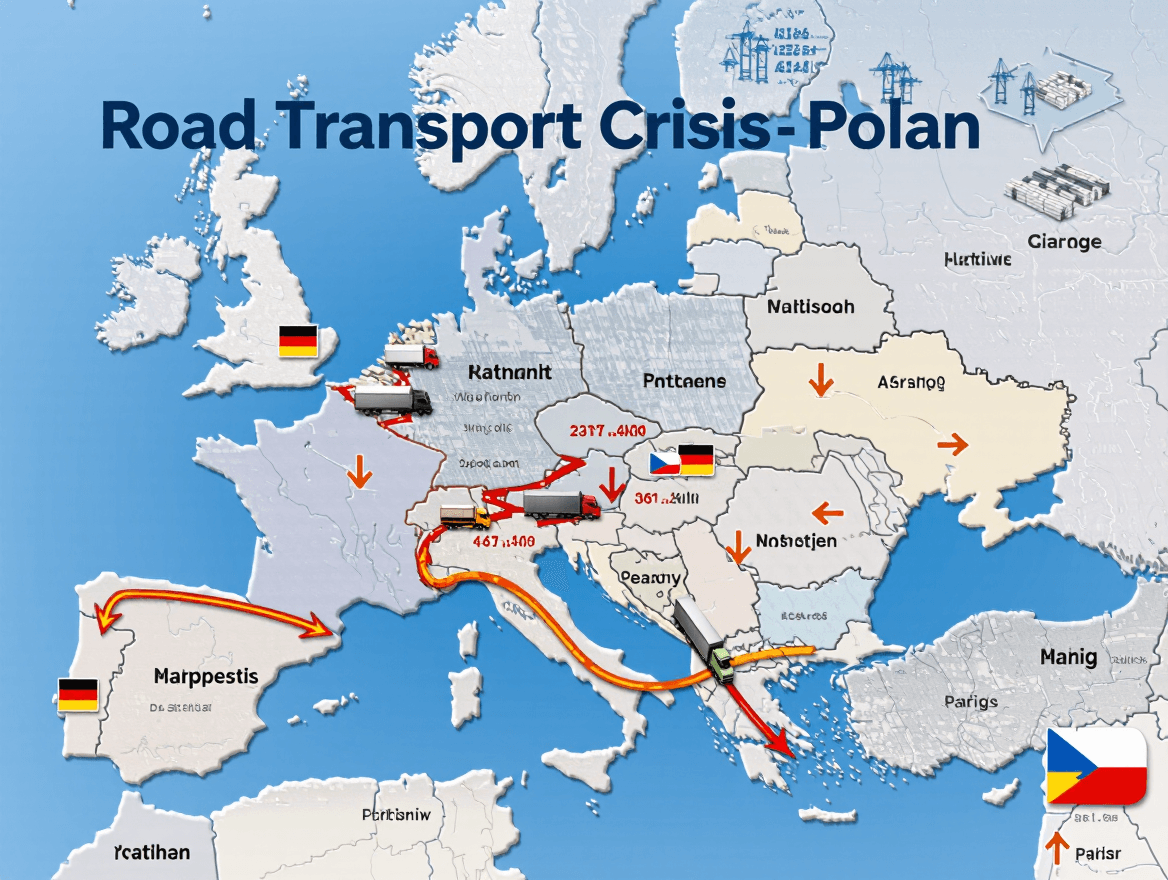
Understanding the Road Transport Crisis in Poland and Its Broader European Logistics Implications
The logistics sector across Europe is navigating a perfect storm of challenges, none more pressing than the burgeoning shortage of truck drivers, particularly acute in Poland.

Big moves at Burberry as Matteo Calonaci steps into the role of Chief Operating and Supply Chain Officer, marking a significant phase in the luxury brand's operational and logistics landscape.

Robert Erni Joins Maersk as CFO, Steering Strategy Toward Land-Based Logistics Growth
Maersk’s decision to bring Robert Erni onboard as their new chief financial officer marks a strategic move to bolster its presence in land-based logistics.

Mexico Experiences Significant Decline in Heavy Truck and Light Vehicle Exports
Mexico's automotive export scene faced a noticeable downturn recently, with heavy-truck shipments falling by 22% and lighter vehicles also seeing reduced demand.

Leading food manufacturer Kellanova is setting a fresh benchmark in sustainability by partnering with Varaha, Asia’s largest carbon project developer, to convert thousands of acres of conventional corn farms into regenerative agricultural landscapes.

Spain and Morocco Unite to Build a Pioneering Euro-African Railway Industry with Strategic Vision
The collaboration between the Spanish Association of Transport (AET) and Morocco Train Industry (MTI) sets the stage for a revolutionary railway alliance designed to transform the Mediterranean transportation landscape.

Electric vehicle fleets are becoming an essential part of the global drive toward sustainable transportation, and managing their energy sources efficiently is key.

FMCSA’s New Crackdown on Self-Certification Aims to Boost Trucking Safety and Compliance
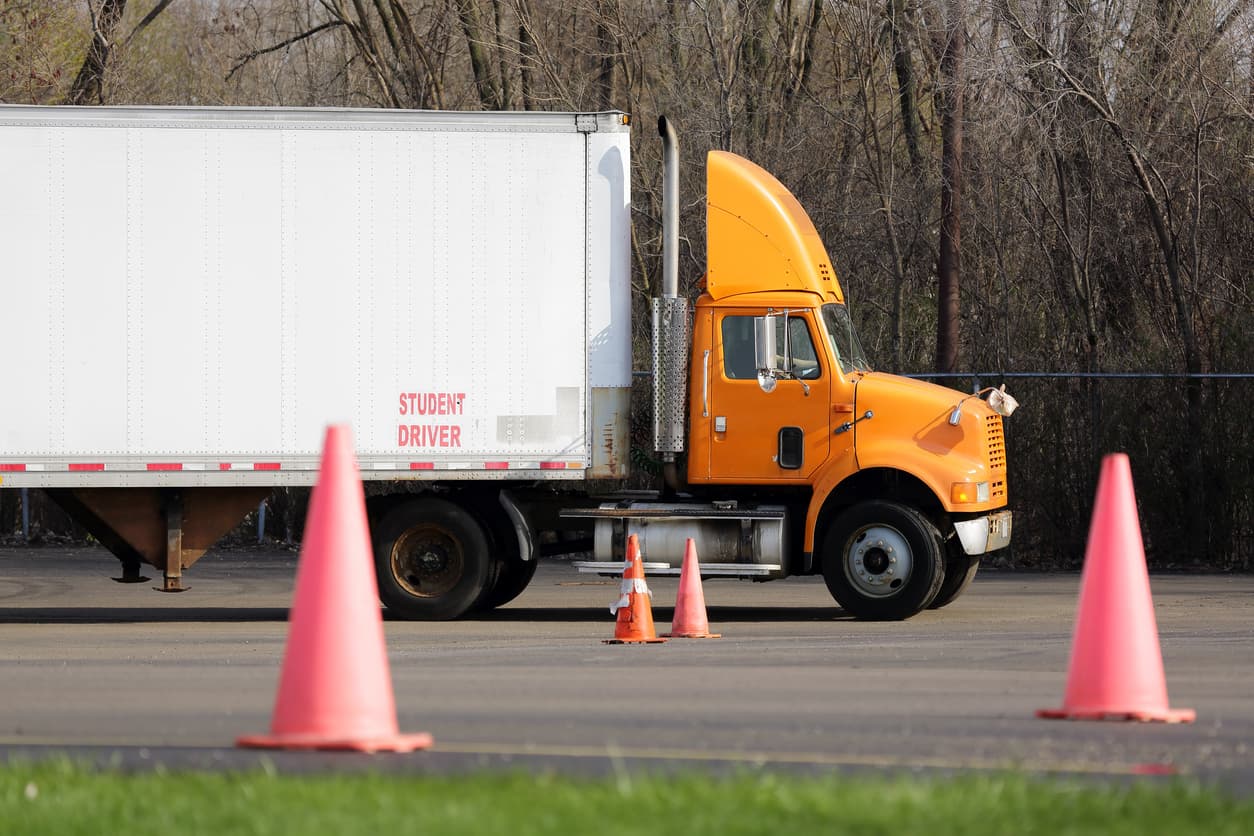
The Federal Motor Carrier Safety Administration (FMCSA) is taking major steps to tighten controls on self-certification processes that affect truck driver training schools and electronic logging devices (ELDs).

The recent decision by the Ministry of Transport to exclude several associations, notably the Plataforma Nacional Defensa Sector del Transporte led by Manuel Hernández, from the CNTC's 2026-2029 term has stirred significant controversy.

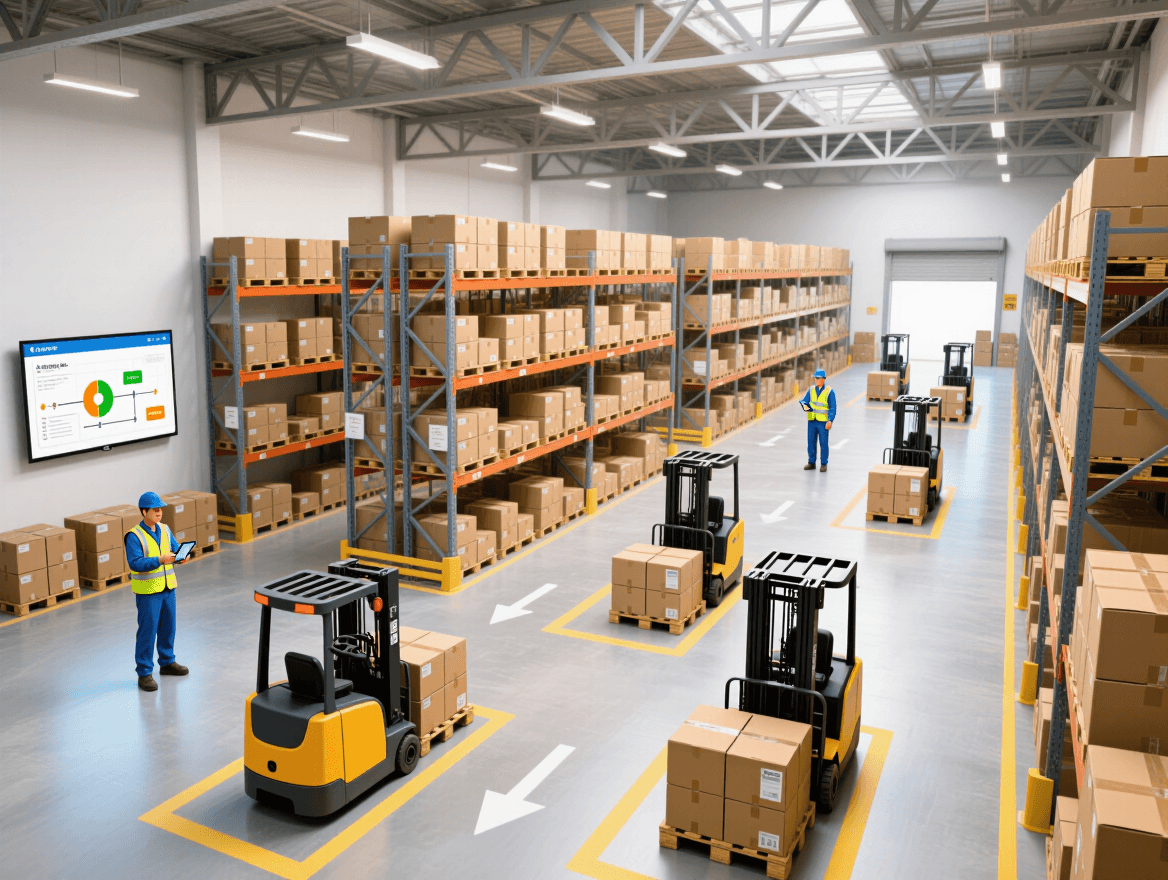
Effective Approaches to Elevate Warehouse Layout and Streamline Workflow Processes
Sharper Warehouse Organization: The Backbone of Efficient Logistics Mastering warehouse organization is no walk in the park. It requires thoughtful planning, steadfast discipline, and resource-savvy techniques to engineer a space that hums like a well-oiled machine. The way a warehouse is arranged plays a pivotal role in slashing turnaround times, reducing human error, and ensuring that every item reaches its destination intact and on schedule. It's not just about stacking boxes or cramming space with goods. From reception zones to storage and dispatch areas, every segment demands clear-cut roles. Incorporating supportive equipment like hydraulic platforms can dramatically ease the movement

Legislative Pushback Against Safety Rollbacks in the National Defense Authorization Act Recent developments in U.S. defense legislation have sparked serious debate over potential setbacks in aviation safety. Specifically, senators have raised alarms that the National Defense Authorization Act (NDAA) may undo key reforms aimed at preventing crashes like the tragic January collision between an Army helicopter and a commercial airliner over Washington, D.C., which claimed 67 lives. This collision was the deadliest in over twenty years, and authorities, along with the families of the victims, insist that new laws should strengthen—not weaken—air safety measures around the nation’s capital.