


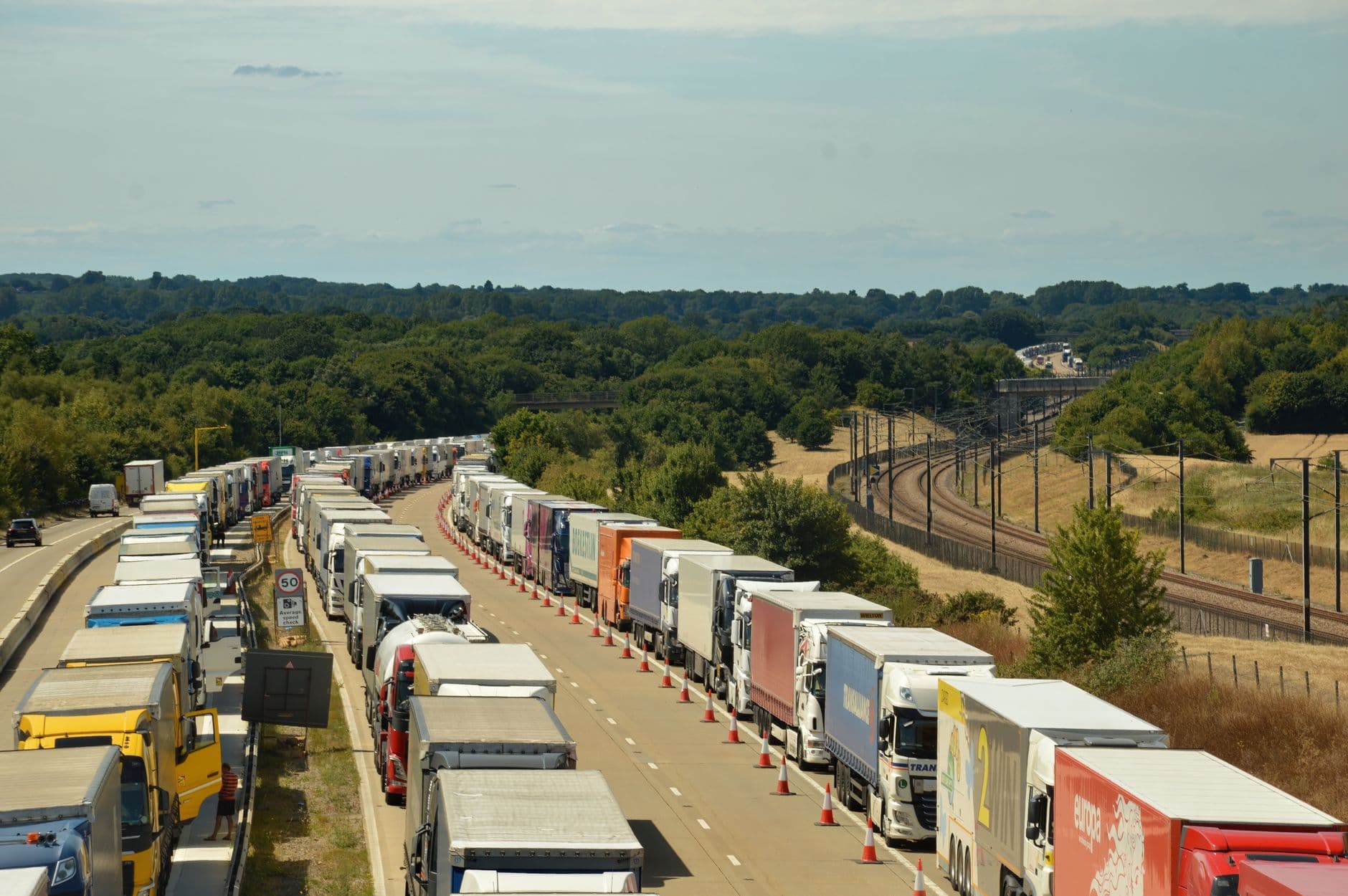

Ask any haulier running non-EU drivers what changed in 2026 と尋ねれば、我々の報告では答えは同じです:国境はより遅く、予測不可能になりました。欧州委員会によると、出入国管理システムは2026年4月10日に完全運用に達し、その後の夏には5時間の渋滞とドライバーの封鎖が発生しました。以下に実際の影響と緩和のためのプレイブックを示します。
The European UnionのEntry/Exit System (EES) は、2025年10月12日にSchengen国境で段階的な導入を開始し、2026年4月10日に完全運用に達しました。パスポートのスタンプから生体認証登録へのスムーズな移行と謳われていたものの、実際にはヨーロッパが数年で経験した最悪の国境渋滞のいくつかを引き起こしました。国境を越えるトラック輸送にとって、EESは官僚的な脚注ではなく、2026年前半の国境滞在時間を再構築した物流上の現実です。EU域外国民の出入国はすべて指紋と顔画像で記録され、それによって生じる摩擦は、予測可能な輸送に依存する運送業者と貨物購入者に直接影響を及ぼしています。
The European Entry/Exit System (EES)(EES)は、シェンゲン圏に出入りするEU域外国民を登録する自動化されたITシステムです。物流業界にとって重要な点は、これが第三国国民に適用されることで、非EU諸国のドライバーや、特定の国内実施状況に応じて、パスポートを所持せずに国民IDカードで旅行する一部のEU市民にも影響を及ぼす可能性がありますが、主な影響はシェンゲン圏外の国民に及びます。このシステムは、入出国の日時、国境通過地点、指紋や顔画像などの生体データを記録します。これにより、パスポートの従来の紙のスタンプに代わるものとなり、滞在期間を自動的に計算し、オーバーステイを検知する集中データベースが構築されます。
Freight operatorsにとって、これはEU域外のドライバーがSchengen国境を越えるたびに、義務的なデジタルチェックの対象となることを意味します。無作為な抜き打ち検査に依存していた従来のシステムとは異なり、EESは包括的に設計されています。この普遍性により、国境管理における「運任せ」が排除されます。ドライバーは、旅行書類を自動ゲートまたは国境警備隊に提示し、それをシステムにスキャンしてもらう必要があります。このプロセスは迅速に設計されていますが、大量のトラックターミナルでは、毎日数千台の車両を処理することによる累積的な影響が潜在的なボトルネックを生み出す可能性があります。システムが滞在期間超過を即座に検出できるため、過去の旅行における管理上のエラーが即時の遅延や入国拒否を引き起こし、厳しい配送スケジュールを混乱させる可能性があります。
Schengen 国境における運用上の現実
The implementation of the EES introduced a new rhythm to border crossings — and, through the first half of 2026, a great deal of 混乱. The phased launch in October 2025 exposed a steep learning curve for border authorities and commercial drivers alike, and full operation from 10 April 2026 turned intermittent friction into sustained 渋滞. The transition from manual stamping to biometric scanning requires drivers to leave their cabs more often, and while automated gates exist for some nationalities, many freight lanes still route through manual verification, especially when a document is not machine-readable or the data does not match a prior record. In quiet periods the added dwell time is measured in minutes; at busy crossings during the summer 2026 peak, waits stretched to as long as five hours. For a haulier operating on thin margins, that swing between minutes and hours is the planning problem the EES created.

The disruption was severe enough to draw formal objections. During the summer 2026 peak, aviation and travel bodies including ACI Europe, Airlines for Europe and IATA asked the European Commission to suspend EES processing at the busiest times to relieve the collapse, and hauliers from the Western Balkans — モンテネグロを含む — が遅延に抗議して国境を封鎖しました。ただし、両方の側面を考慮する価値はあります:2026年半ばまでに、EESは約1億1000万人の旅行者を処理し、国境で止められたセキュリティリスクと見なされた約1000人を特定しました。このシステムは、設計されたセキュリティの成果を提供しています;そこに至る運用コストは、今や貨物部門が管理しなければならないものです。
さらに、EESはより広範なシェンゲン情報システム(SIS)にリンクされています。ドライバーがビザ条件の違反やセキュリティ上のフラグなど、未解決のアラートを持っている場合、システムは即座に国境警備隊に警告します。この強化された監視により、コンプライアンスはもはや任意ではなく、継続的なアクセスの門番となっています。ドライバーは、国境を越える前に書類が完璧であることを確認する必要があります。システムは複雑なデータエラーのその場での修正を許可しません。以前の入国時の生体認証テンプレートで名前のスペルミスがある場合、それを解決するには数時間、場合によっては数日かかり、事実上車両を足止めすることになります。この運用上の現実により、運送業者は国境コンプライアンスを、燃費効率や積載バランスと同等の重要なルート計画の要素として扱わざるを得なくなっています。
フレートバイヤーとサプライチェーン計画への影響
The ripple effects of the EES extend far beyond the cab of the truck. 貨物の購入者やサプライチェーン管理者は、今や輸送時間の増大した変動性を考慮しなければなりません。理論上は効率的なデジタル国境管理プロセスも、ピーク時やシステム障害時にはボトルネックとなる可能性があります。2026年にシステムが成熟するにつれ、これらの障害は減少するはずですが、初期の摩擦は依然としてリスク要因です。購入者は、この新たな現実を反映するためにサービスレベル契約(SLAs)を調整する必要があります。正確なタイミングに依存するジャストインタイム配送モデルは、EESチェックによる国境遅延に特に脆弱です。1時間の遅延でさえ、生産ラインや小売りの在庫補充スケジュールを混乱させる可能性があります。
Moreover, the EESは当局に前例のない移動パターンの可視性を提供します。このデータは、国境を越えた貿易や移住の傾向を特定するために使用でき、的を絞った検査や国境警備の人員配置の変更につながる可能性があります。貨物の買い手にとって、これは国境の状況が政治的または安全保障上の指示に基づいて急速に変化する可能性があることを意味します。ルート計画のために過去のデータに頼るだけではもはや十分ではありません。企業はリアルタイムの国境情報を物流ソフトウェアに統合する必要があります。これには、国境の待ち時間、人員配置レベル、システムの状態の監視が含まれます。ルートを迅速に変更したり、集荷時間を動的に調整する能力は、今や競争上の優位性です。買い手は、この情報を共有するために運送業者と密接に連携し、両者が予期せぬ混乱に備えるようにする必要があります。対応しないことのコストはかつてないほど高く、納品の遅延に対する潜在的なペナルティや在庫保持コストの増加が考えられます。
Hauliers とドライバー向けの緩和プレイブック
EESの状況を効果的にナビゲートするためには、運送業者は反応的ではなく積極的なアプローチを採用しなければなりません。鍵は準備とテクノロジーです。ドライバーは新しい手続きについて訓練を受け、何を期待すべきか、そしてどのように書類を正しく提示するかを正確に知っておく必要があります。運送業者は、国境のコンプライアンスを管理するのに役立つテクノロジーに投資すべきです。例えば、国境の状況や待ち時間に関するリアルタイムの更新情報を提供するアプリなどです。さらに、堅牢な記録管理システムを維持することが不可欠です。ドライバーは、すべての旅行書類と国境通過記録のデジタルコピーを保管する必要があります。この文書は、EESデータベースで発生する可能性のある不一致を解決する際に非常に貴重なものとなり得ます。
haulierおよび貨物購入者がEES関連のリスクを軽減するために取るべき具体的な行動は次のとおりです:
- Implement pre-border checks: 少なくともスケジュールされた通関の24時間前までに、すべてのドライバードキュメントとEESステータスを確認し、直前の予期せぬ事態を避けてください。
- Utilize automated border gates: 利用可能な場合、自動ゲートを利用できる非EU市民の乗客に対して、運転手が自動ゲートを使用するよう訓練し、手動カウンターと比較して停車時間を最大50%削減します。
- Adjust scheduling windows: スケジュールの調整時間帯を設定:ピーク時間外、通常は早朝または深夜に国境を越えるスケジュールを組むことで、待ち時間とシステムの混雑を最小限に抑えます。
- Maintain backup communication: ドライバーがリアルタイムで問題を報告するために、信頼性の高い衛星またはモバイル通信を確保してください。これにより、ディスパッチャーは即座にルート変更や計画の調整が可能になります。
- コンプライアンス監査を定期的に実施:ドライバーのファイルと国境越え履歴を毎月確認し、入国拒否の原因となる前にデータエラーを特定して修正します。
2026年の変更に向けたETIAS Horizonの準備
While the EES is the immediate concern, the horizon is dominated by the 今後の欧州旅行情報認証システム(ETIAS)が支配しています。2026年の第4四半期に予定されており、正確な日付は欧州委員会によってまだ確認されていないETIASは、米国、カナダ、オーストラリアなどの国々からの多くのトラックドライバーを含む、ビザ免除の旅行者に対し、シェンゲン圏に入る前に電子旅行認証を取得することを要求します。ETIASの料金は€20に設定されており、当初提案された€7から大幅に増加しています。この費用は個々の旅行者にとっては控えめですが、多数の非EUドライバーを抱える物流会社にとっては積み重なります。さらに重要なことに、ETIASの認証は申請に使用された旅行文書にリンクされています。ドライバーがパスポートを変更した場合、新しいETIASを申請しなければなりません。これにより、行政上の負担とエラーの可能性がさらに一層増します。
The integration of EES and ETIAS means that border checks will become even more data-intensive. EESは入出国を記録するのに対し、ETIASは渡航者の事前スクリーニングを行います。Together, they create a comprehensive digital footprint for every non-EU national entering Europe. 運送業者にとって、これはコンプライアンスが継続的かつ積極的にならなければならないことを意味します。ドライバーは、毎回の旅行前にETIASが有効であり、正しいパスポートにリンクされていることを確認する必要があります。Any mismatch can result in denial of entry, even if the EES check is successful. この完全デジタル化された国境体制への移行には、物流企業内での文化的な変革が必要です。物理的な輸送からデータの完全性と規制遵守へと焦点を移すことが求められます。Companies that fail to adapt risk losing access to the European market, a costly outcome that outweighs the administrative investment.
よくある質問
EESはEU市民がトラックを運転する場合にも適用されますか?
The EESは主に非EU市民を対象としています。EU市民は通常、有効なパスポートまたは国民IDカードを所持していれば、シェンゲン圏内を移動する際にEESの手続きを受ける必要はありません。ただし、規制は国によって異なる場合があり、一部の国境管理では書類の確認が求められることもあります。運送業者は、国ごとの具体的な要件を各国境通過時に確認することが重要です。というのも、各国の実施方法が異なる可能性があるためです。EUのドライバーにとっては、標準的な国境管理が主な焦点となりますが、移動に影響を与える可能性のある国内法の変更についても注意を払うべきです。
運転手の生体情報がEESで不正確だった場合はどうなりますか?
もし生体認証データに不一致がある場合(指紋や顔画像の不一致など)、国境警備員はその入国を手動審査のためにフラグ付けする可能性が高いです。これにより、国境当局が問題を解決しようとする際に大きな遅延が発生することがあります。場合によっては、データが修正されるまでドライバーの入国が拒否されることもあります。これを避けるために、運送業者はドライバーが明瞭で有効期限の切れていない書類を提示し、生体認証データが最新の状態であることを確認する必要があります。エラーがわかっている場合は、旅行のかなり前までに関連当局に報告するべきです。
どうすればビザ免除国からのトラックドライバーにETIASが影響しますか?
ETIASでは、ビザ免除国からのトラックドライバーがシェンゲン圏に入る前に電子渡航認証を取得することが求められます。この認証は、3年間またはパスポートの有効期限が切れるまでの期間、複数回の入国が有効です(いずれか早い方)。申請ごとに20ユーロの手数料が適用されます。運送業者は、すべての対象ドライバーが国境を越える前に有効なETIASを持っていることを確認する必要があります。これを怠ると入国を拒否されます。このプロセスは、会社のドライバー管理システムに統合し、有効期限を追跡し、継続的なコンプライアンスを確保する必要があります。
結論
The live status of the EU Entry/Exit System は、デジタル国境管理の新時代を画し、物流業界に厳格なコンプライアンスと積極的な計画を求めています。運送業者や貨物購入者にとって、成功の鍵は、強化されたデータ精査と潜在的な遅延への適応にあります。強固な国境前チェックの実施、リアルタイムインテリジェンスのためのテクノロジーの活用、そして今後のETIAS要件への準備により、企業はリスクを軽減し、効率的なサプライチェーンを維持できます。最後の実行可能なヒントは、物流部門内に専任のコンプライアンス担当者またはチームを設置することです。この担当者は、規制の変更を監視し、ドライバーの書類を管理し、国境当局と連携して2026年以降のシームレスな国境越え業務を確保する責任を負うべきです。これらの変化を無視することは選択肢ではありません。適応が唯一の前進する道です。